The manufacturing landscape is evolving rapidly, and so are the skill requirements for maintenance professionals. Traditional training methods—lengthy classroom sessions, thick manuals, and time-consuming workshops—simply don't align with the fast-paced demands of modern manufacturing environments. Enter micro-learning platforms: a game-changing approach that delivers targeted, bite-sized training modules designed specifically for the unique challenges of manufacturing maintenance.
Manufacturing facilities across the United States are discovering that micro-learning isn't just a training trend—it's a strategic necessity. With equipment becoming increasingly sophisticated and the skilled labor shortage intensifying, companies need training solutions that maximize learning efficiency while minimizing operational disruption.
Understanding Micro-Learning in Manufacturing Context
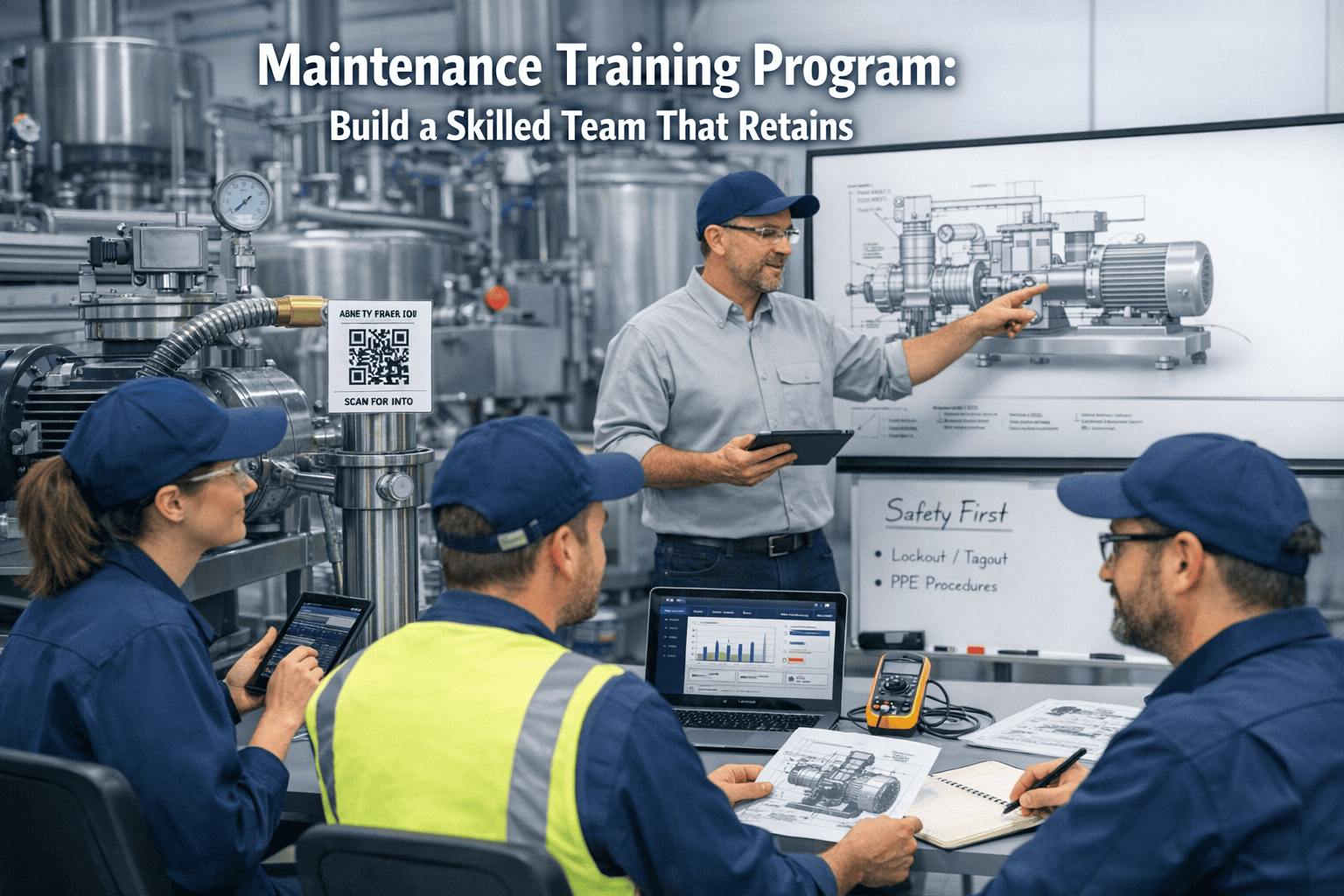
Micro-learning breaks complex maintenance procedures into digestible, focused modules typically lasting 3-7 minutes each. Instead of overwhelming technicians with comprehensive training programs, these platforms deliver specific knowledge precisely when and where it's needed. This approach aligns perfectly with the reality of maintenance work, where technicians often need quick answers to specific problems without leaving the shop floor.
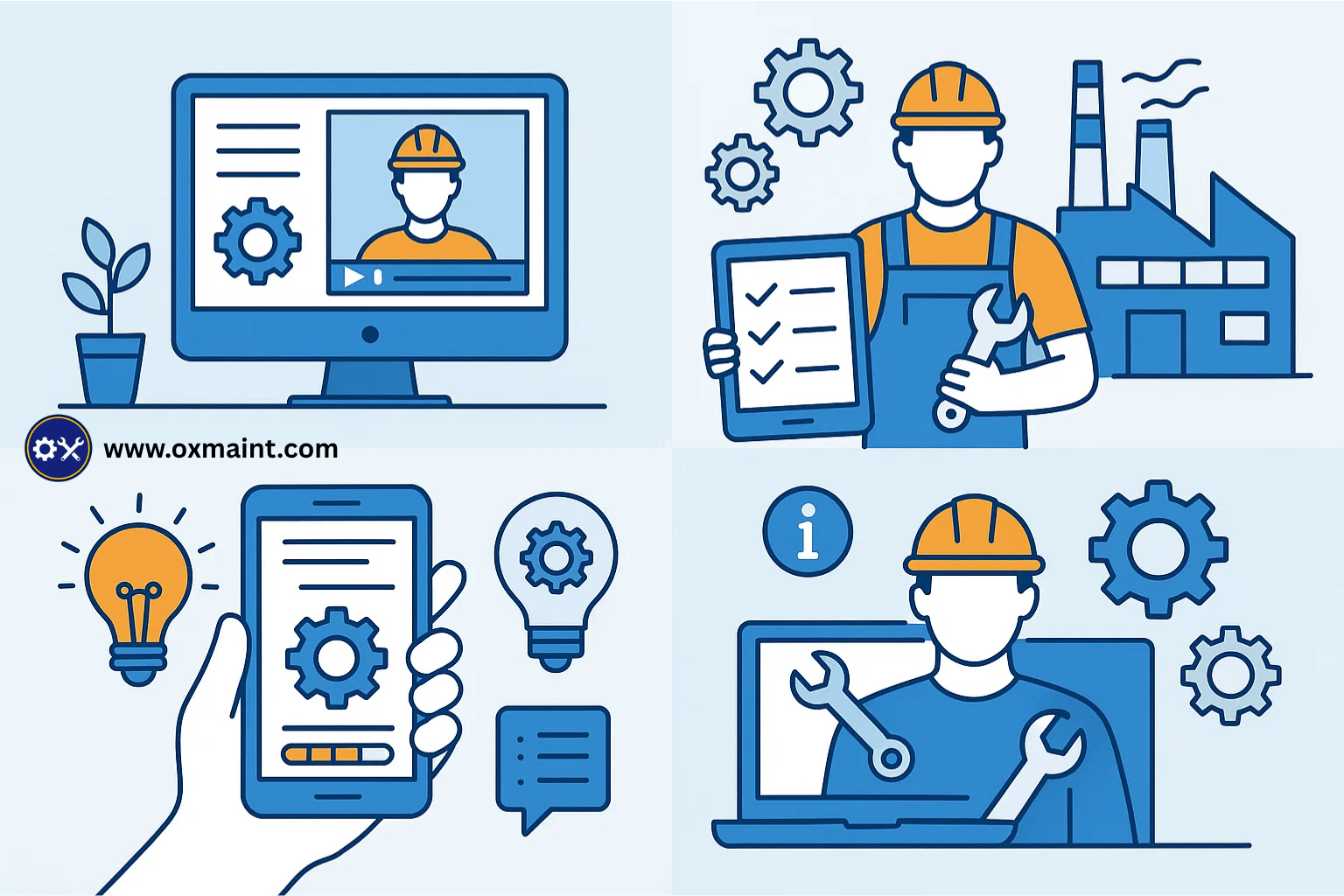
The effectiveness lies in cognitive science principles. Manufacturing maintenance involves procedural knowledge that benefits from spaced repetition and contextual learning. Micro-learning platforms leverage these principles by delivering content in formats that match how maintenance professionals actually work: quick video demonstrations, interactive checklists, augmented reality overlays, and step-by-step visual guides.
Measurable Benefits for Manufacturing Operations
The impact of micro-learning platforms extends far beyond individual skill development. Manufacturing facilities implementing these systems report significant improvements in key operational metrics. Maintenance-related downtime decreases as technicians can quickly access troubleshooting guidance without searching through lengthy documentation or waiting for senior staff assistance.
Equipment reliability improves through consistent application of proper maintenance procedures. When technicians have instant access to standardized protocols, the variability in maintenance quality decreases substantially. This consistency translates directly to reduced unexpected failures and extended equipment lifecycles.
Training costs decrease while training effectiveness increases. Traditional training often requires pulling multiple technicians off the floor simultaneously, creating scheduling challenges and productivity gaps. Micro-learning allows for individualized training schedules that adapt to operational demands and personal learning paces.
Implementation Strategies That Work
Successful micro-learning implementation requires strategic planning that considers both technical infrastructure and cultural factors. Start by identifying the most critical maintenance procedures that currently cause delays or errors. These high-impact areas provide the best return on initial investment and demonstrate clear value to skeptical team members.
Content curation matters significantly. The most effective platforms combine manufacturer-provided technical content with facility-specific procedures and lessons learned from internal maintenance experiences. This hybrid approach ensures that training addresses both universal best practices and unique operational requirements.
Integration with existing maintenance management systems streamlines adoption. When micro-learning modules link directly to work orders, technicians can access relevant training content without switching between multiple applications. This seamless integration reduces friction and increases utilization rates.
Progressive rollout strategies typically yield better results than facility-wide launches. Begin with a pilot group of early adopters, gather feedback, refine content and processes, then expand gradually. This approach allows for continuous improvement while building internal champions who can support broader adoption.
Essential Platform Features for Manufacturing Environments
Manufacturing maintenance micro-learning platforms must be built for industrial environments. Offline capability is non-negotiable, as network connectivity can be unreliable in production areas. Look for platforms that synchronize content when connectivity is available and function fully when offline.
Multi-media content support accommodates different learning preferences and maintenance scenarios. Video demonstrations work well for complex procedures, while interactive checklists excel for routine inspections. Augmented reality features can overlay digital instructions onto physical equipment, bridging the gap between theoretical knowledge and practical application.
Progress tracking and competency validation provide crucial oversight capabilities. Maintenance managers need visibility into which technicians have completed required training and demonstrated competency in critical procedures. Automated reporting reduces administrative burden while ensuring compliance with training requirements.
Content authoring tools enable internal subject matter experts to create and update training modules. Equipment-specific procedures often require customization that only internal experts can provide effectively. Platforms with intuitive authoring capabilities allow maintenance teams to continuously improve and expand their training libraries.
Measuring Success and ROI
Quantifying the impact of micro-learning platforms requires establishing baseline metrics before implementation. Key performance indicators include mean time to repair (MTTR), maintenance-related downtime percentages, training hours per technician, and safety incident rates related to maintenance activities.
Leading manufacturers report MTTR reductions of 15-25% within six months of micro-learning platform deployment. These improvements result from faster problem diagnosis, reduced time searching for information, and more consistent application of optimal repair procedures.
Training efficiency gains are often dramatic. Traditional maintenance training might require 40-60 hours annually per technician, while micro-learning approaches can deliver equivalent or superior outcomes with 15-25 hours of focused, targeted content. This time savings allows for more comprehensive skill development within existing training budgets.
Long-term benefits include improved employee retention and enhanced capability to handle equipment upgrades. Technicians who have access to continuous, convenient learning opportunities report higher job satisfaction and feel more prepared for career advancement. This retention improvement reduces recruitment and training costs for new hires.
Conclusion
Micro-learning platforms represent a fundamental shift in how manufacturing facilities approach maintenance skill development. By delivering targeted, accessible training that integrates seamlessly with daily operations, these platforms address the core challenges facing modern maintenance organizations: skills gaps, time constraints, and the need for consistent, high-quality procedures.
The evidence is clear: facilities that embrace micro-learning for maintenance training achieve measurable improvements in equipment reliability, operational efficiency, and workforce capability. As manufacturing becomes increasingly complex and competitive, the question isn't whether to adopt micro-learning—it's how quickly you can implement it effectively.
The path forward involves careful platform selection, strategic implementation planning, and commitment to continuous improvement. Manufacturing leaders who act now will build sustainable competitive advantages through enhanced maintenance capabilities and more skilled, engaged technical teams.