No heavy implementation required | Works across multi-site portfolios | Live in days, not months
90%
Fewer Quality Escapes
With computer vision vs. manual inspection (NVIDIA Manufacturing Report 2024)
50%
Inspection Labor Reduction
Edge AI takes over repetitive visual inspection tasks (McKinsey, 2024)
200ms
Defect Detection Latency
NVIDIA Metropolis edge inference vs. cloud-round-trip seconds
4.8x
Higher Cost of Missed Defects
vs. defects caught at inspection stage (ARC Advisory Group)
What Is It
What Is NVIDIA Metropolis for Industrial Inspection
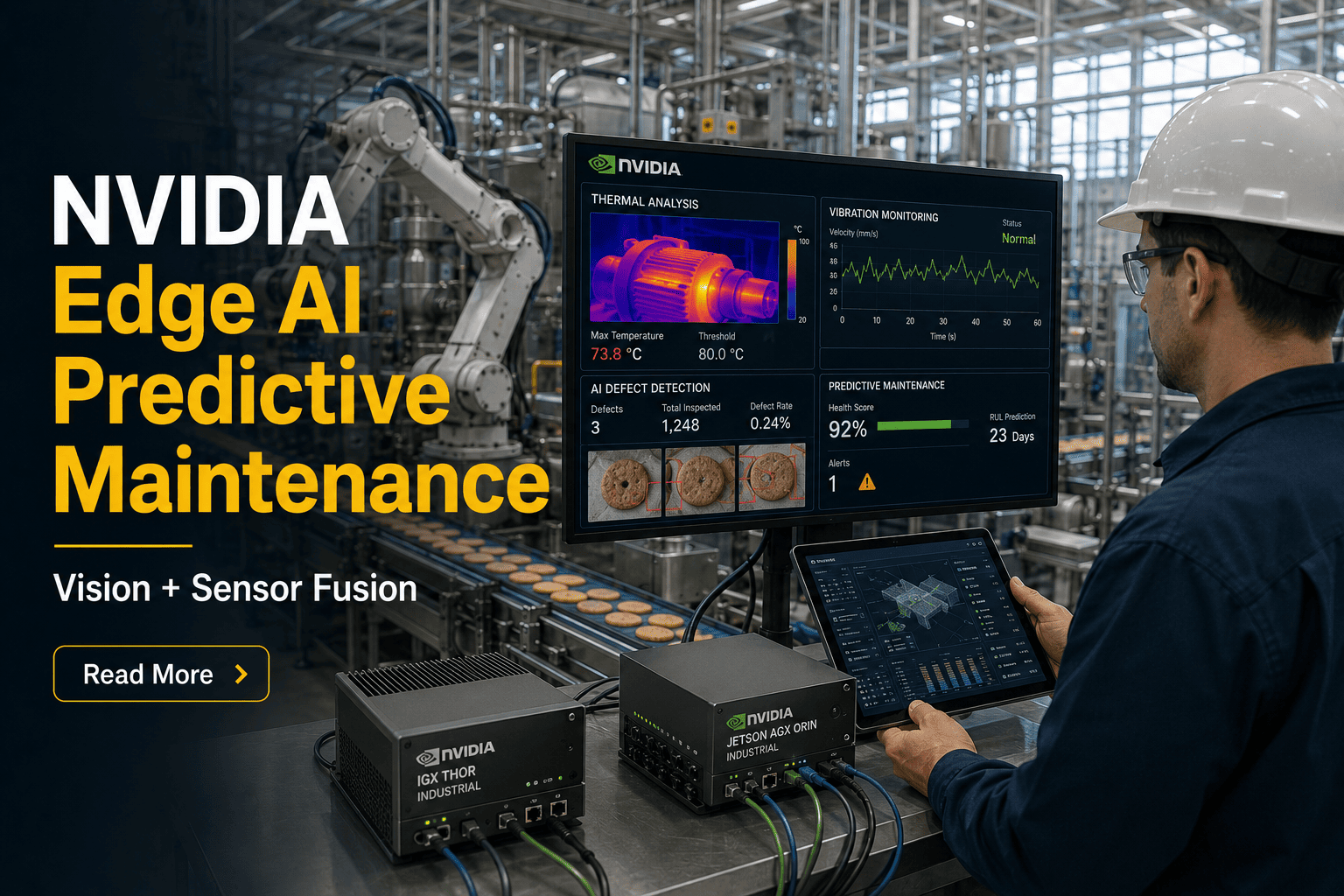
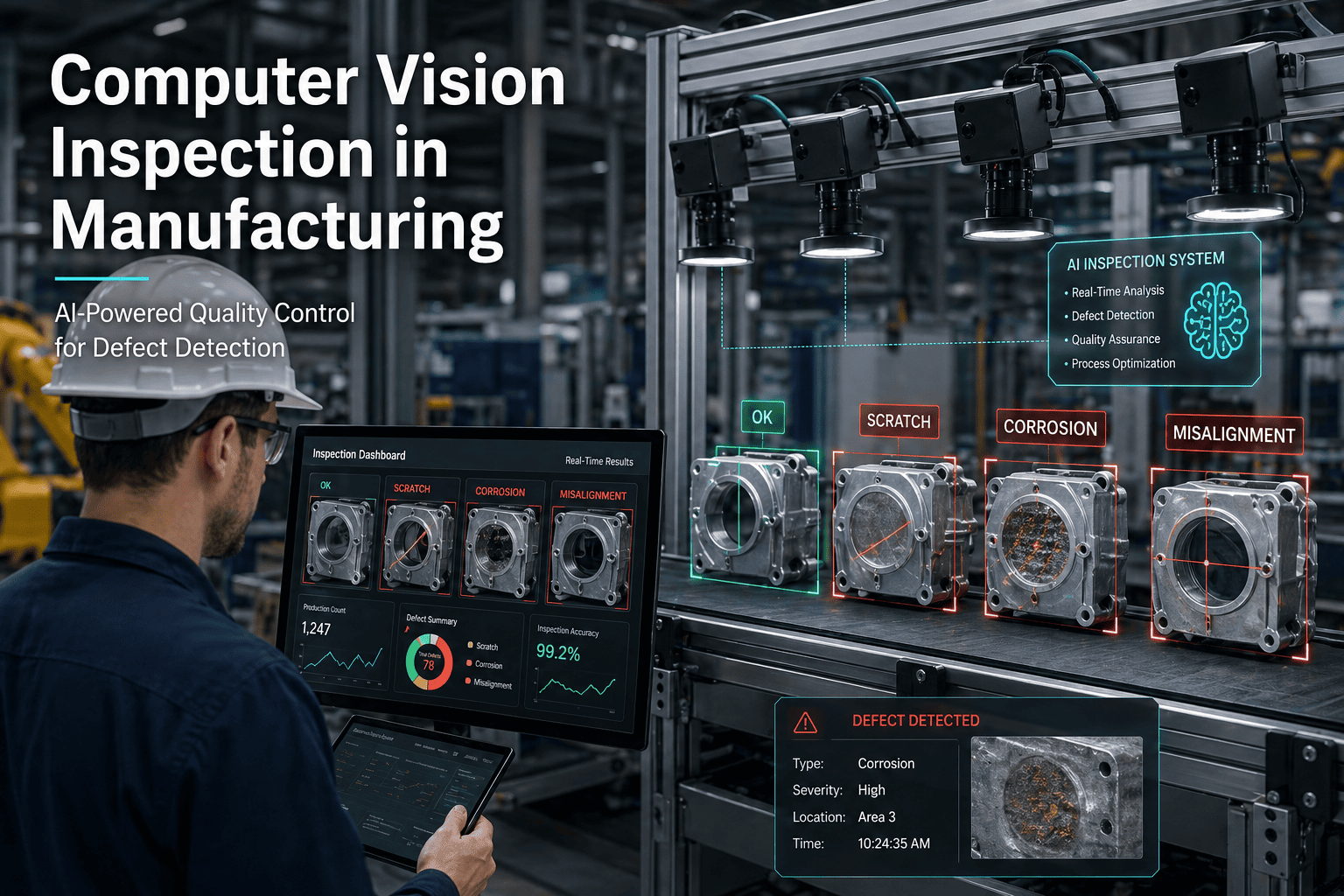
NVIDIA Metropolis is an end-to-end platform for building and deploying visual AI applications at the edge. In an industrial context, it provides the inference infrastructure — Jetson edge devices, TAO Toolkit model training, and DeepStream SDK video analytics — that transforms standard IP cameras into intelligent inspection systems capable of detecting surface defects, equipment anomalies, PPE compliance failures, and structural changes in real time.
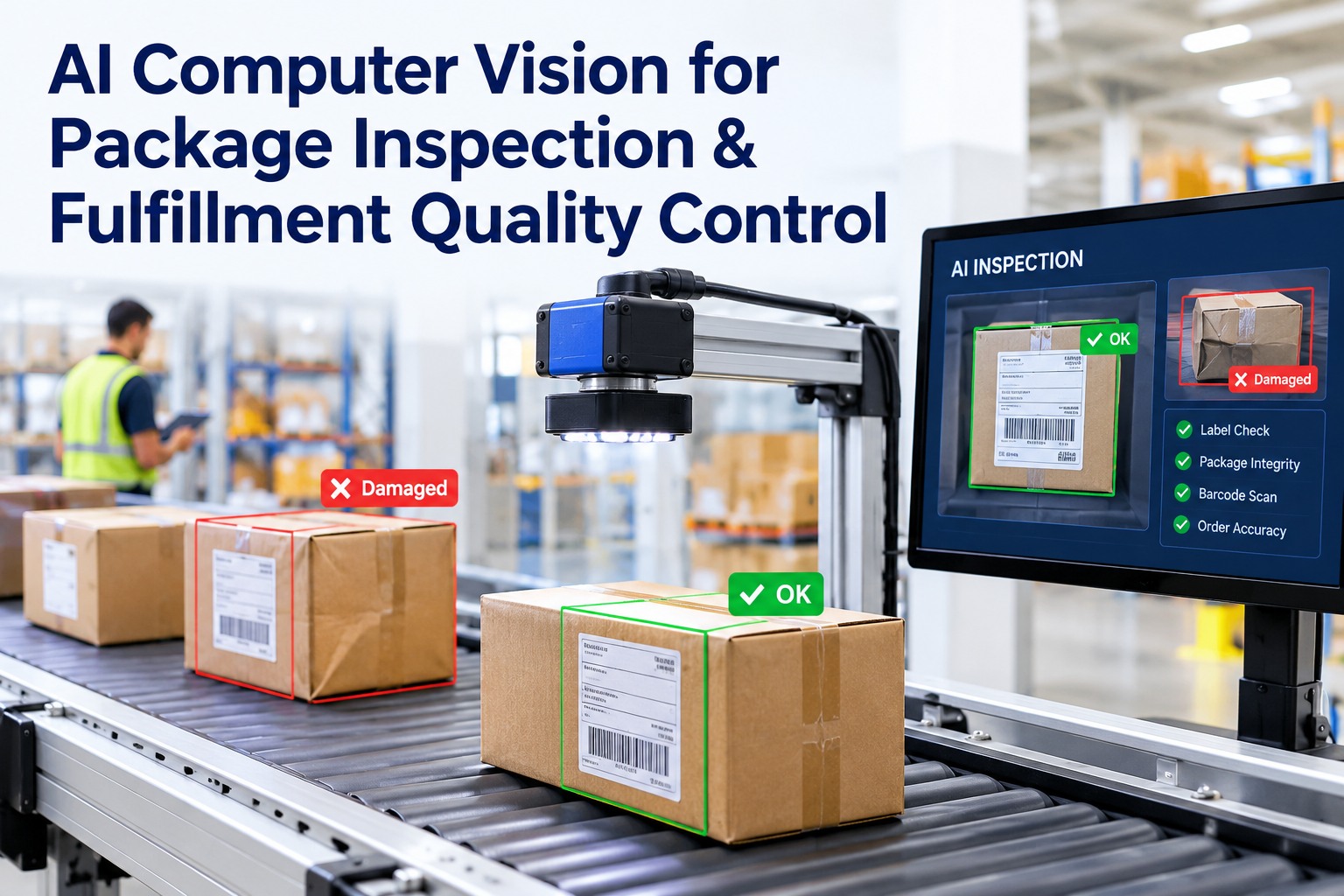
Unlike cloud-based vision AI that requires latency-tolerant conditions, Metropolis runs inference directly on edge hardware installed at the inspection point. A conveyor belt camera running a Metropolis model detects a surface crack at 60 frames per second with under 200ms detection latency — fast enough to trigger a line stop or divert mechanism before the defective part moves downstream.
Industrial IP cameras — fixed, PTZ, or line-scan — positioned at inspection points. Resolution and frame rate matched to defect size and production speed.
2
NVIDIA Jetson Edge Device
Jetson Orin or AGX deployed at the camera location. Runs DeepStream inference pipeline locally — no cloud dependency for real-time decisions.
3
TAO Toolkit Vision Model
Inspection model trained on your defect classes using NVIDIA TAO. Transfer learning from pretrained models means accurate models with 500–2,000 labeled images.
4
Real-Time Anomaly Detection
DeepStream processes video stream at up to 60 fps. Defects, anomalies, and compliance failures detected and classified within 200ms of appearing in frame.
5
OxMaint CMMS Integration
Metropolis findings push to OxMaint via API. Work order auto-created with finding severity, asset ID, image evidence, and suggested corrective action.
6
Knowledge Graph Update
Closed work orders feed the AI failure mode library. Visual defect signatures linked to root causes and corrective actions for future automated matching.
Facilities relying on periodic human inspection miss up to 35% of early-stage defects that are visible in real-time video — defects that cost 4.8x more to fix after they escalate.
Pain Points
Where Manual Industrial Inspection Creates Costly Blind Spots
Human Inspection is Periodic, Not Continuous
Technicians inspect equipment on schedules — hourly, daily, weekly. Defects that develop between rounds go undetected until the next inspection or until failure, whichever comes first.
Inspector Fatigue Causes Escape Rate Creep
Studies show human visual inspection accuracy drops from 85% to below 70% after 20 minutes of continuous inspection. High-speed production lines with thousands of parts per hour exceed human detection capacity.
No Connection to Maintenance System
Even when inspectors find defects, translating paper findings into CMMS work orders takes hours and often loses context. Image evidence, exact location, and severity frequently don't make it into the work order.
Cloud-Only Vision AI Has Latency Problems
Cloud-based vision AI requires network round trips of 1–5 seconds per frame. At production speeds, this latency makes real-time defect rejection or line stops operationally impossible.
No Inspection-to-Asset History
Inspection findings exist in isolation. Without connection to asset history, the same defect type on the same equipment class accumulates no institutional knowledge about what causes it or how long before failure.
PPE and Safety Compliance Gaps
Manual safety audits are point-in-time checks. High-risk zones require continuous PPE compliance monitoring that human supervisors physically cannot provide at scale across a large facility.
How OxMaint Closes the Loop from Visual Finding to Maintenance Action
Instant Work Order Generation
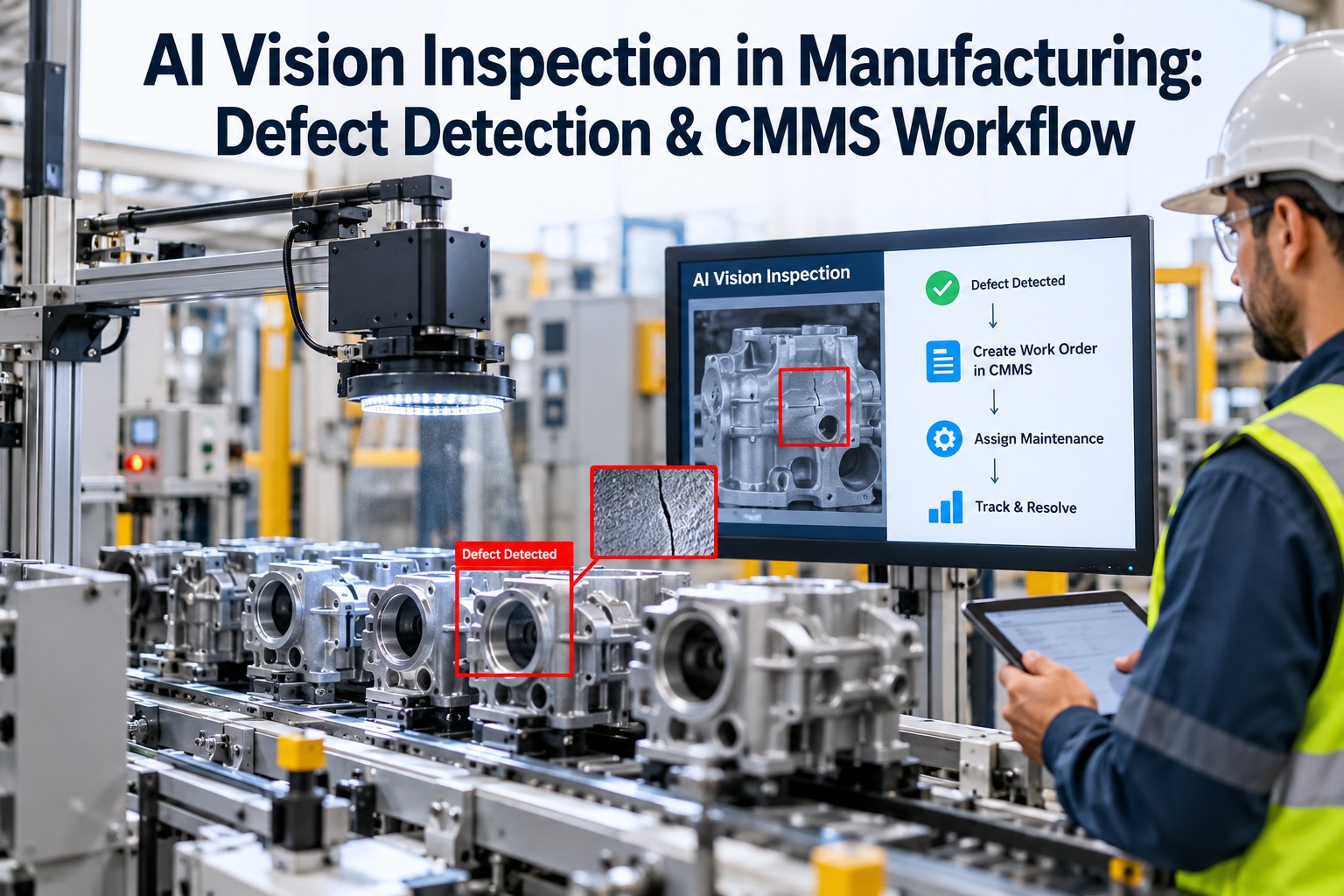
Metropolis detection events push directly to OxMaint. Work orders are auto-created with defect image, asset ID, location, severity classification, and suggested repair action.
Condition Score Auto-Update
Each visual finding updates the affected asset's condition score in real time. Asset health dashboards reflect actual observed condition, not just scheduled inspection results.
Visual Evidence Archive
Every Metropolis finding is stored with the annotated image as permanent evidence attached to the work order and asset history. Full audit trail for regulatory compliance.
Multi-Camera Portfolio View
OxMaint aggregates findings from all Metropolis cameras across all sites into a single portfolio dashboard. Maintenance managers see inspection status and active findings without site visits.
Finding-to-Failure Pattern Learning
Visual defect signatures become inputs to the failure mode knowledge graph. Corrosion patterns on Pump P-107 that preceded bearing failure become alerts on similar pumps across your portfolio.
CapEx Trigger from Inspection Trends
Assets with accelerating defect detection frequency are flagged in the rolling CapEx model. Inspection data directly informs 5-10 year replacement forecasts for investor-grade reporting.
Before vs After
Manual Inspection vs. NVIDIA Metropolis with OxMaint
Capability
Manual Inspection
Metropolis + OxMaint
Inspection Frequency
Scheduled rounds — hourly to weekly
Continuous — 60 fps, 24 hours a day
Defect Detection Rate
65-85% human accuracy, declining with fatigue
95%+ accuracy, consistent across shifts
Detection Latency
Hours to days between inspection rounds
Under 200ms from appearance to alert
Finding to Work Order
Manual entry, 1-4 hours lag, context lost
Automatic, immediate, with image evidence
Network Dependency
N/A — but requires physical presence
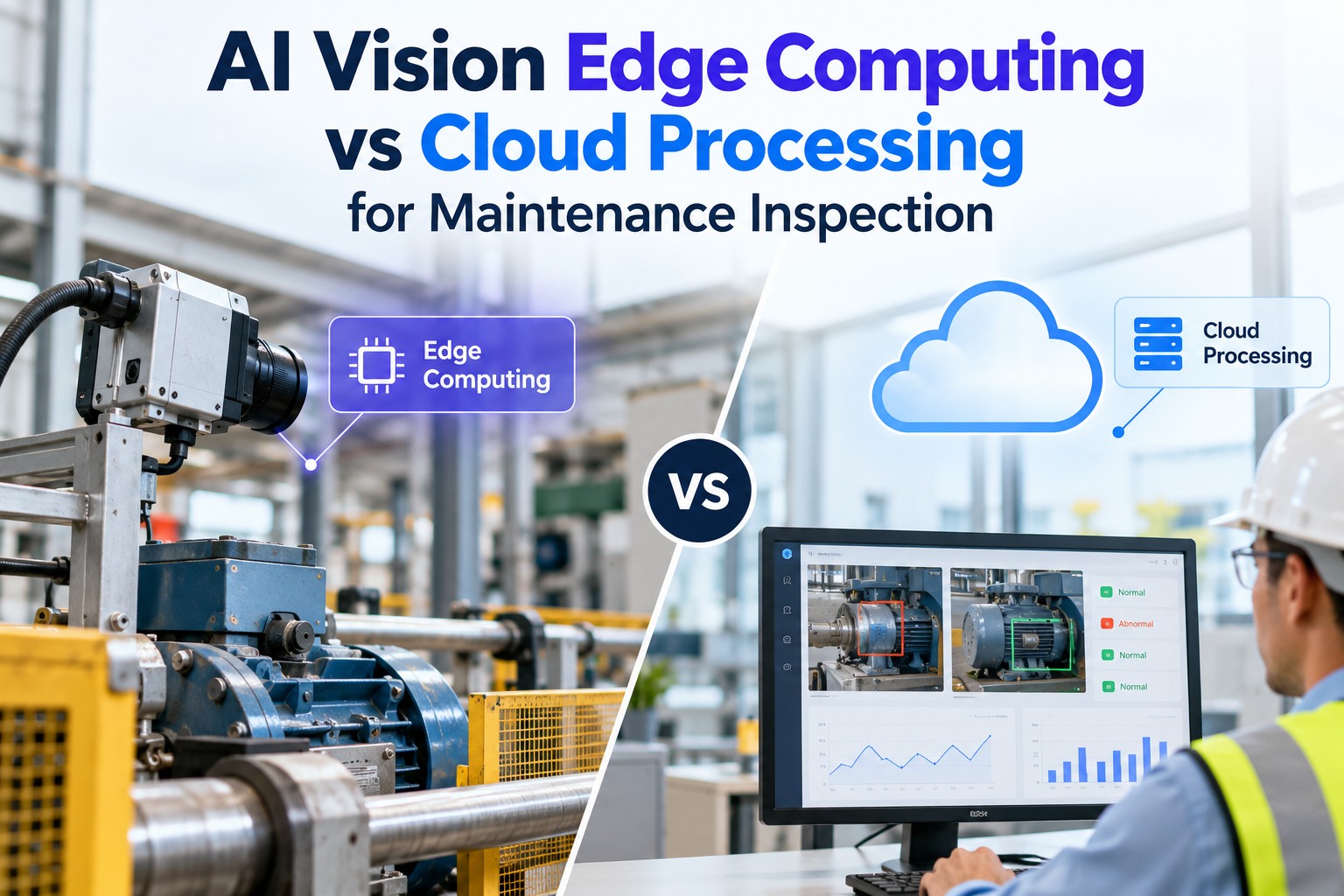
Edge inference — no cloud required for detection
Knowledge Retention
Inspector turnover means knowledge loss
Visual patterns stored in persistent knowledge graph
Multi-Site Scale
Linear cost — more sites means more inspectors
Marginal cost per additional site — same platform
ROI and Results
What Industrial Facilities Achieve with Edge Vision AI
90%
Reduction in Escaped Defects
Computer vision vs. manual inspection across production lines
50%
Lower Inspection Labor Cost
Continuous AI monitoring replaces high-frequency manual rounds
4hrs
Saved Per Defect Event
From auto-generated work orders replacing manual finding documentation
200ms
Detection-to-Alert Latency
Edge inference enables real-time line stops and divert mechanisms
Common Questions About NVIDIA Metropolis Industrial Deployment
How many labeled images does training a Metropolis inspection model require
NVIDIA TAO Toolkit uses transfer learning from pretrained foundation models, reducing the labeled image requirement significantly. Most industrial inspection models achieve production-ready accuracy with 500–2,000 labeled images per defect class, depending on defect variability. OxMaint can connect your Metropolis model training pipeline to your existing work order defect history to accelerate labeling.
Does Metropolis work in environments with variable lighting or occlusion
Yes, with proper model training. Training datasets should include representative samples across your lighting conditions. For harsh environments, structured illumination — backlighting, UV, or IR — combined with Metropolis preprocessing pipelines significantly improves accuracy. TAO's augmentation pipeline can synthetically generate training variations to compensate for limited real-world samples in extreme conditions.
What is the OxMaint integration mechanism with NVIDIA Metropolis
OxMaint exposes a REST API and webhook endpoint that receives Metropolis detection events in JSON format. The integration maps asset IDs to camera zones, classifies finding severity, creates the work order, and attaches the annotated image. Setup typically takes one to two days. DeepStream can be configured to push events on detection, threshold crossing, or periodic summary — your integration profile determines which.
Can this be deployed without connecting to the corporate network
Yes. NVIDIA Jetson devices run inference locally with no cloud requirement for detection. OxMaint synchronizes work orders when connectivity is available, with local queuing during network outages. This architecture works for air-gapped environments, remote facilities, and sites with bandwidth limitations — the edge device never needs real-time cloud access to perform its core inspection function.
Identify Hidden Cost Leaks Instantly
Stop Losing to Defects Your Inspection Program Can't See
OxMaint connects NVIDIA Metropolis visual intelligence directly to your maintenance workflow. Every defect found becomes a work order. Every work order becomes knowledge. Every pattern prevented becomes cost avoided.
Real-time visual defect detection
Auto work orders from AI findings
Portfolio-wide inspection dashboard
Used by operations teams managing 10,000+ assets | See measurable results in 30 days | Limited onboarding slots this quarter