Predictive maintenance sounds like an AI problem. In biomedical engineering it is a data problem first. A model can only warn you that a ventilator, infusion pump or MRI is drifting toward failure if it has clean service history, usage counts, calibration results and failure records to learn from. A 500-bed hospital can run 15,000 to 20,000 connected devices, so guessing from memory or spreadsheets stops working fast. This guide lists the data you actually need, how good it must be, and how to start with what you already have. OxMaint AI captures that data as your team works, from QR-scanned work orders to digital inspections and sensor feeds, so your predictive program builds itself from daily maintenance.
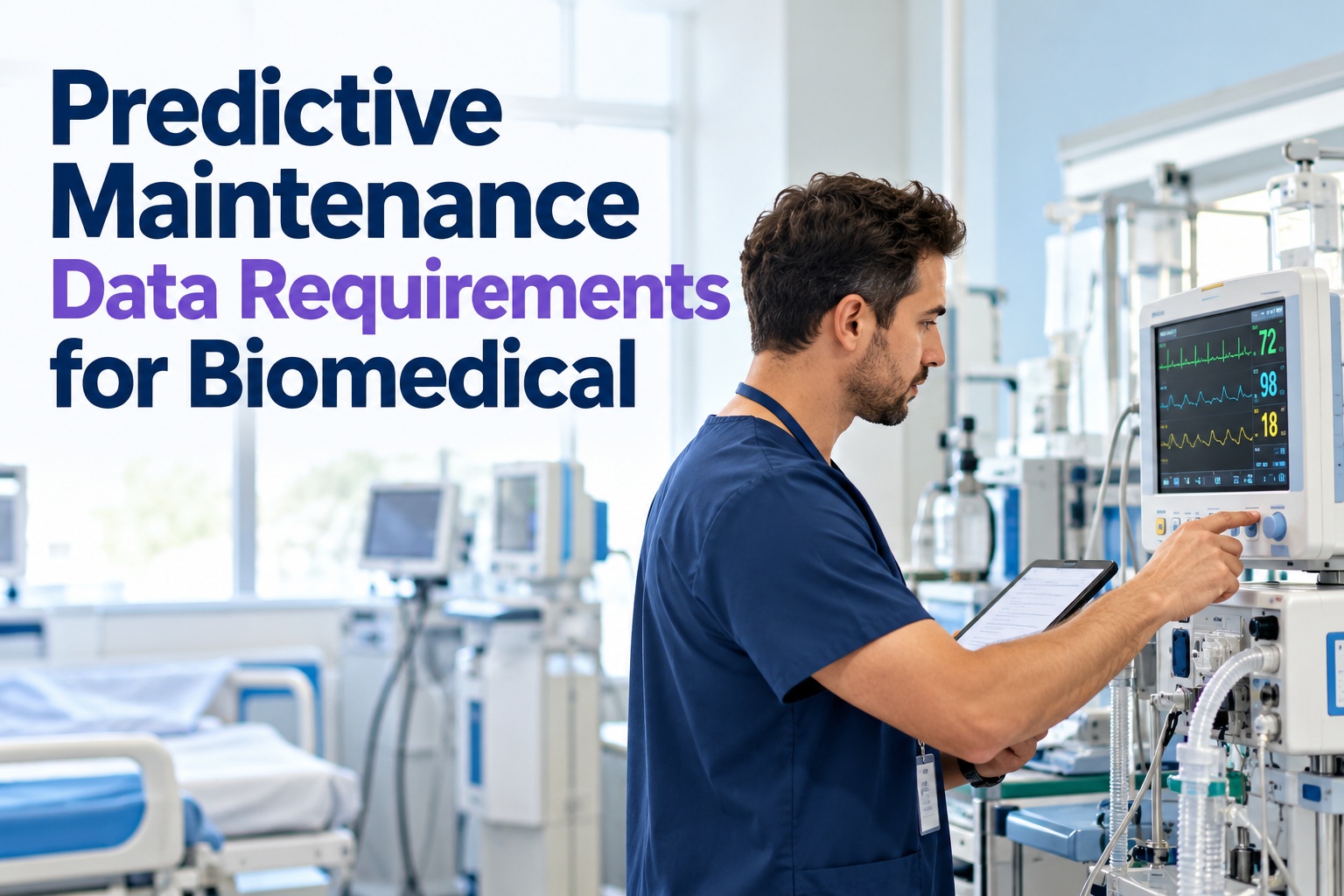
Predictive Maintenance Data Requirements for Biomedical Teams
Scattered service notes and missing repair history leave AI with nothing reliable to learn from.
OxMaint AI CMMS connects the whole workflow in one platform, so every request and inspection becomes clean equipment data that preventive and predictive maintenance can use.
The result: better asset visibility, with every device's history, work orders and health score in one record.
The 5 Layers of Data a Prediction Is Built On
Think of it as a stack. Each layer needs the one beneath it, so build from the bottom up. Start free and capture layers 1 to 3 from day one.
What to Capture for Each Device Type
Different equipment fails in different ways, so the useful signals differ. These are practical starting points, not a limit. Book a demo to see inspection checklists adapt to each device type.
| Equipment | Key data to capture | Typical early warning |
|---|---|---|
| Infusion pumps | Occlusion alarms, flow accuracy tests, battery cycles | Rising alarm rate, accuracy drift |
| Ventilators | Run hours, sensor calibration, filter and valve changes | Calibration drift, hours near service limit |
| Imaging (CT, MRI, X-ray) | Tube exposure count, error logs, cooling and helium status | Tube wear curve, repeating error codes |
| Patient monitors | Leakage current tests, cable and sensor replacements | Failing accessories, test values trending up |
| Defibrillators | Battery capacity, self-test results, energy delivery checks | Battery decline, failed self-tests |
| Sterilizers & lab analyzers | Cycle logs, temperature and pressure, QC and calibration results | Cycle deviations, QC drift |
Bad Data Makes AI Confidently Wrong
Duplicate assets, free-text fault notes and missing dates lead to false alarms your team learns to ignore. OxMaint AI ties every repair to a single asset record with labor, parts, photos and status, so each job adds usable data instead of noise.
Data Quality: The 5 Rules That Matter
You do not need perfect data to begin. You need data that is consistent. Start free and enforce these rules automatically.
One record per device. No duplicates.
Dates, readings and parts filled in.
Same fault codes and categories every time.
Logged at the job, not days later.
Who, when and against which standard.
Are You Ready? A 6-Point Check
Tick what is true today. Four or more means you can pilot predictive maintenance now. Book a demo and we will score your data with you.
From Data to First Prediction in 4 Steps
Build one asset record per device and print QR labels.
Set PM schedules and digital inspection checklists.
Log work orders, inspections and sensor data in one place.
AI flags drifting devices and raises work orders early.
Start with your top 20 high-risk devices, prove the value, then expand. Start free and pilot your first device group.
How OxMaint AI Supplies This Data for You
You do not need a separate data project. Each OxMaint AI module fills one layer of the stack above. Start free and switch on the first three.
One record per device with location, serial, warranty and AI health score. Scan its QR code to see full history in seconds.
Automated PM schedules and digital checklists with photo capture. A failed item creates a corrective work order automatically.
Every repair keeps labor, parts, photos and status linked, so repeat failures are easy to spot.
Track consumables and spares per device, with reorder alerts so a predicted fix is never waiting on a part.
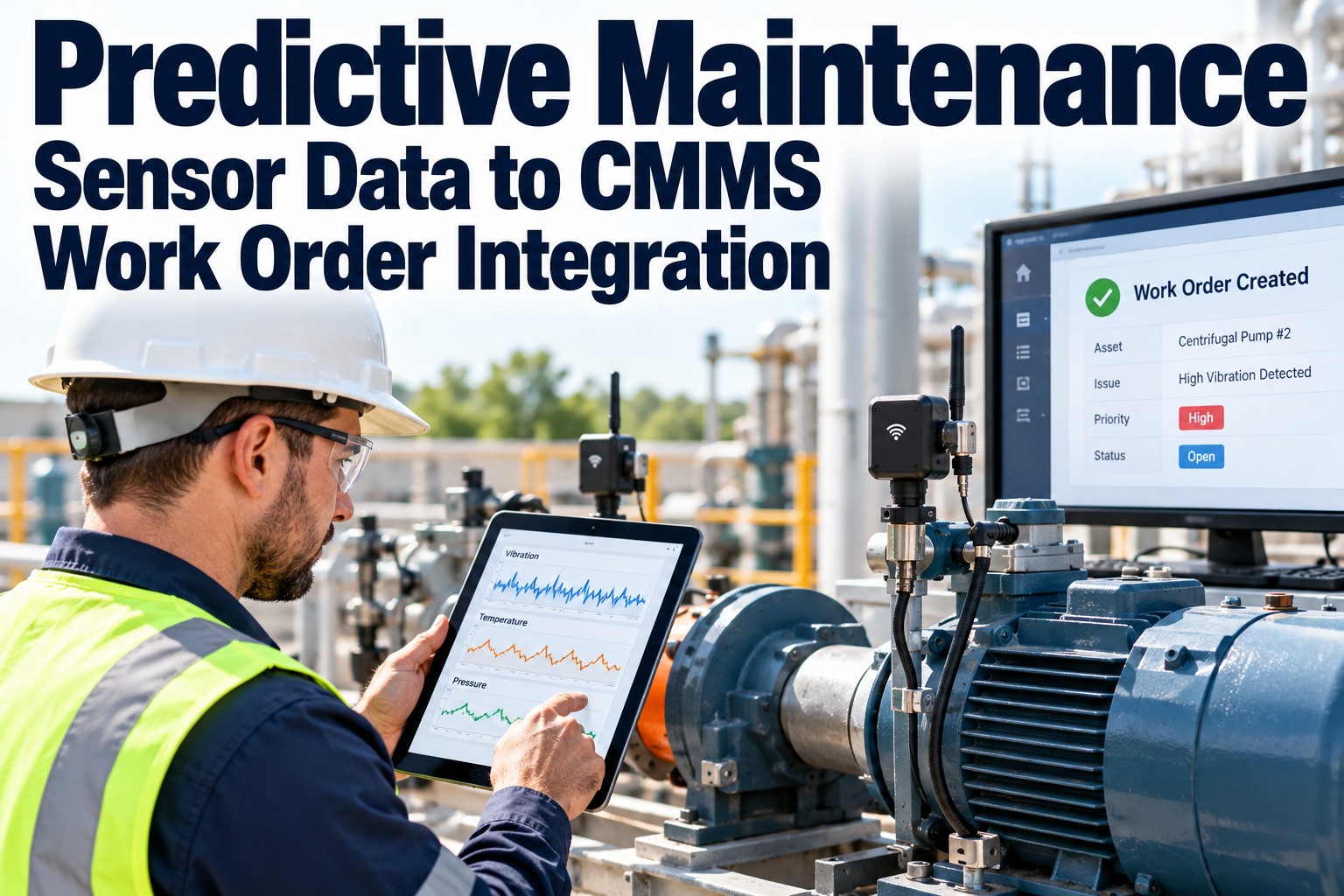
Connect sensors, PLCs and machine feeds. AI reviews temperature, vibration, runtime and history, then recommends service intervals.
Ask in plain English which assets need attention this week, and get dashboards and reports without building them.
Frequently Asked Questions
Turn Your Maintenance Records into Predictions.
Every work order and inspection your team closes is future prediction data. OxMaint AI structures it, tracks it, analyzes sensor and runtime trends, and raises proactive work orders for devices heading toward failure, so your biomedical team fixes problems before patients feel them.