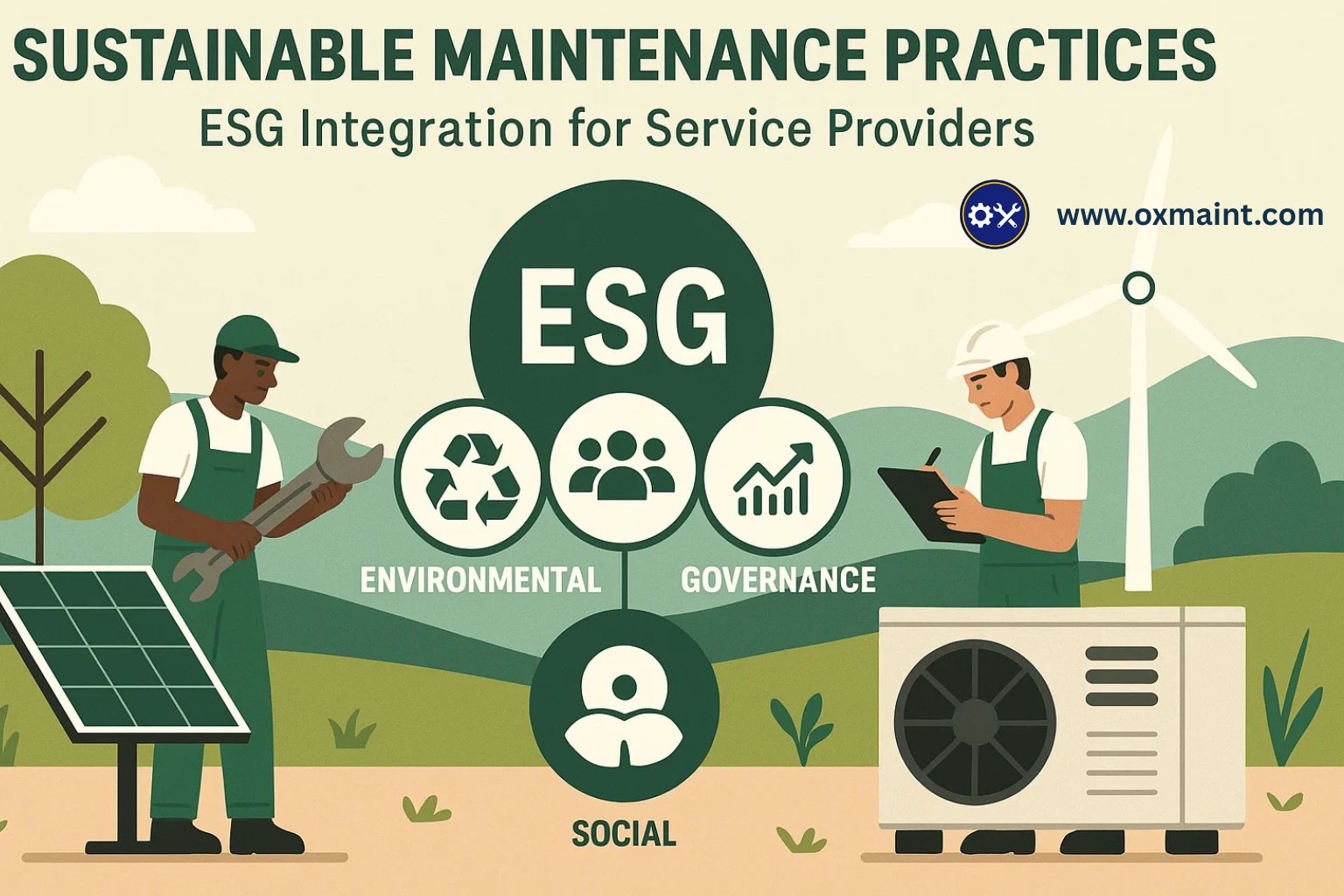
The manufacturing landscape is rapidly evolving, and Environmental, Social, and Governance (ESG) considerations are no longer optional—they're essential for long-term business success. For service providers in the manufacturing sector, integrating sustainable maintenance practices isn't just about compliance; it's about creating competitive advantages, reducing operational costs, and building resilient operations that can thrive in an increasingly regulated environment.
As manufacturing professionals face mounting pressure from stakeholders, regulators, and customers to demonstrate environmental responsibility, the maintenance function presents a unique opportunity to drive meaningful ESG outcomes. Smart maintenance strategies can significantly reduce energy consumption, minimize waste, extend asset lifecycles, and improve workplace safety—all while maintaining peak operational performance.
The Business Case for ESG-Driven Maintenance
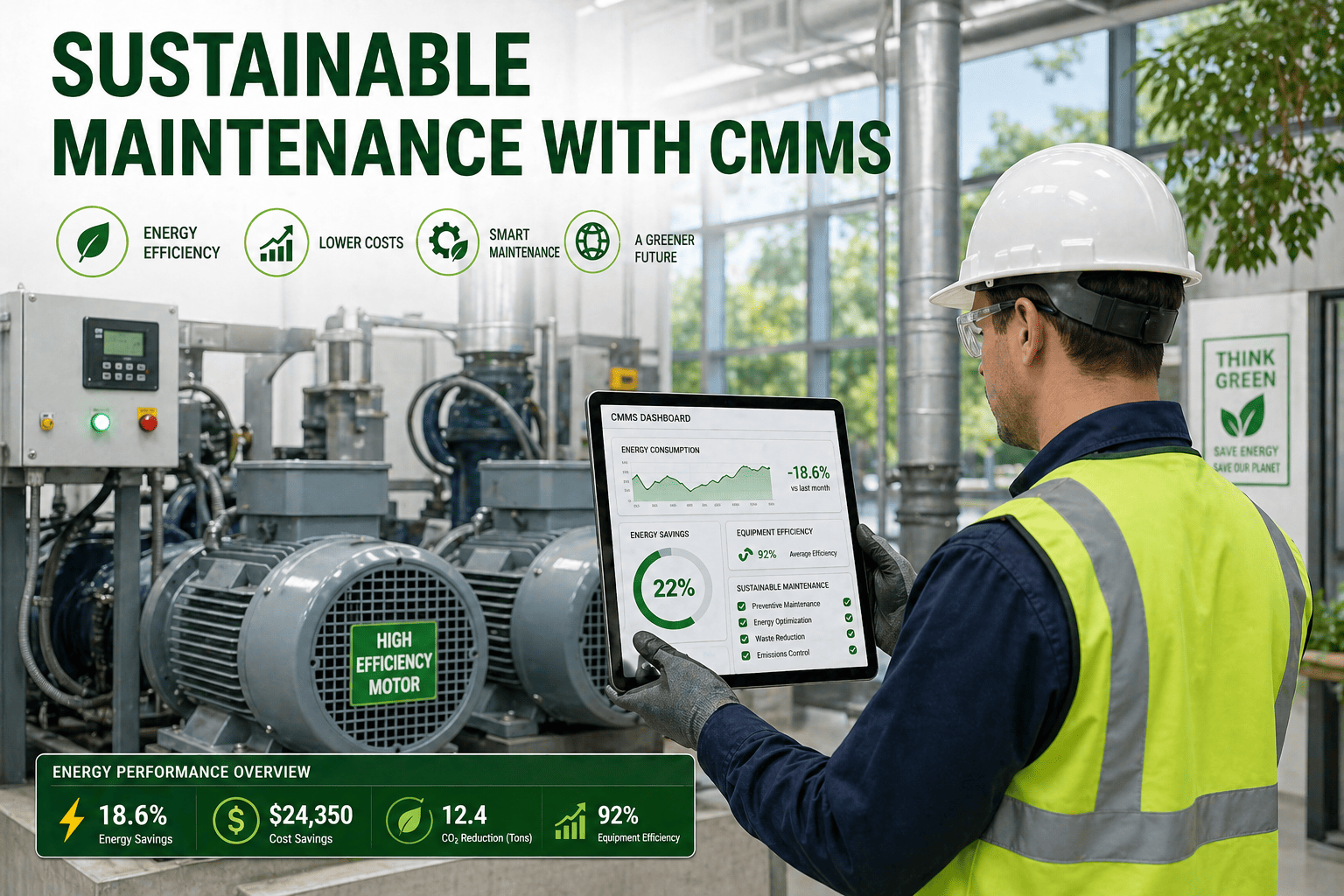
ESG integration in maintenance operations delivers tangible business benefits that extend far beyond regulatory compliance. Companies implementing sustainable maintenance practices report average cost reductions of 15-25% while simultaneously improving their environmental footprint and operational reliability.
Key Benefits Include: Reduced energy consumption through optimized equipment performance, decreased waste generation and disposal costs, extended asset lifecycles reducing capital expenditure, improved regulatory compliance and risk mitigation, and enhanced brand reputation and stakeholder confidence.
The financial impact becomes even more compelling when considering the growing importance of ESG ratings in securing financing, attracting top talent, and winning contracts with environmentally conscious customers. Manufacturing service providers who proactively adopt sustainable maintenance practices position themselves as preferred partners in an increasingly ESG-focused marketplace.
Environmental Sustainability Through Predictive Maintenance
Predictive maintenance represents the cornerstone of environmental sustainability in manufacturing operations. By leveraging IoT sensors, machine learning algorithms, and advanced analytics, service providers can optimize maintenance schedules to minimize environmental impact while maximizing equipment efficiency.
Energy Efficiency Optimization
Well-maintained equipment operates at peak efficiency, consuming significantly less energy than poorly maintained alternatives. Predictive maintenance systems can identify efficiency degradation before it becomes severe, enabling targeted interventions that restore optimal performance. This approach typically reduces energy consumption by 10-20% compared to reactive maintenance strategies.
Waste Reduction Strategies
Traditional maintenance practices often generate substantial waste through premature part replacements, excessive lubricant usage, and disposal of functional components. Condition-based maintenance eliminates unnecessary interventions, reducing waste generation by up to 30% while extending the useful life of consumable materials and components.
Pro Tip: Implement oil analysis programs to extend lubricant lifecycles by 40-60%, significantly reducing both costs and environmental impact from disposal and replacement.
Social Responsibility in Maintenance Operations
The social dimension of ESG encompasses worker safety, community impact, and stakeholder relationships. Sustainable maintenance practices directly contribute to these areas by creating safer work environments, reducing community environmental exposure, and building stronger relationships with all stakeholders.
Enhanced Worker Safety
Predictive maintenance significantly improves workplace safety by preventing catastrophic equipment failures that can endanger workers. By identifying potential hazards before they manifest, maintenance teams can address issues during planned downtime using proper safety protocols. This proactive approach reduces workplace accidents by an average of 35% compared to reactive maintenance strategies.
Community Impact Mitigation
Well-maintained equipment produces fewer emissions, generates less noise pollution, and reduces the risk of environmental incidents that could affect surrounding communities. Service providers implementing comprehensive maintenance programs demonstrate commitment to being responsible corporate neighbors while building positive community relationships.
Governance and Compliance Excellence
Effective governance in maintenance operations requires robust documentation, standardized procedures, and comprehensive performance tracking. These elements are essential for demonstrating ESG compliance and supporting continuous improvement initiatives.
Digital Documentation and Traceability
Modern maintenance management systems provide complete audit trails for all maintenance activities, enabling service providers to demonstrate compliance with environmental regulations, safety standards, and industry best practices. Digital documentation also supports root cause analysis and continuous improvement efforts that drive better ESG outcomes.
Performance Metrics and Reporting
Establishing clear KPIs for ESG performance in maintenance operations enables data-driven decision making and stakeholder reporting. Key metrics include energy consumption per unit of production, waste generation rates, safety incident frequency, and equipment reliability indicators. Regular reporting on these metrics demonstrates commitment to ESG principles and enables continuous improvement.
Technology Integration for Sustainable Maintenance
The integration of advanced technologies is crucial for achieving sustainable maintenance objectives. IoT sensors, artificial intelligence, and cloud-based platforms enable real-time monitoring, predictive analytics, and automated optimization that drive ESG performance improvements.
IoT and Sensor Networks
Internet of Things (IoT) sensors provide continuous monitoring of equipment condition, energy consumption, and environmental parameters. This real-time data enables maintenance teams to optimize performance, reduce waste, and prevent environmental incidents before they occur. The granular visibility provided by IoT networks supports evidence-based decision making that aligns with ESG objectives.
AI-Powered Analytics
Artificial intelligence and machine learning algorithms analyze vast amounts of maintenance data to identify patterns, predict failures, and optimize maintenance schedules. These capabilities enable service providers to minimize resource consumption, reduce waste generation, and maximize equipment lifecycles—all critical components of sustainable maintenance practices.
Building a Sustainable Future Through Smart Maintenance
The integration of ESG principles into maintenance operations represents a fundamental shift from reactive, cost-focused approaches to proactive, value-driven strategies. Manufacturing service providers who embrace sustainable maintenance practices position themselves for long-term success in an increasingly ESG-conscious marketplace.
The path forward requires commitment to continuous improvement, investment in appropriate technologies, and alignment of maintenance strategies with broader ESG objectives. The rewards—reduced costs, improved performance, enhanced reputation, and regulatory compliance—make this transformation not just beneficial, but essential for competitive success.
Don't wait for regulations to force change. Start implementing sustainable maintenance practices today and gain the competitive advantages that come with proactive ESG integration. Your stakeholders, your bottom line, and the environment will all benefit from this forward-thinking approach.


.jpg)

