In today's competitive manufacturing landscape, losing track of tools isn't just inconvenient—it's expensive. The average manufacturing facility loses thousands of dollars annually due to misplaced tools, inefficient inventory management, and production delays caused by equipment searches. Modern tool management technology, specifically RFID and barcode tracking systems, offers a powerful solution that transforms chaotic tool rooms into streamlined, efficient operations.
Whether you're managing a small machine shop or overseeing multiple production facilities, implementing the right tracking technology can dramatically reduce costs, improve productivity, and eliminate the frustration of missing tools. Let's explore how these technologies work and which solution might be perfect for your operation.
Understanding RFID Technology for Tool Management
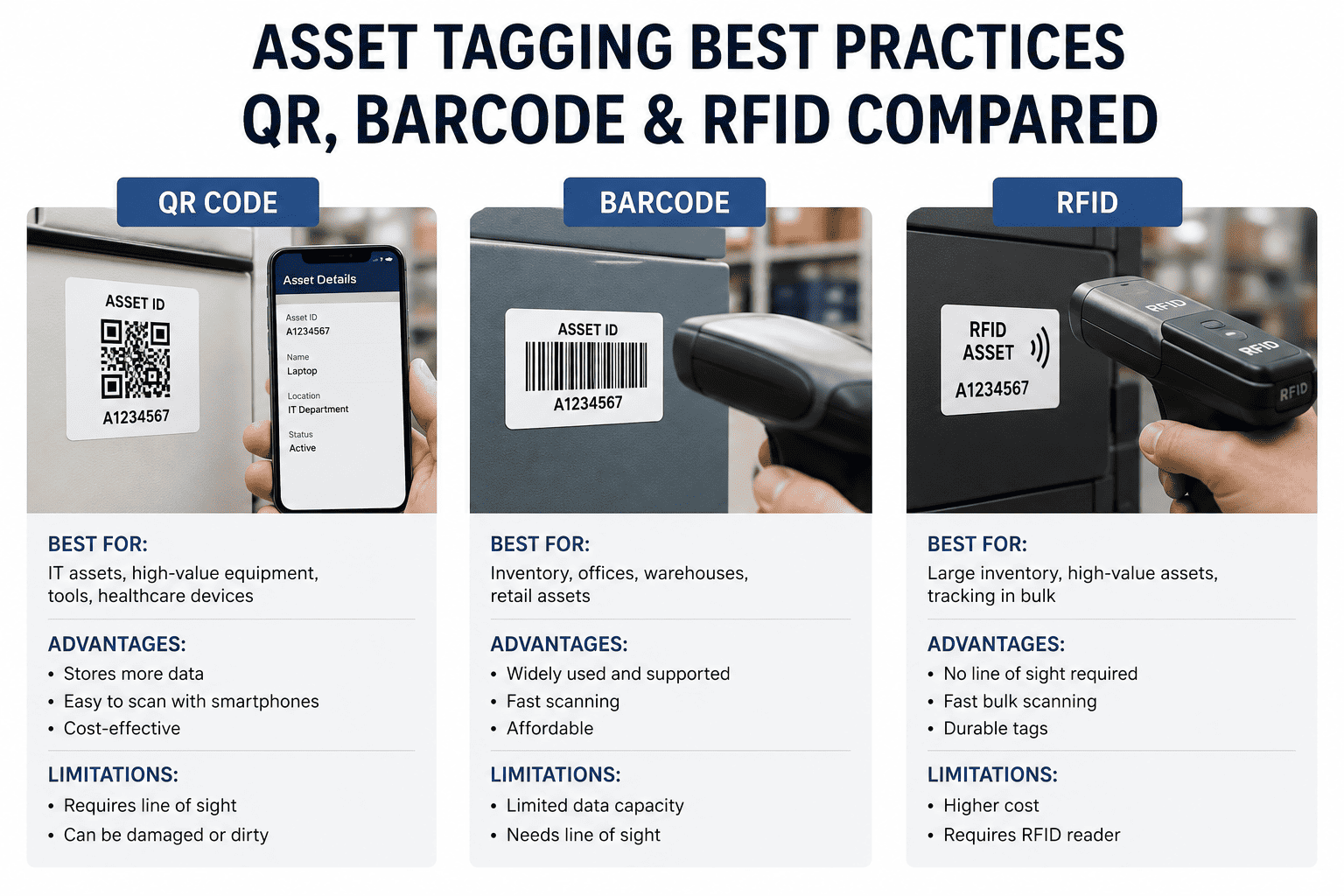
Radio Frequency Identification (RFID) represents the cutting edge of tool tracking technology. Unlike traditional methods, RFID uses electromagnetic fields to automatically identify and track tags attached to tools. Each RFID tag contains electronically stored information that can be read from several feet away without requiring direct line-of-sight scanning.
The technology works through three main components: RFID tags attached to tools, RFID readers stationed throughout your facility, and software that processes and manages the collected data. When a tagged tool comes within range of a reader, the system automatically logs its location, movement, and usage patterns. This creates a real-time picture of your entire tool inventory without manual intervention.
RFID systems excel in environments where speed and automation are priorities. Manufacturing facilities using RFID report up to 95% reduction in tool search time and virtually eliminate inventory shrinkage. The technology also provides valuable analytics, tracking which tools are used most frequently, identifying maintenance schedules, and optimizing tool allocation across different departments.
Barcode Systems: Proven and Cost-Effective
Barcode technology might seem traditional compared to RFID, but modern barcode systems offer sophisticated tracking capabilities at a fraction of the cost. Today's barcode solutions use high-resolution labels that withstand harsh manufacturing environments, coupled with mobile scanning devices that make inventory management more flexible than ever.
The strength of barcode systems lies in their simplicity and reliability. Every tool receives a unique barcode label, and employees use handheld scanners or mobile devices to check tools in and out. Modern barcode systems integrate seamlessly with inventory management software, providing real-time updates on tool locations, usage history, and availability status.
Manufacturing facilities often choose barcode systems for their proven track record and lower implementation costs. While they require more manual interaction than RFID, barcode systems offer excellent accuracy when properly implemented. They're particularly effective in organized tool rooms where employees follow established check-out procedures, and they provide an ideal starting point for facilities new to automated tool management.
Comparing Costs and ROI: Making the Right Investment
The financial decision between RFID and barcode systems often determines implementation success. Barcode systems typically require lower upfront investment, with costs ranging from $2,000 to $15,000 for small to medium facilities. This includes barcode labels, handheld scanners, and basic software licenses. The technology offers quick implementation and immediate returns through reduced tool loss and improved inventory accuracy.
RFID systems require higher initial investment, typically ranging from $15,000 to $100,000 depending on facility size and complexity. However, RFID delivers superior long-term ROI through labor savings and automated processes. Facilities report recovering their RFID investment within 12-18 months through reduced tool replacement costs, decreased labor hours spent searching for tools, and improved production efficiency.
The key to maximizing ROI lies in matching technology to your specific needs. High-volume facilities with frequent tool movement benefit most from RFID automation, while smaller operations or those with organized tool rooms often achieve excellent results with barcode systems. Consider your current tool loss rates, labor costs, and growth projections when making this critical decision.
Implementation Strategies for Maximum Success
Successful tool management implementation requires careful planning and employee buy-in. Start by conducting a comprehensive tool audit to understand your current inventory, identify high-value items, and document existing loss patterns. This baseline data helps justify the investment and provides measurable success metrics.
Employee training is crucial for system adoption. Develop clear procedures for tool check-out and return, and ensure all staff understand the benefits of the new system. Many facilities find success with phased rollouts, starting with high-value tools or specific departments before expanding facility-wide. This approach allows you to refine processes and address challenges before full implementation.
Integration with existing systems enhances value and user adoption. Modern tool management platforms connect with ERP systems, maintenance schedules, and production planning software. This integration provides comprehensive visibility into tool usage patterns, maintenance requirements, and replacement schedules, transforming tool management from a necessary expense into a strategic advantage.
Future-Proofing Your Tool Management Investment
Technology evolution continues accelerating, and smart manufacturers choose systems that adapt and grow. Cloud-based tool management platforms offer automatic updates, remote monitoring capabilities, and integration with emerging technologies like IoT sensors and predictive maintenance systems. These platforms ensure your investment remains current and valuable for years to come.
Consider scalability when selecting your system. Your facility's needs will evolve, and the right platform grows with your operation. Look for solutions that support multiple tracking technologies, allowing you to use barcodes for some tools and RFID for others based on specific requirements. This flexibility maximizes efficiency while controlling costs.
The most successful implementations view tool management technology as part of a broader digital transformation strategy. Modern systems provide data analytics that inform purchasing decisions, optimize tool allocation, and identify process improvements. This strategic approach transforms tool management from cost center to profit driver, delivering value far beyond simple tracking capabilities.
Conclusion: Choosing Your Path Forward
The choice between RFID and barcode tracking systems isn't about finding the "best" technology—it's about finding the right solution for your specific needs, budget, and operational goals. Both technologies offer significant advantages over manual tracking methods, and both can deliver substantial ROI when properly implemented.
Barcode systems provide an excellent entry point for facilities new to automated tool management, offering proven reliability and lower initial costs. RFID systems excel in high-volume environments where automation and labor savings justify the higher investment. Many successful facilities use hybrid approaches, combining both technologies to optimize different aspects of their operations.
The most important step is taking action. Tool loss and inefficient inventory management cost your facility money every day you delay implementation. Start with a clear assessment of your current challenges, define your success metrics, and choose the technology that best addresses your immediate needs while supporting future growth.