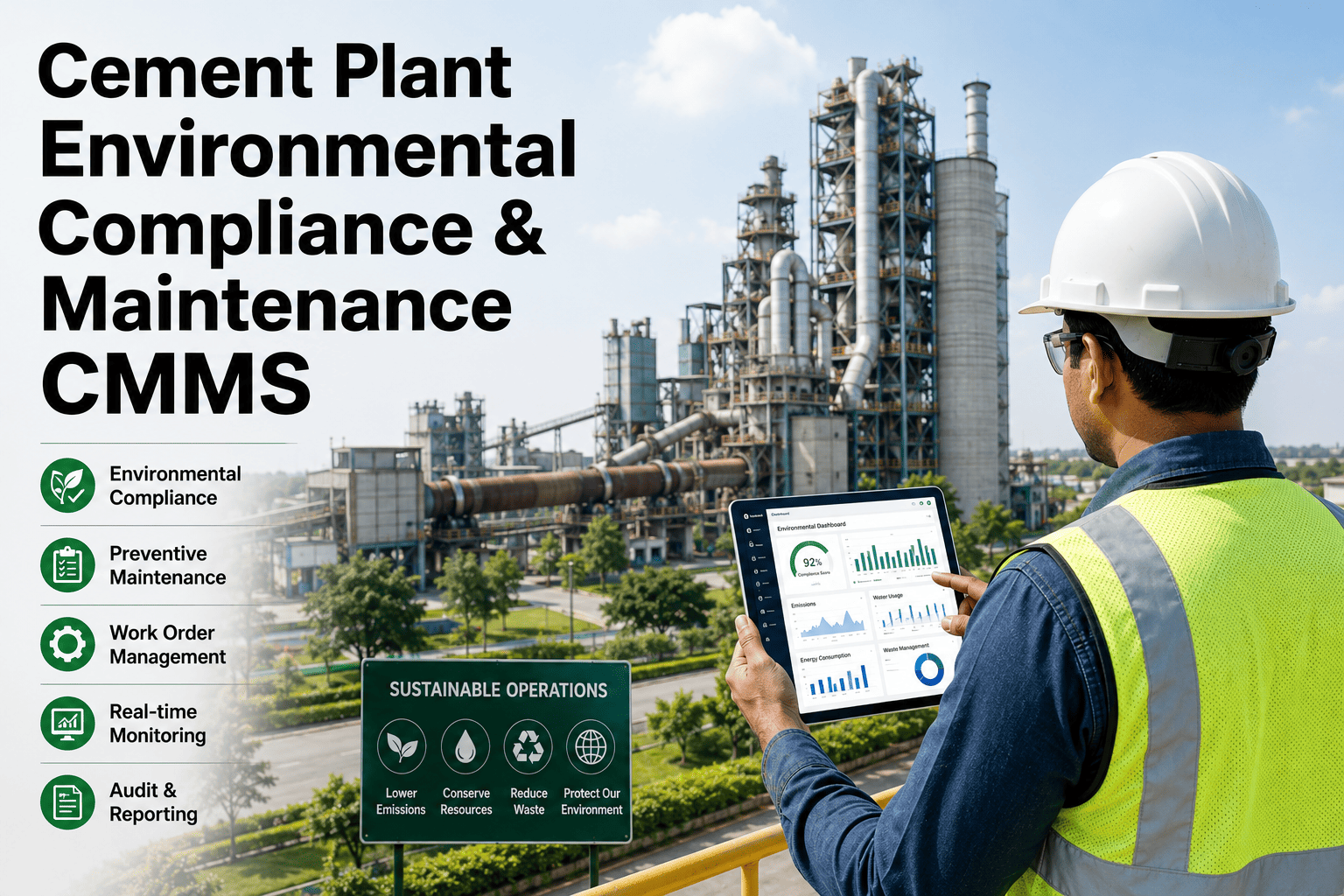
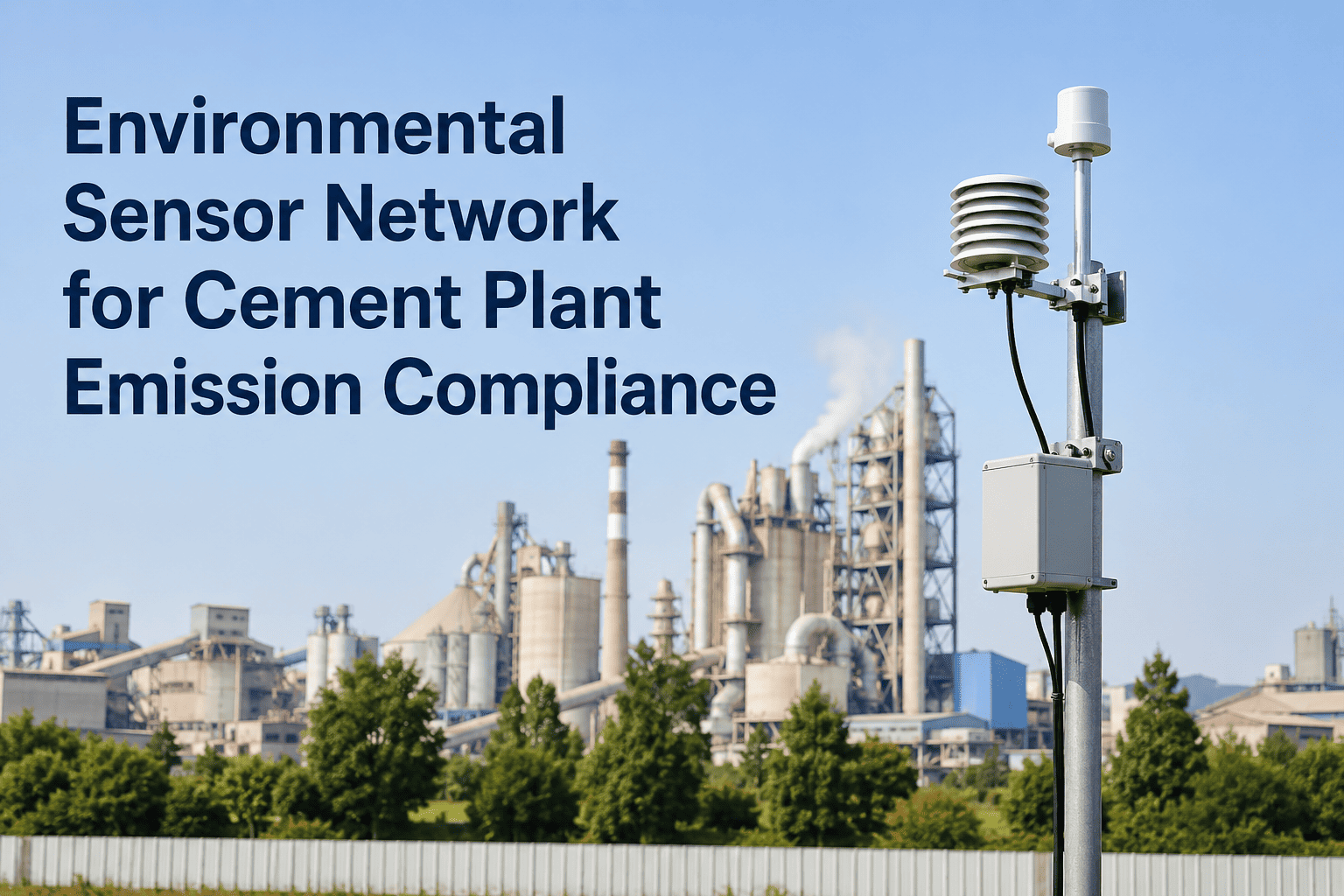
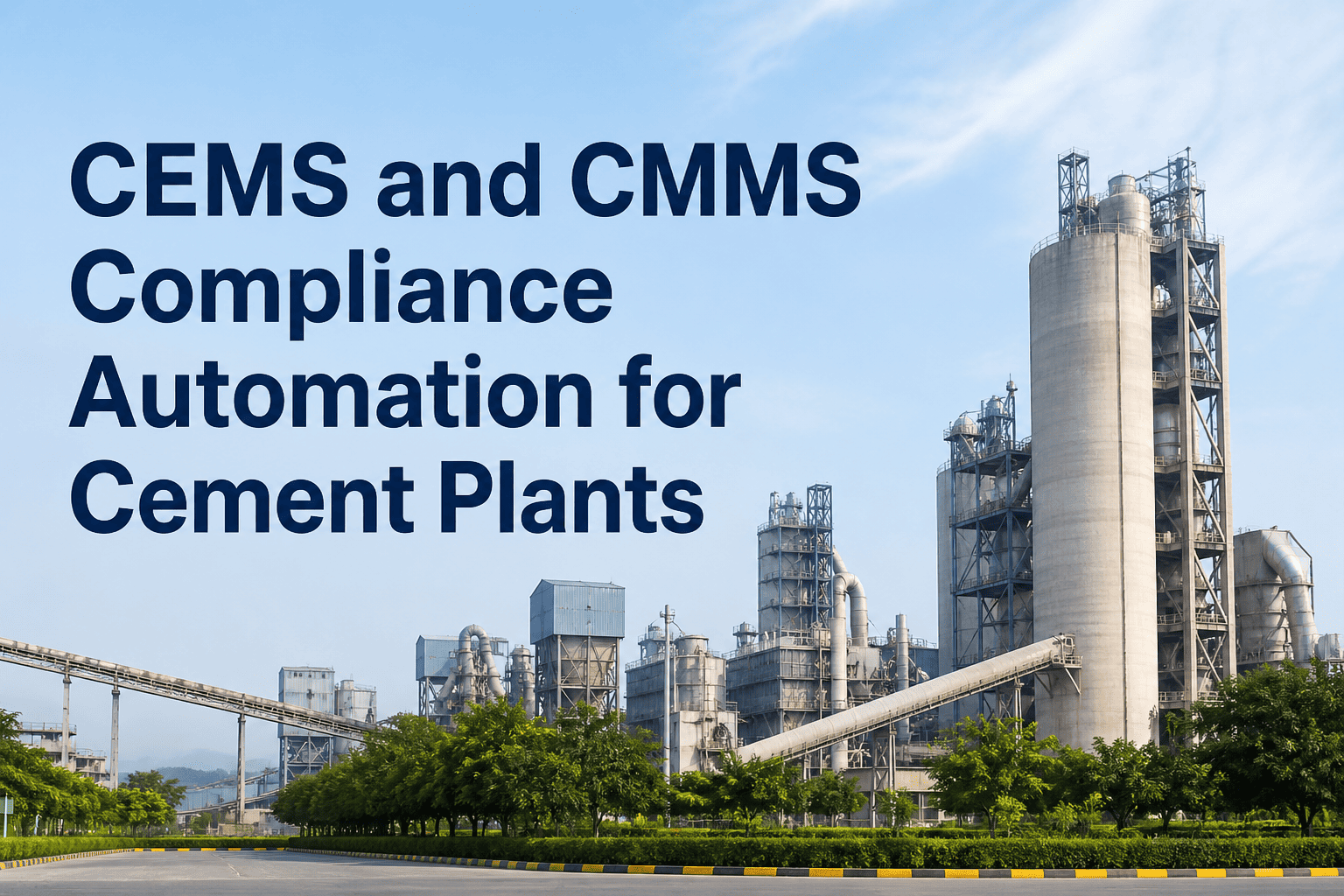
Cement manufacturing contributes approximately 7-8% of global carbon dioxide emissions while releasing nitrogen oxides, sulfur dioxide, particulate matter, and heavy metals that directly impact surrounding communities and ecosystems. A single production line can generate up to 300 tons of cement bypass dust daily, with fine alkaline particles ranging from 1 to 10 microns traveling long distances and penetrating deep into respiratory systems. Recent studies covering over 1,400 cement plants revealed that while 90% met ultra-low emission standards for particulate matter and SO2, only 26.3% achieved compliance for NOx, highlighting critical gaps in current monitoring approaches. The global cement market reaching $384.67 billion in 2024 and projected to hit $471.74 billion by 2032 means environmental monitoring systems must scale with production growth. Continuous emission monitoring has become non-negotiable, with CEMS providing real-time data that prevents regulatory violations costing $25,000 to $50,000 per day. Forward-thinking plants now sign up for integrated monitoring management that connects emission data with maintenance workflows, ensuring pollution control equipment operates at peak efficiency when environmental compliance depends on it.
Primary Emission Sources in Cement Manufacturing
Understanding where emissions originate enables targeted monitoring strategies that maximize compliance while optimizing operational efficiency. The cement production process generates pollutants at every stage, from raw material handling through final grinding. Kilns represent the most significant emission source, where temperatures reaching 1400°C drive calcination reactions that release CO2 from limestone decomposition while combustion of coal, petcoke, or alternative fuels adds NOx and SO2 to the exhaust stream. Preheaters and precalciners contribute additional emissions as raw meal undergoes initial heating before entering the kiln. Clinker coolers release heat and dust as product temperatures drop from 1200°C to handling levels. Plants implementing comprehensive monitoring across all emission points can schedule a consultation to map their specific configuration into an integrated tracking system.
Rotary Kiln Operations
The kiln is the primary emission source, releasing CO2 from limestone calcination (50-60% of total), plus NOx, SO2, and heavy metals from fuel combustion. Temperatures reach 1400°C, making continuous monitoring essential for compliance.
Raw Material Processing
Crushing, grinding, and handling of limestone, clay, and other materials generate large quantities of fugitive dust. PM10 and PM2.5 emissions require baghouse filtration with continuous monitoring to prevent exceedances.
Preheater/Precalciner
Multi-stage cyclone preheaters and precalciners begin calcination before the kiln, releasing additional CO2 and trace pollutants. SO2 emissions often originate from sulfur in raw materials processed here.
Clinker Cooler System
Rapid cooling of clinker from 1200°C releases heat and fine particulate matter. Cooler exhaust requires filtration and monitoring, with captured heat often recovered for preheating incoming air.
Cement Grinding & Storage
Finish mills and cement storage silos generate fugitive dust during grinding and transfer operations. Silo baghouses capture fine cement particles that would otherwise escape during filling and aeration.
Key Pollutants Requiring Continuous Monitoring
Cement plants must monitor a spectrum of pollutants to comply with NESHAP standards and local air quality regulations. Each pollutant presents unique monitoring challenges requiring specific sensor technologies and calibration protocols. NOx emerged as the most challenging pollutant in recent compliance assessments, with only 26.3% of plants meeting ultra-low emission standards compared to 90% compliance for particulate matter and SO2. Mercury monitoring demands particularly sophisticated instrumentation given the extremely low certified measurement range of 0-5 µg/m³ required for compliance. Total hydrocarbons, hydrogen chloride, and dioxins/furans round out the hazardous air pollutant portfolio requiring continuous or periodic measurement depending on regulatory requirements.
Continuous Emission Monitoring System Architecture
Modern CEMS installations utilize multiple sensor technologies working in concert to measure the full spectrum of regulated pollutants. FTIR (Fourier Transform Infrared Spectroscopy) analyzers can simultaneously measure 16 or more gases including H2O, CO2, CO, N2O, NO, NO2, SO2, HCl, HF, NH3, and various hydrocarbons. Dedicated mercury monitors with certified ranges as low as 0-5 µg/m³ ensure compliance with stringent NESHAP requirements. Edge processing capabilities filter noise and perform initial anomaly detection before transmitting data to central control systems. Plants integrating CEMS data with maintenance management achieve 15-20% reductions in monitoring system downtime through predictive maintenance scheduling and automated calibration reminders that teams can explore during a demonstration.
Pollution Control Equipment Monitoring
Effective environmental monitoring extends beyond stack emissions to encompass the pollution control equipment responsible for maintaining compliance. Baghouse differential pressure serves as the primary indicator of filter condition, with normal operating range between 3-5 inches of water column. ESP systems require monitoring of voltage, current, and rapping frequency to ensure optimal particle collection. Deviation from established parameters triggers maintenance actions before emission exceedances occur. Research demonstrates that baghouse collection efficiency declines from 99.998% in early operation to 95.05% by year 15 without proper maintenance intervention. Linking CEMS data with equipment condition monitoring creates a closed-loop system where environmental performance directly informs maintenance priorities, and plants can request a pollution control integration demo to see this workflow in action.
Regulatory Compliance Framework
Cement plants operate under multiple overlapping regulatory frameworks that dictate monitoring requirements, emission limits, and reporting obligations. NESHAP Subpart LLL establishes national emission standards for hazardous air pollutants from Portland cement manufacturing, requiring continuous monitoring of PM, mercury, THC, and HCl with specific performance test protocols. Title V operating permits consolidate all applicable air requirements with annual compliance certifications. The EU Industrial Emissions Directive sets stringent limits for plants acting as co-incineration facilities processing alternative fuels or waste materials. China's ultra-low emission standards represent the most aggressive targets globally, driving 38.2% reductions in particulate matter, 19.1% in SO2, and 31.6% in NOx between 2020 and 2023. Plants can maintain compliance documentation automatically through digital compliance management systems demonstrated in personalized sessions.
Integrate Environmental Monitoring with Maintenance Excellence
Connect CEMS data with pollution control equipment maintenance, automate compliance reporting, and ensure audit-ready documentation across all emission sources with Oxmaint's environmental management capabilities.