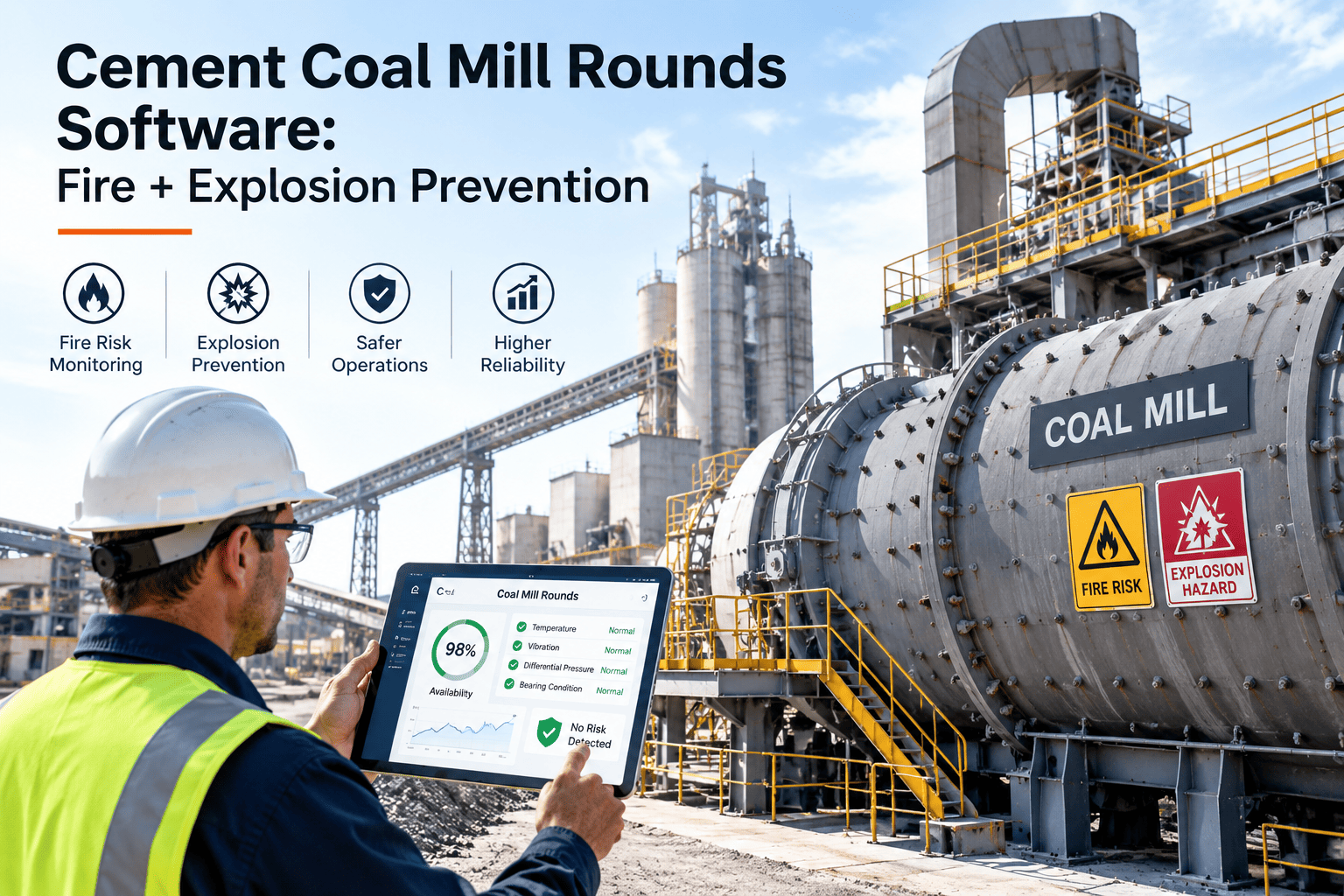
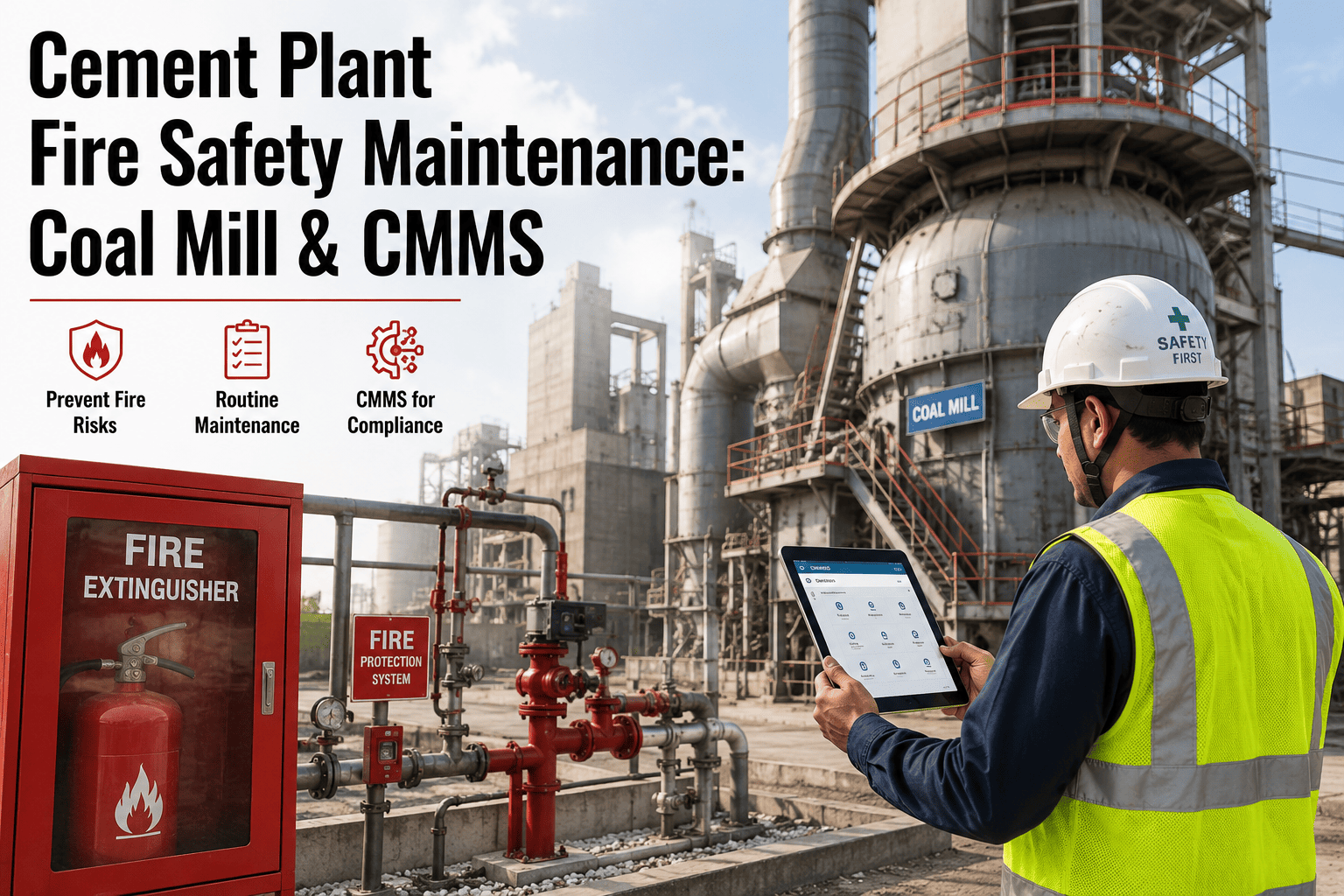
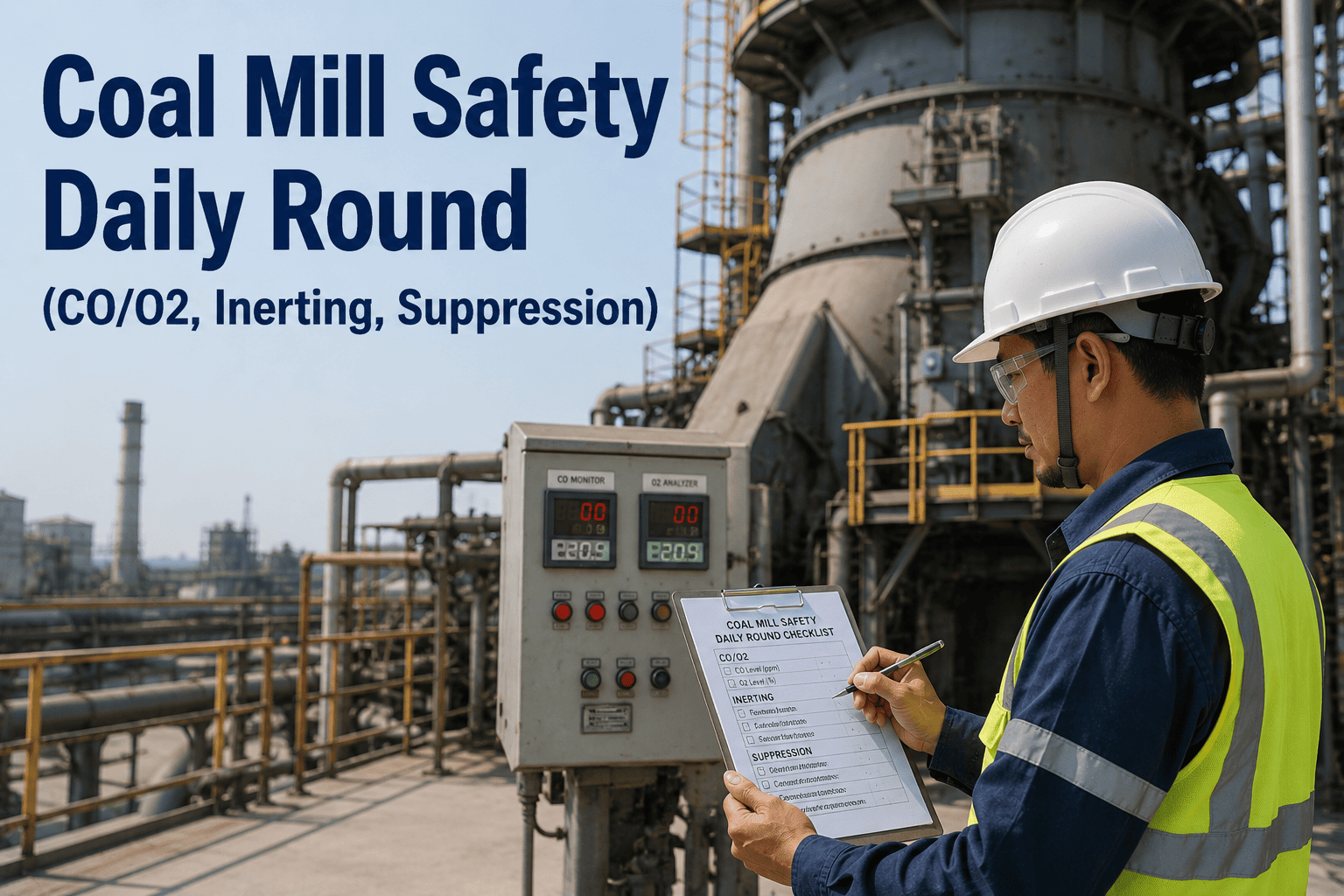
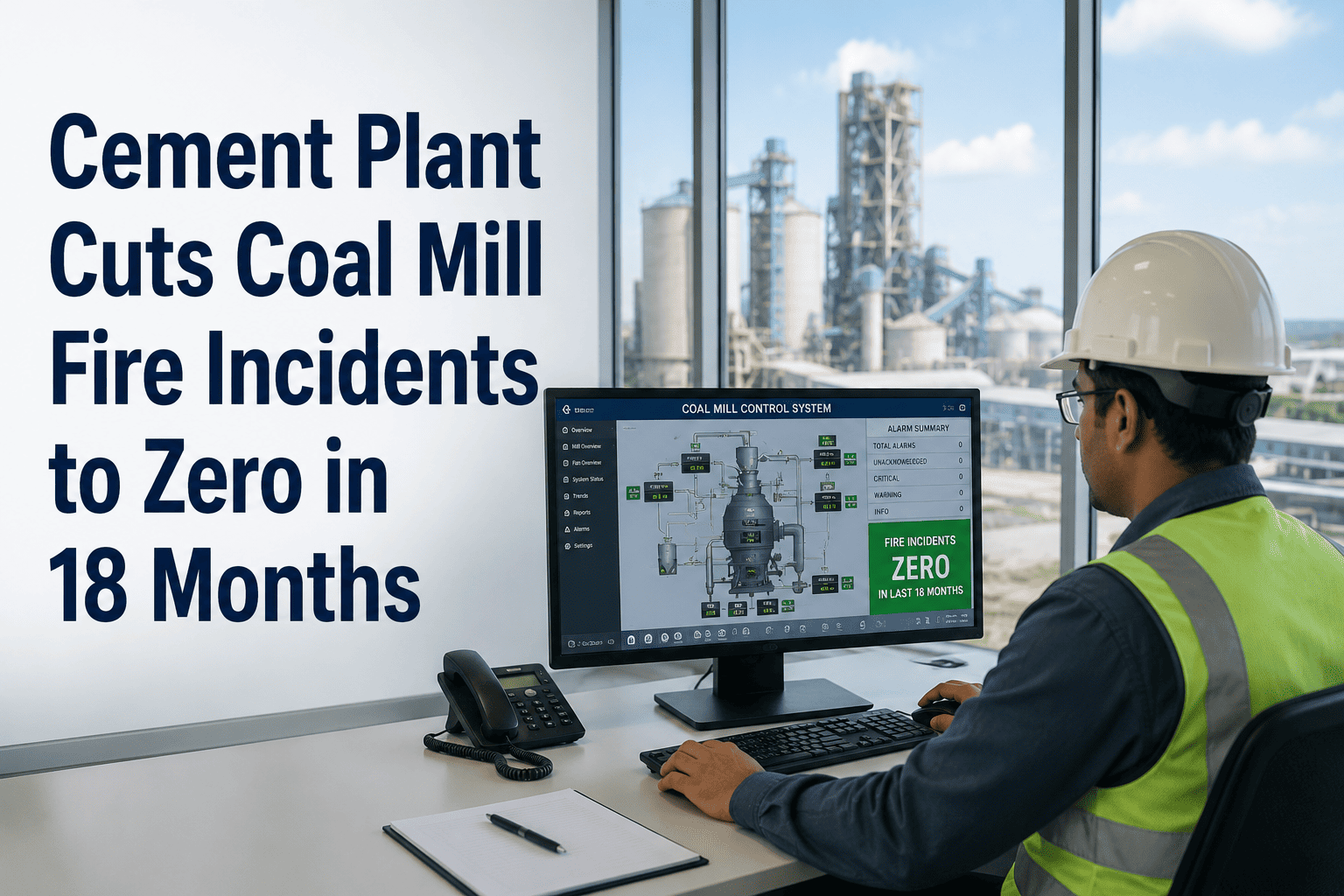
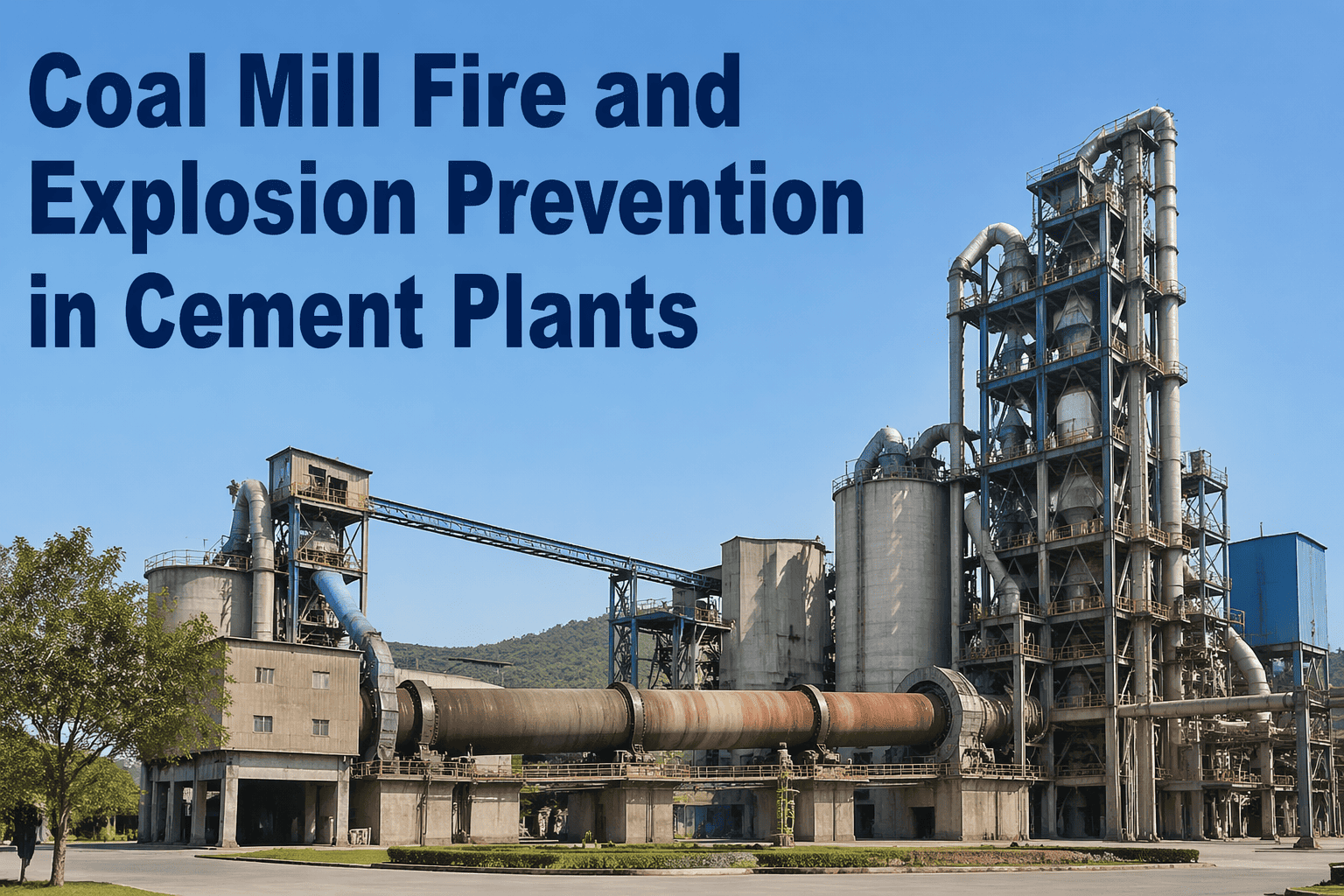
Every 72 hours, a cement manufacturing facility somewhere in the world experiences a significant fire incident, with coal handling systems and electrostatic precipitators accounting for 68% of all industrial fires in the sector. The cement industry operates kilns at temperatures exceeding 1,450°C while processing highly combustible materials including pulverized coal, alternative fuels, and organic waste—creating one of the most demanding fire safety environments in heavy manufacturing. According to industry safety data, cement plants that implement comprehensive digital fire prevention systems reduce incident rates by up to 73% and cut emergency response times from an average of 18 minutes to under 4 minutes. Understanding fire hazards unique to cement production, deploying advanced detection technologies, and establishing rigorous emergency protocols are no longer optional—they are essential for protecting personnel, assets, and uninterrupted operations. Forward-thinking plants are now leveraging CMMS platforms to digitize fire safety management, automate inspection schedules, and maintain audit-ready compliance documentation. Sign up for Oxmaint to transform how your facility manages fire prevention, detection, and emergency response protocols across all operational zones.
Critical Safety Guide
Cement Plant Fire Safety: Prevention and Emergency Response
Comprehensive strategies for fire hazard identification, detection system deployment, and emergency protocol management in cement manufacturing operations
$704M
Annual Industrial Fire Losses (NFPA)
68%
Fires from Coal Systems
73%
Reduction with Digital Systems
4 Min
Optimized Response Time
Critical Fire Hazard Zones in Cement Manufacturing
Cement plants present a unique convergence of extreme heat, combustible materials, and complex electrical systems that create multiple high-risk fire zones requiring specialized monitoring and prevention strategies. Coal pulverizers drastically reduce particle size, increasing fire and explosion hazards exponentially—bag filters used for coal mills rank among the highest risk areas due to fine coal dust accumulation. Spontaneous combustion in coal storage areas occurs when oxidation causes temperatures to exceed 80°C, potentially igniting entire stockpiles without any external ignition source. Understanding these hazard zones and implementing zone-specific prevention protocols is fundamental to achieving operational safety excellence.
Coal Handling Systems
!Coal Pulverizers and Mills
!Storage Silos and Bunkers
!Conveyor Belt Systems
!Bag Filter Dust Collectors
Primary Cause: Spontaneous combustion, dust explosions, friction ignition
Kiln and Pyroprocessing
!Kiln Burner Systems
!Preheater Towers
!Calciner Units
!Alternative Fuel Injection
Primary Cause: Backfiring, CO accumulation, refractory failures
Electrical Infrastructure
!Motor Control Centers
!Transformer Substations
!Cable Trays and Joints
!VFD Cabinets
Primary Cause: Arc flash, overheating, insulation degradation
Storage and Logistics
!Bag Storage Warehouses
!Lubricant Storage Areas
!Workshop and Maintenance
!Alternative Fuel Storage
Primary Cause: Combustible materials, hot work, improper storage
Plants implementing proactive safety management strategies can systematically address each hazard zone through scheduled inspections, real-time monitoring integration, and automated compliance tracking. Digital safety platforms enable maintenance teams to configure zone-specific inspection checklists, trigger automatic work orders when monitoring thresholds are exceeded, and maintain complete audit trails for regulatory compliance. Book a demo to explore how zone-based fire safety management integrates with your existing maintenance workflows.
Fire Detection Technologies for Cement Operations
Modern cement plants require multi-layered detection systems capable of identifying fire conditions across dramatically different operating environments—from ambient temperature storage areas to zones where normal operating temperatures exceed 1,000°C. Continuous CO monitoring in coal bunkers enables early identification of smoldering fires before they reach dangerous levels, while infrared thermal imaging provides real-time scanning of conveyor systems and equipment bearings for hot spots that indicate imminent fire risk. The integration of detection systems with CMMS platforms creates automated response workflows where threshold breaches immediately generate prioritized work orders and alert appropriate personnel. Schedule a demo to see how detection system integration transforms fire safety response capabilities.
CO Detection
Critical for coal bunkers and silos
O2 Monitoring
Inert gas atmosphere verification
Explosive Limits
LEL sensors in confined spaces
IR Scanning
Conveyor and bearing monitoring
Fiber Optic Linear
Cable tray and tunnel coverage
Spot Detectors
Fixed location heat sensors
VESDA Systems
Very early smoke detection
UV/IR Flame
Open flame detection systems
Video Analytics
AI-powered visual detection
Prevention Strategies and Control Measures
Effective fire prevention in cement manufacturing requires systematic implementation of engineering controls, administrative procedures, and continuous monitoring protocols tailored to each hazard zone. Coal storage management demands careful attention to pile geometry, compaction methods, and ventilation strategies to prevent spontaneous combustion—stockpiles should be spread in horizontal layers on well-drained, high ground areas free from foreign combustible materials. Electrical safety requires regular thermographic inspections of cable joints and connections, as multiple cable modifications over time decrease overall fire safety and create hidden ignition risks in unmanned substations. Understanding these prevention fundamentals enables plants to establish robust safety protocols that address root causes rather than reacting to incidents. Book a demo to explore automated thermographic inspection scheduling and prevention program management.
+
Explosion Venting Systems
NFPA 68 compliant relief panels on bins, silos, and dust collectors to limit damage during deflagration events
+
Electrical Grounding
Static electricity dissipation systems for pneumatic conveying, metal silos, and dust collection equipment
+
Inert Atmosphere Systems
Nitrogen or CO2 injection capabilities for coal silos and bag filters to reduce oxygen below combustion threshold
+
Fire Suppression Infrastructure
Deluge systems, foam generators, and water mist installations sized for specific risk zones
+
Hot Work Permit Systems
Digital permit workflows with automatic fire watch requirements, area isolation verification, and completion sign-off
+
Preventive Inspection Programs
Scheduled thermographic surveys, bearing monitoring, and belt alignment verification to identify pre-incident conditions
+
Housekeeping Standards
Combustible dust accumulation limits, spill response procedures, and regular cleaning verification audits
+
Training and Competency
Fire brigade qualifications, emergency drill schedules, and competency tracking for all personnel
Comprehensive safety management requires integration between prevention activities, detection systems, and response protocols. Plants managing these programs through a centralized CMMS platform gain complete visibility into inspection completion rates, equipment status, and compliance gaps while generating automated alerts when scheduled activities are overdue. This approach directly supports digital HSE management strategies that transform fire safety from reactive firefighting to proactive risk elimination.
Digitize Your Fire Safety Management
Automate inspection schedules, integrate detection system alerts, track compliance status, and maintain audit-ready documentation across all plant zones with a unified CMMS platform.
Emergency Response Protocol Framework
Emergency response effectiveness in cement plant fire incidents depends on clear protocols, trained personnel, and pre-positioned resources that enable rapid containment before incidents escalate to catastrophic levels. Industrial fire brigade members operating in cement environments require specialized training addressing coal fires, electrical incidents, and confined space rescues—NFPA 1081 establishes professional qualification standards for exterior and interior fire response capabilities. The unique characteristics of coal fires demand specific suppression approaches: water application on smoldering coal piles can generate explosive steam while foams prove ineffective due to the extended smothering time required. Response teams must understand these technical realities and maintain appropriate agent inventories, specialized tools like piercing rods for deep-seated fires, and coordination procedures with local fire departments.
0-2 MIN
Detection and Alert
Automated system detects fire condition and triggers alarms, CMMS generates emergency work order, key personnel receive mobile notifications, control room initiates response protocol
2-5 MIN
Initial Assessment
Fire warden arrives on scene, confirms incident location and severity, initiates area evacuation if required, communicates status to emergency coordinator
5-10 MIN
Response Activation
Fire brigade deploys with appropriate equipment, suppression systems engaged based on fire type, affected processes isolated, perimeter security established
10-30 MIN
Containment Operations
Primary suppression activities, coordination with external fire services if required, continuous monitoring of adjacent areas, personnel accountability verification
POST
Recovery and Investigation
Fire watch establishment, incident documentation, root cause analysis initiation, corrective action identification, CMMS update with findings
Proper emergency preparedness also requires coordination with confined space entry safety protocols, as many cement plant fire scenarios involve enclosed areas where atmospheric hazards and limited egress compound the emergency response complexity. Fire brigade training must address these integrated scenarios through realistic drills that test multi-hazard response capabilities.
Digital Fire Safety Management with CMMS
Computerized Maintenance Management Systems provide the technological foundation for transforming fire safety from paper-based compliance exercises into dynamic, data-driven prevention programs. Modern CMMS platforms enable plants to configure automated inspection schedules tied to regulatory requirements, integrate real-time sensor data to trigger condition-based work orders, and generate instant compliance reports that satisfy auditor requirements. Mobile access allows fire wardens and safety officers to complete inspection checklists from any location, attach photographic evidence of conditions requiring attention, and receive immediate notification when critical safety tasks require action. Book a demo to see how digital fire safety management transforms compliance documentation and prevention program effectiveness.
01
Automated Inspection Scheduling
Configure recurring fire safety inspections for all equipment, zones, and systems with automatic work order generation, assignment routing, and completion tracking against regulatory timelines.
02
Detection System Integration
Connect CO monitors, thermal sensors, and fire alarm panels to automatically create prioritized work orders when thresholds are exceeded, with full audit trail of system status and response actions.
03
Hot Work Permit Workflow
Digital permit request, approval routing, fire watch requirements, and completion verification with mobile accessibility for real-time updates and immediate documentation.
04
Compliance Dashboard
Real-time visibility into inspection completion rates, overdue tasks, equipment certification status, and training compliance across all plant locations and safety programs.
05
Incident Documentation
Structured incident reporting workflows with root cause analysis templates, corrective action tracking, and trend analysis to identify systemic safety improvement opportunities.
06
Training Record Management
Track fire brigade certifications, drill participation, competency assessments, and recertification requirements with automated alerts for expiring qualifications.
The integration of fire safety management with broader maintenance operations creates synergies that improve both safety outcomes and operational efficiency. Thermographic inspection data that identifies potential fire hazards simultaneously supports predictive maintenance programs that prevent equipment failures. Proper lockout/tagout procedures during maintenance activities directly reduce fire ignition risks from electrical and mechanical hazards while ensuring worker safety during emergency repairs.
Transform Fire Safety Compliance
Join cement plants worldwide using Oxmaint to automate fire safety inspections, integrate detection systems, and maintain continuous audit readiness.
Fire Safety Performance Metrics
Leading cement plants track comprehensive fire safety metrics that provide early warning of program degradation and enable continuous improvement. Moving beyond lagging indicators like incident counts to leading indicators like inspection completion rates and near-miss reporting creates a proactive safety culture that identifies and addresses risks before they materialize into actual fires. CMMS platforms generate these metrics automatically from operational data, enabling management to monitor performance trends, benchmark against industry standards, and allocate resources to areas requiring additional attention.
Inspection Completion RateTarget: 98%+
Hot Work Permit ComplianceTarget: 100%
Training Currency RateTarget: 95%+
Near-Miss Reports per MonthTarget: 10+ (reporting culture)
Fire Drill CompletionTarget: 100% on schedule
Fire Incidents per YearTarget: Zero
Average Response TimeTarget: Under 4 minutes
Fire-Related Downtime HoursTarget: Zero
Property Damage CostsTarget: Zero
Regulatory CitationsTarget: Zero
Frequently Asked Questions
What are the primary fire hazards specific to cement manufacturing plants?
Cement plants face unique fire hazards including coal handling systems where pulverizers create fine combustible dust, spontaneous combustion in coal storage bunkers when temperatures exceed 80°C, electrostatic precipitator explosions from CO accumulation, electrical system failures in unmanned substations with multiple cable joints, and alternative fuel handling areas processing combustible materials like plastics and solvents. Bag filters used for coal mills rank among the highest fire risk areas due to fine particle accumulation and potential ignition sources.
How does continuous CO monitoring prevent coal bunker fires?
Continuous carbon monoxide monitoring enables early detection of smoldering fires in coal bunkers before they reach dangerous levels. When coal oxidizes during spontaneous combustion, it releases CO as an early indicator gas before visible flames or significant heat develops. By performing continuous CO concentration measurement, smoldering fires can be identified at the initial stage and addressed through ventilation adjustments or inerting before escalation. Integration with O2 monitoring verifies inert gas atmosphere effectiveness when suppression is required.
What fire suppression methods are effective for coal fires in cement plants?
Coal fires require specialized suppression approaches as conventional methods often prove ineffective or counterproductive. Water application on smoldering coal piles can generate explosive steam, while foams break down before deep-seated fires are extinguished. Effective approaches include inert gas flooding with nitrogen or CO2 to reduce oxygen below combustion threshold, wetting agents that penetrate Class A materials through reduced surface tension, and piercing rods for applying suppressants to deep-seated fires. Gases require extended application periods of hours or days depending on fire complexity.
What NFPA standards apply to cement plant fire safety?
Multiple NFPA standards apply to cement plant fire safety programs including NFPA 68 for explosion venting design on bins and dust collectors, NFPA 69 for explosion prevention systems, NFPA 70 National Electrical Code for Class II wiring in dusty environments, NFPA 654 for handling combustible particulate solids, and NFPA 1081 for industrial fire brigade member professional qualifications. Compliance tracking across these standards requires systematic inspection scheduling, documentation management, and competency verification for all affected personnel.
How can CMMS software improve cement plant fire safety management?
CMMS platforms transform fire safety management through automated inspection scheduling with compliance tracking, detection system integration that generates work orders when thresholds are exceeded, digital hot work permit workflows with fire watch requirements, mobile inspection completion with photographic documentation, training record management with expiration alerts, incident documentation with root cause analysis, and real-time compliance dashboards. This digitization eliminates paper-based gaps, ensures timely completion of critical activities, and maintains audit-ready documentation for regulatory requirements.
What training requirements exist for cement plant fire brigade members?
Fire brigade members in cement plants require training meeting NFPA 1081 standards covering incipient and exterior fire response capabilities. Training must address cement-specific scenarios including coal fires, electrical incidents, confined space emergencies, and alternative fuel handling. Required competencies include proper use of self-contained breathing apparatus, fire extinguishing agent selection, emergency evacuation procedures, and coordination with external fire services. Regular drills testing multi-hazard response capabilities and documentation of competency assessments support compliance verification.
What leading indicators should cement plants track for fire safety performance?
Leading indicators providing early warning of fire safety program effectiveness include inspection completion rates targeting 98% or higher, hot work permit compliance at 100%, training currency rate above 95%, near-miss reporting volume indicating positive safety culture, fire drill completion on schedule, housekeeping audit scores, detection system testing completion, and corrective action closure rates. Tracking these proactive metrics through CMMS dashboards enables management to identify and address gaps before lagging indicators like incidents occur.