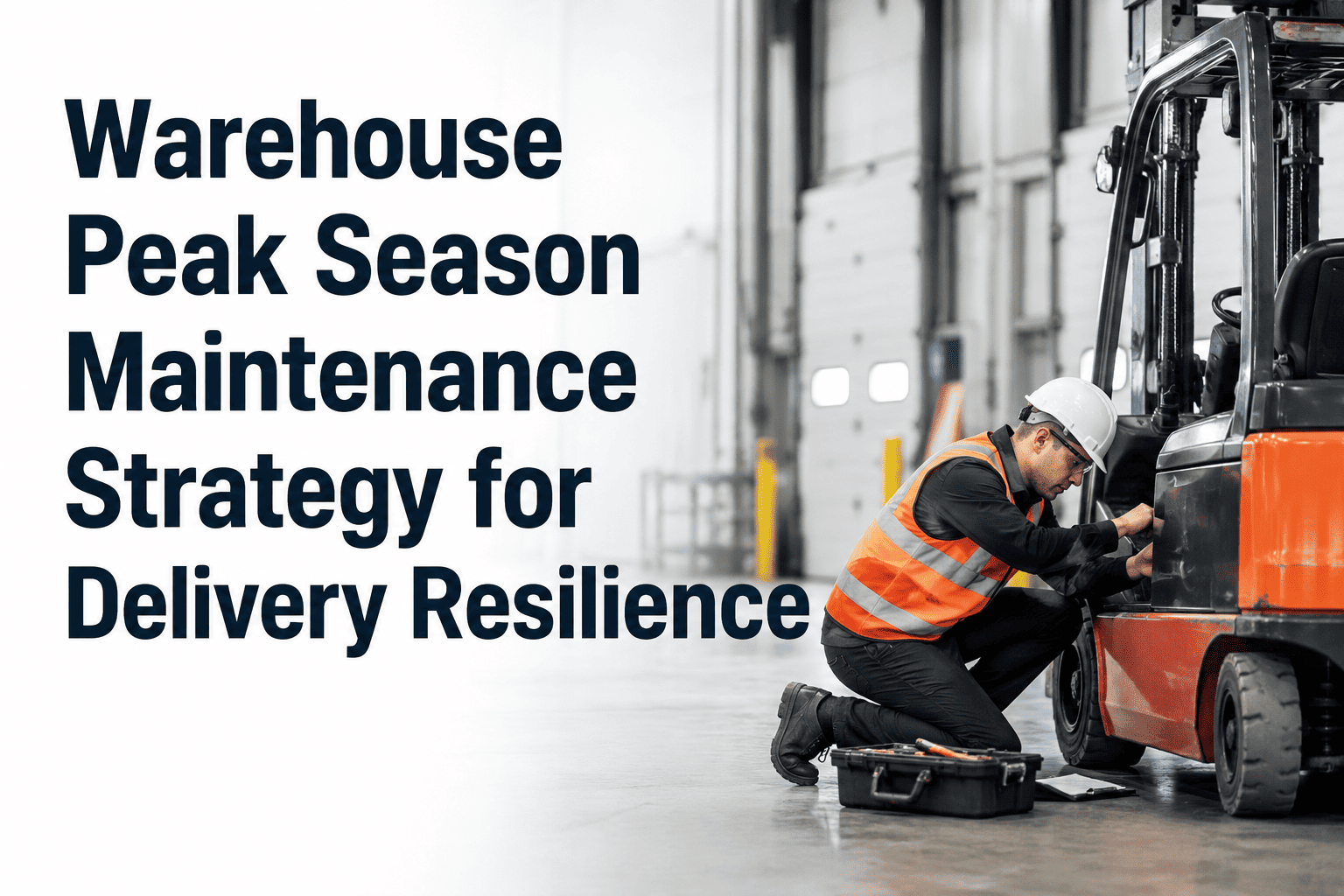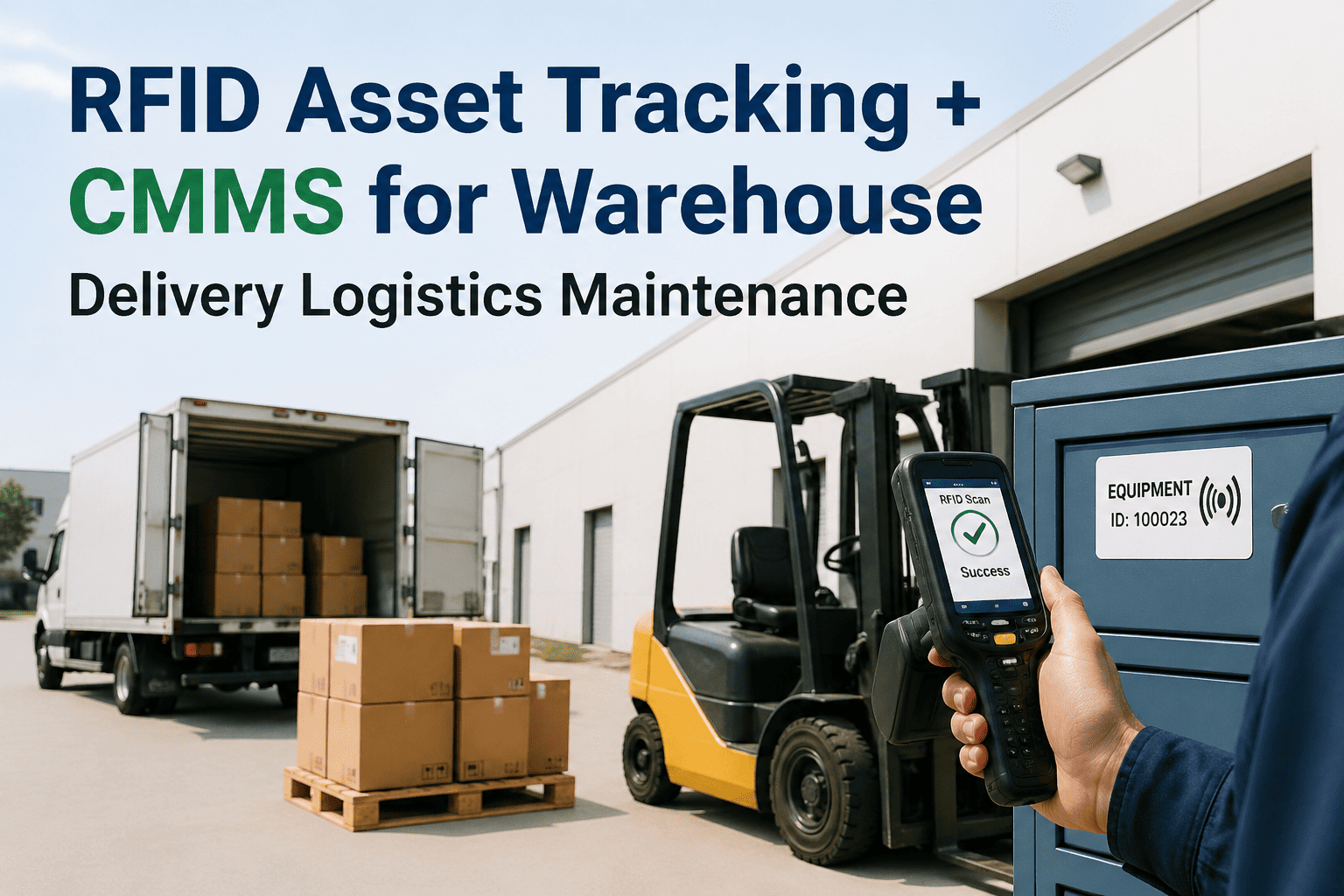
When holiday order volumes triple and every delivery van is expected to run double shifts, a single unplanned breakdown does not just delay one route — it triggers a chain reaction across the entire network. Peak season delivery maintenance planning is the difference between a fleet that powers through November and December without a missed stop, and one that hemorrhages revenue on emergency tow trucks and expedited parts. OxMaint's AI-powered CMMS gives fleet managers a purpose-built platform to schedule preventive maintenance months ahead, track parts readiness in real time, set automated alerts for every PM threshold, and walk into peak season knowing every vehicle in the fleet has been cleared for high-volume operations.
Is Your Fleet Ready for the Holiday Rush?
Most fleet breakdowns during peak season were predictable 60 days earlier. Here is how to make sure yours are not one of them.
What Goes Wrong During Peak Season
Preventive maintenance skipped during the busy Q3 shipping season creates a backlog that hits exactly when December volumes peak. By then, pulling a vehicle off the road costs far more than the service would have.
Popular filters, brake components, and tyres run on long lead times from distributors during peak season. Fleets that have not pre-ordered critical parts face days of downtime waiting for stock to arrive.
Multi-hub delivery operations often have no single view of which vehicles are PM-compliant at each depot. A breakdown at Branch 3 reveals that three other locations have the same deferred service on identical vehicles.
When a truck breaks mid-route on the busiest week of the year, decisions get made fast and wrong — pulling vehicles that are also close to failure, skipping documentation, and creating a cascade of unplanned costs.
OxMaint gives fleet managers a live readiness view across every hub and depot — so you walk into November knowing exactly which vehicles are cleared and which need attention.
A 90-Day Pre-Season Maintenance Checklist
How OxMaint Automates Peak Season Readiness
A single view of PM status, open work orders, and inspection compliance across every vehicle at every branch — updated in real time so nothing slips through before peak operations begin.
Set PM intervals by mileage, engine hours, or calendar date. OxMaint auto-generates work orders as thresholds approach — no manual reminders, no spreadsheet dependency, no missed services.
Track parts stock at each depot, set minimum quantity alerts, and view projected consumption ahead of peak season — so you pre-order before distributors run out of stock.
Fleet managers at regional HQ get a live view across all depots — not separate logins for each branch, but one dashboard showing which locations are PM-compliant and which need escalation.
Configurable alerts notify the right person at the right time — PM due alerts to branch technicians, escalation alerts to fleet managers, and cost threshold alerts to operations leads.
OxMaint surfaces which vehicle types, components, and routes caused the most unplanned downtime in previous peak seasons — so planning decisions this year are based on actual data, not gut feel.
What Peak Season Downtime Actually Costs
| Scenario | Duration | Estimated Cost | With OxMaint |
|---|---|---|---|
| Single van breakdown, mid-route | 4–6 hours | $1,200–$2,400 | Prevented by PM alerts |
| Emergency parts order, no local stock | 1–3 days | $3,000–$8,000 | Prevented by inventory tracking |
| Fleet-wide deferred PM catching up | 2–4 weeks | $15,000–$40,000 | Eliminated by pre-season audit |
| Missed SLA penalties on delayed deliveries | Per event | $500–$5,000+ | Avoided by fleet readiness dashboard |
Frequently Asked Questions
How far in advance should we start peak season maintenance planning?
Can OxMaint track PM status across multiple depot locations in one view?
What types of PM alerts does OxMaint support for delivery fleets?
Does OxMaint integrate with parts suppliers for inventory reordering?
How quickly can we deploy OxMaint before peak season hits?
OxMaint gives delivery fleet managers the PM scheduling, asset readiness dashboards, parts tracking, and automated alerts to walk into peak season fully prepared — not scrambling.