Warehouse and delivery logistics assets are mobile by nature — forklifts, pallet jacks, conveyors, and delivery vehicles move constantly across zones, shifts, and facilities. Traditional maintenance calendars that trigger preventive work by date alone inevitably miss assets that sit idle for weeks or over-service units that run triple shifts. The result: unexpected breakdowns on high-utilization equipment and wasted labor on assets that do not need attention. RFID tags change this by making every asset visible in real time. When a forklift passes a gate reader, its operating hours update automatically. When a delivery van enters the maintenance bay, its mileage syncs to the CMMS. The maintenance schedule shifts from calendar-based assumptions to utilization-based facts. Oxmaint’s RFID-integrated CMMS platform captures every asset movement, triggers PMs based on actual usage, and eliminates the ghost assets that drain maintenance budgets.
The Four RFID-CMMS Integration Points That Transform Warehouse Logistics
RFID alone gives you location. CMMS alone gives you maintenance schedules. Together, they give you a living asset management system that knows where every forklift is, how many hours it has run, and when it needs service — without a single manual data entry.
Location-Based PM Triggers
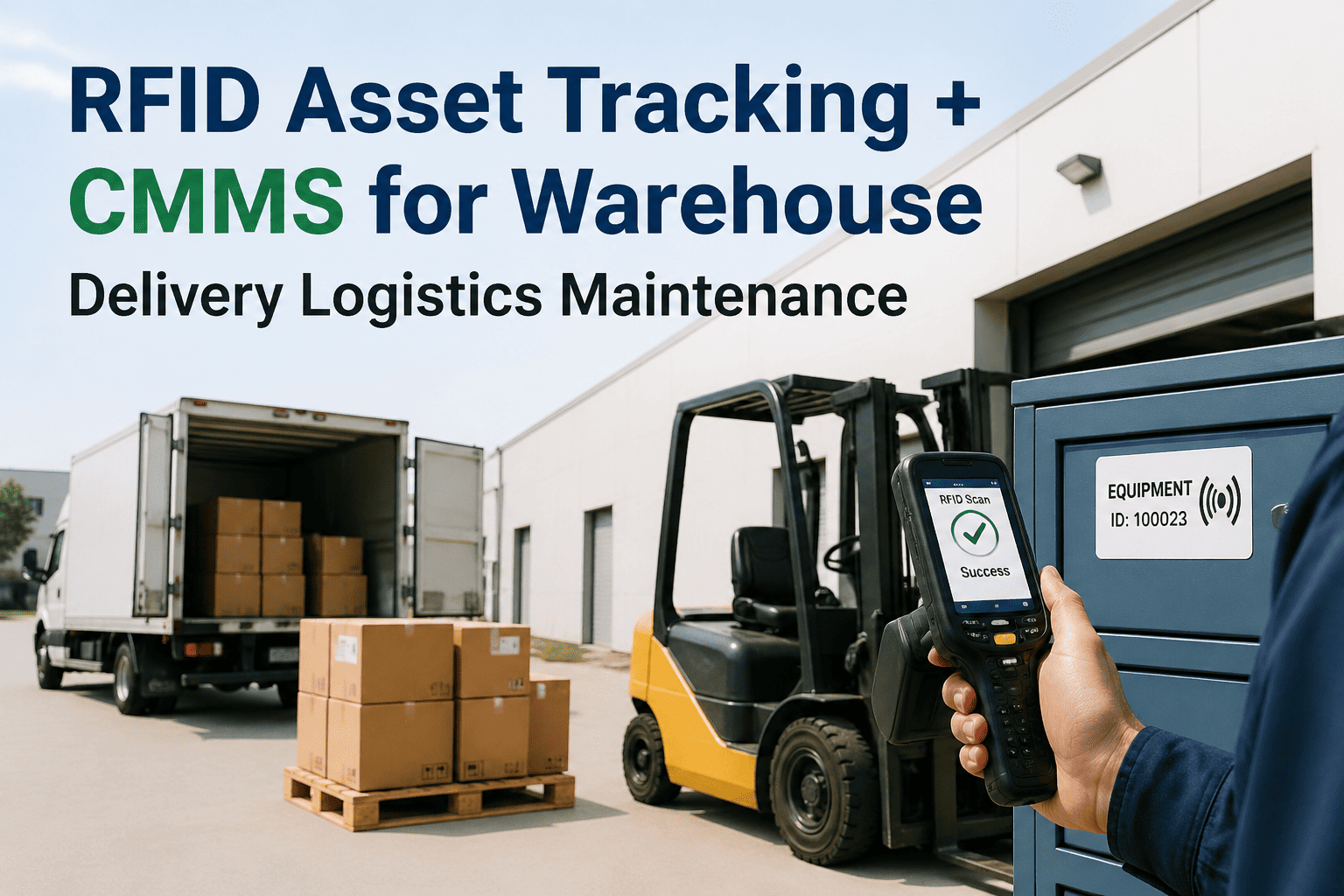
RFID gate readers detect when an asset enters the maintenance bay. CMMS automatically opens a work order, pulls the asset history, and notifies technicians. No more lost service requests or forgotten inspections.
Usage-Based Service Intervals
Forklift operating hours, delivery van mileage, conveyor run time — RFID tags capture actual utilization data. CMMS resets PM counters based on real usage, not calendar days. High-use assets get service when needed. Low-use assets avoid unnecessary labor.
Asset Check-In/Out Automation
Drivers and operators scan RFID badges or asset tags at zone boundaries. CMMS records asset movement, calculates shift usage, and updates availability status. No more manual logs or end-of-shift reconciliation.
Ghost Asset Elimination
Assets that do not move for 30 days trigger automated audits. CMMS generates location verification tasks. Lost or stolen assets are identified within days, not months. Inventory accuracy exceeds 99%.
Live RFID-CMMS Dashboard — What Real-Time Asset Tracking Looks Like
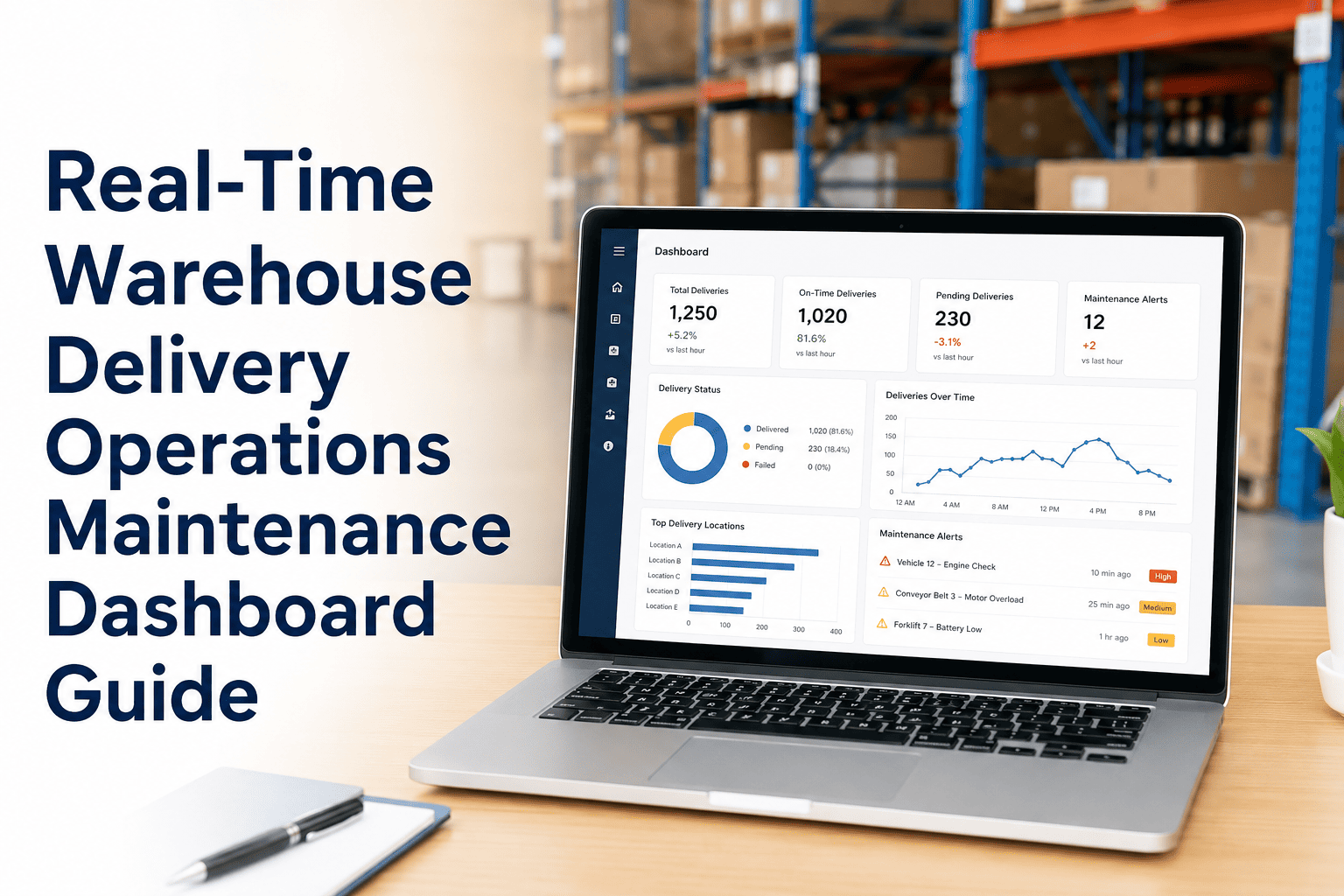
When RFID readers and CMMS share data in real time, the maintenance team sees exactly what is happening across the warehouse. The feed below shows live activity from a 500,000 sq ft distribution center with 240 tagged assets.
Stop Guessing When to Service Mobile Assets. Start Knowing Exactly When.
Oxmaint RFID-CMMS integration delivers real-time asset visibility, utilization-based PM scheduling, and complete elimination of ghost assets. Schedule a demo to see it in action.
RFID-CMMS Capabilities That Transform Warehouse Maintenance
Not all CMMS platforms support RFID integration. The capabilities below separate real-time visibility systems from basic maintenance trackers.
| Capability | RFID Integration Function | Operational Benefit | ROI Impact |
|---|---|---|---|
| Real-Time Location Tracking | Gate readers + fixed zone antennas | Find any asset within seconds | 75% reduction in search labor |
| Utilization-Based PM Scheduling | Operating hours, mileage, cycle counts | Service only what actually runs | 30% reduction in PM labor costs |
| Automated Check-In/Out | Badge or asset scan at zone entry | No manual logs, real-time accountability | Eliminates shift reconciliation delays |
| Ghost Asset Audits | Inactivity triggers location verification | Identify lost/stolen assets in days | 90%+ reduction in asset write-offs |
| Usage History Analytics | RFID data stored in asset lifecycle record | Predict failures before they happen | 52% reduction in unplanned downtime |
Six RFID-CMMS Integration Practices That Drive Warehouse Efficiency
Zone-Based Gate Placement
Install RFID readers at entry/exit points between warehouse zones, loading docks, and maintenance bays. Each gate creates a data point for asset movement and usage tracking.
Asset Movement Reconciliation
Automated report shows assets that moved between zones without proper check-out. Identify procedural gaps before they become asset loss events.
Utilization Review Meeting
Review RFID-generated usage data against PM schedules. Identify assets that need earlier service based on unexpected high utilization.
Ghost Asset Audit
Review list of assets with no RFID movement for 30+ days. Assign location verification tasks. Update status in CMMS.
Tag Health Check
Test RFID tag read rates across all zones. Replace damaged tags. Update tag assignments for asset changes.
PM Calendar Optimization
Compare utilization data against actual failure rates. Shift PM intervals to match real wear patterns, not manufacturer defaults.
"For years, warehouse managers accepted that 10-15% of their mobile assets would be lost or misplaced at any given time. They built labor hours into every shift just to find forklifts and pallet jacks before work could start. The RFID-CMMS integration changes this completely. When an asset passes a gate reader, both its location and its usage hours update automatically. The maintenance schedule then triggers based on those actual hours — not a calendar guess. Facilities that deploy this integration typically recover 5-8% of their asset fleet within the first 90 days simply by finding equipment that was parked in forgotten corners. The payback period is measured in months, not years."