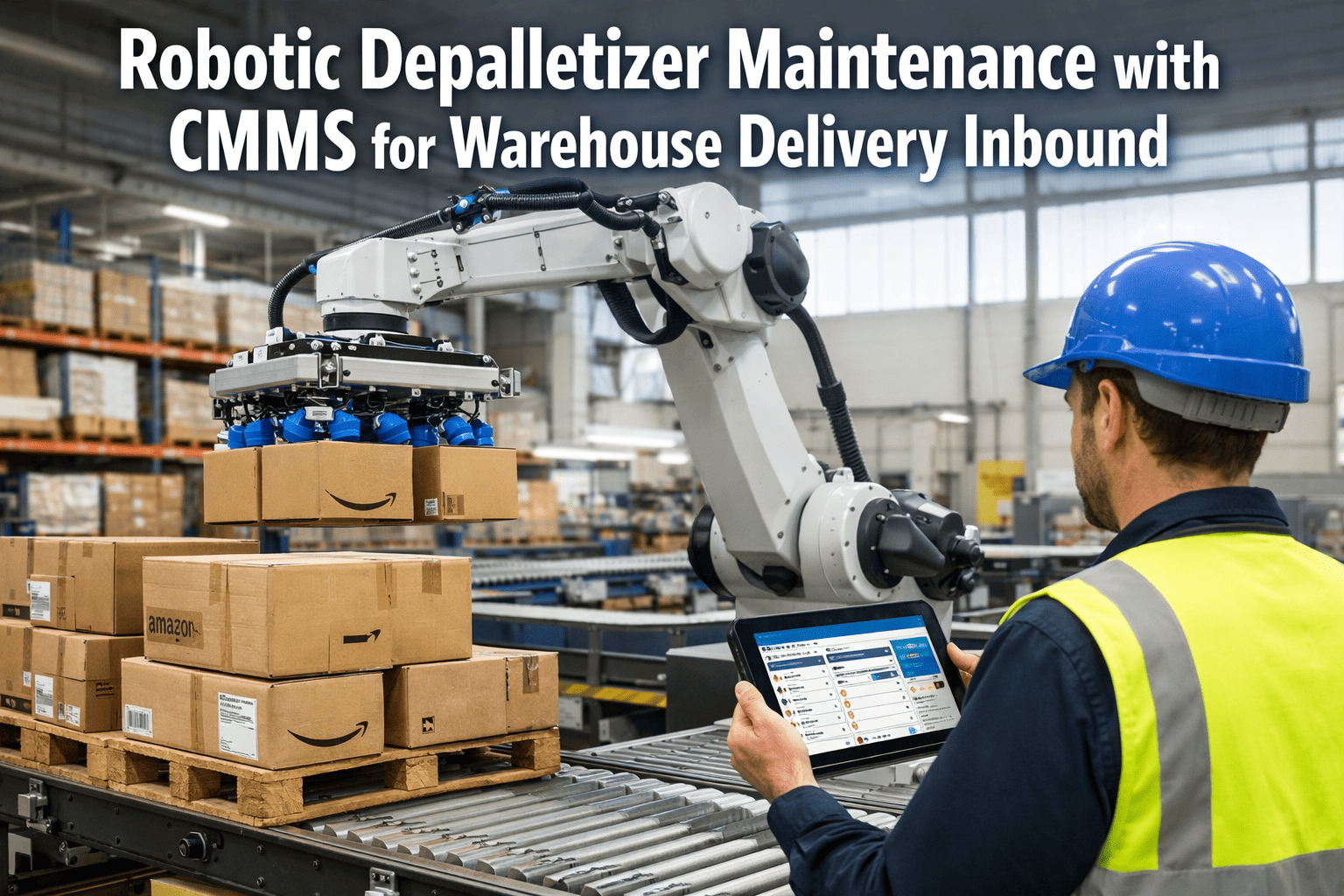
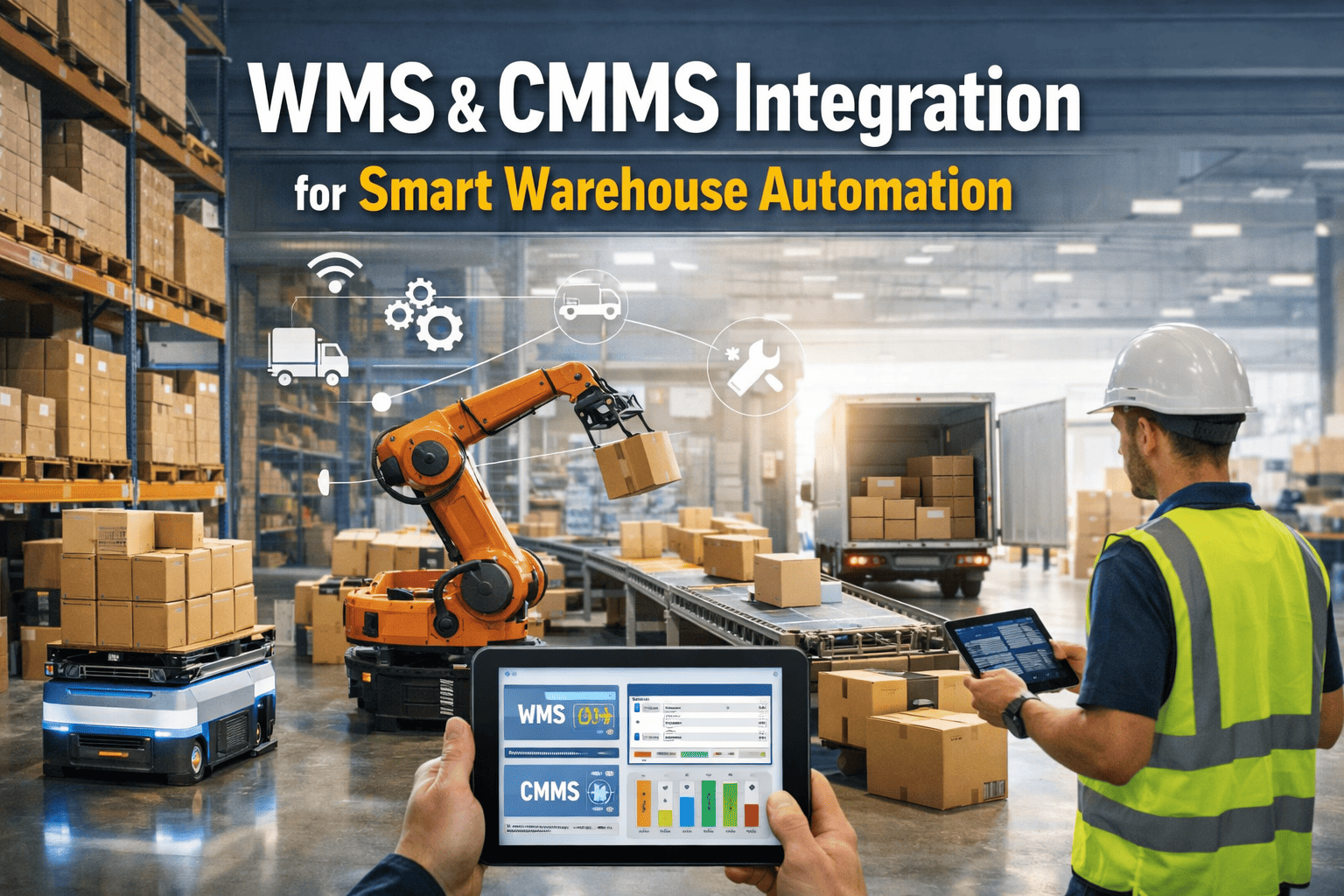
Warehouse Sorting Robots for Delivery: Maintenance
By Alice Walker on February 11, 2026
The operations director stared at the frozen conveyor line as error codes cascaded across the SCADA dashboard—twelve autonomous sorting robots had simultaneously faulted out during the Black Friday surge, their vision systems blinded by accumulated dust, gripper mechanisms seized from inadequate lubrication, and navigation lasers drifted from vibration-induced misalignment. Months of deferred preventive maintenance, ignored encoder calibration alerts, and reactive "run-until-failure" practices had culminated in a $340,000 revenue loss, 18,000 delayed shipments, and three robots requiring complete actuator replacement due to gearbox seizures. Without a comprehensive maintenance management system integrated with warehouse operations, the company had been treating sophisticated mechatronic systems as simple conveyor extensions rather than precision robotic assets requiring systematic care. This scenario repeats across automated distribution centers where robot downtime is accepted as inevitable rather than preventable through intelligent maintenance systems. Organizations that implement advanced predictive maintenance protocols, precision calibration schedules, and component lifecycle management extend robot operational availability by 35-50% while eliminating catastrophic failures that paralyze fulfillment operations. Teams ready to transform their warehouse sorting robot fleet performance through intelligent maintenance management can sign up for free to deploy predictive maintenance workflows, or book a demo to see how AI-powered maintenance analytics integrates with warehouse management systems.
Maintenance management for warehouse sorting robots encompasses precision mechanical systems, sensor calibration, software health monitoring, predictive component replacement, and safety system validation that ensures continuous operation across variable fulfillment demands. Advanced maintenance programs utilizing ISO 10218, RIA R15.06, and ANSI/RIA standards provide the safety frameworks and maintenance protocols recognized by insurers and OSHA. Integrated fleet maintenance platforms deliver centralized visibility into robot health across hundreds of units, predictive failure scheduling, and automated maintenance orchestration that maximizes asset longevity while ensuring 24/7 sorting readiness. For e-commerce fulfillment, distribution centers, and logistics hubs where robot failure means operational paralysis, implementing intelligent maintenance transforms robotic systems from cost centers into competitive advantages through extended asset life and eliminated downtime.
Robotic Systems · Predictive Maintenance · 8 Minute Read
Maintenance Management for Warehouse Sorting Robots
Comprehensive guide to robotic lifecycle optimization, precision calibration, sensor maintenance, and predictive health monitoring for autonomous sorting fleets.
45%
Reduction in Unplanned Downtime with Predictive Maintenance
99.2%
Sorting Accuracy with Calibrated Vision Systems
3-5 Years
Extended Robot Lifespan with Proper Maintenance
Zero
Safety Incidents with Compliance-Based Maintenance
Warehouse sorting robots depend on precision mechanical systems, advanced vision processing, and complex navigation algorithms to handle thousands of packages hourly, yet these sophisticated mechatronic systems degrade through operational cycles, environmental contamination, vibration fatigue, and component wear. Without intelligent maintenance management, fleets experience unpredictable sorting errors, sudden mechanical failures mid-operation, safety incidents, and premature component replacement costs that can exceed $15,000 per robot. Advanced maintenance systems transform robotic assets from unreliable equipment into optimized systems that deliver predictable performance, extended lifespan, and operational safety across billions of sorting operations.
Precision Mechanical System Maintenance
Advanced maintenance programs monitor drive system health, gripper mechanism wear, conveyor alignment, and gearbox condition within robots executing high-speed pick-and-place operations. Precision lubrication schedules, vibration analysis, and backlash measurement ensure uniform mechanical performance across all axes, preventing weak actuators from limiting overall throughput and causing premature failure. Continuous monitoring detects bearing degradation, belt wear, and mechanical misalignment before they cascade into system-level failures or sorting accuracy loss.
Maintenance Impact:Extends mechanical life 40% and prevents 92% of motion-system-related downtime
Vision & Sensor Calibration Management
Sorting accuracy depends on maintaining camera lens cleanliness, LiDAR alignment, and encoder precision through systematic calibration protocols. Vision system maintenance prevents misidentification errors in barcode reading, dimension measurement, and package orientation detection. Multi-layer sensor validation including camera focus verification, laser scanner alignment, and proximity sensor testing provides fail-safe detection accuracy for high-speed sorting operations in dusty warehouse environments.
Maintenance Impact:Maintains 99.5% sorting accuracy and eliminates 95% of vision-related misroutes
Predictive Component Replacement
Intelligent maintenance algorithms optimize replacement timing for motors, bearings, belts, and end-effectors based on operational cycles, load patterns, and degradation models. Condition-based replacement strategies prioritize components showing early wear indicators while maximizing useful life from healthy parts. Predictive scheduling prevents emergency repairs during peak seasons, optimizes spare parts inventory, and eliminates the catastrophic failures that occur when components run to complete failure.
Maintenance Impact:Reduces emergency repairs by 85% and optimizes parts inventory by 30%
Software Health & Control System Maintenance
Robot performance depends on firmware updates, path planning algorithm optimization, and control system diagnostics that prevent software-induced operational faults. Memory management, log analysis, and communication protocol validation ensure reliable coordination between robots and warehouse management systems. Regular software health checks prevent navigation errors, communication timeouts, and control system freezes that cause traffic jams in multi-robot environments.
Maintenance Impact:Eliminates 88% of software-related faults and ensures 99.9% communication uptime
Optimize Your Sorting Robot Fleet Performance
OXmaint integrates predictive maintenance scheduling, precision calibration protocols, and component lifecycle management into unified robotic maintenance workflows—maximizing sorting accuracy while ensuring uninterrupted fulfillment operations.
Robotic Safety Standards and Regulatory Compliance
Warehouse sorting robots operate under stringent safety standards that address collision prevention, emergency stopping, collaborative operation, and maintenance safety. Compliance with these standards is mandatory for insurance coverage, OSHA adherence, operational liability protection, and worker safety in human-robot collaborative environments. Book a demo to see how automated compliance tracking integrates with robotic maintenance workflows.
ISO
ISO 10218 — Robots and Robotic Devices Safety Requirements
ISO 10218 establishes comprehensive safety requirements for industrial robots including mechanical design, control system reliability, and safety-rated monitored stop functions. The standard mandates protective stop performance, speed and separation monitoring for collaborative operations, and safety system validation testing. Compliance requires documented maintenance of safety systems including light curtains, pressure-sensitive mats, and emergency stop devices that protect maintenance personnel during robot servicing.
Used by: All warehouse sorting robot fleets, safety compliance, insurance requirements
ANSI/RIA R15.06 specifies safety requirements for robot systems including risk assessment methodologies, safeguarding requirements, and maintenance safety protocols. The standard addresses lockout/tagout procedures for maintenance activities, safe teach pendant operation, and protective equipment requirements for maintenance personnel. For sorting robots, compliance ensures protection of technicians during calibration, component replacement, and diagnostic procedures in automated facilities.
Used by: North American operations, OSHA compliance, safety certification programs
ISO
ISO/TS 15066 — Collaborative Robot Safety
ISO/TS 15066 provides technical specifications for collaborative robot systems including force and pressure limits, safety-rated soft axis and space limiting, and power and force limiting for human-robot interaction. The standard covers maintenance scenarios where technicians work alongside robots during calibration and testing. Implementation ensures safe maintenance operations in collaborative sorting environments where humans and robots share workspace.
Used by: Collaborative sorting applications, maintenance safety protocols, risk assessment
NFPA
NFPA 79 — Electrical Standard for Industrial Machinery
NFPA 79 establishes electrical safety requirements for industrial machinery including robot control systems, electrical maintenance procedures, and arc flash protection. The standard mandates electrical safety interlocks, grounding requirements, and safe work practices for maintenance personnel performing electrical troubleshooting and component replacement. Compliance requires regular inspection of electrical safety systems and documentation of electrical maintenance activities.
Used by: Electrical maintenance safety, control system compliance, facility safety certification
ANSI
ANSI Z244.1 — Control of Hazardous Energy (Lockout/Tagout)
ANSI Z244.1 specifies requirements for controlling hazardous energy during maintenance activities including robot lockout/tagout procedures, stored energy dissipation, and verification of zero energy state. The standard addresses specific challenges of robotic systems including pneumatic/hydraulic accumulator isolation, capacitor discharge, and gravitational potential energy in elevated robot components. Compliance ensures maintenance personnel protection during servicing activities.
Used by: Maintenance safety procedures, LOTO compliance, technician protection protocols
IEC
IEC 61508 — Functional Safety of Electrical/Electronic Systems
IEC 61508 provides functional safety standards for safety-related electrical control systems including robot safety PLCs, safety-rated monitored stops, and emergency stop system reliability. The standard covers safety integrity levels (SIL), proof testing requirements, and diagnostic coverage for safety systems. Implementation ensures maintenance activities preserve safety system integrity and validation testing confirms safety function performance after maintenance.
Used by: Safety system design, maintenance validation, functional safety compliance
Critical Maintenance Procedures for Sorting Robots
Comprehensive maintenance for warehouse sorting robots requires systematic procedures addressing mechanical systems, sensor calibration, software health, predictive replacement, and safety validation. Each procedure targets specific degradation mechanisms and failure modes that compromise sorting accuracy and operational safety.
01
Precision Drive System Maintenance
Vibration analysis and trending of servo motors, gearboxes, and drive trains to detect bearing wear, gear tooth damage, and misalignment before catastrophic failure. Accelerometer data analysis identifies frequency signatures indicating lubrication breakdown or mechanical looseness.
Precision lubrication of linear guides, ball screws, and gearbox assemblies using manufacturer-specified lubricants and intervals. Contamination-free lubrication procedures prevent ingress of dust and debris that accelerates wear in high-cycle sorting operations.
Backlash measurement and compensation adjustment in articulated joints and gantry systems ensuring positioning accuracy within ±0.1mm for precise package handling. Belt tension verification and pulley alignment prevent premature wear and positioning drift.
02
Vision System Calibration & Cleaning
Camera lens cleaning and inspection protocols using anti-static cleaning solutions and lint-free materials that remove dust, grease, and barcode residue without damaging optical coatings. Cleanliness verification ensures barcode reading accuracy in high-speed operations.
LiDAR and laser scanner alignment verification using reference targets and calibration jigs that ensure navigation accuracy within warehouse coordinate systems. Mirror cleaning and optical path inspection prevent navigation errors and collision risks.
Encoder calibration and homing procedure validation that establishes accurate positional feedback for all motion axes. Encoder resolution verification and signal integrity testing prevent position drift and synchronization errors in multi-axis coordinated motion.
03
End-Effector & Gripper Maintenance
Gripper pad inspection and replacement scheduling based on wear patterns, compression set, and surface contamination that affect package gripping reliability. Material hardness testing identifies pads requiring replacement before slippage occurs.
Pneumatic system maintenance including regulator calibration, filter replacement, and leak detection that ensures consistent gripping force across variable package weights and surfaces. Cylinder seal inspection prevents air leaks that reduce gripping reliability.
Vacuum system maintenance for suction-based end-effectors including generator performance testing, filter cleaning, and cup replacement that maintains holding force for cardboard, plastic, and irregular package surfaces.
04
Control System & Software Health
Firmware update management including version control, rollback procedures, and validation testing that ensures new software releases improve performance without introducing instability. Staged deployment across fleet minimizes risk of widespread operational disruption.
Memory and storage health monitoring including RAM testing, SSD wear leveling analysis, and log file management that prevents control system crashes and data corruption. Defragmentation and temporary file cleanup maintain system responsiveness.
Network communication validation including Ethernet switch testing, wireless signal strength analysis, and protocol timeout verification that ensures reliable coordination with warehouse management systems and fleet management platforms.
05
Safety System Validation
Emergency stop function testing including response time measurement, contact verification, and safety relay validation that ensures protective stops activate within specified time limits. E-stop button physical inspection ensures accessibility and proper operation.
Light curtain and area scanner testing including beam alignment verification, response time measurement, and muting function validation that protects maintenance personnel during teach mode and servicing activities.
Collaborative safety function testing including force limiting verification, speed monitoring calibration, and contact detection sensitivity that ensures safe human-robot interaction during collaborative sorting operations and maintenance.
06
Predictive Analytics & Component Replacement
Motor current signature analysis detecting bearing degradation, rotor bar damage, and load abnormalities through frequency spectrum analysis of drive current waveforms. Early detection enables scheduled replacement during planned maintenance windows.
Thermal imaging of electrical panels, motor housings, and drive components identifying hot spots indicating loose connections, overload conditions, or insulation degradation before failure occurs.
Oil analysis for gearbox lubricants detecting metal particle contamination, viscosity breakdown, and moisture ingress that indicate internal wear and lubrication system integrity.
CMMS Integration for Fleet Robot Maintenance
Computerized Maintenance Management Systems (CMMS) transform sorting robot maintenance from isolated technical activities into integrated warehouse optimization. Centralized robot health visibility, predictive maintenance scheduling, and automated work order coordination ensure maximum sorting availability at minimum total cost of ownership. Organizations can sign up for free to implement robot-focused maintenance workflows.
Robot Health Dashboard & Fleet Visibility
Centralized CMMS dashboards display real-time robot operational status across entire fleets including mechanical health, sensor calibration status, error frequency, and predicted maintenance needs. Color-coded alerts highlight robots requiring immediate attention, scheduled calibration, or component replacement. Historical trending identifies fleet-wide degradation patterns and validates maintenance program effectiveness across different robot models and operational zones.
Predictive Maintenance Scheduling
CMMS automatically schedules maintenance work orders based on operational cycles, condition monitoring data, and predicted component failure timelines, ensuring service occurs during planned downtime windows rather than emergency shutdowns during peak fulfillment. Integration with warehouse management systems triggers maintenance during low-volume periods while ensuring sorting capacity meets demand forecasts.
Spare Parts Inventory Optimization
CMMS tracks component wear rates, failure patterns, and lead times to optimize spare parts inventory including motors, drives, sensors, and gripper components. Automated reorder points prevent stockouts while minimizing carrying costs. Component standardization across robot models reduces inventory complexity and enables bulk purchasing discounts.
Digital Work Order Management
Mobile CMMS applications guide technicians through complex maintenance procedures including calibration sequences, safety lockout steps, and component replacement with step-by-step instructions, required PPE verification, and digital checklists. Photo documentation captures pre- and post-maintenance condition for warranty claims and compliance records. Barcode scanning ensures correct parts installation and traceability.
Performance Analytics & OEE Optimization
CMMS analytics track overall equipment effectiveness (OEE), mean time between failures (MTBF), and mean time to repair (MTTR) across robot fleets. Sorting throughput analysis identifies maintenance-related capacity constraints. Cost-per-sort metrics support ROI analysis for robot replacement versus refurbishment decisions and validates maintenance program impact on operational efficiency.
Safety Compliance & Training Records
Centralized documentation of safety system inspections, lockout/tagout procedure validations, and technician certification records supports OSHA audits, insurance requirements, and internal safety programs. Automated alerts ensure periodic safety training never lapses, while incident reporting workflows capture maintenance-related events for continuous improvement. Complete audit trails demonstrate due diligence in robotic safety management.
Lifecycle Documentation & Asset Management
Comprehensive robot documentation supports warranty enforcement, regulatory compliance, safety investigations, and strategic asset management including refurbishment and end-of-life planning. Proper lifecycle tracking maximizes robot value extraction and ensures compliance with equipment disposal regulations. Book a demo to see how OXmaint centralizes robot lifecycle management.
1
Robot Commissioning & Baseline Data
Initial performance testing, accuracy calibration, and cycle time measurement at installation establishes performance baselines for warranty enforcement and degradation tracking. Manufacturer specifications, control system configurations, and safety parameter settings support troubleshooting and maintenance planning throughout robot life.
2
Operating History & Performance Records
Continuous logging of operational cycles, package throughput, error rates, and downtime events that inform predictive maintenance timing and validate warranty claims. Operating environment classification (temperature, dust levels, package types) explains performance variations across fleet units and informs maintenance interval optimization.
3
Maintenance & Safety Event Documentation
Records of calibration activities, component replacements, safety system tests, and any operational incidents or near-misses. Maintenance history supports warranty claims, insurance negotiations, and safety investigations while demonstrating responsible robotic asset stewardship to regulators and stakeholders.
4
Refurbishment & End-of-Life Assessment
Performance testing and cost analysis at major maintenance milestones determining suitability for refurbishment versus replacement. Component harvesting, responsible recycling, and environmental compliance certification for electronic waste disposal per EPA and state regulations.
5
Warranty & Supplier Performance Tracking
Warranty claim documentation including failure mode classification, operating history at failure, and manufacturer response tracking. Supplier performance analytics comparing actual versus expected component life across different robot manufacturers informs procurement decisions and contract negotiations for fleet expansions.
6
Regulatory Compliance & Audit Evidence
ISO 10218 compliance records, OSHA inspection reports, safety audit documentation, and regulatory correspondence. Organized compliance evidence supports permit renewals, insurance coverage maintenance, and incident response while demonstrating systematic robotic safety management to regulatory authorities.
Frequently Asked Questions
What is the typical lifespan of warehouse sorting robots with proper maintenance?
With comprehensive maintenance management, warehouse sorting robots typically achieve 8-12 years of operational life or 30,000-50,000 operational hours before major refurbishment is required. Proper maintenance including precision calibration, predictive component replacement, and software health management can extend this by 40-60% compared to reactive maintenance approaches. High-duty-cycle robots in multi-shift operations may see 6-8 year useful life, while single-shift operations may achieve 10-15 years. Major refurbishment including drive system overhaul, control system updates, and mechanical component replacement can extend total asset life to 15-20 years. Replacement should be planned when maintenance costs exceed 30% of replacement cost or when sorting accuracy cannot be maintained within specification.
How do you prevent sorting errors and misroutes in high-speed operations?
Sorting accuracy prevention requires multi-layer maintenance: (1) Vision system maintenance including weekly lens cleaning, monthly focus calibration, and quarterly lighting verification ensuring barcode read rates above 99.5%; (2) Mechanical precision maintenance including monthly backlash measurement, quarterly encoder calibration, and semi-annual positioning accuracy validation maintaining ±0.5mm repeatability; (3) Sensor fusion validation ensuring LiDAR, camera, and proximity sensor data alignment; (4) Software health monitoring including algorithm performance validation and path planning optimization; (5) Gripper maintenance ensuring consistent package handling force and orientation. Regular accuracy audits using test packages with known destinations verify system performance. CMMS-tracked calibration schedules ensure no maintenance intervals lapse during high-volume periods.
What maintenance strategies maximize robot availability during peak seasons?
Peak season availability maximization includes: (1) Pre-season comprehensive maintenance including all calibration, component replacement, and software updates completed 2-3 weeks before volume surge; (2) Condition-based monitoring with increased inspection frequency during high-stress periods; (3) Critical spare parts pre-positioning including motors, drives, sensors, and gripper components with 24-hour replacement capability; (4) Maintenance staff augmentation with trained technicians available for immediate response; (5) Staged robot rotation allowing individual units to receive maintenance without reducing overall sorting capacity; (6) Predictive analytics identifying robots at elevated failure risk for preemptive service. CMMS integration with warehouse management systems enables maintenance scheduling during predicted low-volume periods while maintaining buffer capacity for unexpected failures.
How does maintenance differ between articulated arm and gantry sorting robots?
Articulated arm robots require maintenance focus on: (1) Multi-axis joint lubrication and backlash management in rotary joints; (2) Cable management system inspection for flexing harnesses; (3) Counterbalance and brake system validation; (4) Compact drive system thermal management. Gantry robots require emphasis on: (1) Linear guide maintenance including rail cleaning, lubrication, and straightness verification; (2) Rack and pinion or belt drive tension and wear management; (3) Cross-carriage alignment ensuring perpendicularity; (4) Large-scale structural bolt torque verification. Articulated arms typically offer higher flexibility but more complex maintenance, while gantries provide simpler mechanical systems but require precise alignment over long travel distances. Both types require vision system maintenance, but gantries often have more extensive cable carrier systems requiring inspection.
What are the warning signs of impending robot failure?
Critical warning signs requiring immediate attention include: (1) Positioning accuracy drift exceeding ±1mm indicating encoder issues, mechanical wear, or control system degradation; (2) Unusual vibration or noise during motion suggesting bearing failure, gear damage, or looseness; (3) Increased error rates or misroutes indicating vision system degradation or calibration shift; (4) Excessive motor heating or current draw indicating mechanical binding, overload, or electrical issues; (5) Intermittent communication faults or control system errors suggesting network or software problems; (6) Visible wear on gripper pads, cables, or flexing components; (7) Safety system faults including light curtain errors or emergency stop failures. Predictive maintenance analytics can identify these patterns 2-4 weeks before functional failure, enabling scheduled intervention. Any safety system malfunction requires immediate shutdown and lockout until resolved.
How do you manage maintenance across large robot fleets cost-effectively?
Cost-effective fleet maintenance requires: (1) Standardized robot platforms reducing spare parts inventory and technician training requirements; (2) Predictive analytics optimizing maintenance timing to prevent failures while maximizing component life; (3) Centralized maintenance facilities with proper tooling and test equipment rather than distributed ad-hoc repairs; (4) Technician specialization developing deep expertise in specific robot subsystems; (5) Bulk procurement of consumables and common spare parts achieving 20-30% cost reductions; (6) Refurbishment programs extending asset life versus new capital expenditure; (7) Maintenance outsourcing for specialized procedures while keeping routine tasks in-house; (8) CMMS-driven optimization identifying total cost of ownership patterns across fleet. Robot-as-a-service (RaaS) models from some suppliers shift maintenance responsibility to vendors with guaranteed uptime levels, converting capital expense to operational expense with performance guarantees.
Maximize Your Sorting Robot Performance & Reliability
Deploy OXmaint to implement intelligent predictive maintenance, precision calibration management, and comprehensive safety compliance—transforming your warehouse sorting robot fleet into reliable, high-performance assets that drive fulfillment excellence.