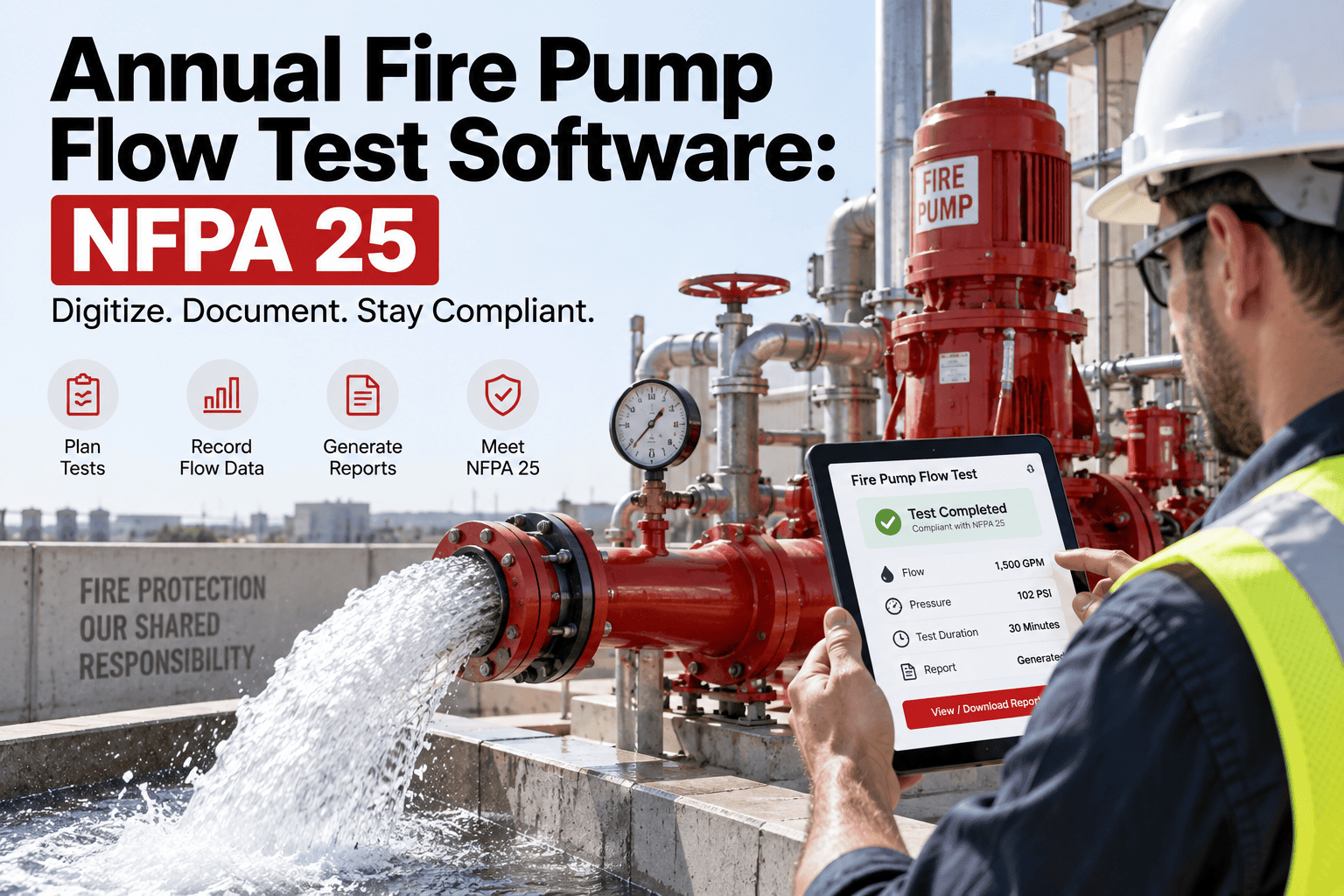
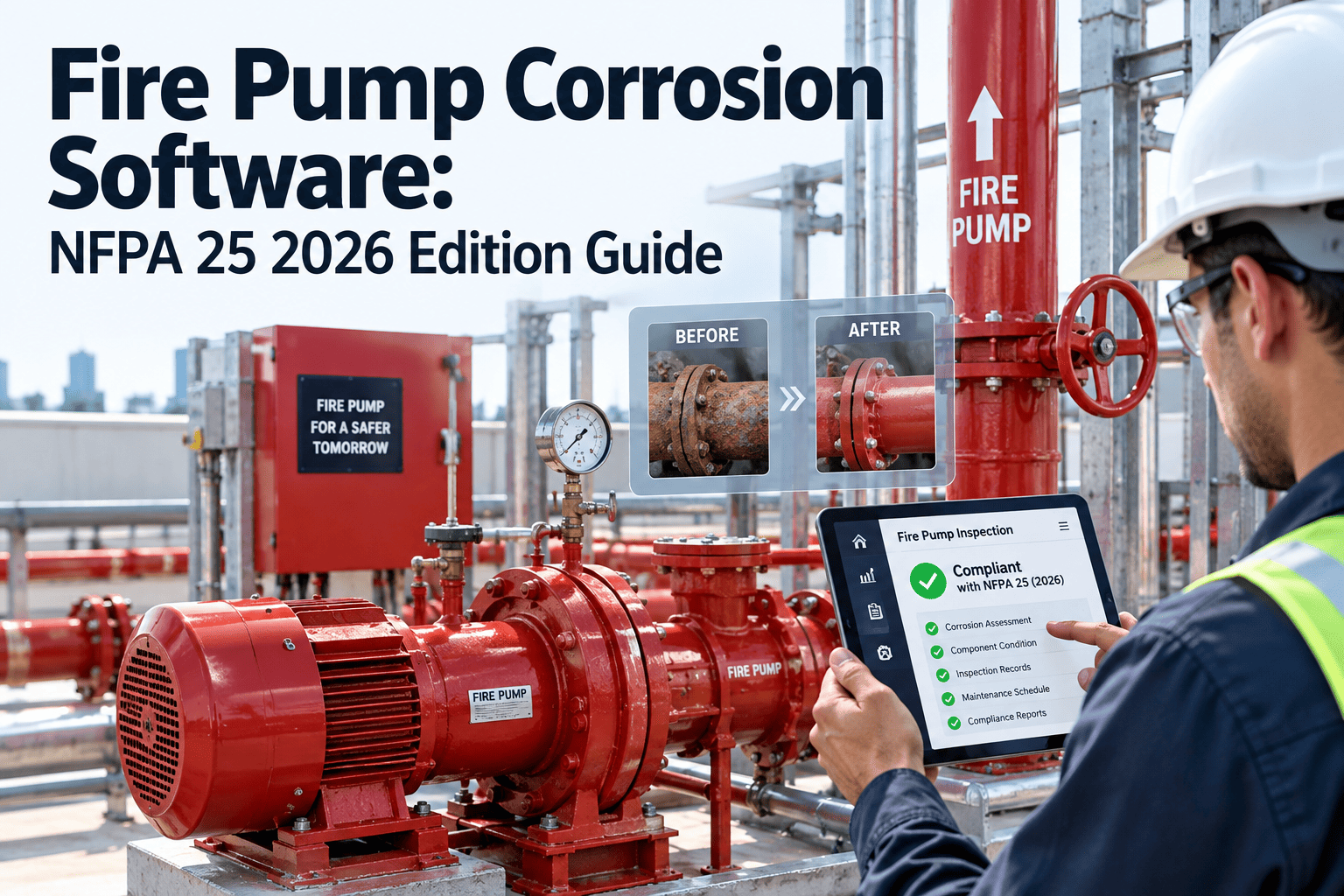
When a fire pump fails to start during an emergency or test run, the consequences can be catastrophic. Fire pumps are designed to activate instantly when pressure drops, delivering water to sprinklers and standpipes that protect lives and property. A non-starting pump isn't just an inconvenience—it's a critical system failure that requires immediate diagnosis. Understanding the common causes of fire pump starting failures helps facility teams restore protection quickly and maintain NFPA 20 compliance.
Oxmaint's fire pump no-start diagnostic checklists transform panic-driven troubleshooting into systematic problem-solving. By organizing potential failure points into logical categories—electrical, mechanical, and controller-based—maintenance teams can quickly isolate root causes and restore pump operation. Facilities using Oxmaint's structured diagnostic workflows reduce pump downtime by 67% and achieve first-time fix rates above 85%. Sign up free to implement systematic fire pump diagnostics today.
Common Fire Pump No-Start Causes
Fire pump starting failures typically fall into predictable categories. Understanding these root causes enables faster diagnosis and targeted repairs that get your fire protection system back online.
Systematic checklists ensure no potential cause is overlooked during troubleshooting. Book a demo to see how Oxmaint guides technicians through structured diagnostics.
Electric Fire Pump No-Start Checklist
Electric fire pumps rely on stable power supply and precise controller signals. Use this checklist to diagnose starting failures systematically. Sign up free to digitize this workflow.
Power Supply Verification
Immediate ChecksDiesel Fire Pump No-Start Checklist
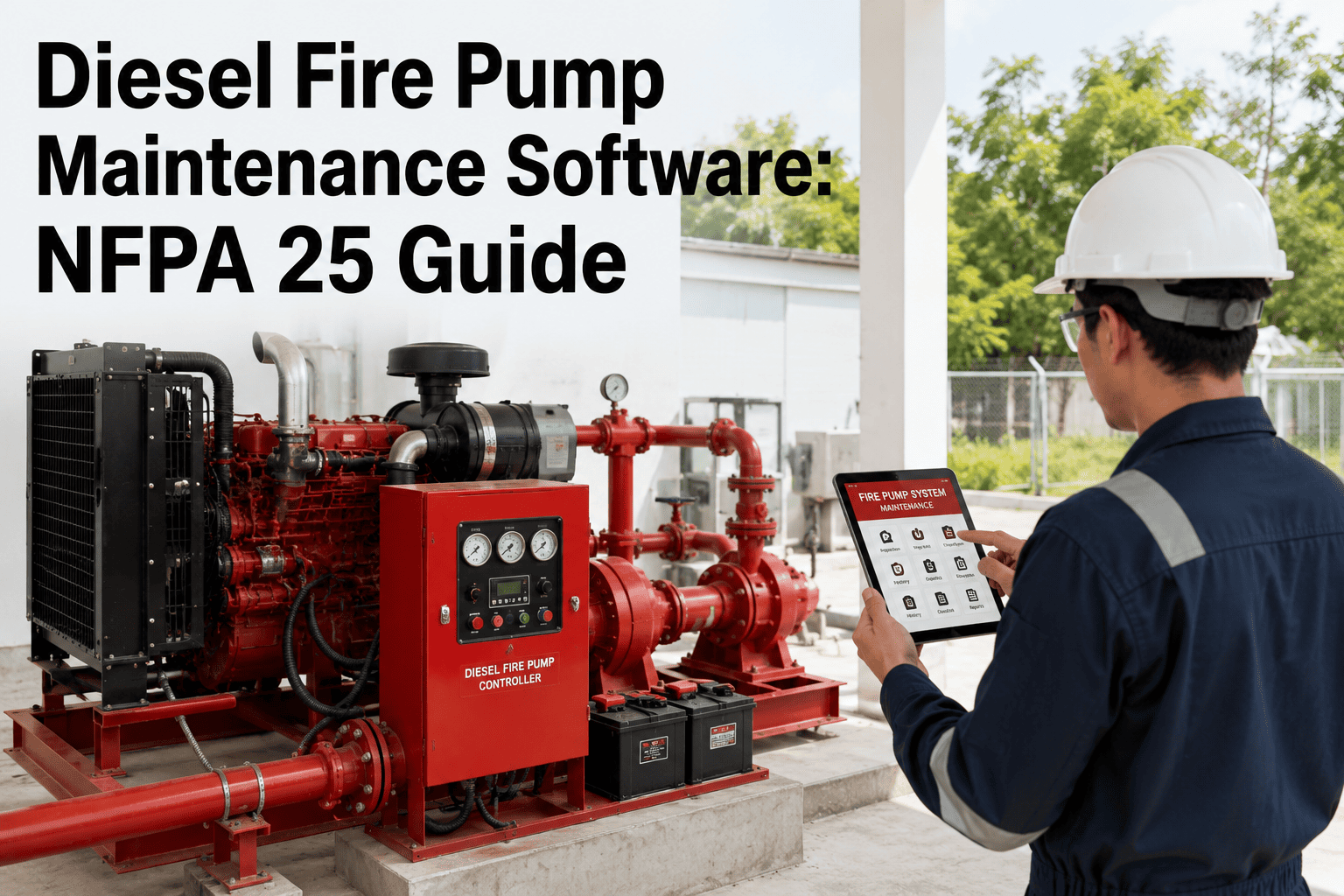
Diesel fire pumps have additional starting requirements including battery power, fuel delivery, and engine mechanical systems. This checklist addresses the unique failure points of diesel-driven pumps.
Battery and Starter System
Primary ChecksFuel System Verification
Secondary ChecksDigitize Your Fire Pump Diagnostics
Turn paper checklists into guided mobile workflows with automatic work order generation.
Controller Diagnostics Workflow
The fire pump controller is the brain of the system—coordinating start signals, monitoring conditions, and managing alarms. Follow this structured approach to diagnose controller-related no-start conditions.
Check Alarm Panel
Review fault indicators and alarm messages on controller display. Document all active alarms before clearing.
Verify Start Signal
Confirm pressure switch is sending start signal to controller. Test by manually dropping system pressure.
Test Manual Start
Attempt manual start from controller. If successful, issue is with automatic start circuit or sensors.
Document and Escalate
Log all findings in Oxmaint. Generate work order for component repair or specialist service.
Fire Pump Status Dashboard
Real-time monitoring catches developing issues before they become no-start failures. Track battery health, controller status, and test results across all fire pumps in your facility.
No-Start Severity Classification
Not all no-start conditions carry equal urgency. Classify failures to prioritize response and allocate resources effectively. Sign up free to implement priority-based dispatching.
Frequently Asked Questions
Never Miss a Fire Pump Start Again
Oxmaint's predictive maintenance platform monitors battery health, tracks test results, and alerts you to developing issues before they become no-start emergencies. Join facilities that have eliminated fire pump failures through proactive management.