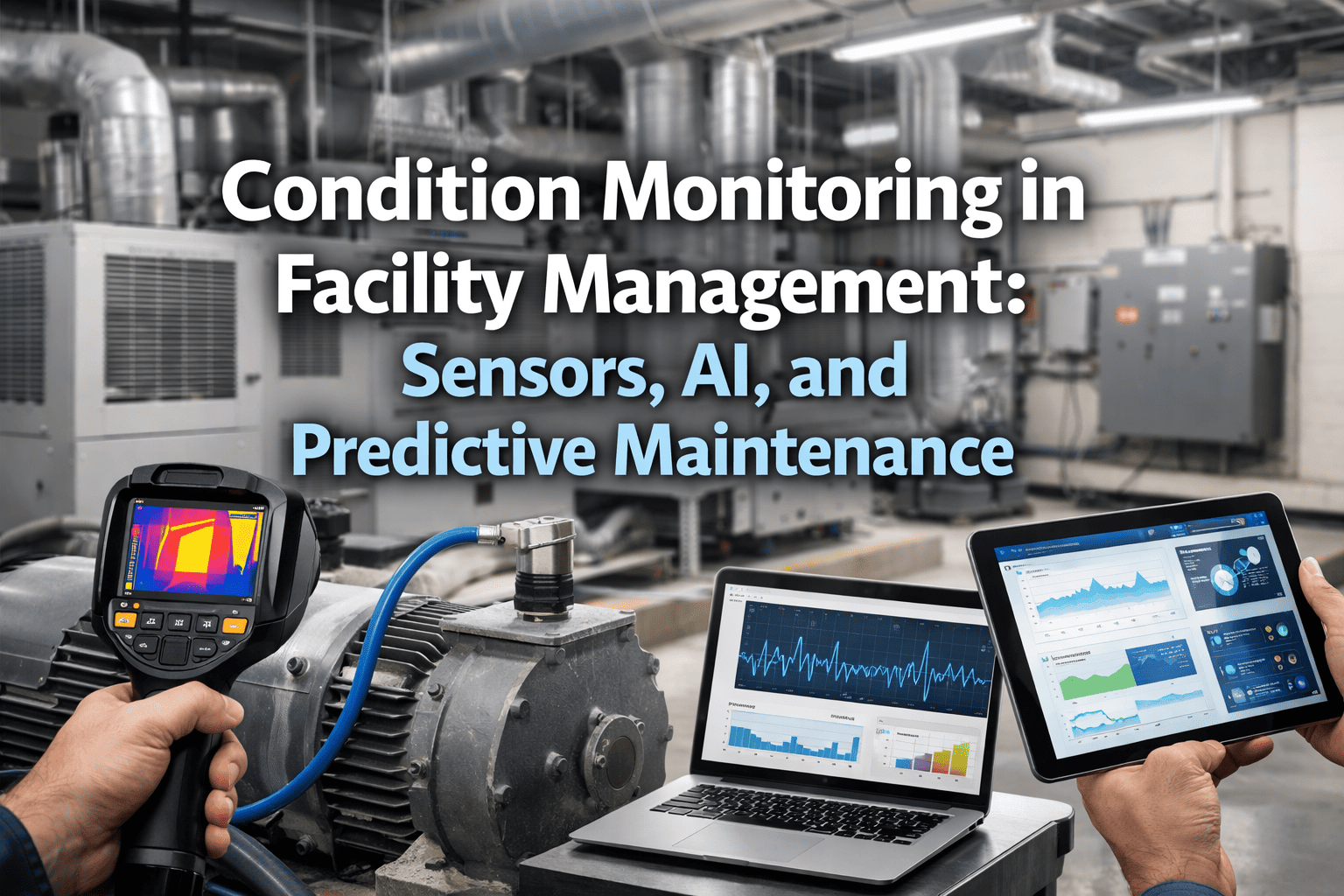
Cooling tower fans are the unsung workhorses of industrial operations, silently transferring heat away from critical processes around the clock. Yet when these fans fail unexpectedly, the consequences can be severe: production shutdowns costing $500,000 per hour, emergency equipment rentals, and cascading damage to surrounding components. The electromechanical assembly of motor, gearbox, and fan accounts for the majority of cooling tower maintenance stoppages, with fan-related failures often being the most catastrophic.
Oxmaint's AI-powered predictive maintenance platform transforms how facility teams manage cooling tower assets. By continuously analyzing vibration signatures, temperature patterns, and acoustic data, our system detects the earliest signs of fan degradation weeks before failure occurs. Facilities using Oxmaint have achieved 99.8% fan uptime while reducing unplanned maintenance costs by up to 45%. Sign up free to protect your cooling infrastructure with intelligent monitoring.
Why Cooling Tower Fans Fail
Understanding the root causes of fan failure is essential for implementing effective predictive strategies. Cooling tower fans operate under demanding conditions with continuous exposure to moisture, temperature fluctuations, and corrosive environments.
Bearing Degradation
The leading cause of fan failure. Lubrication issues, contamination, and fatigue cause bearings to wear over time, creating distinctive vibration signatures detectable weeks before failure.
40% of failuresBlade Imbalance
Dust accumulation, uneven wear, corrosion, or cracked blades create imbalances that propagate stress throughout the system, damaging shafts, bearings, and gearboxes.
Most catastrophicMotor Overload
Restricted airflow, incorrect fan pitch, or worn belts force motors to work harder, increasing energy consumption and accelerating wear on electrical components.
25% of failuresGearbox Issues
Seal damage from excessive vibration, oil degradation, and gear tooth wear cause gearbox failures that require crane access and extended downtime to repair.
High repair costTraditional reactive maintenance only addresses these issues after failure occurs, leading to emergency repairs, crane rentals, and unplanned production shutdowns. Book a demo to see how Oxmaint detects these failure modes before they impact operations.
How AI Detects Fan Failure Early
Oxmaint employs a multi-sensor approach combined with machine learning algorithms trained on thousands of cooling tower operational patterns. This enables detection of potential failures at the earliest possible stage, the moment when issues are still manageable.
Vibration Analysis
Accelerometers mounted on bearing housings capture vibration signatures in real-time. Each fault type creates a unique pattern that AI models recognize instantly.
Acoustic Monitoring
Sound pattern analysis identifies fan anomalies through audio signatures. AI algorithms can locate specific failing components within large fan arrays.
Thermal Imaging
Temperature sensors track motor heat, bearing temperature, and gearbox thermal patterns to identify friction increases and electrical issues.
AI Prediction
Machine learning models analyze combined data streams, compare against baseline patterns, and calculate Remaining Useful Life (RUL) for each component.
Ready to Predict Fan Failures Before They Happen?
Transform your cooling tower maintenance from reactive to predictive with Oxmaint's AI-powered platform.
Live Cooling Tower Dashboard
Monitor the health status of all cooling tower fans across your facility from a single unified interface. Real-time telemetry provides instant visibility into vibration levels, temperature trends, and predicted maintenance windows.
The P-F Curve: Your Window of Opportunity
The P-F Curve illustrates the journey from healthy operation to complete failure. Point P represents when a potential failure becomes detectable, while Point F marks functional failure. The interval between these points is your window for planned maintenance. Oxmaint's AI extends this window by detecting subtle anomalies earlier than traditional methods.
Cost Impact: Reactive vs Predictive
The financial case for predictive maintenance is compelling. A single unplanned fan failure can cost more than years of proactive monitoring. Oxmaint customers consistently report dramatic reductions in total maintenance costs.