Cleaning a 40,000 square foot office building on a fixed schedule made sense when occupancy was predictable. In 2026, with hybrid work patterns, event-driven usage, and variable floor occupancy across the week, cleaning on a fixed schedule means over-servicing empty floors while high-traffic areas are left unhygienic between cycles. Oxmaint's AI Automation platform connects occupancy sensor data, event calendars, and space usage analytics to trigger cleaning work orders based on actual need — reducing janitorial labor waste and raising hygiene standards where it counts most.
JANITORIAL OPERATIONS · AI AUTOMATION
AI Building Occupancy Cleaning Optimization
Trigger cleaning tasks based on real occupancy data, not a fixed weekly schedule. Smarter deployment, measurable hygiene outcomes, and lower janitorial costs in the same facility.
THE PROBLEM WITH FIXED SCHEDULES
Fixed vs Occupancy-Based Cleaning — The Real Difference
| Scenario |
Fixed Schedule Outcome |
Occupancy-Based Outcome |
| Conference room used 6 hours straight, then unused for 3 days |
Cleaned twice during empty period; left dirty after heavy use |
Cleaning triggered within 1 hour of heavy use event ending |
| Floor 3 at 15% occupancy on Fridays |
Full cleaning crew deployed as usual; 85% of effort wasted |
Cleaning deferred or condensed based on actual usage data |
| All-hands event increases lobby occupancy 4x for one day |
Next scheduled clean is 3 days later; hygiene gap persists |
Auto-triggered enhanced cleaning before and after the event |
| Restrooms near high-occupancy zones |
Same frequency as low-traffic restrooms in building |
Frequency scaled to actual footfall data for each restroom block |
HOW IT WORKS
The Occupancy-Driven Cleaning Workflow
Step 1
Data Inputs
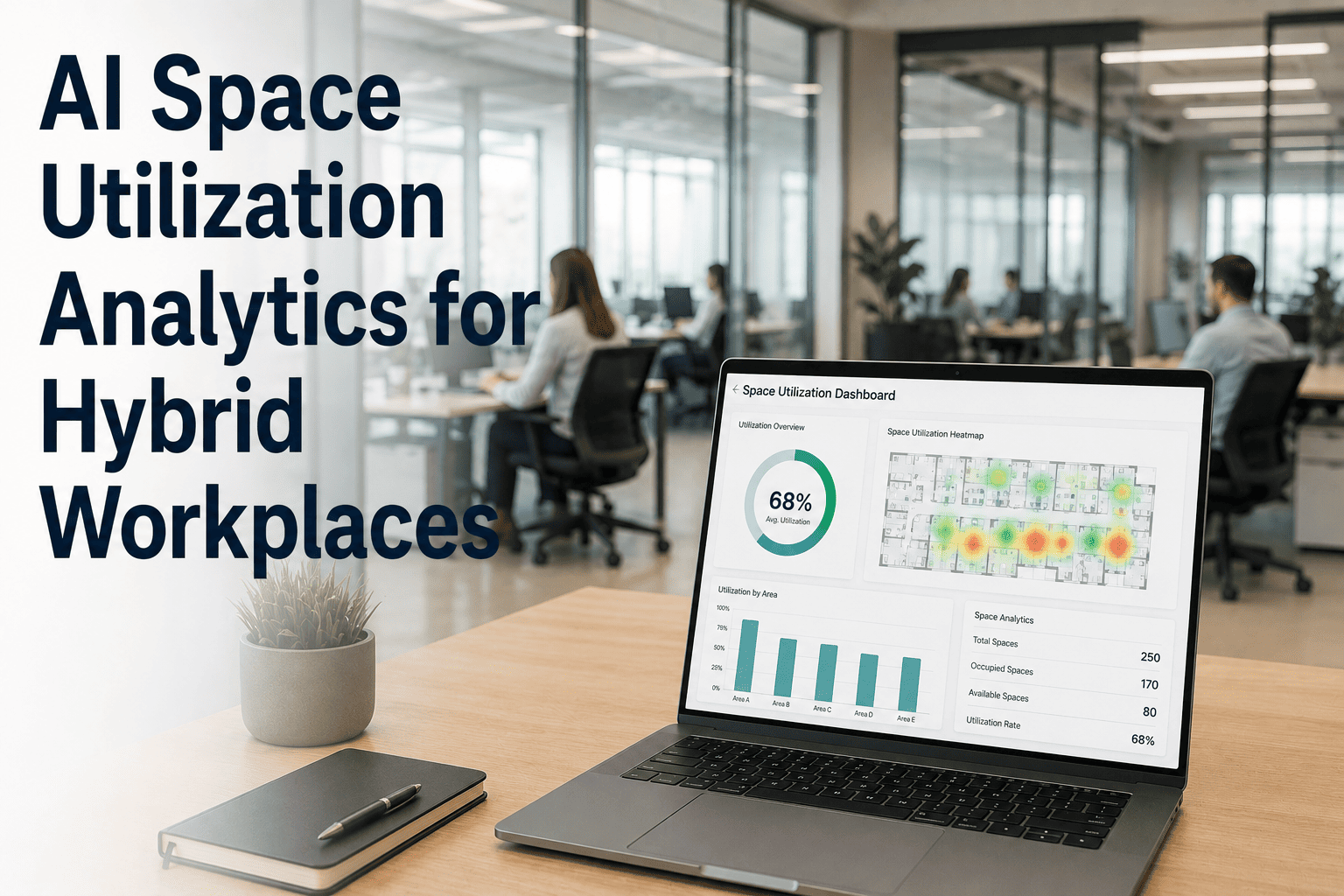
Oxmaint connects to occupancy sensors, room booking systems, and event calendars. Every space has a real-time occupancy profile updated continuously.
Step 2
AI Threshold Rules
Custom thresholds trigger cleaning work orders based on cumulative occupancy hours, peak headcount, or event completion — configured per space type.
Step 3
Auto Work Orders
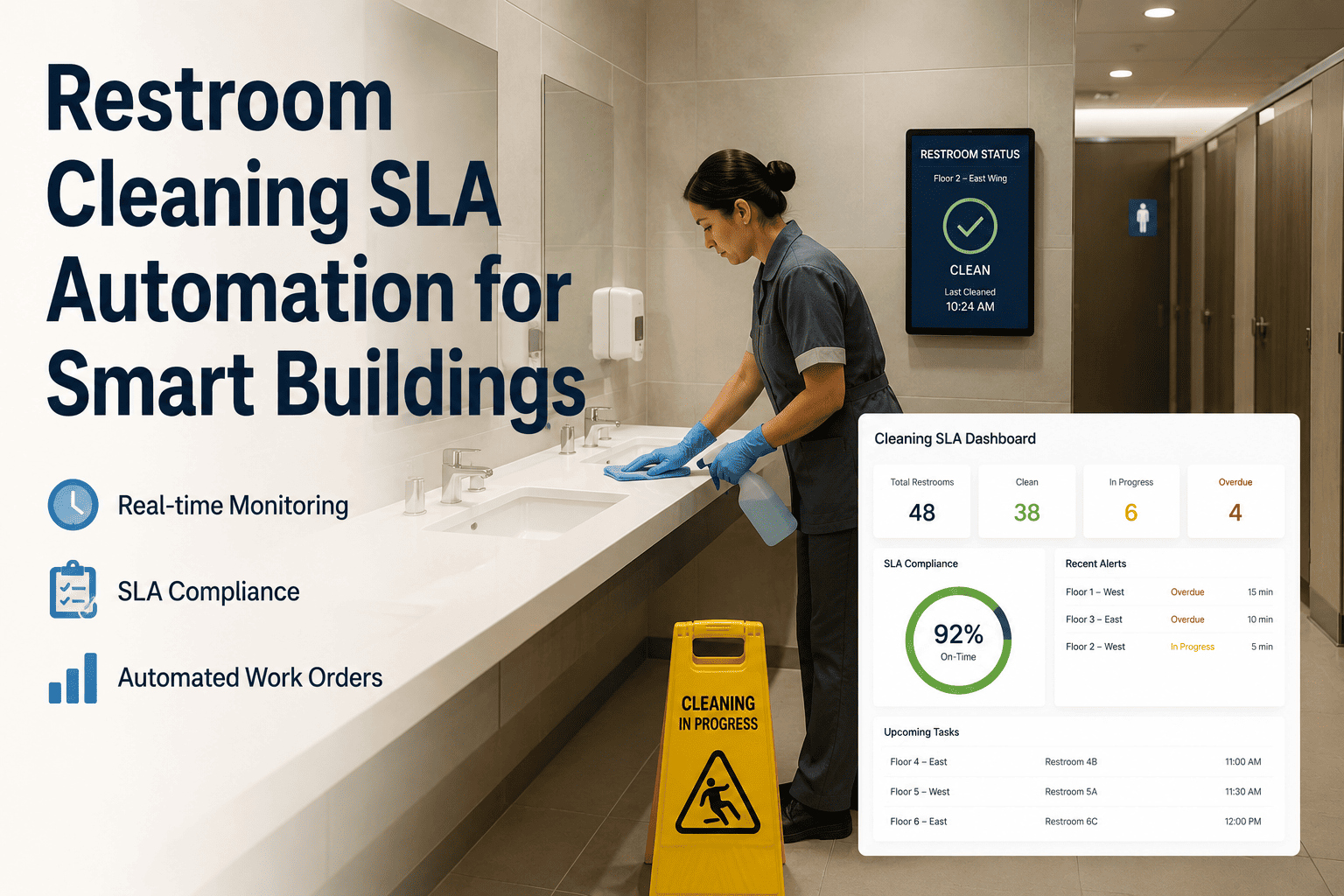
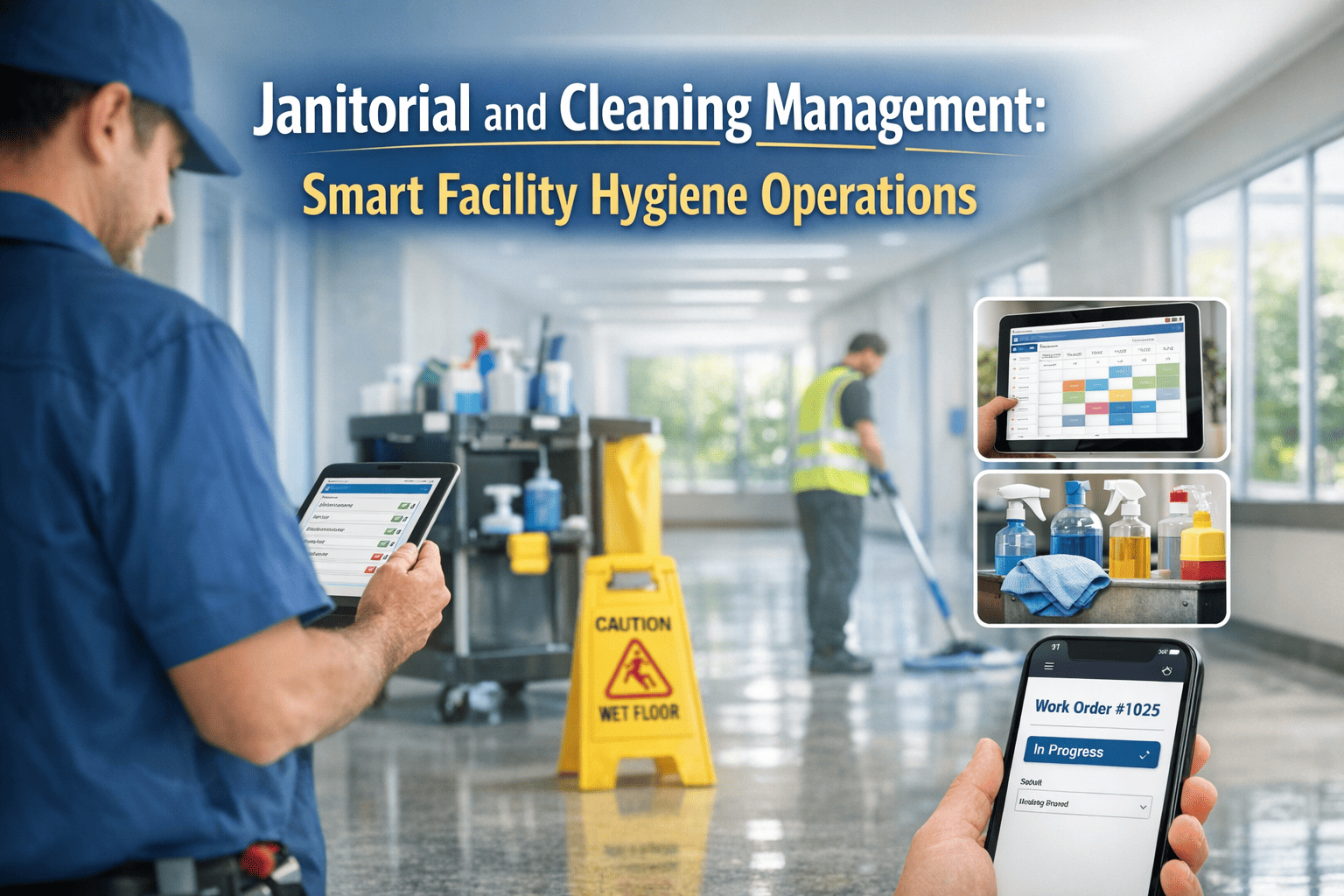
Cleaning work orders are automatically created and assigned to the right team. No radio calls, no paper lists — the right person gets the right task on mobile.
Step 4
Analytics & Reporting
Facility managers see cleaning task completion rates, response times, and hygiene coverage across the building — by floor, zone, or space type.
DOCUMENTED OUTCOMES
What Facilities Achieve with Occupancy-Based Cleaning
23%
Labor Cost Reduction
Facilities using occupancy-triggered scheduling eliminate redundant cleaning cycles on underoccupied floors, reducing labor hours by an average of 23% without reducing hygiene standards in occupied areas.
41%
Fewer Hygiene Complaints
When cleaning frequency tracks actual occupancy rather than a fixed calendar, high-traffic areas receive timely service and tenant hygiene complaints drop by an average of 41% within 90 days of implementation.
18%
Supply Cost Savings
Smarter cleaning deployment reduces unnecessary chemical and consumable use. Facilities track supply consumption per zone in Oxmaint and reorder based on actual usage rather than fixed inventory cycles.
EXPERT REVIEW
What Facility Operations Leaders Are Saying
"Fixed-schedule janitorial programs were designed for a world where buildings operated on predictable, consistent occupancy patterns. That world no longer exists. Hybrid work has created buildings where occupancy varies by 60 to 70 percent between peak and trough days of the week. The facility managers who are winning are those who have decoupled their cleaning program from the calendar and tied it to occupancy reality. AI-triggered work orders close the gap between when a space actually needs cleaning and when it gets cleaned — and the measurable result is both lower costs and higher occupancy satisfaction scores."
Miriam Adeyemi
Director of Workplace Experience, CoreNet Global member · 16 years in corporate real estate and facilities operations
Clean smarter. Not on a schedule nobody follows.
Oxmaint's occupancy-based cleaning automation connects your space data to your janitorial workflow — so cleaning happens when and where it is actually needed. Book a demo to see the trigger logic and dashboard in action.
FREQUENTLY ASKED QUESTIONS
Occupancy-Based Cleaning — What Facilities Ask