Electrical panel inspections are the frontline defense against facility fires, equipment damage, and costly
downtime. With electrical failures causing over 50,000 industrial fires annually and accounting for $1.8 billion
in property damage, systematic panel inspections aren't optional—they're essential. Yet studies reveal that 60%
of facilities lack formal electrical inspection programs, leaving critical infrastructure vulnerable to
preventable failures. OXmaint's maintenance management software streamlines electrical inspection workflows with
automated scheduling, digital checklists, and instant work order generation—start your free trial today to protect your facility.
50,000+
Industrial Electrical Fires Annually
$1.8B
Annual Property Damage from Electrical Failures
85%
Failures Preventable with Regular Inspections
4-6 hrs
Average Unplanned Downtime per Electrical Failure
Complete Electrical Panel Inspection Checklist
A comprehensive electrical panel inspection covers safety protocols, visual assessments, functional testing, and
documentation requirements. This checklist follows NFPA 70B guidelines and industry best practices to ensure
thorough coverage of all critical inspection points. Use this as your master reference for developing
facility-specific inspection protocols.
01
Pre-Inspection Safety
Verify lockout/tagout procedures completed
Confirm proper PPE (arc flash rated)
Review panel single-line diagram
Check for adequate lighting
Ensure 36" clearance maintained
02
Enclosure Inspection
Check enclosure for physical damage
Inspect door gaskets and seals
Verify ventilation openings clear
Look for signs of moisture/corrosion
Confirm proper panel labeling
03
Internal Visual Inspection
Inspect bus bars for discoloration
Check for dust/debris accumulation
Look for signs of overheating
Verify conductor insulation integrity
Check for pest evidence/damage
04
Connection Integrity
Verify terminal tightness (torque check)
Inspect lug connections
Check neutral/ground connections
Verify wire sizing per circuit
Inspect splices and terminations
05
Breaker Assessment
Test breaker operation (on/off/trip)
Verify breaker amperage ratings
Check for proper breaker seating
Inspect for signs of arcing
Verify AFCI/GFCI functionality
06
Thermal Imaging
Perform IR scan under load
Document hotspots (>10°C above ambient)
Compare to baseline readings
Photograph anomalies
Prioritize repairs by severity
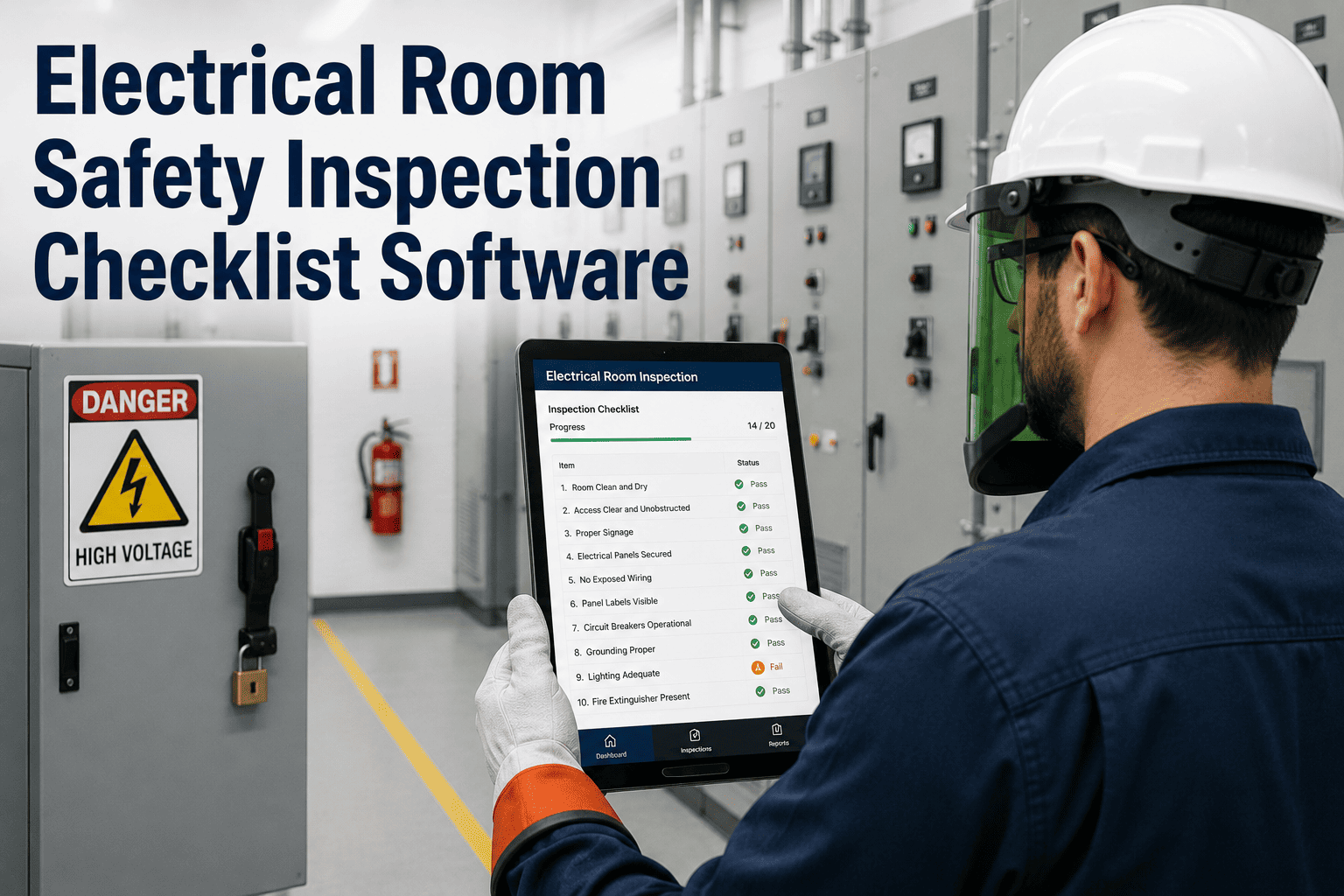
OXmaint's digital inspection checklists ensure nothing gets missed. Our mobile-friendly platform guides
technicians through each inspection point, captures photos, and automatically generates work orders for
identified issues. Try OXmaint free and
experience streamlined electrical inspections.
Download Your Free Inspection Checklist Template
OXmaint's digital checklists include all 47 critical inspection points with
built-in guidance, photo capture, and automatic work order generation.
Inspection Frequency Guidelines
Electrical panel inspection frequency depends on panel age, load conditions, environment, and criticality. NFPA
70B recommends establishing inspection intervals based on equipment importance and operating conditions. Use
this guide to develop your facility's inspection schedule.
Daily
Visual check for warning lights
Listen for unusual sounds
Check for burning odors
Verify clearances maintained
5-10 minutes
Monthly
External enclosure inspection
Verify panel labeling
Check ambient temperature
Review recent trip events
15-30 minutes
Quarterly
Internal visual inspection
Thermal imaging scan
Breaker operation test
Connection spot checks
1-2 hours
Annual
Comprehensive inspection
Torque verification all connections
Insulation resistance testing
Full documentation update
4-8 hours
Common Electrical Panel Problems and Warning Signs
Recognizing early warning signs prevents minor issues from becoming catastrophic failures. Train your maintenance
team to identify these common problems during routine inspections. Early detection can prevent 85% of electrical
failures and associated downtime.
Critical
Burning Smell or Smoke
Indicates active arcing or overheating. Immediate shutdown required. Do
not re-energize until inspected.
Action: De-energize immediately, evacuate area
Critical
Visible Arcing or Sparks
Active electrical fault presenting immediate fire and shock hazard. Arc
flash incident risk is high.
Action: Emergency shutdown, qualified repair only
High
Discolored Components
Brown/black discoloration on breakers, bus bars, or wiring indicates
past or ongoing overheating events.
Action: Schedule immediate repair, monitor closely
High
Frequent Breaker Trips
Indicates overloaded circuits, failing breakers, or downstream faults
requiring investigation.
Action: Load analysis and circuit evaluation
Moderate
Missing/Illegible Labels
Creates safety hazards and code violations. Impedes troubleshooting and
emergency response.
Action: Update panel directory, verify circuits
Moderate
Corrosion/Moisture
Reduces connection integrity and insulation effectiveness. Can lead to
ground faults and arcing.
Action: Identify source, clean, apply protection
OXmaint's inspection module includes severity-based escalation workflows. When technicians identify critical
issues, the system automatically alerts supervisors and generates priority work orders. Schedule a demo to see how
automated escalation protects your facility.
Turn Inspections Into Immediate Action
OXmaint automatically converts inspection findings into prioritized work
orders with full documentation, photos, and repair guidance.
Thermal Imaging Best Practices
Infrared thermography is the most effective predictive maintenance tool for electrical systems. Thermal imaging
detects hot spots from loose connections, overloaded circuits, and failing components before they cause
failures. Follow these guidelines for accurate, actionable thermal inspections.
Before Scanning
Ensure minimum 40% load on circuits
Allow 2+ hours under load before scan
Remove panel covers safely (de-energized or qualified personnel)
Calibrate camera to ambient temperature
Document baseline readings
During Scanning
Scan all connections systematically
Compare similar components (phase-to-phase)
Document all anomalies with photos
Note ambient and reference temperatures
Record load conditions during scan
Severity Classification
1-10°C above ref: Monitor closely
11-20°C above ref: Schedule repair
21-40°C above ref: Repair ASAP
>40°C above ref: Immediate action
NFPA 70B Compliance Requirements
NFPA 70B provides the standard for electrical equipment maintenance. While not universally mandated by law,
insurance carriers increasingly require documented compliance, and OSHA references these standards when
evaluating workplace safety. Understanding these requirements protects both your facility and your organization.
Documentation Requirements
Maintain written maintenance procedures
Document all inspection findings and dates
Keep records of repairs and replacements
Archive test results and thermal images
Update single-line diagrams after changes
Personnel Requirements
Qualified electrical workers only
Annual safety training documented
Arc flash training and awareness
Proper PPE selection and use
LOTO training and authorization
Maintenance Program Elements
Establish inspection frequencies
Prioritize equipment by criticality
Include predictive maintenance (thermal)
Define acceptance criteria
Track and trend equipment condition
OXmaint's CMMS platform provides built-in NFPA 70B
compliance tracking with automated scheduling, digital documentation, and audit-ready reporting. Demonstrate
compliance effortlessly during insurance reviews and OSHA inspections.
Building Your Electrical Inspection Program
An effective electrical inspection program requires clear procedures, trained personnel, proper tools, and
consistent documentation. Follow this implementation roadmap to establish or improve your facility's electrical
maintenance program.
Week 1-2
Assessment
Inventory all electrical panels, establish criticality rankings,
review existing documentation
Week 3-4
Planning
Define inspection procedures, establish frequencies, select tools and
software
Week 5-6
Training
Train inspection personnel, practice documentation procedures,
calibrate equipment
Week 7+
Execution
Begin scheduled inspections, refine procedures, track metrics and
improve
Launch Your Inspection Program with OXmaint
Our implementation specialists help you build a NFPA 70B compliant
electrical inspection program with digital checklists, automated scheduling, and comprehensive
reporting.
ROI of Proactive Electrical Inspections
Structured electrical inspection programs deliver measurable returns through prevented failures, reduced
downtime, extended equipment life, and lower insurance costs. Here's what facilities typically save with
proactive maintenance.
Prevented Equipment Failures
Catching issues before catastrophic damage
$125,000
Reduced Downtime
85% fewer unplanned electrical outages
$200,000
Extended Equipment Life
15-25% longer panel and breaker lifespan
$45,000
Insurance Premium Reduction
Documented compliance reduces rates 5-15%
$30,000
Fire Prevention
Avoided property damage and liability
$100,000+
Total Annual Value:
$500,000+
Program investment typically returns 10-15x annually
Frequently Asked Questions
How often should electrical panels be inspected?
NFPA 70B recommends annual comprehensive inspections at minimum, with quarterly
thermal imaging and monthly visual checks for critical panels. High-demand environments may require more
frequent inspections. OXmaint helps you establish and maintain appropriate inspection schedules—
start your free trial to automate
scheduling.
Who is qualified to inspect electrical panels?
Electrical panel inspections must be performed by qualified electrical workers
with training in electrical safety, arc flash hazards, and proper PPE usage. NFPA 70E and OSHA require
documentation of qualification.
Talk to our team about building qualification tracking into your
inspection program.
What PPE is required for electrical panel inspection?
PPE requirements depend on the arc flash hazard level determined by an arc
flash study. Typical requirements include arc-rated clothing, safety glasses, insulated gloves rated for
the voltage level, and face shields for higher hazard categories. Never open energized panels without
proper PPE.
Can thermal imaging be done on energized panels?
Yes, thermal imaging is most effective on energized panels under load. However,
panel covers must often be removed, which requires proper PPE and safety procedures. Many facilities
install IR viewing windows to allow scanning without cover removal.
Schedule a demo to
learn how OXmaint tracks thermal findings.
How do I document electrical inspections for compliance?
Documentation should include inspection date, inspector name, all findings
(positive and negative), photos of issues, corrective actions taken, and follow-up verification.
OXmaint's digital checklists automatically capture all required information and store it for instant
retrieval during audits—
try it free.
Protect Your Facility with Professional Electrical Inspections
Join thousands of facility managers using OXmaint to manage electrical
inspections, ensure NFPA compliance, and prevent costly failures. Our platform includes digital
checklists, automated scheduling, thermal imaging integration, and complete audit trails.