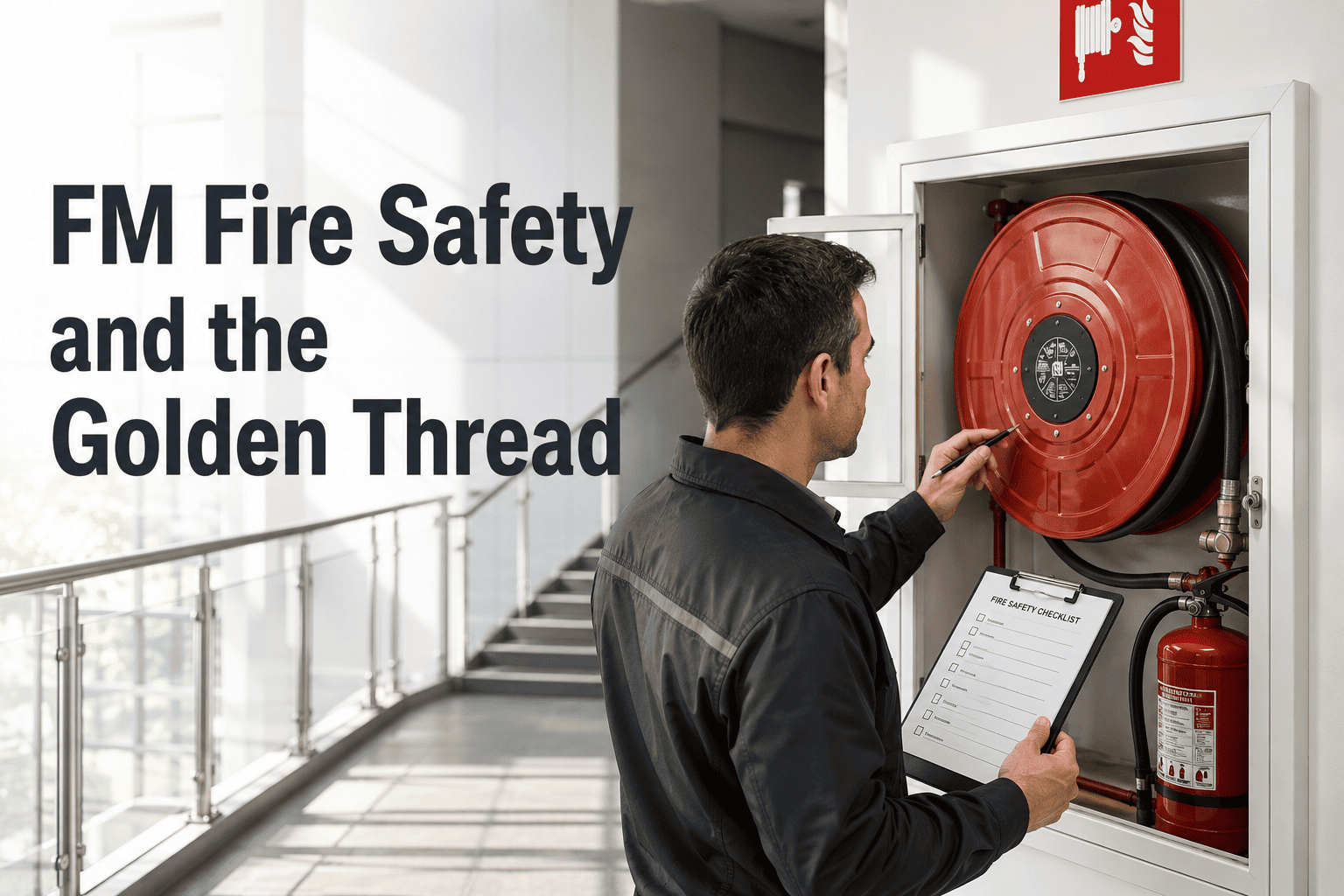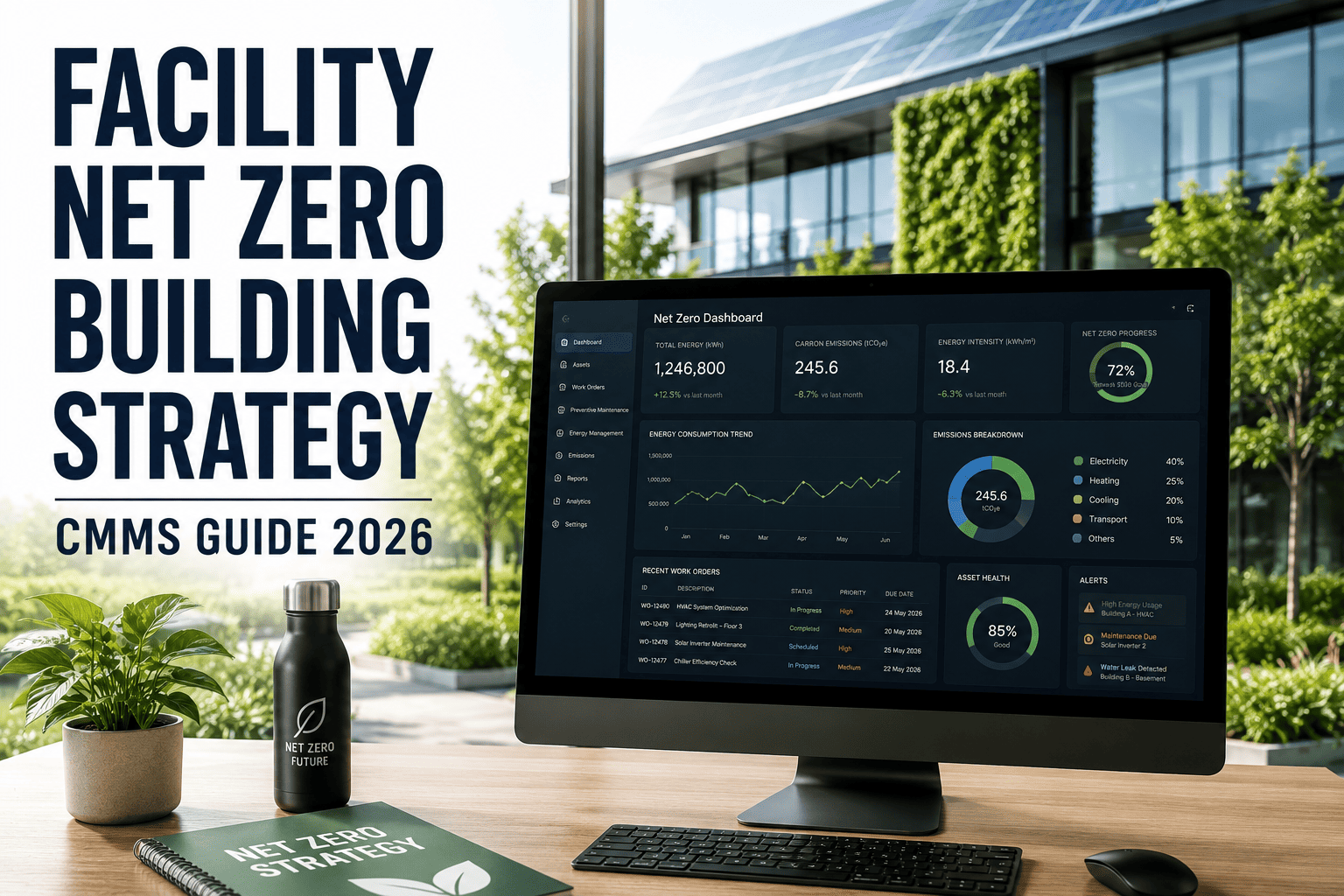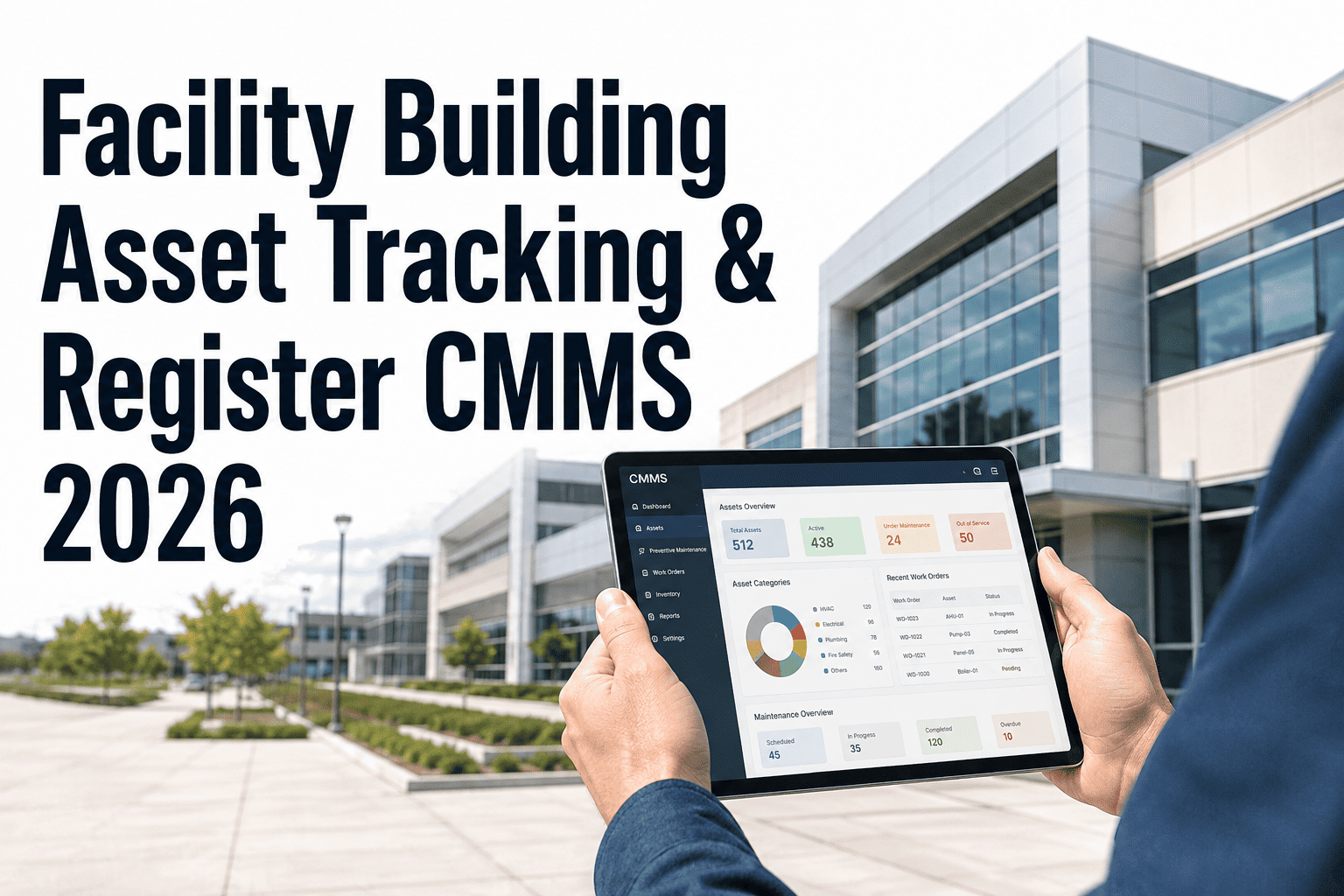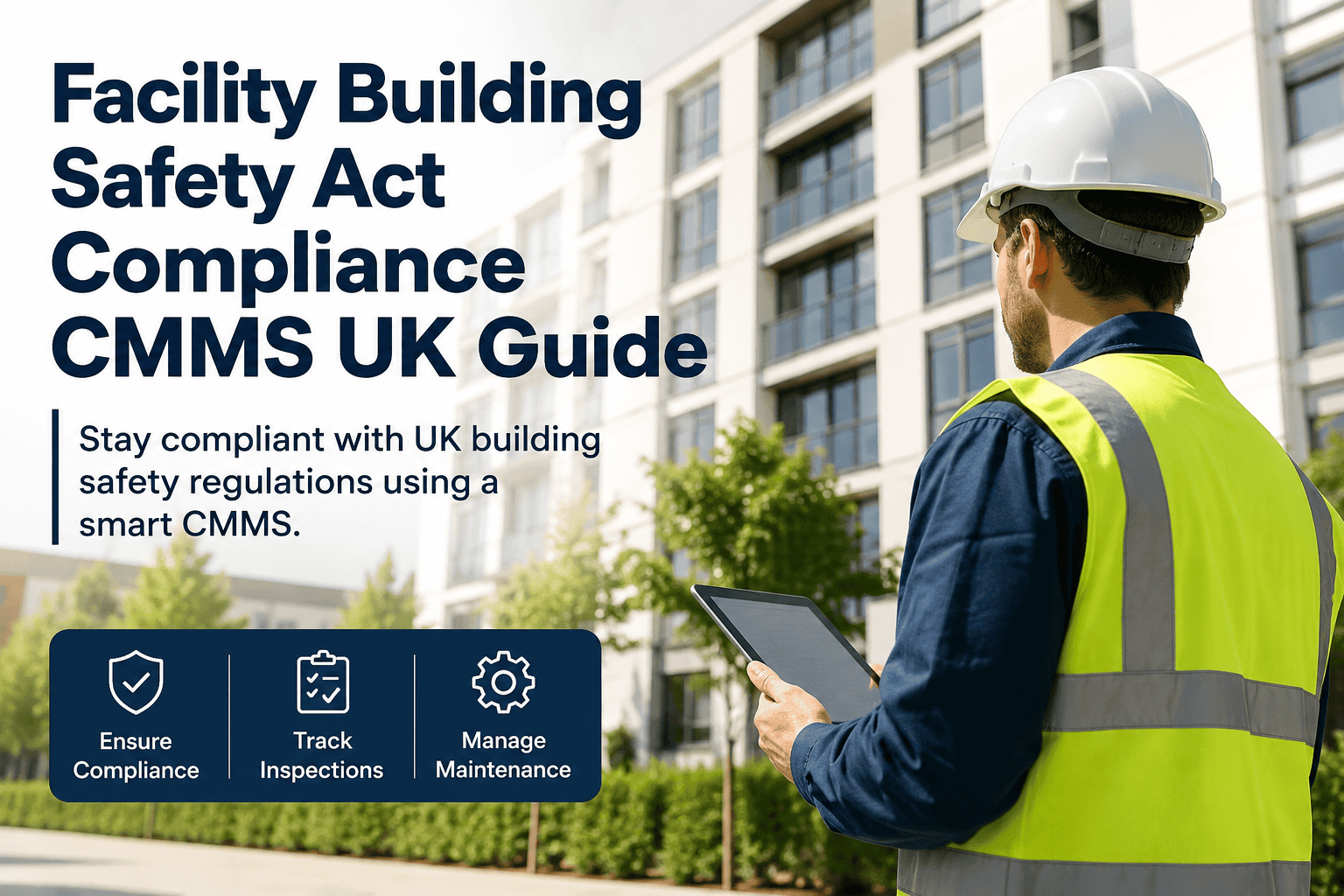
The Grenfell Tower fire in June 2017 killed 72 people and led directly to the most significant rewrite of UK building safety law in fifty years. If you manage a higher-risk building — one with two or more residential units and either seven storeys or 18 metres in height — the Building Safety Act 2022 now requires you to keep a secure, structured digital record of every safety-critical fact about that building, known as the golden thread, and hand it over on request to the Building Safety Regulator. This is not an optional best practice. A duty holder who fails to transfer golden thread records when responsibility for a building changes hands can be prosecuted, fined, and jailed for up to two years. Most facility teams already hold this information somewhere — fire risk assessments, maintenance logs, inspection certificates — just scattered across spreadsheets, inboxes, and paper files, none of which satisfies the Act's requirement for a single accessible digital thread. This guide sets out exactly what the golden thread must contain, who carries legal responsibility for it, and how a CMMS like OxMaint turns a four-year-old compliance obligation into one searchable, audit-ready system.
The Golden Thread Isn't Paperwork. It's a Legal Duty With a Prison Sentence Attached.
Section 88 of the Building Safety Act made one thing non-negotiable for every higher-risk building in England: a live, digital, audit-ready record of building safety information that survives every handover, every refurbishment, and every change of accountable person.
From Grenfell to Gateway 3: How the Golden Thread Became Law
The golden thread did not appear overnight — it is the product of a five-year regulatory response. Understanding the timeline helps explain why enforcement has tightened every year since.
What the Golden Thread Must Actually Contain
The Act does not treat the golden thread as a single document — it is a set of statutory obligations spread across several sections, each covering a different category of building safety information.
Who Is Legally Responsible for the Golden Thread
The Act spreads responsibility across a defined chain of dutyholders. Ownership of the golden thread shifts as a building moves from design through construction into occupation.
| Dutyholder | Phase Responsible For | Core Obligation |
|---|---|---|
| Client | Design & construction | Ultimately responsible for creating and maintaining the golden thread, though duties can be delegated to contractors and designers |
| Principal Designer | Design | Ensures design-stage safety information is accurate and captured in the golden thread before construction begins |
| Principal Contractor | Construction | Maintains as-built accuracy of golden thread records as construction and any design changes take place |
| Accountable Person | Occupation | Manages record-keeping and retains building information for their part of the building once residents move in |
| Principal Accountable Person | Occupation | Carries overall legal responsibility, prepares the Safety Case Report and Resident Engagement Strategy, and answers to the regulator |
Turning Golden Thread Compliance Into a Repeatable System
Meeting Section 88 is not a one-time project — it has to survive staff turnover, contractor changes, and years of ongoing maintenance. Here is how that works inside a CMMS.
Golden Thread & Building Safety Act — Common Questions
What actually counts as a higher-risk building?
A building qualifies if it has two or more residential units and is either 18 metres tall or has seven or more storeys, along with certain hospitals and care homes. Qualifying buildings must register with the Building Safety Regulator before occupation. Read the full golden thread setup guide for a detailed walkthrough.
What happens if we fail to maintain the golden thread properly?
A breach can trigger criminal liability. An accountable person who fails to transfer golden thread records when responsibility changes hands can face prosecution, a fine, and up to two years in prison. Incomplete records also delay Gateway 3 completion certificates.
Who is legally responsible for keeping it accurate?
Responsibility shifts by phase — the client and design team during construction, then the Accountable Person and Principal Accountable Person once the building is occupied. The Principal Accountable Person carries the overall duty to the regulator.
Can a CMMS fully satisfy golden thread requirements on its own?
A CMMS handles the structured, digital, continuously updated record-keeping the Act requires — maintenance logs, certifications, and asset history. Book a demo to see how OxMaint maps directly to each statutory section.
How often does the golden thread need to be updated?
It is a living record — updates are required whenever an inspection, repair, refurbishment, or safety-relevant change occurs, not on a fixed annual schedule. The regulator can request current information at any time.
Stop Rebuilding Your Golden Thread Every Time the Regulator Asks
OxMaint links every inspection, certificate, and work order to the right statutory section automatically, so your building safety record stays audit-ready every day of the year — not just the week before a review.