A facility maintenance SLA is only as strong as the system tracking it. Most FM operations define SLA targets in their contracts — response times, resolution deadlines, vendor performance benchmarks — but track compliance through manual spreadsheets, end-of-month reports compiled retrospectively, and escalation emails that arrive after the breach has already occurred. The result is consistent SLA failure, tenant relationship damage, and contract renewal negotiations where the client holds all the evidence and the FM team has none. Oxmaint's vendor management and SLA tracking system monitors every open work order against its SLA clock in real time, escalates before breaches occur, and generates the compliance reports that turn SLA performance from a liability into a competitive advantage.
SLA AND VENDOR MANAGEMENT
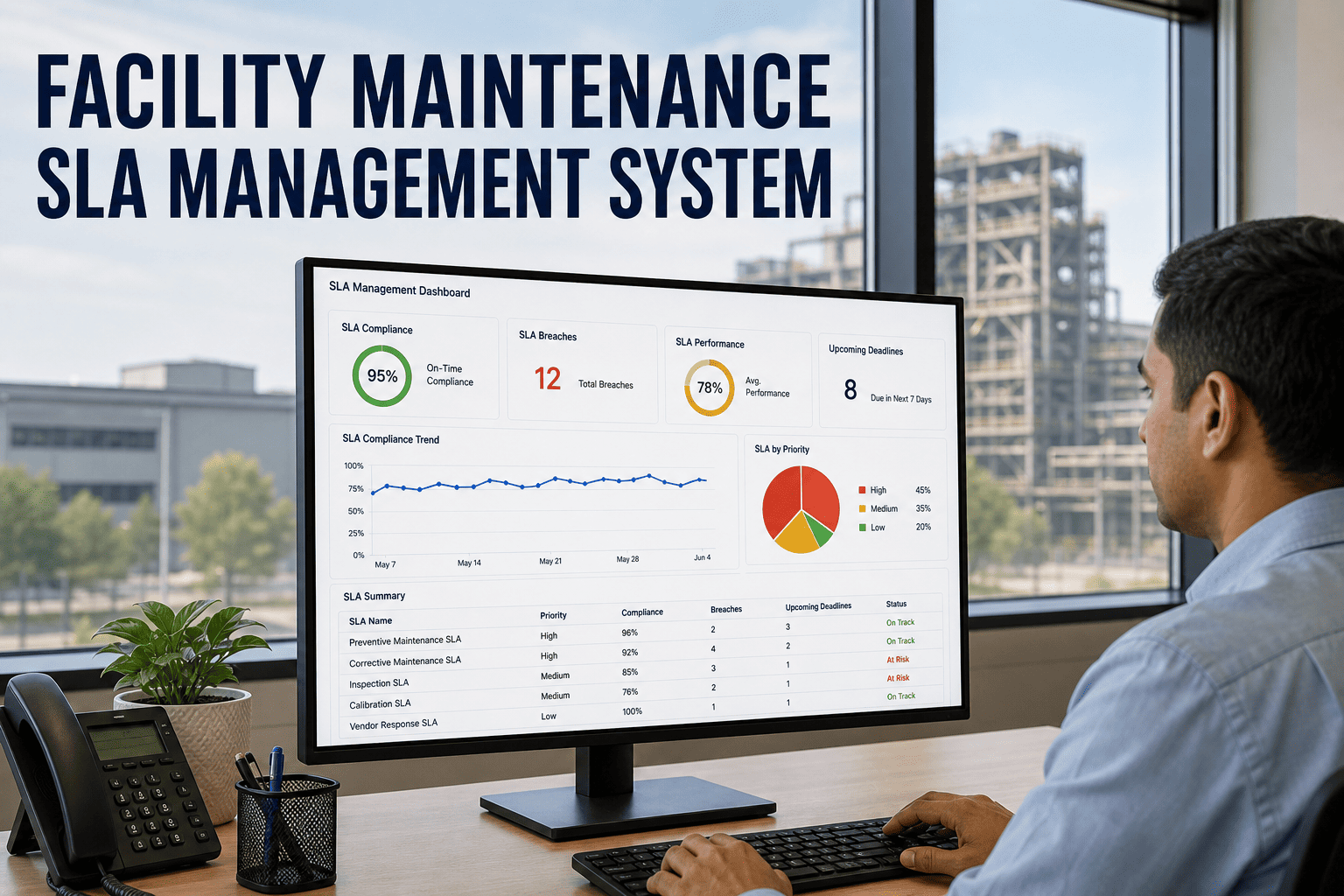
Facility Maintenance SLA Management System
Real-time SLA tracking, automated escalation, vendor performance scorecards, and compliance reporting — in one platform built for FM operations that need to prove performance, not just promise it.
The Four SLA Failure Modes in Facility Management
SLA failures in FM operations almost always fall into one of four patterns. Identifying which pattern dominates your operation is the starting point for designing a monitoring system that actually prevents breaches rather than simply documenting them after they occur.
01
Acknowledgement Gap
Work orders are logged but sit unacknowledged in a shared inbox while the response SLA clock runs. By the time a technician picks up the job, the response target has already been breached without any escalation.
Frequency: Highest in teams managing 80+ work orders per week without automated dispatch
02
Vendor Delay Without Visibility
Subcontractor work orders are dispatched but vendor attendance and resolution is tracked by phone call rather than system — delays accumulate invisibly until the resolution SLA clock expires and the client raises a formal breach.
Frequency: Dominant in multi-vendor FM operations without a unified tracking platform
03
Parts-Pending Limbo
Technician attends within SLA, identifies a parts requirement, and the job enters a parts-pending status — but the SLA resolution clock continues to run against the FM team regardless of parts lead time, creating breaches on jobs that were actually attended promptly.
Frequency: Critical in facilities with complex or imported spares requirements
04
Retrospective Compliance Discovery
FM teams discover SLA compliance figures only when compiling the monthly report — at which point all breaches have already occurred, clients have already experienced the failures, and there is no opportunity for proactive service recovery.
Frequency: Universal in teams without real-time SLA dashboards
SLA Framework: FM Industry Benchmarks by Request Type
Establishing defensible SLA targets requires industry benchmark data as a reference point. The table below reflects standard SLA commitments across commercial, healthcare, retail, and government FM contracts — providing the baseline for configuring Oxmaint's SLA engine to match your contractual obligations.
| Request Type |
Priority |
Response SLA |
Resolution SLA |
Typical Sector |
| Life safety system fault |
P1 |
15 min |
4 hours |
All sectors |
| Complete service failure (HVAC, power) |
P2 |
1–2 hours |
8–24 hours |
Commercial, healthcare, retail |
| Occupied space comfort failure |
P2 |
2–4 hours |
24–48 hours |
Commercial office, retail |
| Tenant service request (standard) |
P3 |
4–8 hours |
3–5 working days |
Commercial, residential |
| Planned maintenance overdue |
P3 |
Next business day |
Within agreed schedule |
All sectors |
| Cosmetic / minor defect |
P4 |
5 working days |
20 working days |
Commercial, hospitality |
| Capital project work order |
P4 |
Programme-dependent |
Per project schedule |
All sectors |
How Oxmaint Manages the Complete SLA Lifecycle
1
SLA Clock Starts at Log
The moment a work order is created — whether by tenant portal, mobile app, or supervisor entry — the response SLA clock starts automatically based on the assigned priority level. No manual setting required, no gap between log time and clock start.
2
Automated Dispatch and Acknowledgement
Oxmaint dispatches the work order to the assigned technician or vendor and captures digital acknowledgement. Response SLA is met at acknowledgement — not at job completion — preventing false breaches from attended jobs in progress.
3
Pre-Breach Escalation Alerts
At configurable thresholds before SLA expiry — typically 25% and 10% of SLA time remaining — Oxmaint sends escalation alerts to duty managers, supervisors, and account managers. Breaches become preventable rather than retrospectively reported.
4
Vendor Performance Tracking
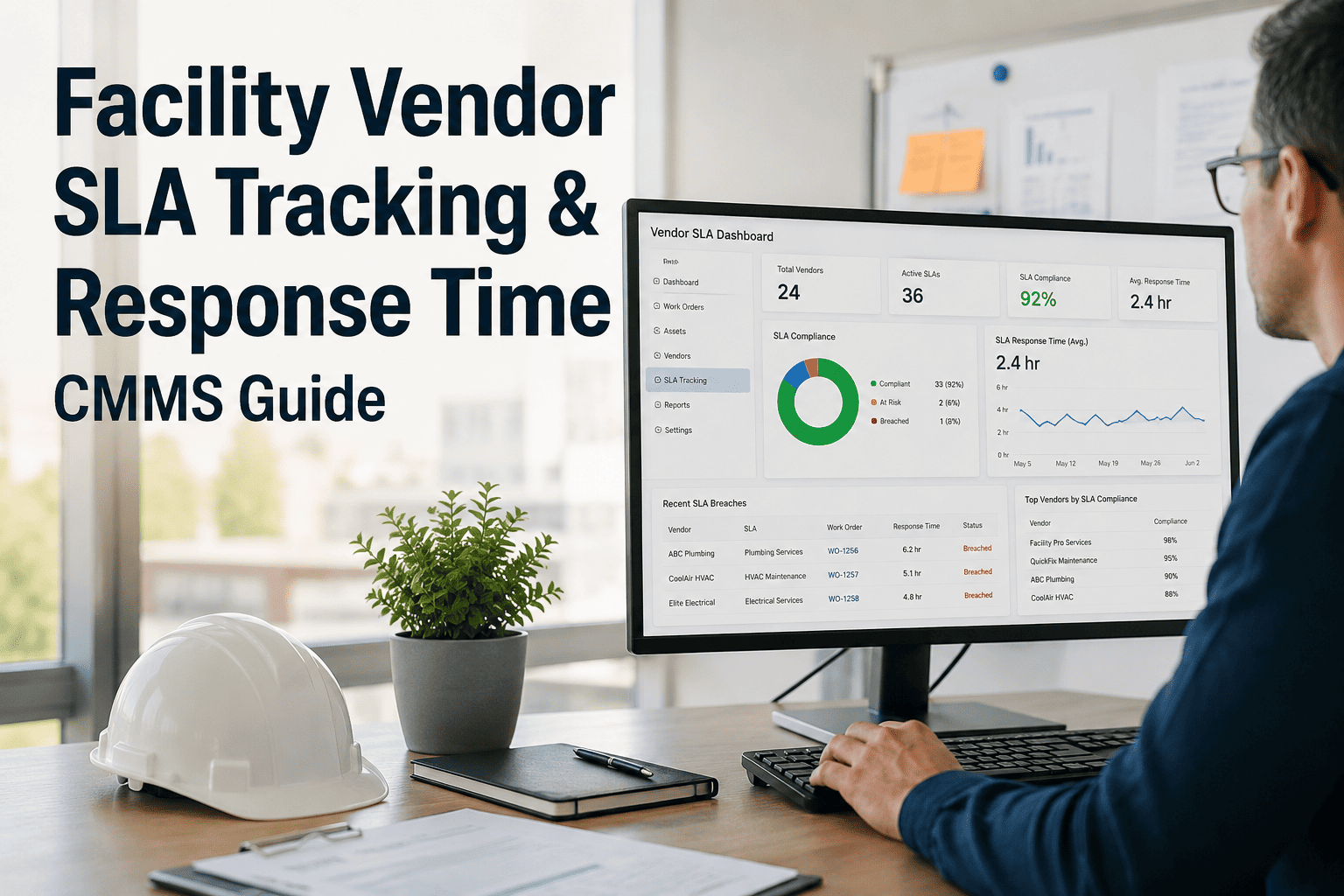
For subcontracted work orders, Oxmaint tracks vendor attendance time, first-fix rate, parts lead time, and resolution time independently of internal team performance. Vendor scorecards are generated automatically from live work order data.
5
Compliance Reporting on Demand
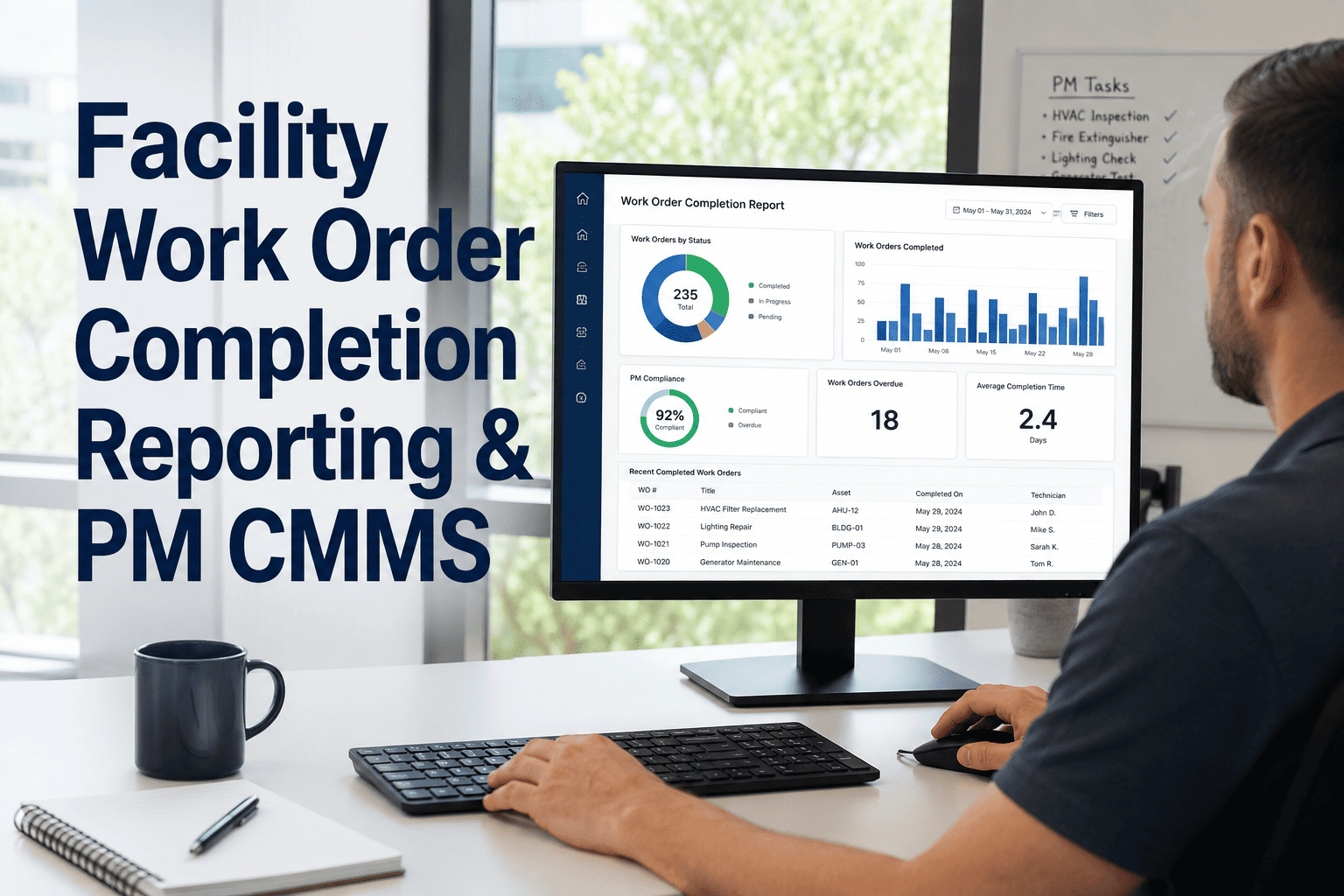
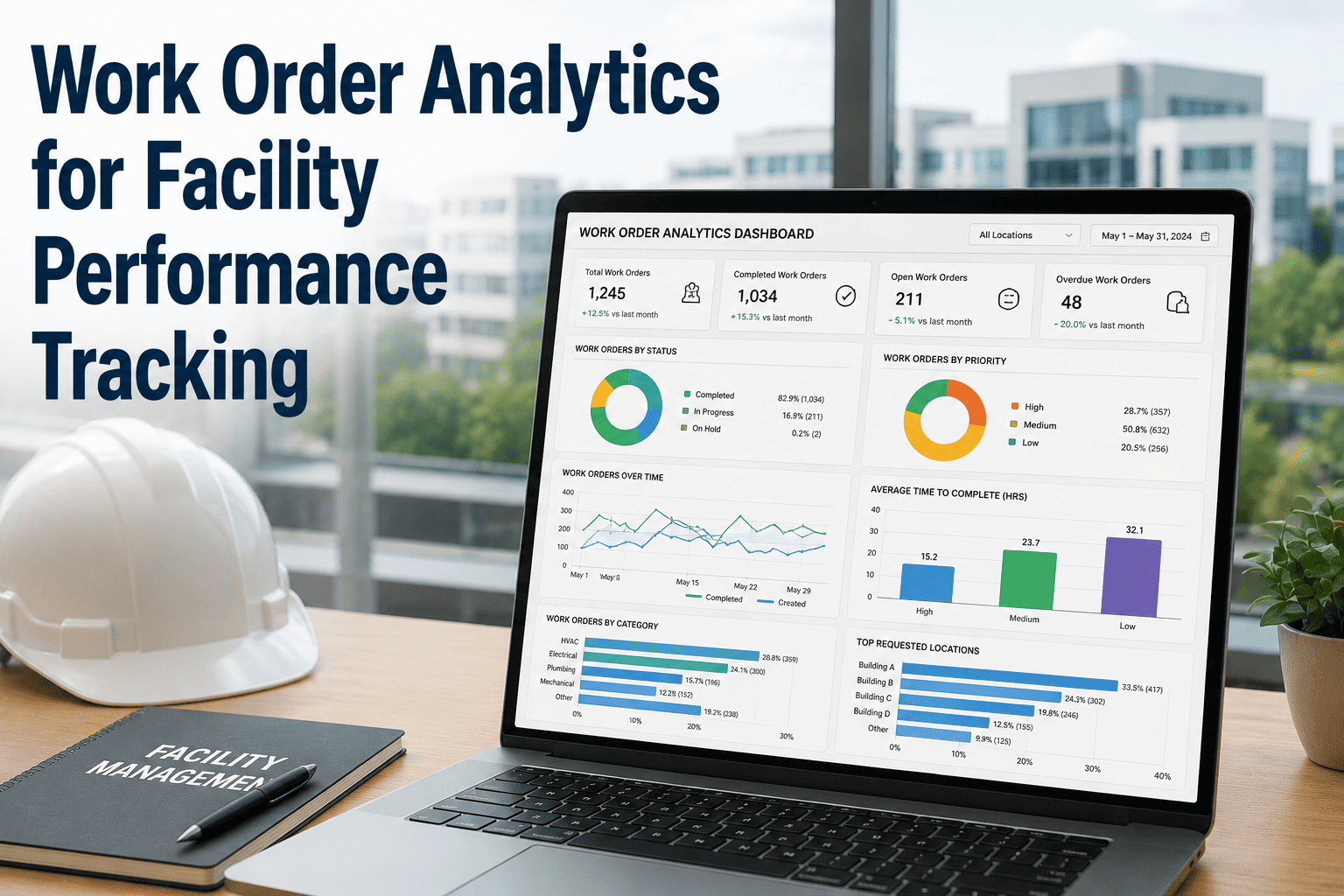
SLA compliance reports by site, priority level, service category, technician, or vendor are generated from the dashboard in minutes — ready for monthly client reviews, contract renewal evidence, and regulatory submissions without manual data extraction.
REAL-TIME SLA INTELLIGENCE
See Every Breach Risk Before It Becomes a Breach
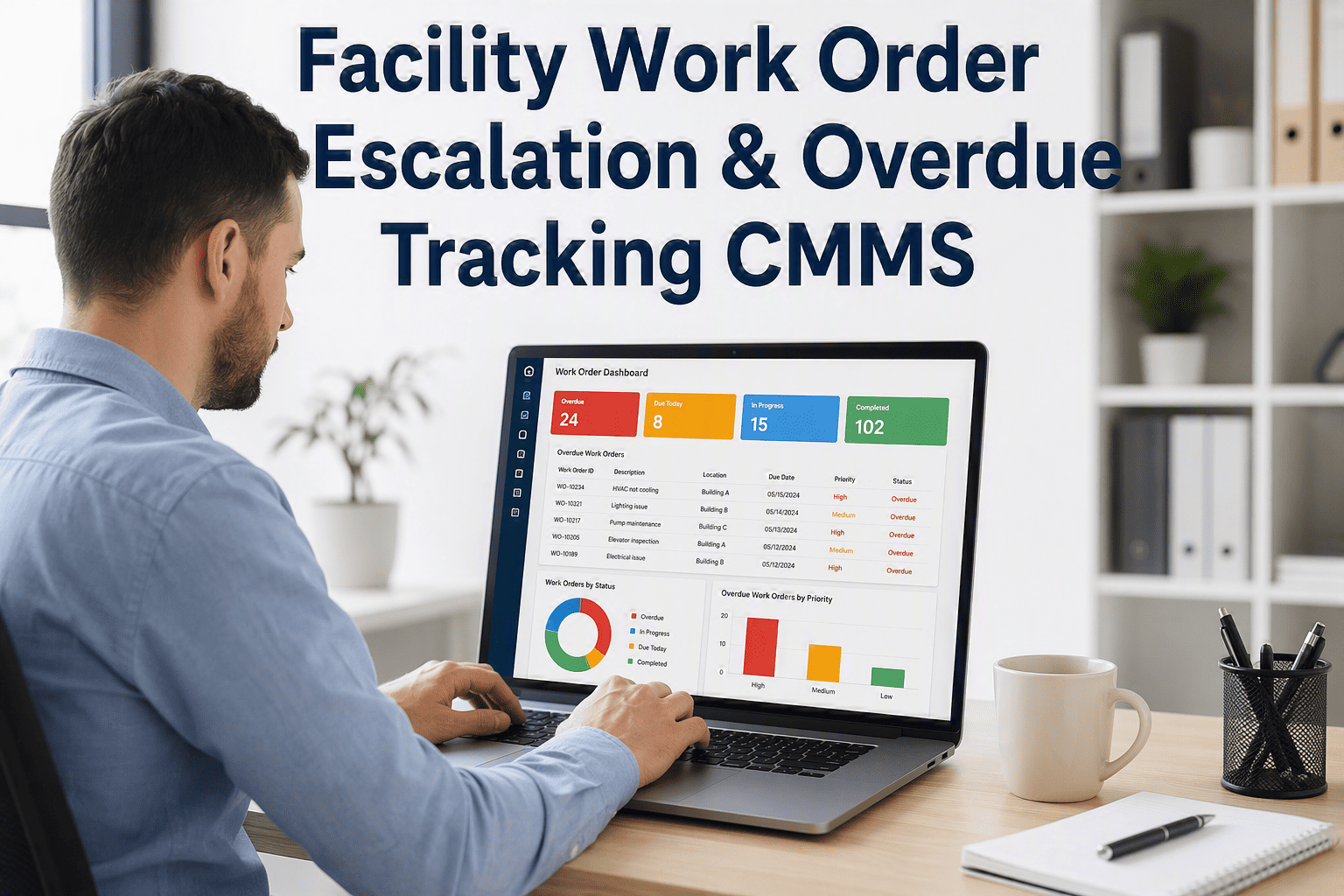
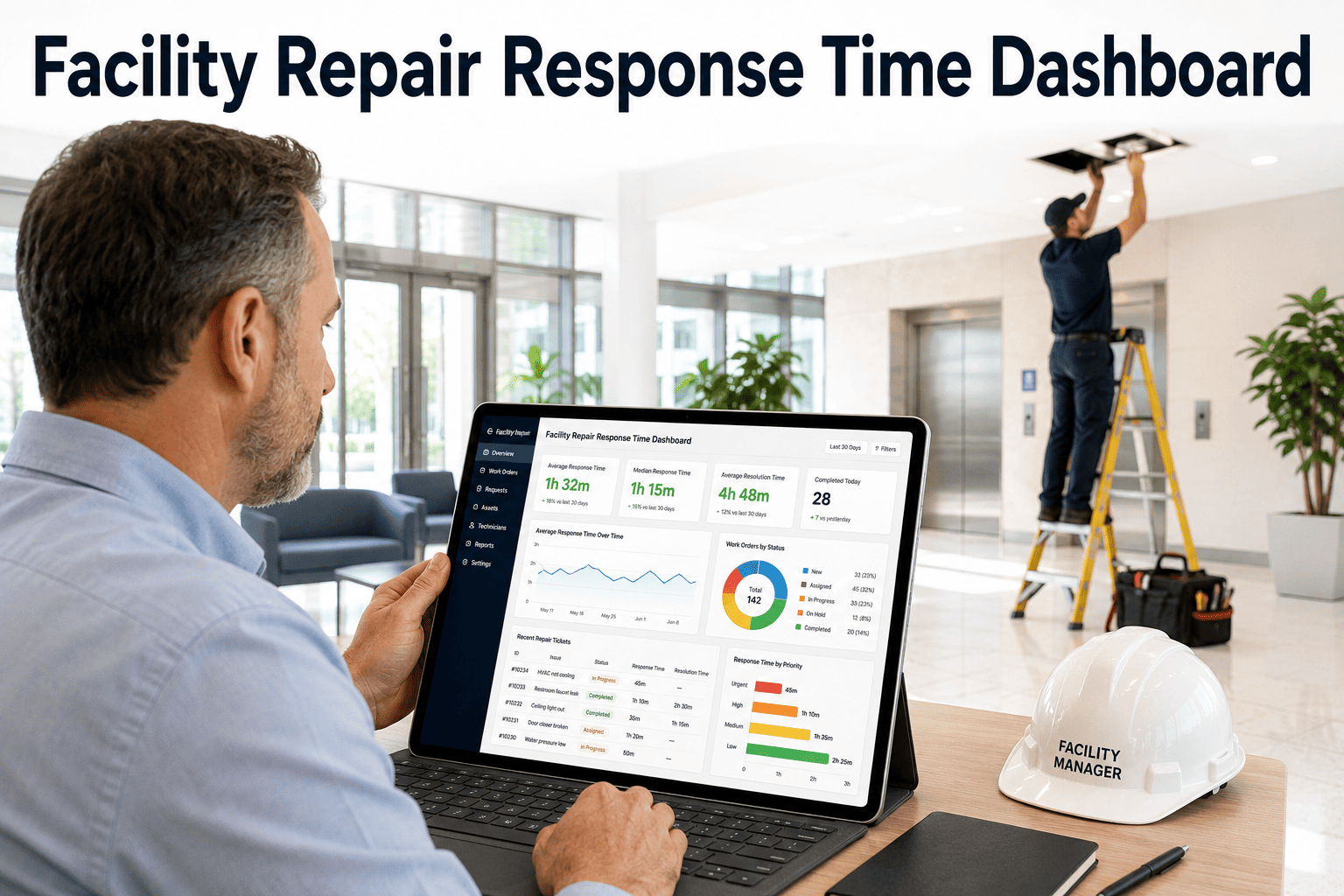
Oxmaint's SLA dashboard shows every open work order, its remaining time to deadline, current status, and assigned resource — giving your FM team the visibility to act before clients ever know there was a risk.
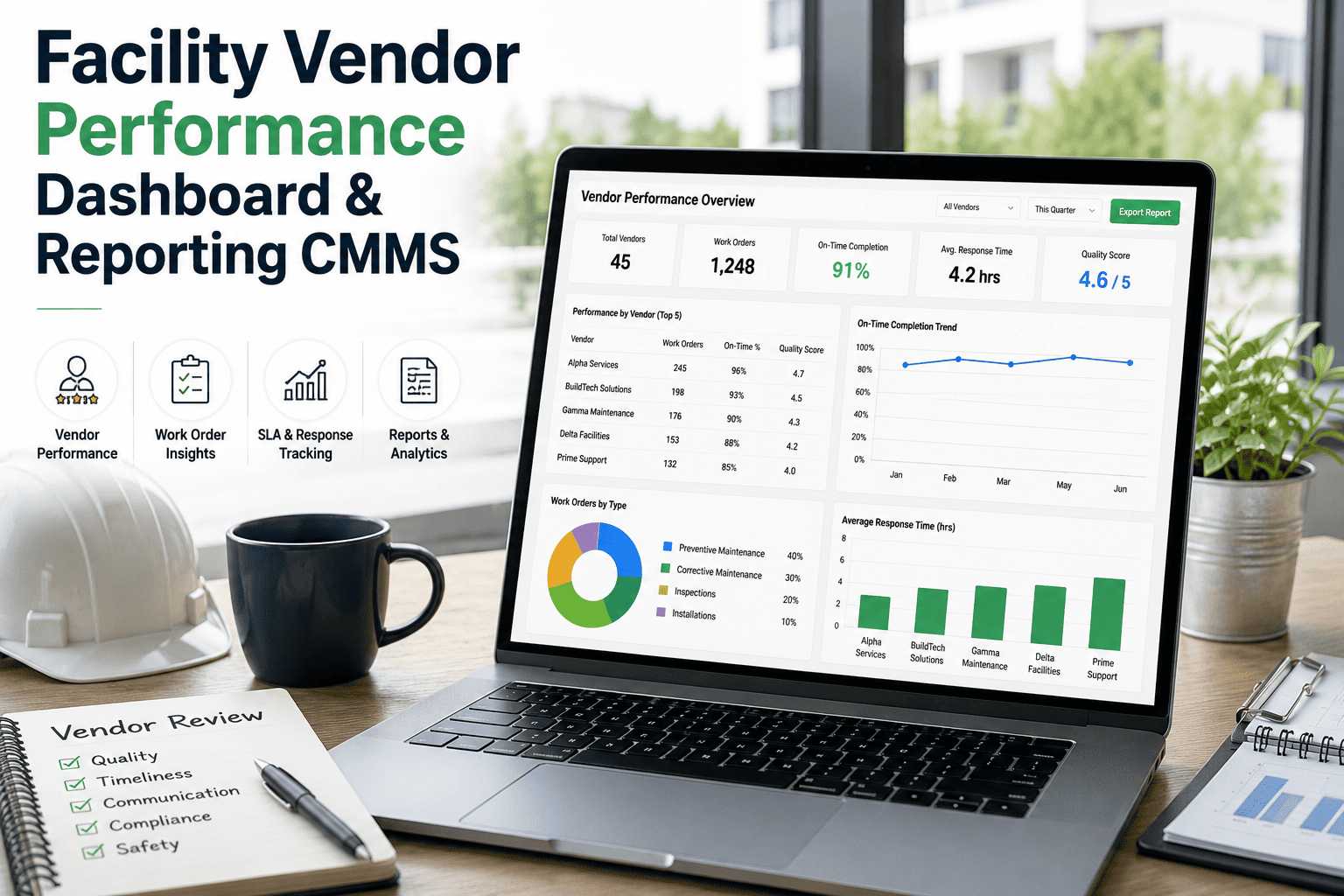
Vendor Performance Scorecard: Key Metrics
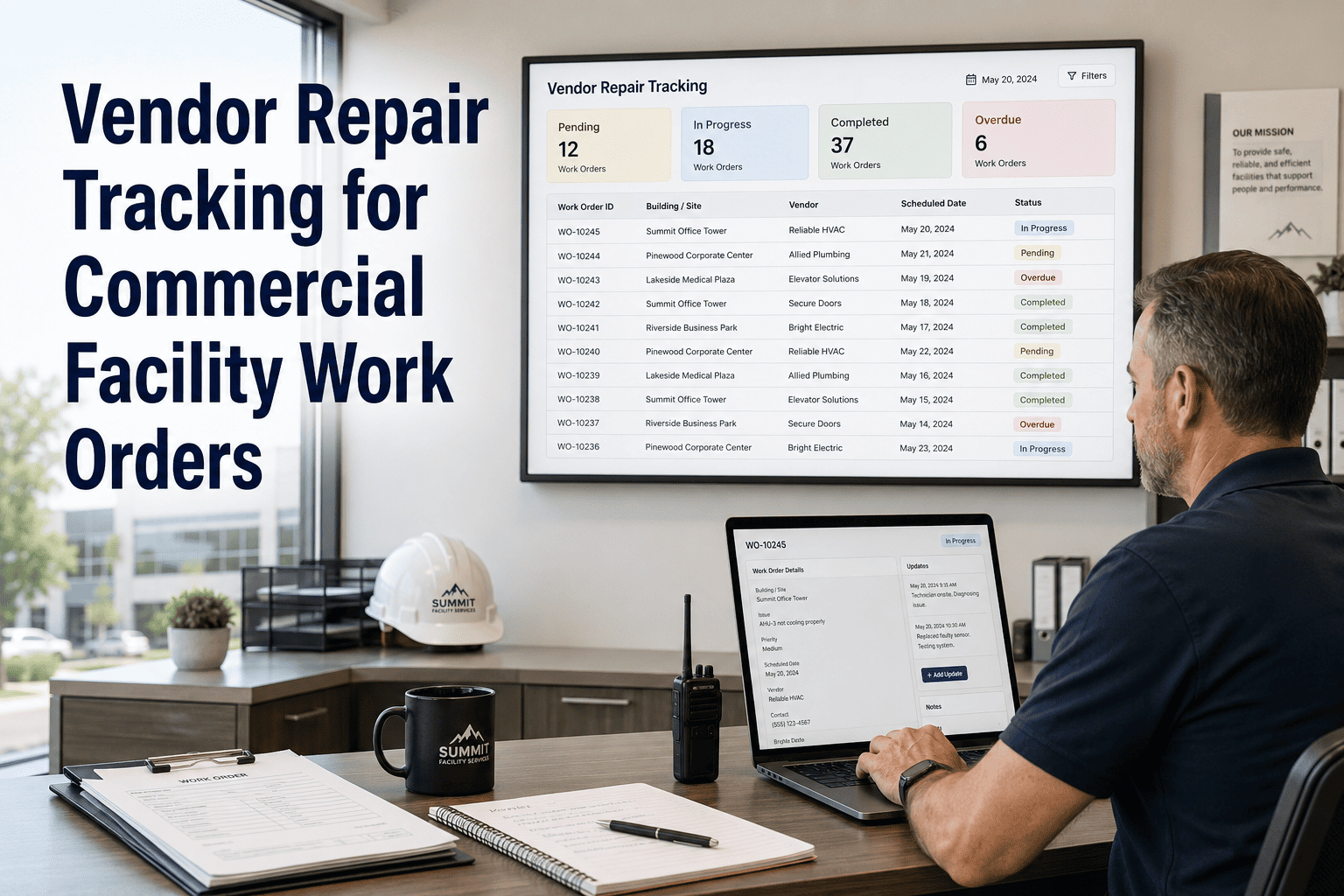
Vendor SLA performance is the most under-tracked element of facility management compliance. FM teams typically know their own response times but have limited visibility of subcontractor performance until a client complaint surfaces. Oxmaint generates vendor scorecards from work order data automatically, creating the evidence base for vendor review meetings, contract renegotiation, and replacement decisions.
Response Time Compliance
Percentage of vendor-attended jobs where first attendance occurred within the contracted response window — the primary SLA metric in most subcontractor agreements
First-Fix Rate
Percentage of jobs resolved on first attendance without a return visit — a critical efficiency metric that directly determines resolution SLA compliance rates
Resolution SLA Compliance
Percentage of jobs closed within the contracted resolution window — composite of response time, first-fix rate, and parts availability performance
Tenant Satisfaction Score
Average satisfaction rating from tenant feedback surveys linked to completed vendor work orders — the leading indicator of contract renewal risk before formal complaints are raised
Expert Review
Thomas Hughes, MRICS
Head of Client Services, National FM Contractor — 20 Years in SLA-Managed Facility Contracts
The clients I work with have become significantly more sophisticated about SLA compliance in the last five years. They are no longer satisfied with a monthly report showing 85% compliance — they want to know which breaches occurred, on which assets, which vendor was responsible, and what service recovery action was taken. FM teams that cannot answer those questions at a client review meeting are losing contract renewals to competitors who can. The shift that changes the entire dynamic is moving from retrospective SLA reporting to real-time SLA visibility. When your FM team can see a work order approaching breach two hours before it expires, they can act — call the vendor, escalate to a backup resource, update the tenant proactively. That proactive service recovery costs nothing but changes client perception completely.
Oxmaint's SLA dashboard is the tool that makes that shift operationally practical rather than aspirational.
Frequently Asked Questions
Can Oxmaint be configured with different SLA targets for different buildings or clients?
Yes. Oxmaint's SLA configuration is applied at the site level, meaning each building or client contract can have entirely independent response time, resolution time, and escalation settings. A healthcare client with a 15-minute P1 response obligation can operate different SLA parameters from an office building with a 2-hour P2 standard, all within the same platform. Portfolio managers see compliance across all sites on a single dashboard while each site team operates against its own contractual standards.
Book a demo to see how multi-site SLA configuration is structured in Oxmaint.
How does Oxmaint handle SLA tracking when work is subcontracted to vendors?
When a work order is dispatched to a subcontractor through Oxmaint, the vendor receives the job notification with the SLA deadline visible in their access portal. Vendor attendance is captured through mobile check-in, and resolution is confirmed through digital job closure with technician sign-off. The SLA clock tracks vendor performance independently, generating data for vendor scorecards that cover response compliance, first-fix rate, and resolution SLA performance — separating internal FM team performance from subcontractor performance for client reporting purposes.
What SLA compliance reports can Oxmaint generate for client reviews?
Oxmaint generates SLA compliance reports covering any date range and filterable by site, service category, priority level, technician, vendor, and building area. Standard reports include overall SLA compliance percentage, individual work order breach analysis with reason codes, vendor performance comparison, trend analysis showing compliance changes month-on-month, and tenant request satisfaction scores where tenant feedback is collected. All reports export directly to PDF or spreadsheet format for client presentation without manual data compilation. Reports that previously took a team member a full day to assemble are generated in under five minutes from the compliance dashboard.
Can tenants or clients view SLA performance data directly through Oxmaint?
Yes. Oxmaint offers a configurable tenant portal that allows building occupants or clients to log maintenance requests, track the status of their open work orders in real time, and view SLA performance summaries for their occupied areas. The level of data visibility is configured per client — from basic request tracking through to full SLA compliance dashboards.
Tenant portal access is one of the most effective tools for reducing direct contact volume while simultaneously improving satisfaction scores, as tenants can see their request is being actioned without needing to call the helpdesk.
OXMAINT VENDOR AND SLA MANAGEMENT
Turn SLA Compliance From a Risk Into a Competitive Advantage
Oxmaint tracks every SLA clock in real time, escalates before breaches occur, scores every vendor automatically, and generates client-ready compliance reports in minutes — so your next contract renewal starts with evidence, not apologies.
.jpeg)