IoT Sensor Integration for Building Maintenance: 2026 Setup & ROI Guide

By Sinet Yarn on March 20, 2026

iot-sensor-integration-building-maintenance

Most commercial buildings already have the data they need to prevent equipment failures. Compressors, chillers, AHUs, pumps, and electrical panels generate continuous signals that indicate developing faults weeks before breakdown. The problem is not a lack of data — it is that the data lives in disconnected monitoring systems that never connect to the CMMS where maintenance decisions get made. Over 65% of large manufacturers have initiated IoT sensor deployment for core assets, with that number projected to exceed 85% by the end of 2026. The gap between monitoring and action is what separates facilities that prevent failures from facilities that react to them. This guide covers everything: sensor types, where to install them, threshold configuration, the OPC-UA and MQTT integration path into OxMaint's CMMS, and the ROI framework to justify every dollar of the programme to leadership. Start small — 10 to 20 critical assets, vibration plus temperature, proven ROI — then scale. Start your free OxMaint trial or book a live demo to see sensor data flowing into automated work orders today.

85% Of large facilities projected to have IoT sensor deployment on core assets by end of 2026
30–47% Reduction in unplanned downtime achieved by facilities with IoT-to-CMMS integrated maintenance
10:1 Documented ROI from IoT predictive maintenance pilots — first prevented failure recovers entire pilot cost
6–8 wks Time from sensor installation to first actionable prediction — AI baseline established after 4–8 weeks of normal data
OxMaint Predictive Maintenance Console

Connect Your Sensors. Generate Work Orders Automatically. Stop Reacting to Failures.

OxMaint ingests data from any industrial IoT sensor via MQTT, OPC-UA, and Modbus — no proprietary hardware required. Threshold breaches automatically generate prioritized work orders with assigned technicians, parts lists, and asset history. Deploy in days.

The 5 IoT Sensor Types That Drive the Highest Maintenance ROI

Not all sensors deliver equal value. The highest ROI comes from matching sensor type to the dominant failure mode of each asset class. Most successful deployments use 2–4 complementary sensor types per critical asset — vibration plus temperature covers 80% of rotating equipment failure modes at 20% of full deployment cost.

01
Vibration Sensors
95–98% detection accuracy
Bearing wear · Gear mesh faults · Imbalance · Misalignment · Looseness
HVAC compressors · Pumps · Fans · Motors · Gearboxes
4–8 weeks advance warning on bearing defects
$200–$500 per monitoring point · 3–5 year battery life
02
Temperature Sensors
90–95% detection accuracy
Overheating · Bearing friction · Electrical faults · Insulation failure
Electrical panels · Motor windings · Switchgear · Heat exchangers
2–6 weeks advance warning on thermal degradation
$100–$300 per point · Works alongside vibration for full motor coverage
03
Humidity & Moisture Sensors
88–94% detection accuracy
Water ingress · Condensation buildup · Corrosion risk zones · HVAC drainage failure
Roof penetrations · Mechanical rooms · Electrical vaults · Cooling towers
Days to weeks before water damage becomes structural
$80–$200 per point · Critical for building envelope monitoring
04
Electrical Current Sensors
90–95% detection accuracy
Bearing wear · Valve degradation · Refrigerant loss · Motor winding faults
HVAC compressors · Pumps · Conveyor drives · Large motors
3–6 weeks advance warning — detects 70–85% of compressor failures
$150–$400 per point · Non-invasive clamp-on installation
05
Pressure Sensors
88–94% detection accuracy
Hydraulic failure · Pipe blockage · Filter saturation · Pump cavitation
Hydraulic systems · HVAC refrigerant circuits · Compressed air · Water supply
Hours to weeks depending on failure mode severity
$120–$350 per point · Pairs with flow sensors for system-level analysis
06
Acoustic / Ultrasonic Sensors
85–92% detection accuracy
Steam trap failure · Compressed air leaks · Valve passing · Early bearing pitting
Steam systems · Compressed air distribution · Valve stations
Detects leaks and early pitting before vibration signatures appear
$250–$600 per point · Phase 2 deployment after vibration/temp pilot proven

The Integration Gap: Why Monitoring Without CMMS Connection Fails

The most common IoT failure mode is not sensor failure — it is the gap between sensor data and maintenance action. Data outside the CMMS creates a 3–6 week delay between anomaly detection and intervention. In that window, a developing bearing fault becomes a bearing failure. A failing compressor becomes an emergency replacement.

Monitoring Without CMMS Integration
Sensor data lives in separate dashboards — maintenance team never sees it
Alert fires at 2 AM — nobody acts until next shift briefing
Analyst reviews weekly data exports — anomaly already 5 days old
No work order generated — no technician assigned — no parts staged
Failure occurs before intervention — monitoring system logged the warning correctly
ROI impossible to measure — no link between sensor alerts and repair events
Leadership cancels programme — "sensors didn't prevent the failure"
Each sensor system requires separate login — data silos by asset type
OxMaint IoT-to-CMMS Integration
Threshold breach generates work order instantly — no human translation step
Work order routed to on-call technician immediately — 24/7 automated response
Under 1 hour from anomaly detection to assigned work order — per OxMaint data
Work order auto-populated: asset history, failure mode, recommended parts
Planned intervention executed — 30–47% downtime reduction vs. unintegrated baseline
Every prevented failure linked to sensor alert — full ROI audit trail for leadership
Programme expands — maintenance team demands more sensors after first prevented failure
Single OxMaint dashboard — all sensor types, all assets, all work orders unified

4-Phase IoT Deployment: From Pilot to Full Building Coverage

Successful IoT deployments follow a structured phased approach — not a plant-wide infrastructure project. Start with 10–20 critical assets, prove ROI in 6–18 months, then scale. This captures 70–80% of predictable failure modes at 20% of full deployment cost.

Phase 1
Asset Criticality Mapping and Sensor Selection (Weeks 1–2)
Identify your 10–20 highest-impact assets using three criteria: failure history (most frequent failures), production criticality (longest downtime if failed), and repair cost (most expensive emergency events). For each asset, match sensor types to dominant failure modes — vibration plus temperature covers 80% of rotating equipment. Map installation points: bearing housings, motor frames, drive ends. Define OxMaint threshold parameters for each sensor using ISO 10816 vibration limits, OEM temperature specs, and historical baseline data.
Asset criticality matrix Sensor-to-failure-mode mapping Threshold parameter definition
Phase 2
Sensor Installation and Connectivity Setup (Weeks 3–4)
Mount wireless sensors on selected assets — typically 2–4 sensors per asset, 30 minutes per sensor installation. Battery-powered wireless sensors require no infrastructure changes. Configure mesh network through existing building WiFi or install a dedicated LoRaWAN gateway for areas with poor signal. Connect data pipeline to OxMaint via MQTT or OPC-UA protocol — OxMaint accepts data from any industrial IoT sensor regardless of manufacturer. No proprietary hardware lock-in. Test data flow from each sensor to OxMaint asset record and confirm threshold alert routing before going live.
30 min/sensor installation MQTT / OPC-UA / Modbus integration No proprietary hardware required
Phase 3
Baseline Establishment and Model Training (Weeks 5–10)
AI ingests 4–8 weeks of normal operating data to build each asset's digital fingerprint — the behavioral baseline that defines what "normal" looks like across all operating conditions. Pre-trained models for common equipment types (HVAC compressors, pumps, motors) shorten this to 4–6 weeks. OxMaint stores all baseline data against the specific asset record. During this phase, alert thresholds are refined based on observed operational variance — eliminating false alarms that cause alert fatigue before first actionable predictions arrive. Typical first actionable prediction arrives 6–8 weeks after installation.
4–8 weeks baseline collection Threshold refinement to reduce false alarms First predictions in 6–8 weeks
Phase 4
Live Operations: Prediction to Work Order to ROI Tracking (Week 11+)
Predictions flow directly into OxMaint work orders with auto-populated parts, crew assignments, and scheduling — no manual intervention. Every prevented failure is linked to its triggering sensor alert, creating an auditable ROI record. The first prevented event typically recovers 5–30x the entire pilot investment. With pilot ROI proven — usually within 6–12 months — expand to the next tier of critical assets. Most facilities reach full building coverage within 18 months of the Phase 1 pilot, driven by maintenance team demand rather than management mandate.
Automated work order generation First prevented failure = full pilot ROI recovery Expand to full coverage in 18 months
OxMaint connects to any IoT sensor via MQTT, OPC-UA, or Modbus — no proprietary hardware, no IT project
Threshold breaches auto-generate work orders with asset history, failure mode classification, and technician assignment. Full sensor-to-work-order pipeline operational in days, not months.

IoT-CMMS Integration: Before vs. After Performance Comparison

Performance Metric Without IoT-CMMS Integration With OxMaint IoT Integration Impact
Anomaly to Work Order 3–6 weeks — manual analyst review cycle Under 1 hour — threshold breach auto-triggers work order 97% faster response
Unplanned Downtime Baseline level — failures occur between inspection cycles 30–47% reduction within 12 months of full deployment Up to 47% less downtime
Maintenance Cost High emergency repair share — 4–5x cost premium per event 15–30% total maintenance cost reduction 15–30% cost reduction
Equipment Lifespan Shortened by missed degradation — replaced at condition failure 10–20% extension — condition-based replacement timing +10–20% asset lifespan
Failure Detection Lead Time Zero — failure discovered at breakdown 4–8 weeks advance warning on rotating equipment Weeks of intervention window
ROI Measurement No audit trail — cannot connect sensor alerts to repair outcomes Every prevented failure linked to sensor alert — full CFO-ready audit trail Documented 10:1 ROI average
OEE Impact Availability losses from unplanned stops — OEE degrades over time 5–15% OEE improvement from availability gains +5–15% OEE
Programme Payback No measurable return — data collected but not actioned 6–18 months payback period — first prevented event often recovers pilot cost 6–18 month payback

IoT Deployment by Building System: Where to Start

HVAC — Compressors and Air Handlers
Compressor failures are the highest-cost HVAC event — $15,000–$80,000 per replacement. Vibration plus current signature analysis predicts 70–85% of compressor failures 3–6 weeks in advance. Install vibration on bearing housings and current sensors on power supply. Monthly sensor data from 500–2,000 data points per unit per day. Priority 1 for any building over 50,000 sq ft.
Vibration Current Temperature
Electrical Systems — Panels and Switchgear
Electrical system failures cause 13% of commercial building fires. Temperature sensors detect hot spots at connections and breakers 2–4 weeks before failure — replacing annual thermographic surveys with continuous monitoring. Mount on panel bus bars, key connections, and high-load circuits. Alerts trigger immediate thermographic inspection before failure escalates to fire risk.
Temperature Humidity
Pumps — Chilled Water and Hot Water Circuits
Pump failures cause HVAC system downtime that affects entire building zones. Vibration sensors on bearing housings detect impeller cavitation, bearing wear, and seal failure 3–6 weeks before breakdown. Pressure sensors across pump confirm flow performance. MTBF improvement of 40–60% documented in commercial building deployments with continuous vibration monitoring.
Vibration Pressure Temperature
Building Envelope — Roof and Wall Penetrations
Moisture sensors at high-risk penetration points and mechanical rooms provide continuous water intrusion monitoring. Alerts surface within hours of water ingress — versus weeks or months for visual detection. A $300 sensor preventing a $25,000 interior water damage event delivers 80x ROI per event. Priority for any flat roof building with penetrations over occupied spaces.
Humidity Moisture
$15K–$40K
Typical Pilot Cost
15–20 critical assets, vibration plus temperature, gateway, and OxMaint platform for year one. First prevented failure — typically $50K–$300K in emergency costs avoided — recovers the full pilot investment.
10:1
Documented Average ROI
IoT predictive maintenance pilots consistently deliver 10:1 ROI through prevented failures, reduced emergency repair premiums, and avoided downtime — with payback in 6–18 months across commercial building deployments.
50–70%
Maintenance Cost Reduction at Scale
Facilities with comprehensive smart sensor networks achieve 50–70% maintenance cost reductions while improving asset reliability by 40–55% compared to time-based maintenance — per industry benchmark data.
8–18 mo
Programme Payback Period
Most commercial building IoT deployments integrated with OxMaint achieve positive ROI within 8–18 months through emergency repair reduction (80–90% reduction), optimized scheduling, and extended asset life.

Frequently Asked Questions

What protocols does OxMaint use to receive IoT sensor data, and which sensor brands are compatible?

OxMaint ingests sensor data via three standard industrial protocols: MQTT (Message Queuing Telemetry Transport) for lightweight wireless IoT sensors, OPC-UA (OPC Unified Architecture) for integration with industrial control systems, PLCs, and SCADA, and Modbus for legacy sensors and equipment with serial communication. This hardware-agnostic approach means OxMaint works with sensors from any manufacturer — Rockwell Automation, ifm, Keyence, Banner, Turck, and wireless IoT platforms from providers like Samsara, Wiliot, and others. Facilities with existing monitoring hardware do not need to replace working sensors to connect them to OxMaint. The integration is configured through the OxMaint Predictive Maintenance Console — typically 1–2 days to establish a working data pipeline from sensors to automated work orders. Sign up for OxMaint free or book a demo to confirm compatibility with your existing sensor hardware and control system architecture.

How long does it take to get from sensor installation to first actionable predictions?

The timeline from sensor installation to first actionable prediction has two phases. Installation takes 1–2 weeks: sensors are mounted at the identified monitoring points (30 minutes per sensor), the network gateway is configured, and the data pipeline to OxMaint is established and tested. The AI baseline phase takes 4–8 weeks: the system ingests normal operating data to build each asset's behavioral fingerprint — what "normal" looks like across all operating conditions. Pre-trained models for common equipment types (HVAC compressors, pumps, motors) shorten this to 4–6 weeks. The total timeline from installation to first actionable prediction is typically 6–8 weeks. The first prevented failure event usually occurs within 2–4 months of installation for a well-prioritized pilot on critical rotating equipment. That event typically recovers 5–30x the entire pilot investment — which is why most facilities expand to full building coverage within 18 months of the initial pilot. Book a demo to see the prediction timeline mapped to your specific asset types, or start free today.

How do you set IoT sensor thresholds correctly to avoid alert fatigue and false alarms?

Threshold configuration is the most important factor in IoT programme success — incorrect thresholds create alert fatigue that causes maintenance teams to ignore the system, eliminating ROI regardless of sensor quality. OxMaint uses a three-layer threshold approach. Layer one: ISO standard baselines — for vibration, ISO 10816 provides velocity severity zones by equipment class; for temperature, OEM specifications define maximum operating limits; for humidity, building code thresholds define action levels. Layer two: Operational baseline refinement — after 4–8 weeks of normal operating data collection, OxMaint calculates each asset's individual baseline and sets alert thresholds at a defined standard deviation above normal, accounting for daily and seasonal variation in each asset's operating environment. Layer three: Outcome-based refinement — as predicted failures are confirmed or ruled out by technicians, the system learns which alert patterns correlate with actual deterioration versus normal operational variation, continuously improving alert precision over time. The target is less than 10% false positive rate — alerts that a trained technician confirms require no action. Start free with OxMaint or book a demo to see threshold configuration for your specific asset types.

How do you build the ROI case for IoT sensor investment to present to leadership?

The ROI case for IoT predictive maintenance investment has five measurable components that OxMaint tracks automatically from the moment the first sensor connects. Component one: avoided downtime — every work order generated from a sensor alert that prevents a failure is logged against the asset with the estimated production or occupancy cost of the failure that was prevented, based on historical downtime cost data for that asset class. Component two: emergency repair cost avoidance — planned interventions triggered by sensor alerts are compared against the historical cost of the equivalent emergency repair event, and the premium avoided is attributed to the prediction. Component three: labour efficiency — planned work orders require fewer labour hours than emergency callouts and eliminate the overtime premium typical of reactive repairs. Component four: parts cost reduction — planned parts procurement versus emergency sourcing typically saves 20–40% per component. Component five: asset life extension — condition-based replacement decisions defer capital spend on assets that condition data confirms have remaining useful life. The organisations that consistently expand their predictive maintenance programmes share one trait: they can prove every dollar saved. The VP of Reliability Engineering at one petrochemical facility was avoiding $2.4 million in annual failures but only tracking $600K before integrating sensor data with a structured CMMS ROI framework. Book a demo to see OxMaint's ROI dashboard and how it builds the evidence to justify programme expansion, or sign up free today.

OxMaint Predictive Maintenance Console

Your Sensors Are Generating Failure Warnings Right Now. OxMaint Converts Them Into Work Orders.

Connect any IoT sensor via MQTT, OPC-UA, or Modbus. Set thresholds. Failures generate work orders automatically — with asset history, failure mode, assigned technician, and staged parts. Start with 10–20 critical assets. Prove ROI. Scale to full building coverage. Deploy in days, not months.
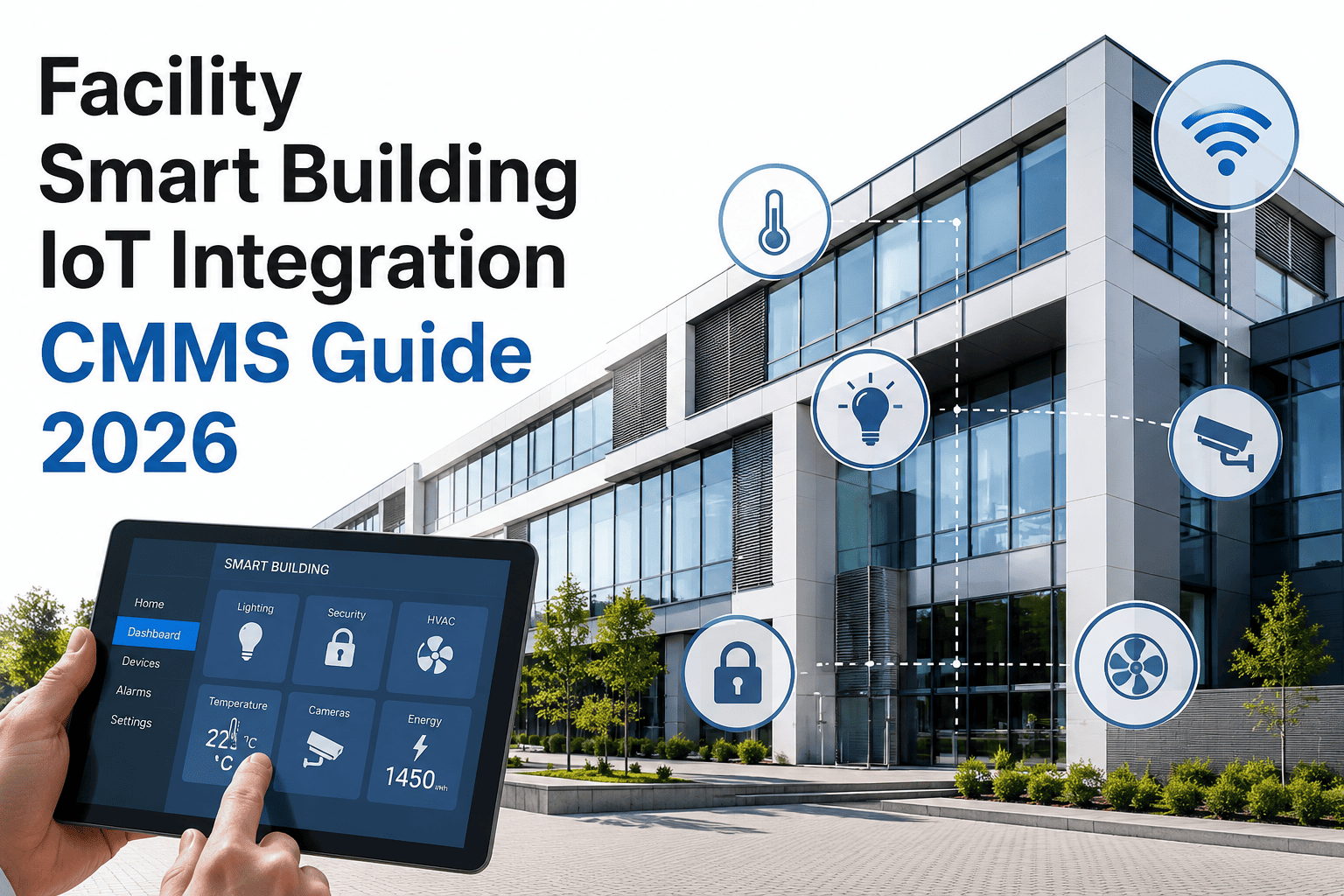
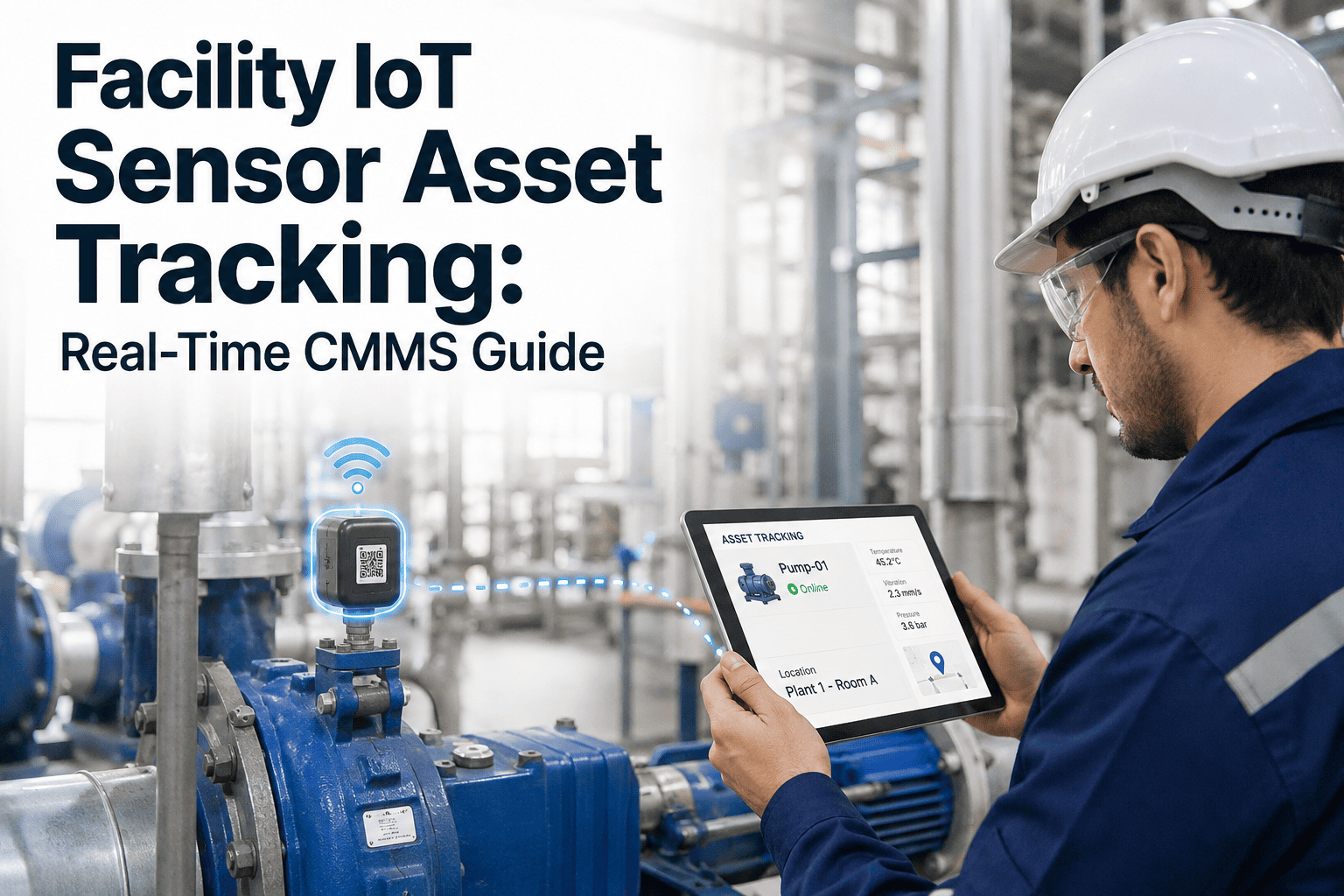
10:1 Documented ROI
6–8 wks First Predictions
47% Less Downtime
Days To Deploy

Share This Story, Choose Your Platform!