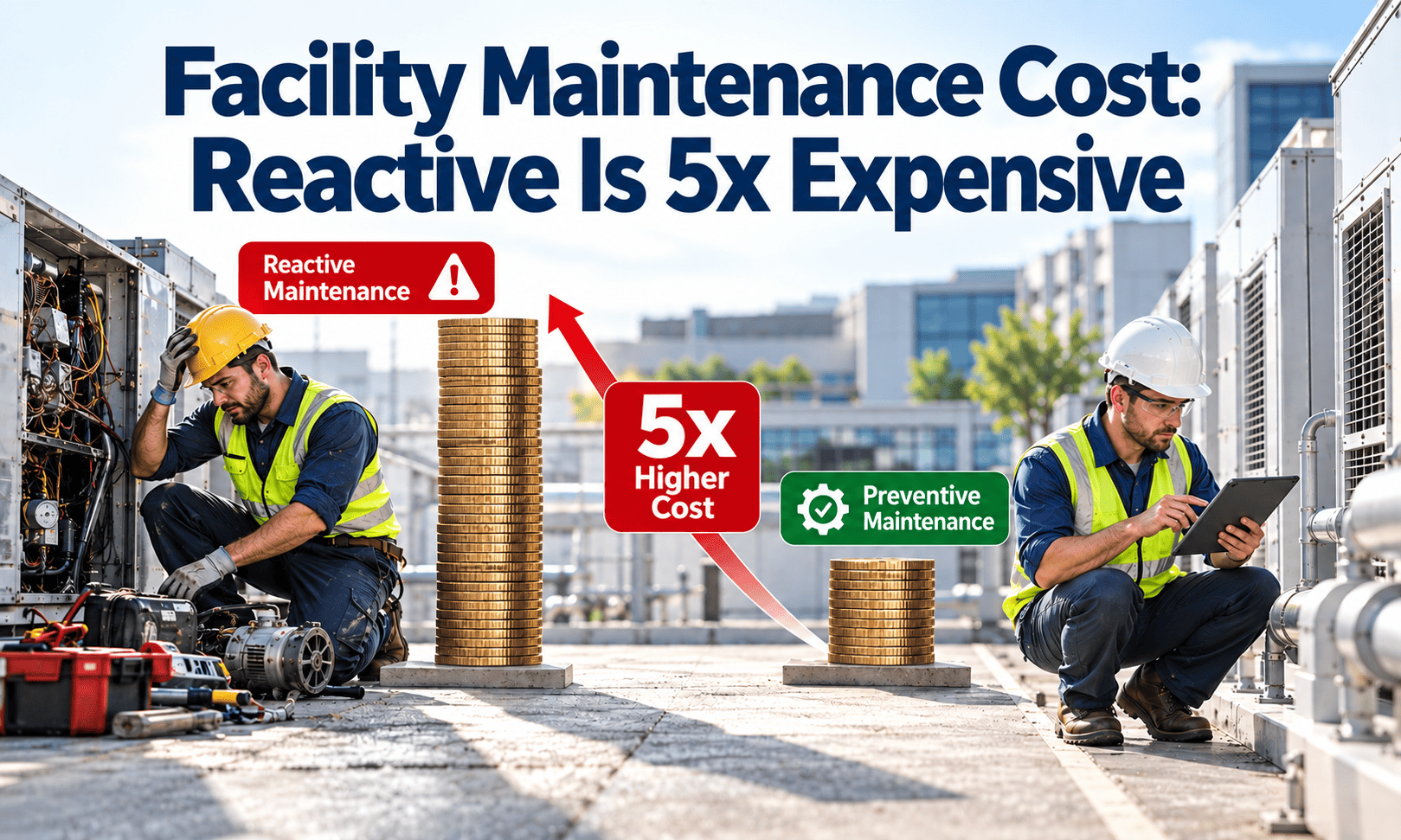
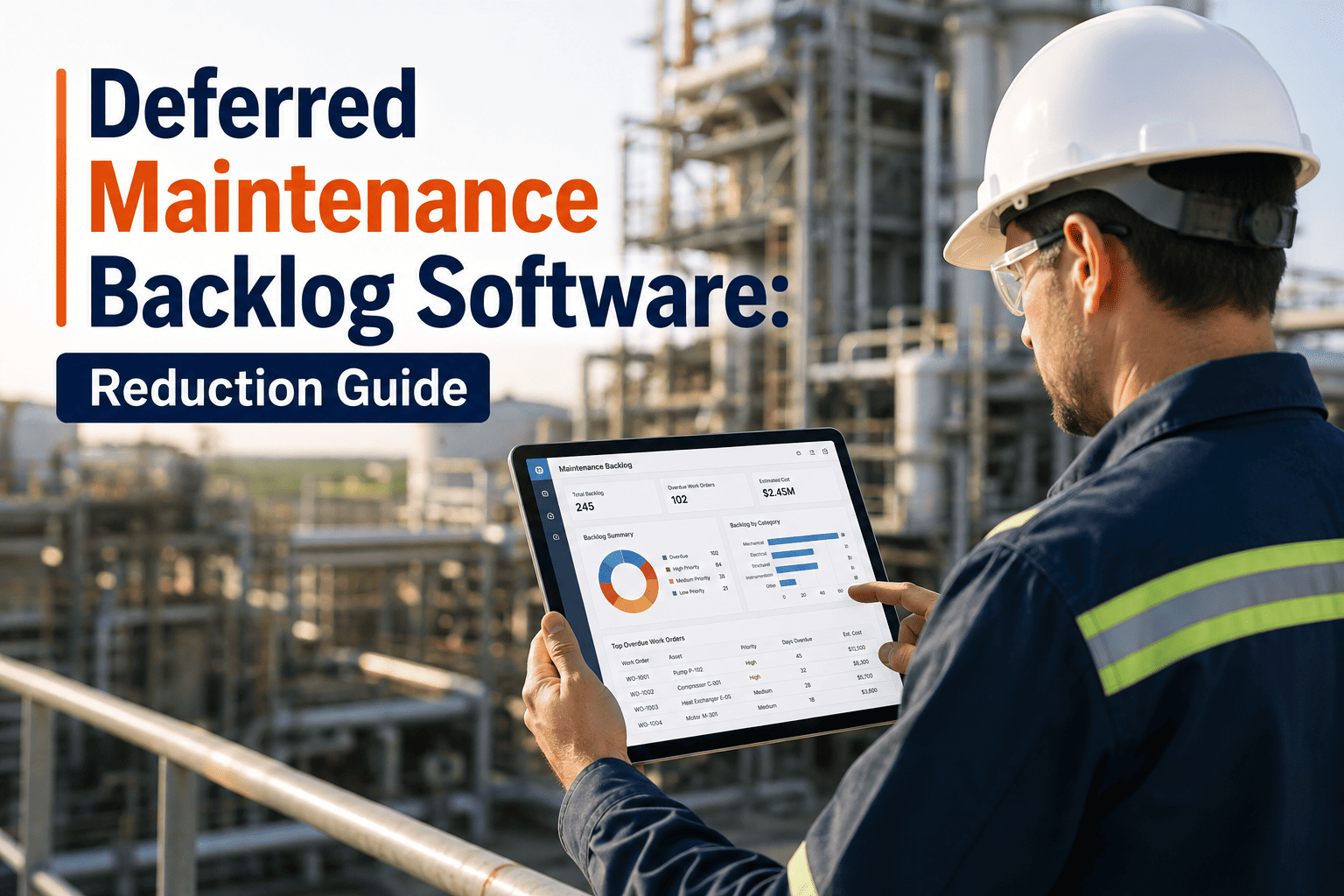
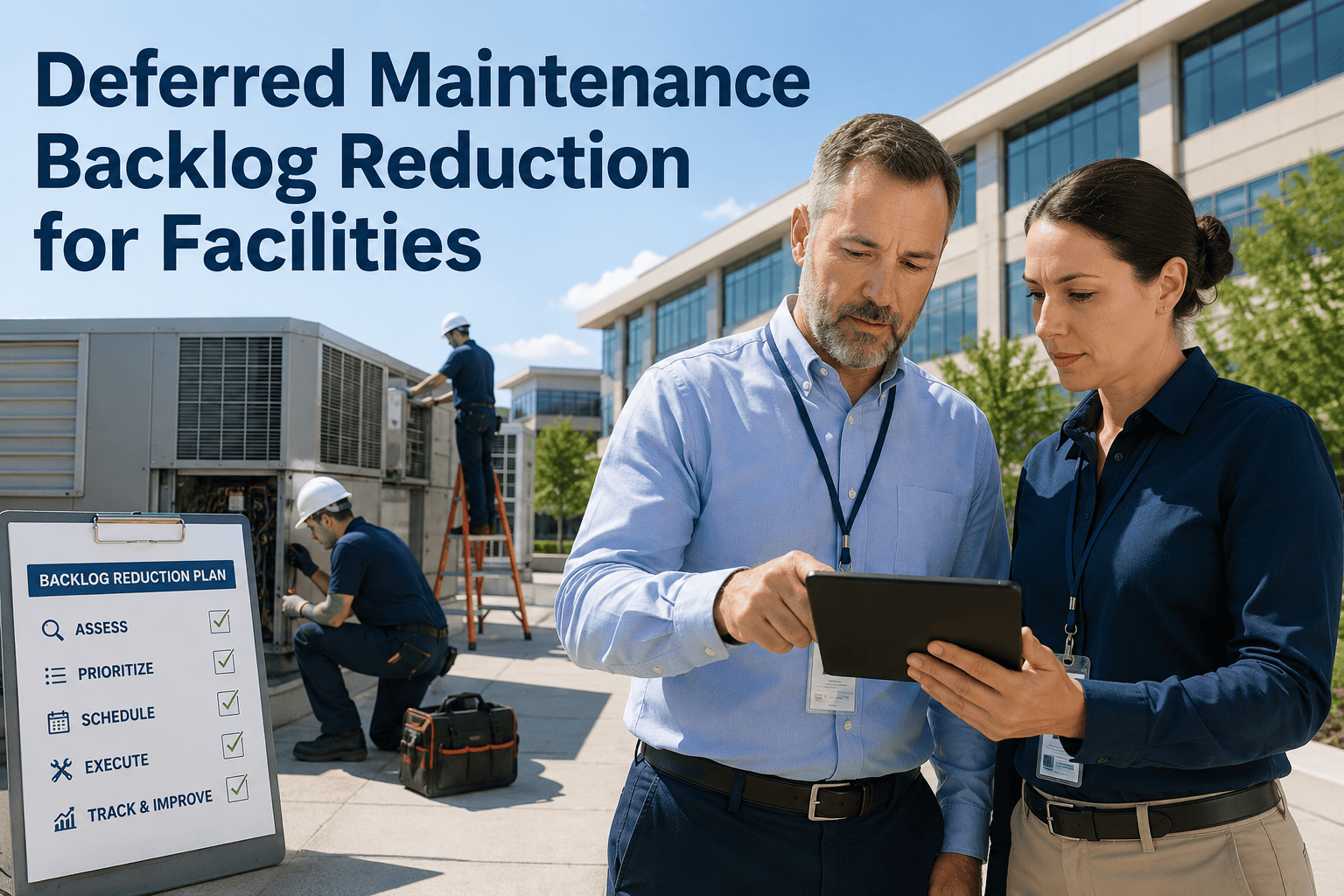
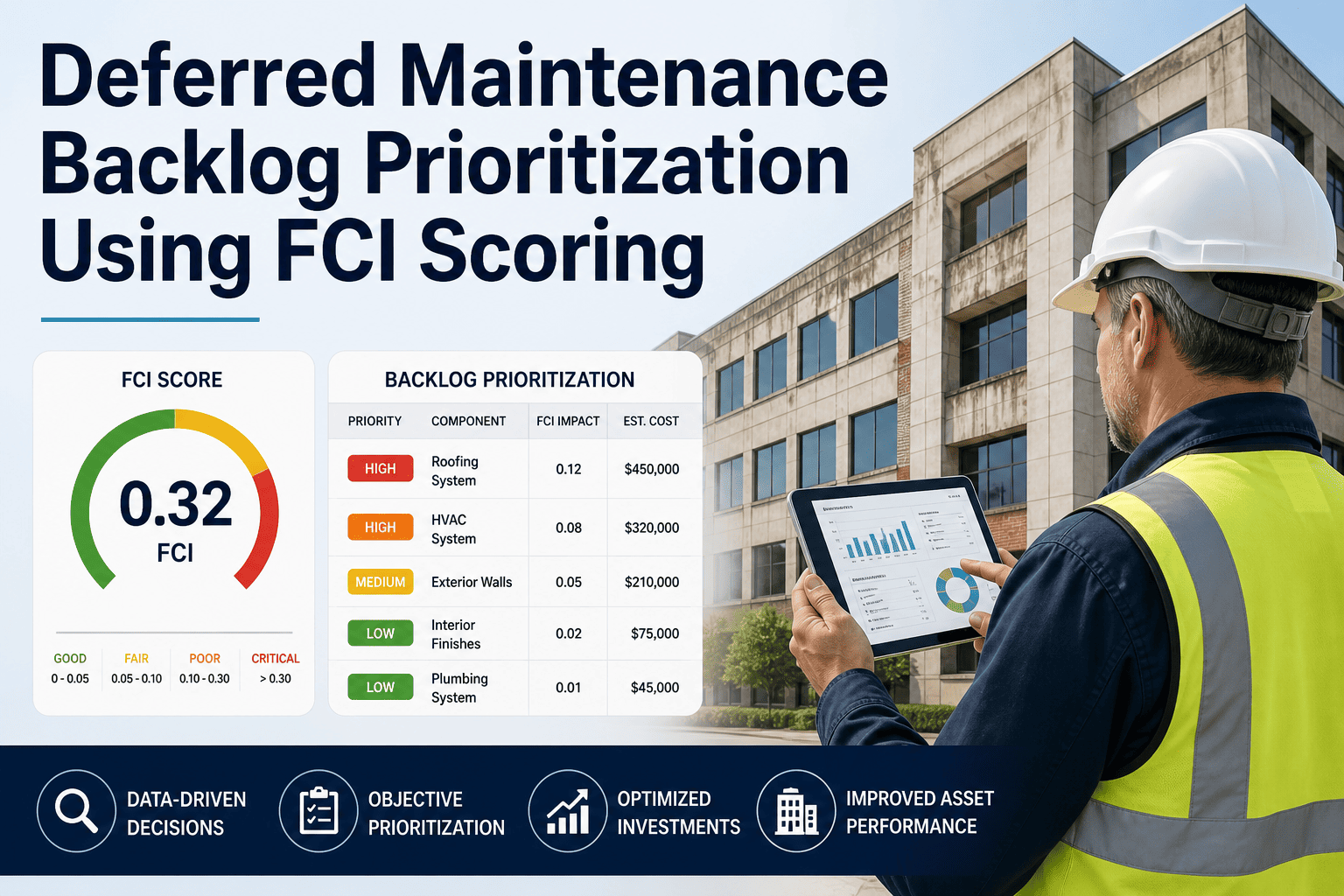
Deferred maintenance feels like a financial decision — push repairs to next quarter, protect this year's budget, deal with it later. The data says it is actually the most expensive maintenance strategy a facility manager can choose. Every dollar of maintenance deferred today generates four to eight dollars in future repair cost, accelerated asset replacement, regulatory liability, and operational disruption. This analysis uses real facility cost data and industry research to show exactly where the multiplier comes from — and what a CMMS-driven PM program does to stop it. Book a session to see how Oxmaint prevents maintenance backlog before it compounds — or start a free trial and audit your current deferred maintenance exposure.
The Core Problem
The 4–8x Multiplier: Where the Cost Comes From
Deferred Today
$1,000
Scheduled PM cost — parts, labor, planned downtime
Repair When It Fails
$4,200
Emergency labor, expedited parts, unplanned downtime cost
After Secondary Damage
$7,800
Repair plus adjacent component damage, extended downtime, potential compliance event
Full Replacement Required
$12,000+
Asset replacement 8–12 years early, disposal cost, reinstallation, business interruption
Data: Whole Building Design Guide; NBS Deferred Maintenance Report; APPA Facilities Management Cost Study 2023
Cost Breakdown by Failure Mode
What Deferral Actually Costs — By Asset Category
| Asset |
Deferred PM Cost |
Reactive Repair Cost |
Early Replacement Cost |
Multiplier |
| Rooftop HVAC Unit |
$400 / yr PM |
$3,200 repair |
$18,000 replacement |
8–45x |
| Commercial Boiler |
$600 / yr PM |
$4,800 repair |
$28,000 replacement |
8–47x |
| Elevator / Lift |
$1,200 / yr PM |
$6,400 repair |
$60,000 replacement |
5–50x |
| Roof Membrane |
$800 / yr inspection |
$12,000 patch repair |
$85,000 re-roofing |
15–106x |
| Electrical Switchgear |
$900 / yr PM |
$8,200 repair |
$45,000 replacement |
9–50x |
| Plumbing / Backflow Preventer |
$200 / yr test |
$1,800 repair |
$4,200 + compliance fine |
9–21x+ |
The Hidden Costs
What Never Shows Up in the Repair Invoice
01
Operational Downtime Cost
Unplanned HVAC failure during business hours costs far more in lost productivity, tenant disruption, or operations shutdown than the repair itself. A $3,000 compressor repair on a 200-person office floor may carry $40,000 in operational impact over a 2-day outage.
02
Regulatory and Liability Exposure
Deferred inspections on elevators, fire suppression, backflow preventers, and pressure vessels create regulatory violation risk. A single failed inspection can generate fines, shutdown orders, and legal liability that dwarf the original PM cost by 100x or more.
03
Insurance and Risk Premium Impact
Documented maintenance history directly affects property insurance premiums and claims outcomes. Facilities with deferred maintenance backlogs face higher premiums, coverage exclusions on aging systems, and disputed claims when failures occur in known-deferred components.
04
Asset Life Compression
A properly maintained HVAC unit lasts 18–22 years. The same unit with deferred PM typically requires replacement at 10–13 years — an 8–12 year compression that moves major capital expenditures forward on every asset in the portfolio simultaneously.
The Backlog Problem
How Maintenance Backlogs Compound — and How CMMS Stops It
Month 1
3 PMs deferred — "not urgent this month"
↓
Month 4
Backlog grows to 14 overdue PMs, no visibility on which are critical
↓
Month 9
First equipment failure — emergency repair triggers reactive cycle
↓
Year 2
Backlog now 60+ overdue items — FM team in permanent firefighting mode
Month 1
PM schedule auto-generated — every asset has a due date and owner
↓
Month 4
Compliance rate at 91% — overdue items flagged with criticality scoring
↓
Month 9
Degrading asset identified 3 weeks before failure — repair scheduled proactively
↓
Year 2
Zero unplanned failures on PM-covered assets — team focused on improvements, not fires
See Your Current Deferred Maintenance Exposure — Before It Compounds
Oxmaint gives facility teams a live view of PM compliance, overdue work orders, and asset risk scores — so maintenance decisions are made on data, not budget pressure and optimism.
Expert Review
What Facility Directors and CFOs Say About Deferred Maintenance
"Every year we deferred the roof inspection, we told ourselves we were saving $800. The year we finally couldn't defer it anymore, the repair came in at $94,000 — because the water infiltration we would have caught at year three had been working through the substrate for six years. That $800 decision cost us $94,000. That math is why I now run zero deferred maintenance on any life-safety or envelope asset."
"The deferred maintenance backlog is a hidden liability on every balance sheet that doesn't show CMMS data. When we began tracking PM compliance and overdue work orders as KPIs reported to our board, capital allocation for maintenance changed overnight. Finance teams respond to data. A dashboard showing $2.3M in deferred maintenance exposure got us budget approval in one meeting that we had been asking for in three previous budget cycles."
Frequently Asked Questions
Deferred Maintenance Costs: Common Questions
Stop the Compounding. Start with a PM Program Built on Real Data.
Oxmaint gives facility teams automatic PM scheduling, live compliance dashboards, and asset cost tracking — so deferred maintenance becomes a visible, manageable risk instead of a hidden liability that surfaces as an emergency.