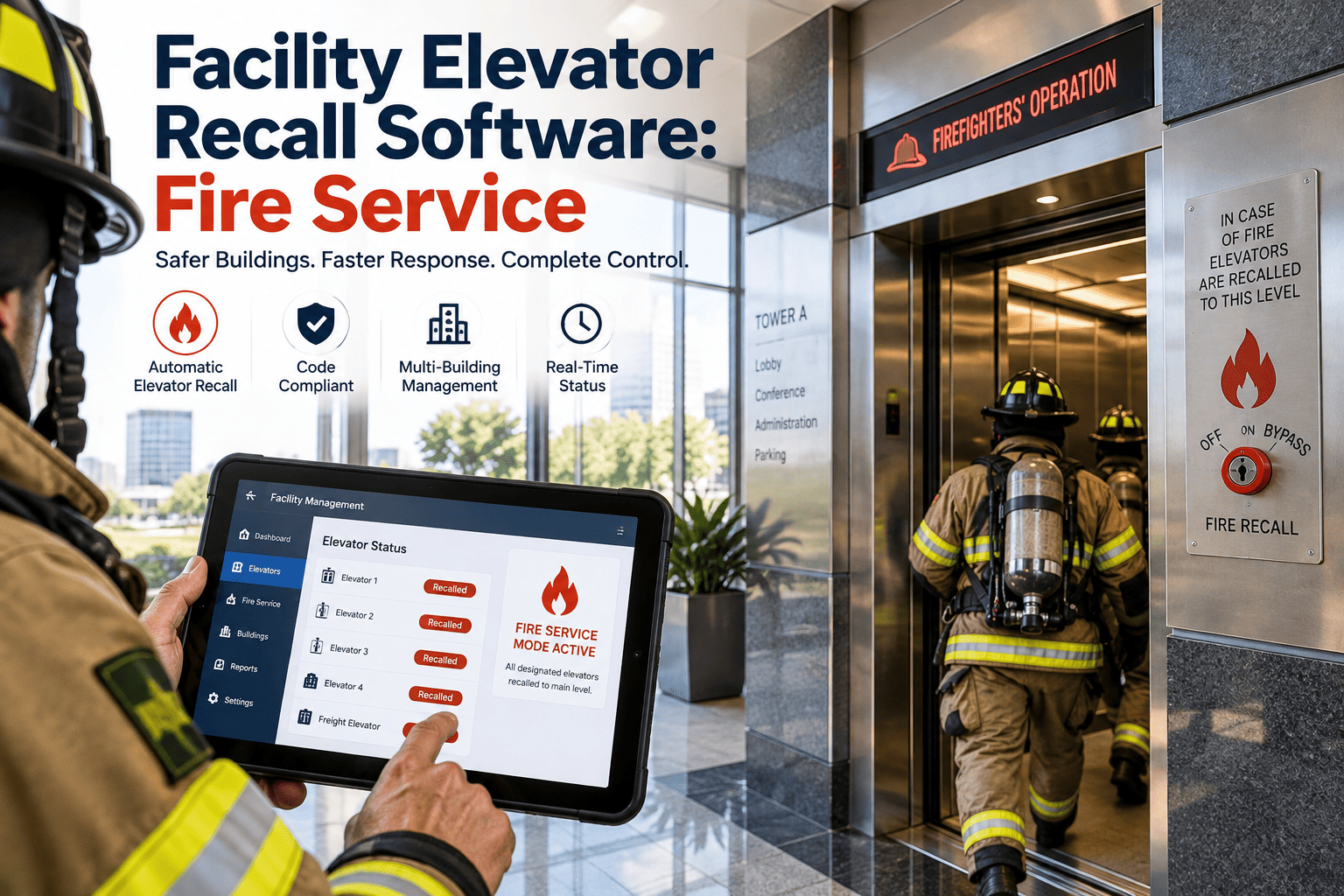
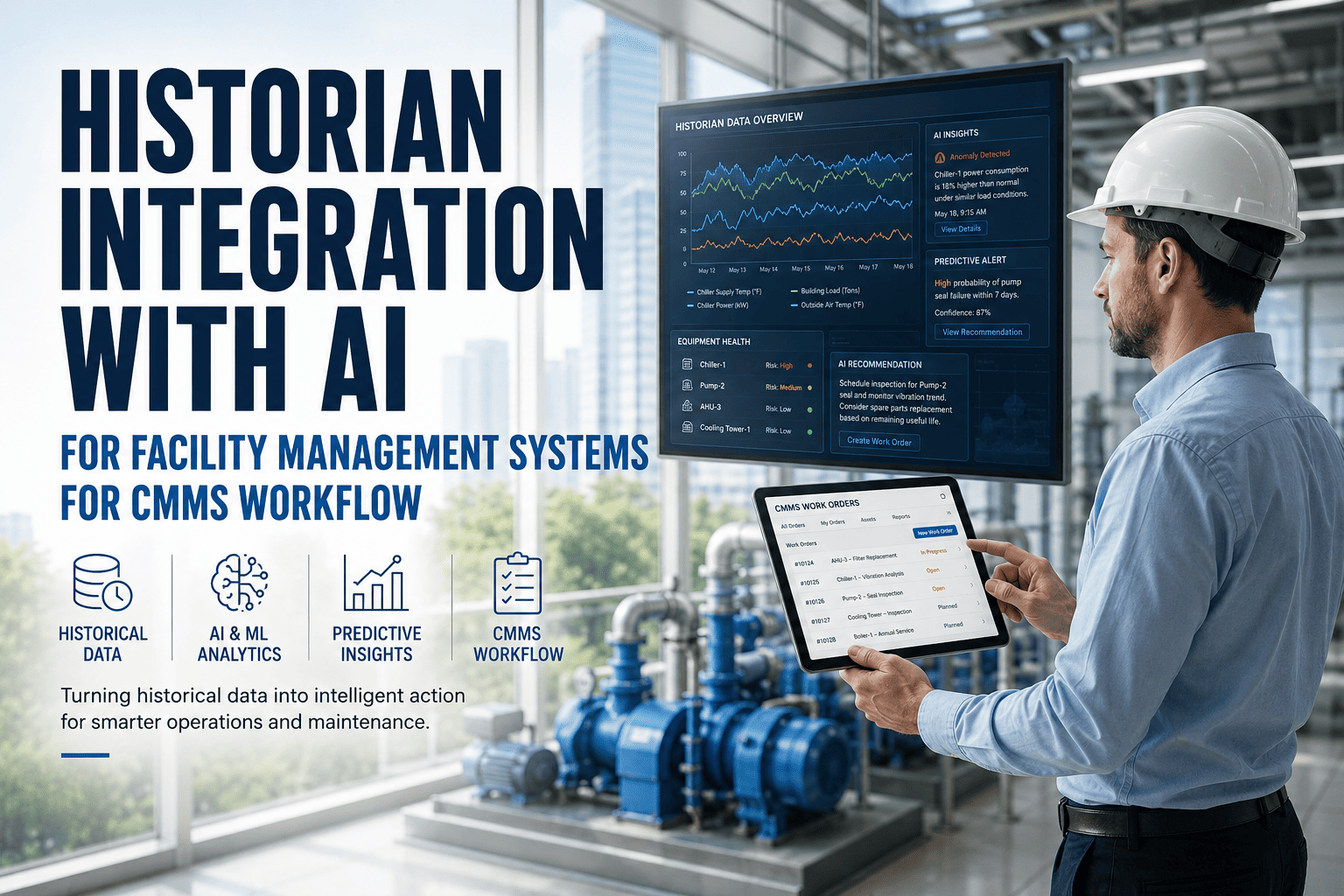
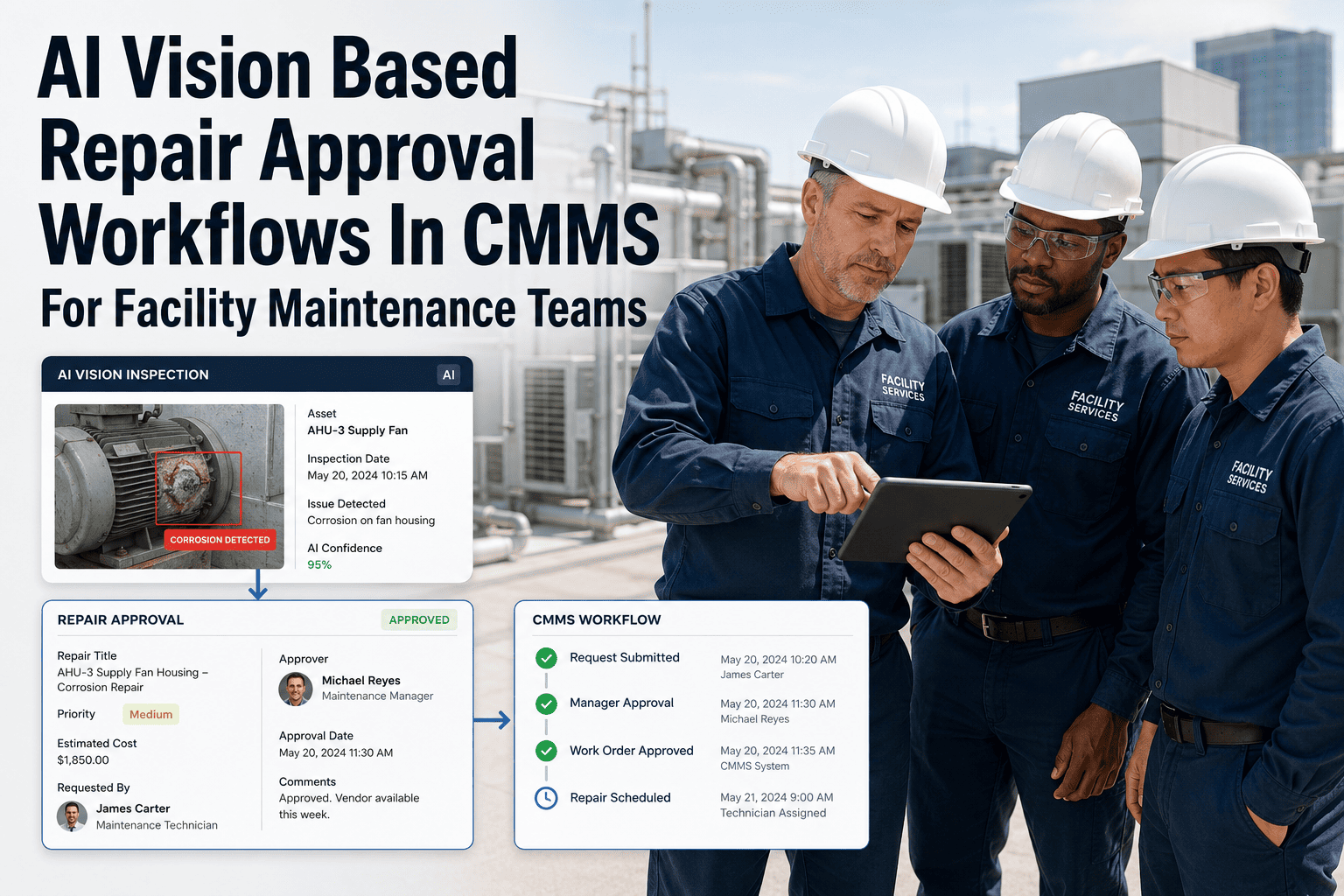
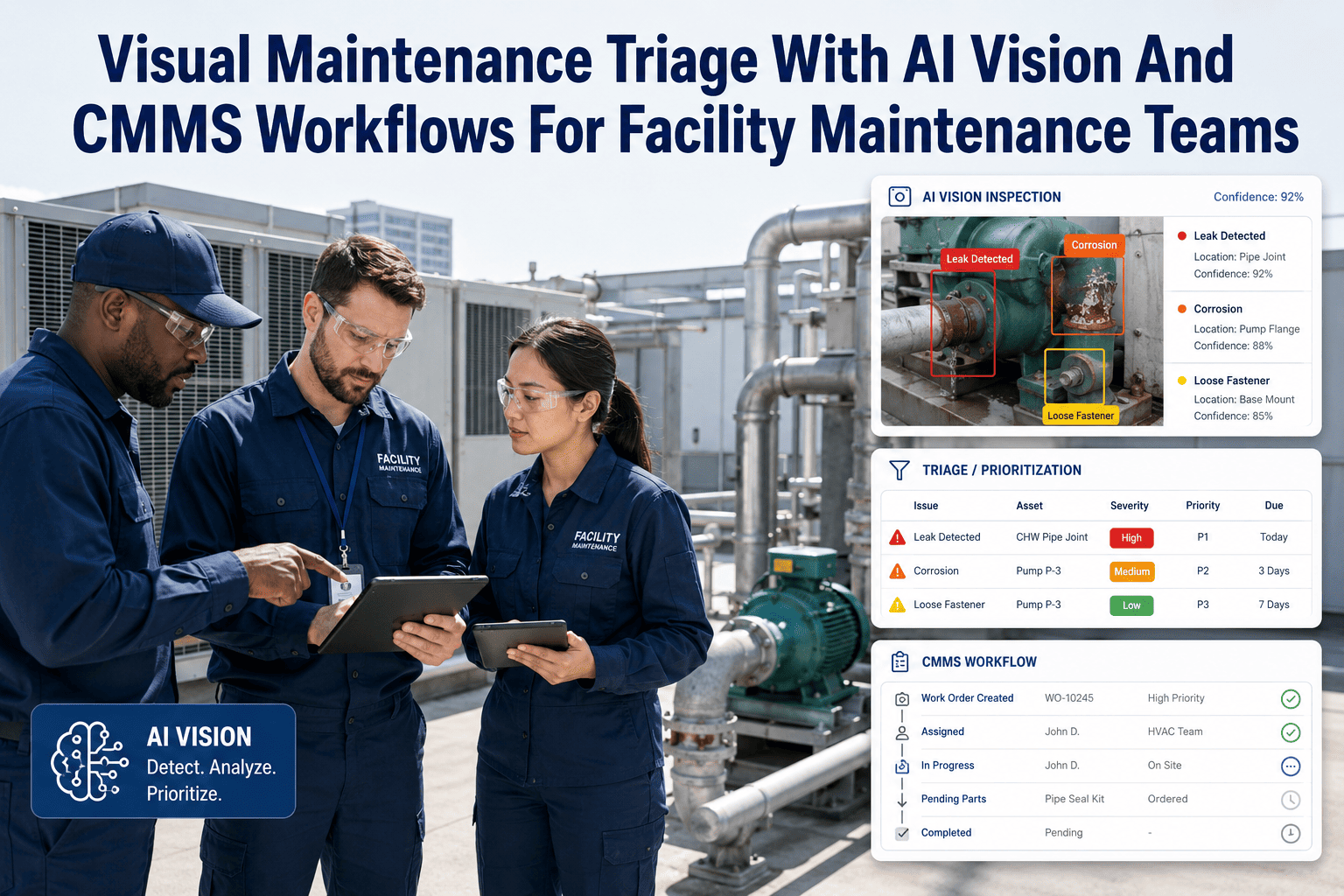
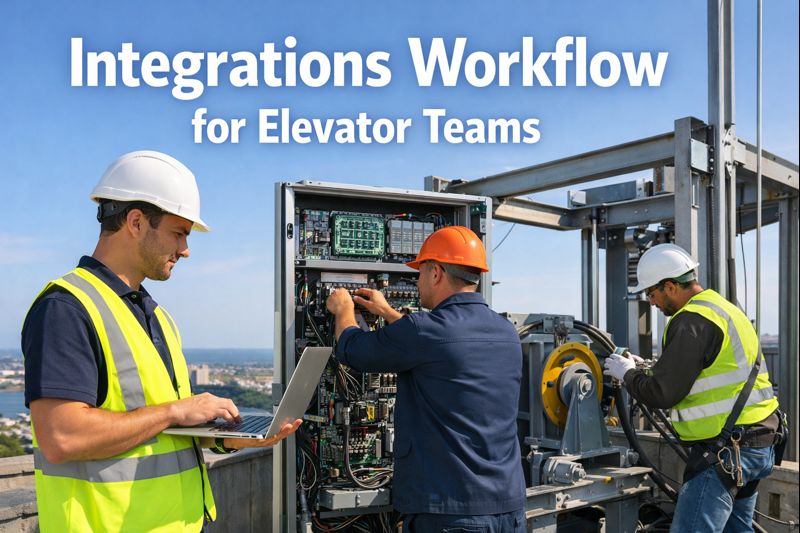
Elevator maintenance teams face mounting pressure to reduce downtime, respond faster to emergencies, and maintain aging equipment with fewer skilled technicians. Traditional clipboard-based workflows and reactive service models leave teams chasing problems instead of preventing them. IoT-connected workflow platforms transform elevator operations by delivering real-time equipment intelligence directly to technicians' mobile devices—automating dispatching, predicting failures before they strand passengers, and capturing institutional knowledge that walks out the door when experienced techs retire. Schedule a consultation to explore how IoT workflows can modernize your elevator service operations.
Why IoT Workflows for Elevator Teams
The elevator service industry operates under unique pressures that traditional maintenance approaches struggle to address. Each elevator carries approximately 20,000 passengers annually, making reliability a safety imperative rather than just a convenience issue. Meanwhile, workforce challenges compound operational complexity.
The Case for IoT-Powered Elevator Workflows
60%
Of maintenance teams cite skilled labor shortage as their leading challenge to improving service programs
4 hrs
Average equipment outage duration—time that IoT predictive alerts can dramatically reduce
29%
Of professionals identify aging equipment as the leading cause of unplanned downtime in the next 12 months
91%
Of businesses reduce repair time and unplanned downtime after implementing predictive maintenance
Ready to transform your elevator service operations? Join leading elevator teams using IoT workflows to reduce downtime and improve first-time fix rates.
Modern IoT workflow platforms for elevator teams integrate sensor networks, mobile applications, and cloud-based intelligence to create a continuous loop of monitoring, analysis, and action—replacing fragmented tools with unified operational visibility.
Connected Elevator Workflow ComponentsFrom sensor data to technician action
01
Elevator Sensor Network
IoT sensors monitor door cycles, motor vibration, energy consumption, and operational patterns. Smart sensors detect anomalies in speed, temperature, and acceleration that indicate developing problems before they cause failures.
02
Edge Processing & Alerts
Gateway devices process sensor data locally, applying threshold-based rules and machine learning models to identify issues requiring attention. Critical alerts trigger immediately while patterns accumulate for predictive analysis.
03
Intelligent Dispatching
AI-powered scheduling assigns technicians based on location, skillset, availability, and elevator priority. Smart routing minimizes travel time while ensuring the right expertise reaches each job.
04
Mobile Technician Workflows
Field technicians receive work orders with complete elevator history, diagnostic data, and recommended procedures on mobile devices. Digital checklists ensure consistent inspections while capturing data for future analysis.
05
Analytics & Continuous Improvement
Cloud dashboards aggregate performance across your entire elevator portfolio—tracking response times, first-time fix rates, and equipment health trends. Sign up for Oxmaint to centralize workflow management across all service locations.
Core Workflow Capabilities
IoT-enabled workflow platforms deliver capabilities specifically designed for elevator service operations—from emergency entrapment response to preventive maintenance optimization and regulatory compliance documentation.
Elevator Team Workflow Features
Smart Dispatching
AI assigns technicians based on skills, location, and job priority. Automatic re-routing when emergencies arise ensures critical calls receive immediate response.
Predictive Alerts
Machine learning identifies patterns preceding failures—unusual vibration, door cycle degradation, or motor temperature trends—enabling proactive service before breakdowns occur.
Mobile Work Orders
Technicians access complete equipment history, wiring diagrams, and repair procedures from any device. Offline capability ensures productivity even in elevator machine rooms with poor connectivity.
Digital Inspections
Standardized inspection checklists ensure compliance with safety codes. Photo documentation, signature capture, and automatic report generation streamline regulatory requirements.
Parts Management
Track van inventory, automate reorder points, and verify parts compatibility before dispatch. Reduce return trips caused by missing components or wrong parts.
Performance Dashboards
Real-time visibility into response times, completion rates, and equipment health across your entire portfolio. Identify trends and benchmark performance by building, technician, or equipment type.
See IoT elevator workflows in action. Book a personalized demo and we'll show you how smart dispatching and predictive maintenance work for elevator teams.
Different service scenarios require distinct workflow approaches. IoT platforms support the full spectrum of elevator service activities with purpose-built processes for each situation.
Elevator Service Workflow Configuration
Workflow Type
Trigger
Priority
IoT Enhancement
Emergency Entrapment
Passenger alarm, IoT detection
Immediate
Auto-dispatch nearest qualified tech, real-time location tracking, elevator status data
Breakdown Response
Callback, sensor fault alert
High
Diagnostic data pre-loaded, probable cause identification, parts recommendation
Preventive Maintenance
Scheduled interval, usage-based
Standard
Dynamic scheduling based on actual usage, condition-based task adjustment
Safety Inspection
Regulatory calendar
Standard
Code-compliant digital checklists, automatic documentation, certificate tracking
Predictive Service
AI pattern detection
Planned
Component-specific alerts with remaining useful life estimates, optimal timing recommendation
Modernization Project
Customer request, end-of-life
Scheduled
Equipment baseline data, energy consumption comparison, project milestone tracking
IoT data enriches every workflow type—from emergency response to long-term capital planning.
Traditional vs. IoT-Enabled Elevator Workflows
Understanding the operational differences between traditional and IoT-connected elevator service reveals why leading service providers are transitioning to connected platforms.
Elevator Workflow Approach Comparison
Traditional Workflows
X
Paper-based work orders and inspection forms
Reactive response to customer callbacks
Manual dispatching based on phone availability
Equipment history locked in individual tech knowledge
Fixed PM schedules regardless of actual usage
Multiple tripscommon due to missing information
IoT-Enabled Workflows
✓
Digital work orders with complete asset history
Proactive service from predictive alerts
AI-optimized dispatching and routing
Centralized knowledge base accessible to all techs
Usage-based maintenance intervals
First-time fixrates improve significantly
Modernize Your Elevator Service Workflows
Oxmaint connects your elevator portfolio to a unified IoT platform—delivering real-time equipment intelligence, intelligent dispatching, and mobile-first technician workflows that improve response times and first-time fix rates.
IoT workflow investments deliver returns across multiple operational dimensions—from reduced emergency callbacks and improved technician productivity to extended equipment life and enhanced customer satisfaction.
Documented Elevator Service BenefitsBased on industry data from maintenance management implementations
80%
Faster anomaly detection vs. manual methods
45%
Reduction in workforce shortage impact with CMMS
93%
Improve aging infrastructure maintenance
80%
Link CMMS to greater productivity
Calculate your potential savings. Create a free Oxmaint account and our team will help model the ROI for your elevator service operation.
Successful IoT workflow deployment for elevator teams requires careful phasing—starting with core connectivity and expanding capabilities as teams adapt to new processes and data-driven decision making.
Typical Deployment Roadmap
Week 1-2
Platform Setup
Asset database configurationUser accounts and permissionsMobile app deployment
Week 3-4
Workflow Activation
Work order templatesInspection checklistsDispatching rules
Predictive model tuningProcess refinementAdvanced analytics
Elevator service is no longer just about screwdrivers and oil cans—it's about data, diagnostics, and decision-making. Companies embracing smart technology stay ahead of the curve and serve customers better through real-time monitoring, predictive tech, and cloud-based tools.
— Industry Technology Assessment
Frequently Asked Questions
How quickly can elevator teams see benefits from IoT workflows?
Most teams experience immediate improvements in dispatching efficiency and work order management within the first week. Predictive maintenance benefits accumulate over 30-60 days as the system learns your equipment patterns. Schedule a consultation to discuss a timeline for your specific operation.
What if our elevators don't have IoT sensors installed?
IoT workflow platforms deliver value even without sensor connectivity. Digital work orders, mobile technician apps, and intelligent scheduling improve operations immediately. Sensor integration can be added incrementally to high-priority elevators, with the platform ready to receive data as connectivity expands.
How does the platform handle connectivity issues in elevator machine rooms?
Mobile applications include offline capability—technicians can access work orders, complete checklists, and document repairs without connectivity. Data synchronizes automatically when connection is restored. Sign up to explore mobile features designed for challenging field environments.
Can the platform integrate with existing elevator monitoring systems?
Yes. Modern workflow platforms support integration with major elevator monitoring solutions via APIs and standard protocols. This allows you to leverage existing sensor investments while gaining unified workflow management and enhanced analytics capabilities.
How does IoT help with the skilled labor shortage affecting elevator service?
IoT workflows capture institutional knowledge in digital form—repair procedures, equipment quirks, and successful solutions become accessible to all technicians. Guided workflows help newer techs perform complex tasks correctly, while predictive alerts reduce the chaos of reactive service that burns out experienced staff.