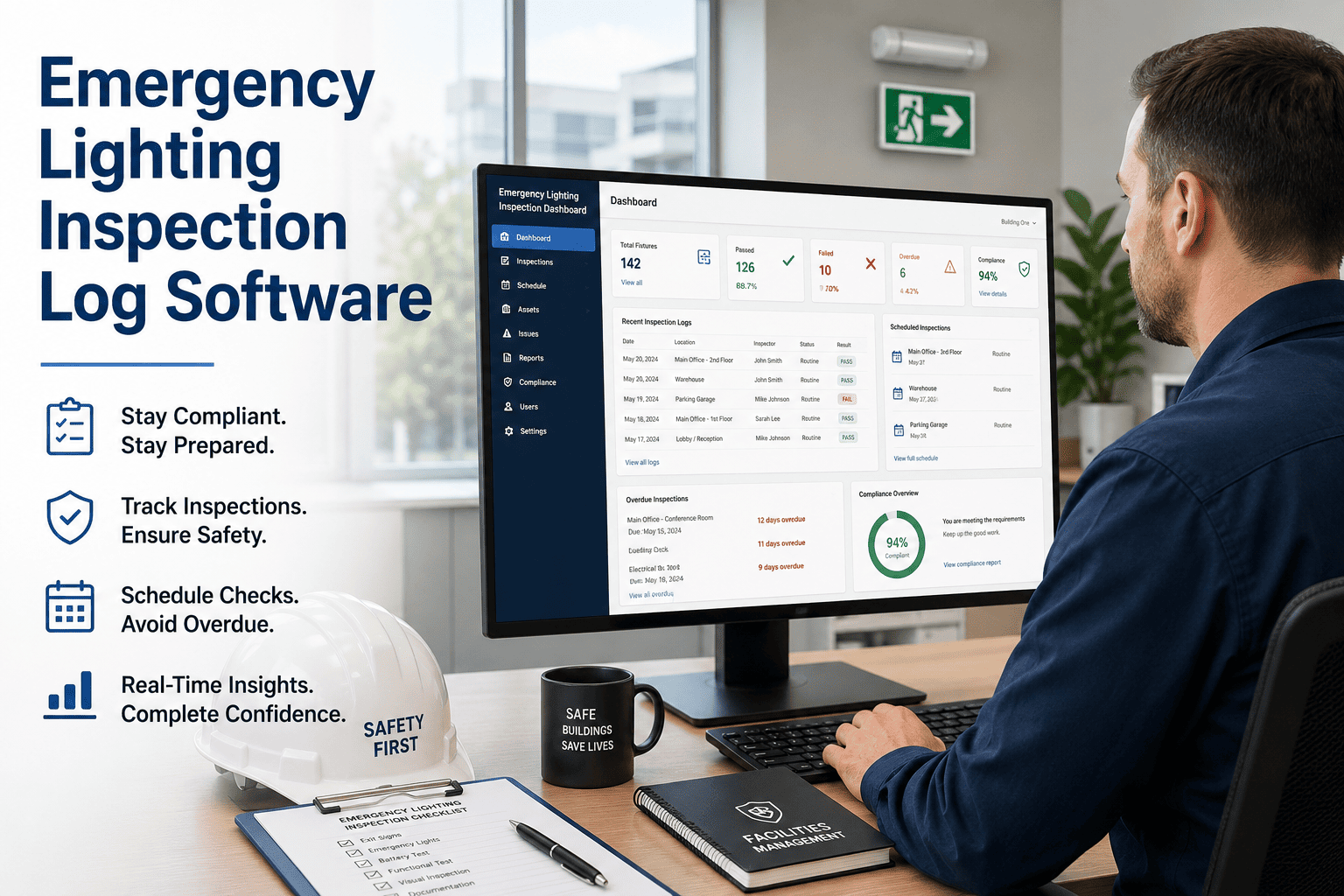
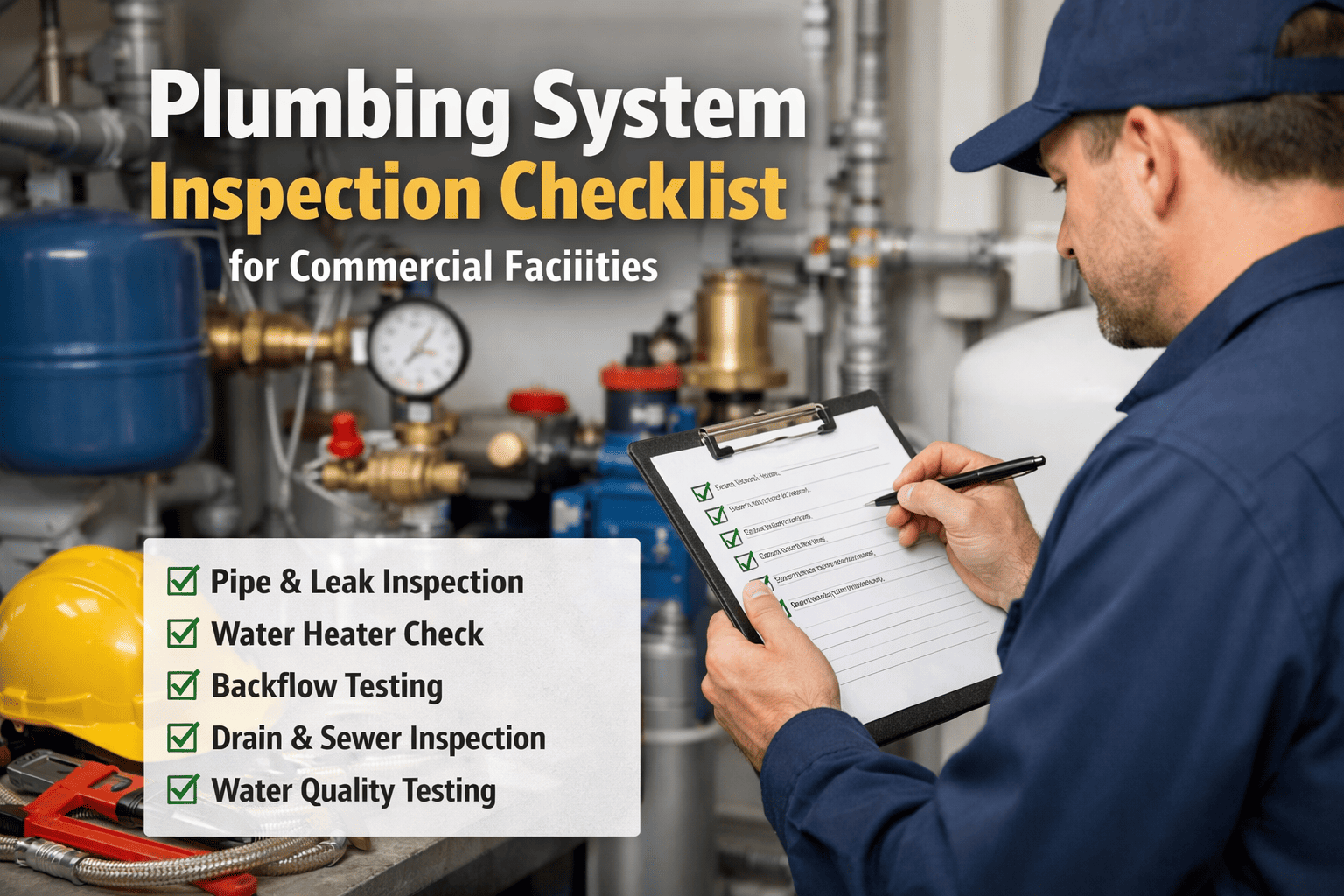
Lighting System Inspection and Maintenance Reporting Template
By shreen on January 23, 2026
Lighting system failures cost commercial facilities an average of $2,500-$15,000 per incident in emergency repairs, productivity losses, and safety violations. With OSHA citing inadequate lighting as a contributing factor in 25% of workplace accidents, proper inspection and maintenance isn't optional—it's essential for safety compliance and operational efficiency. Yet most facilities still rely on reactive maintenance, replacing bulbs only after they fail and missing critical signs of electrical degradation. Modern lighting inspection templates combined with CMMS software transform this approach, enabling predictive maintenance that extends lamp life by 30-40% while reducing energy costs by 15-25%. OXmaint's maintenance management platform provides comprehensive lighting inspection templates that integrate seamlessly with automated work order generation—start your free trial today to modernize your lighting maintenance program.
The Cost of Poor Lighting Maintenance
Why reactive maintenance can no longer meet facility demands
Reactive Maintenance
$15K+
Annual Emergency Costs
Replace only after failure
25% safety incident risk
No documented inspections
Energy waste up to 35%
VS
Preventive Maintenance
60-75%
Cost Reduction
Scheduled inspections
100% compliance documented
Predictive replacement
Energy optimized
Structured lighting inspection programs reduce failures by 70% and cut maintenance costs in half
Ready to transform your lighting maintenance program?
Why Lighting System Inspection Templates Are Essential
Lighting systems represent 15-25% of a commercial building's total energy consumption and directly impact workplace safety, productivity, and regulatory compliance. Without standardized inspection templates, maintenance teams miss critical warning signs—flickering fixtures, discolored lenses, hot ballasts, and failing emergency lights—that precede costly failures. Studies show that systematic lighting inspections identify 85% of potential failures before they occur, compared to just 15% with reactive approaches.
Proper lighting inspection templates ensure consistency across technicians, facilities, and time periods. They create auditable records for OSHA compliance, insurance documentation, and energy efficiency programs. When integrated with CMMS software like OXmaint, inspection data automatically triggers work orders, tracks lamp lifecycles, and generates performance analytics that drive continuous improvement.
5 Critical Lighting Inspection Checkpoints
01
Light Output Levels
Measure lux/foot-candles against IESNA standards. Document degradation trends to predict replacement timing before output falls below safe thresholds.
02
Electrical Connections
Inspect wiring, connections, and junction boxes for signs of overheating, corrosion, or loose terminals. Thermal imaging reveals hidden electrical faults.
03
Ballast/Driver Health
Check LED drivers and fluorescent ballasts for humming, overheating, or power factor degradation. Replace proactively to prevent lamp damage.
04
Emergency Lighting
Test battery backup systems, exit signs, and emergency pathway lighting per NFPA 101 requirements. Document 30-second and 90-minute tests.
05
Fixture Condition
Assess lens clarity, housing integrity, mounting stability, and reflector condition. Dirty or damaged fixtures reduce output by 20-50%.
The cost implications of neglected lighting maintenance extend beyond replacement expenses. Insurance claims for accidents in poorly lit areas average $50,000-$250,000. OSHA fines for inadequate emergency lighting reach $15,625 per violation. Energy waste from degraded lamps and dirty fixtures adds thousands annually to utility bills. Ready to eliminate these risks? Schedule a demo with OXmaint to see how our lighting inspection templates protect your facility and bottom line.
Stop Reactive Lighting Maintenance
OXmaint's digital inspection templates catch problems before they become emergencies, automatically generating work orders and tracking compliance.
A comprehensive lighting inspection template must address every aspect of lighting system health, from lamp performance to electrical safety to regulatory compliance. The best templates guide technicians through systematic evaluations while capturing data that supports predictive maintenance and continuous improvement.
Lighting Inspection Workflow
From initial assessment to automated maintenance scheduling
1
Area Identification
Document location, fixture count, lamp types, and inspection frequency requirements
2
Visual Inspection
Check for flickering, discoloration, physical damage, and dirt accumulation
3
Performance Testing
Measure light levels, test emergency systems, verify controls functionality
4
Report & Schedule
Generate inspection reports, auto-create work orders for deficiencies found
Average Inspection Time:15-30 minutes per area with digital templates
Digital inspection templates eliminate paper-based inefficiencies while ensuring nothing gets missed. OXmaint's mobile inspection app works offline in areas with poor connectivity, syncing data automatically when connection resumes. Photo documentation, barcode scanning, and signature capture create comprehensive audit trails. Try OXmaint free and experience how digital templates transform lighting maintenance.
Each inspection category generates specific data points that feed into OXmaint's analytics engine. Track lamp lifecycles, identify chronic problem areas, and optimize replacement schedules based on actual performance rather than arbitrary timelines. Book your personalized demo to see how inspection data drives smarter maintenance decisions.
Get Your Complete Lighting Inspection Template
OXmaint provides ready-to-use digital inspection templates customizable for your facility type. Our 30-minute demo shows exactly how to implement comprehensive lighting maintenance tracking.
Effective lighting maintenance reporting goes beyond simple pass/fail documentation. The best reports capture quantitative measurements, trend data, photo evidence, and actionable recommendations that enable data-driven decision making. When integrated with CMMS software, reports automatically populate asset histories, trigger work orders, and feed predictive maintenance algorithms.
Essential Lighting Maintenance Report Elements
What every inspection report should include
Light Level Measurements
Lux readings at work surfaces compared to IESNA standards
Required
Deficiency Documentation
Photos, locations, severity ratings, and recommended actions
Required
Emergency System Tests
Battery backup duration, transfer time, illumination levels
Required
Energy Performance
Power consumption, operating hours, efficiency metrics
Recommended
Trend Analysis
Comparison to previous inspections, degradation rates, predictions
Recommended
Result of Complete Reporting:
85% Fewer Failures
Comprehensive documentation reduces emergency repairs by 85% and supports 100% compliance audits
OXmaint's reporting engine automatically compiles inspection data into professional reports suitable for management review, compliance audits, and insurance documentation. Custom report templates match your organization's requirements while maintaining consistency across facilities and time periods.
Generate professional maintenance reports automatically
Different facilities have unique lighting requirements driven by tasks performed, occupancy patterns, and regulatory mandates. OXmaint's template library includes facility-specific inspection checklists that address these variations while maintaining core safety and performance standards. Book a consultation to discuss your facility-specific lighting inspection needs.
What Type of Facility Do You Manage?
OXmaint serves offices, manufacturing plants, healthcare facilities, warehouses, parking structures, and retail locations. Let us show you facility-specific lighting inspection templates.
Annual Savings from Preventive Lighting Maintenance
Typical results for a 100,000 sq ft commercial facility
Emergency Repair Reduction
70% fewer after-hours service calls
$12,000
Extended Lamp Life
30-40% longer replacement cycles
$8,500
Energy Savings
Clean fixtures, optimized controls
$15,000
Avoided Safety Incidents
Reduced liability and claims
$25,000
Labor Efficiency
Planned vs. reactive maintenance
$6,500
Total Annual Savings:
$67,000+
Typical ROI achieved within 3-6 months of implementation
Implementation Timeline
Lighting Maintenance Program Implementation
Week 1-2
Audit & Setup
Complete facility lighting inventory, configure inspection templates, set up asset hierarchy in CMMS
Week 3-4
Training
Train maintenance staff on inspection procedures, mobile app usage, and reporting requirements
Week 5-8
Baseline Inspections
Complete initial facility-wide inspection, document all deficiencies, establish performance baselines
Ongoing
Continuous Improvement
Regular inspections, trend analysis, optimization of schedules, predictive maintenance refinement
OXmaint's implementation team guides you through every phase, from initial audit to ongoing optimization. Most facilities see measurable improvements within the first month and full ROI within 3-6 months. Schedule your free consultation to get a customized implementation plan for your facility.
Start your lighting maintenance transformation today
Non-compliance with lighting regulations exposes facilities to significant liability. OSHA violations carry fines up to $15,625 per occurrence, while inadequate emergency lighting after an incident can result in massive civil liability. OXmaint's compliance tracking ensures you never miss required inspections and always have documentation ready for auditors.
Frequently Asked Questions
How often should lighting systems be inspected?
Inspection frequency depends on lighting type and application. General area lighting should receive visual inspection monthly and detailed inspection quarterly. Emergency lighting requires monthly 30-second tests and annual 90-minute tests per NFPA 101. High-use areas and critical task lighting may need more frequent attention. OXmaint's scheduling engine automates frequency management based on your specific requirements.
What light levels are required for workplace compliance?
OSHA and IESNA provide illumination guidelines by task type. General office work requires 300-500 lux (30-50 foot-candles), while detailed assembly work needs 500-1000 lux. Warehouses require 200-300 lux in aisles, and parking areas need 50-100 lux minimum. Emergency egress paths must maintain 1 foot-candle (10 lux) during power failures. OXmaint's inspection templates include standard reference values for your facility type.
How do I document lighting inspections for compliance audits?
Compliance documentation requires inspector identification, date/time stamps, specific measurements taken, deficiencies found, and corrective actions completed. NFPA 101 mandates written records retained for three years minimum. Digital CMMS platforms like OXmaint automatically capture all required data points, generate compliant reports, and maintain secure audit trails.
What's the difference between LED driver and fluorescent ballast inspection?
LED drivers and fluorescent ballasts both convert power but have different failure modes. Ballasts often hum, overheat, or cause lamp flickering before failure. LED drivers may show dimming, color shift, or intermittent operation. Both should be checked for operating temperature (under 80°C), audible noise, and stable output. Thermal imaging identifies hot spots before visible symptoms appear.
How much can preventive lighting maintenance save annually?
Typical facilities save 60-75% on lighting maintenance costs by switching from reactive to preventive approaches. For a 100,000 sq ft commercial building, annual savings typically reach $50,000-$75,000 through reduced emergency repairs, extended lamp life, energy optimization, and avoided safety incidents. ROI is typically achieved within 3-6 months.
Can lighting inspections be done with mobile devices?
Yes, modern CMMS platforms like OXmaint offer mobile apps that enable technicians to complete inspections on smartphones or tablets. Mobile inspection eliminates paper forms, enables photo documentation, supports barcode/QR code scanning for asset identification, and works offline in areas with poor connectivity. Data syncs automatically when connection resumes.
What tools are needed for lighting inspections?
Basic lighting inspection requires a light meter (lux meter) for measuring illumination levels, a non-contact voltage tester for electrical safety, and a thermal imaging camera for detecting hot spots. For emergency lighting tests, a timer and documentation forms are essential. OXmaint's mobile app serves as your digital documentation tool, integrating with Bluetooth-enabled meters for automatic data capture.
How do I integrate lighting inspection with our existing CMMS?
OXmaint provides API integrations with major CMMS platforms, allowing inspection data to flow seamlessly into existing maintenance management systems. Alternatively, OXmaint can serve as your complete CMMS solution with built-in inspection capabilities. Our implementation team handles integration setup and data migration.
Transform Your Lighting Maintenance Program with OXmaint
Join facilities management teams using OXmaint's comprehensive inspection templates and maintenance management platform to achieve 70% fewer lighting failures, 100% compliance documentation, and 60-75% cost reduction. See how digital inspection workflows connect directly to work order management for faster resolution and continuous improvement.