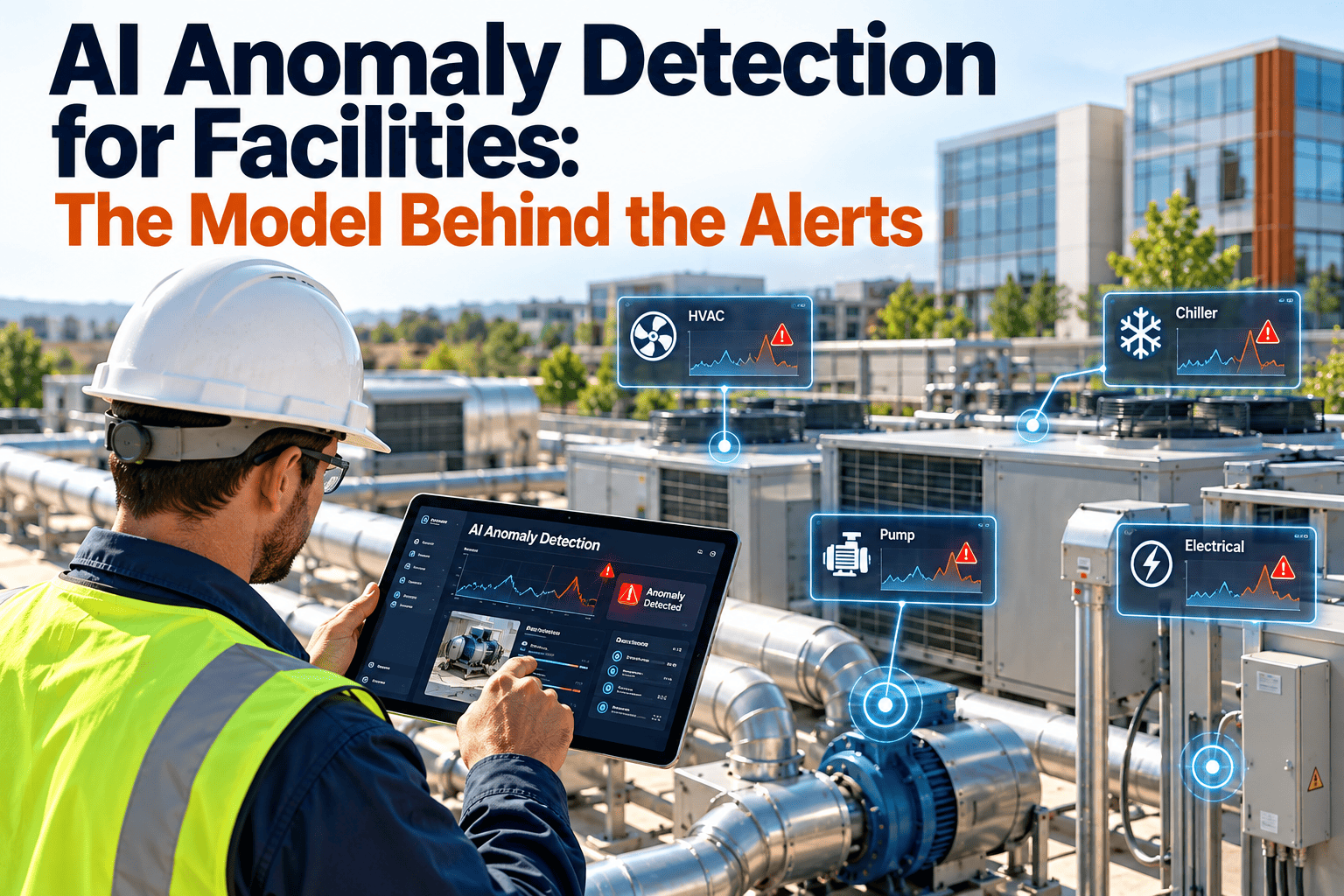
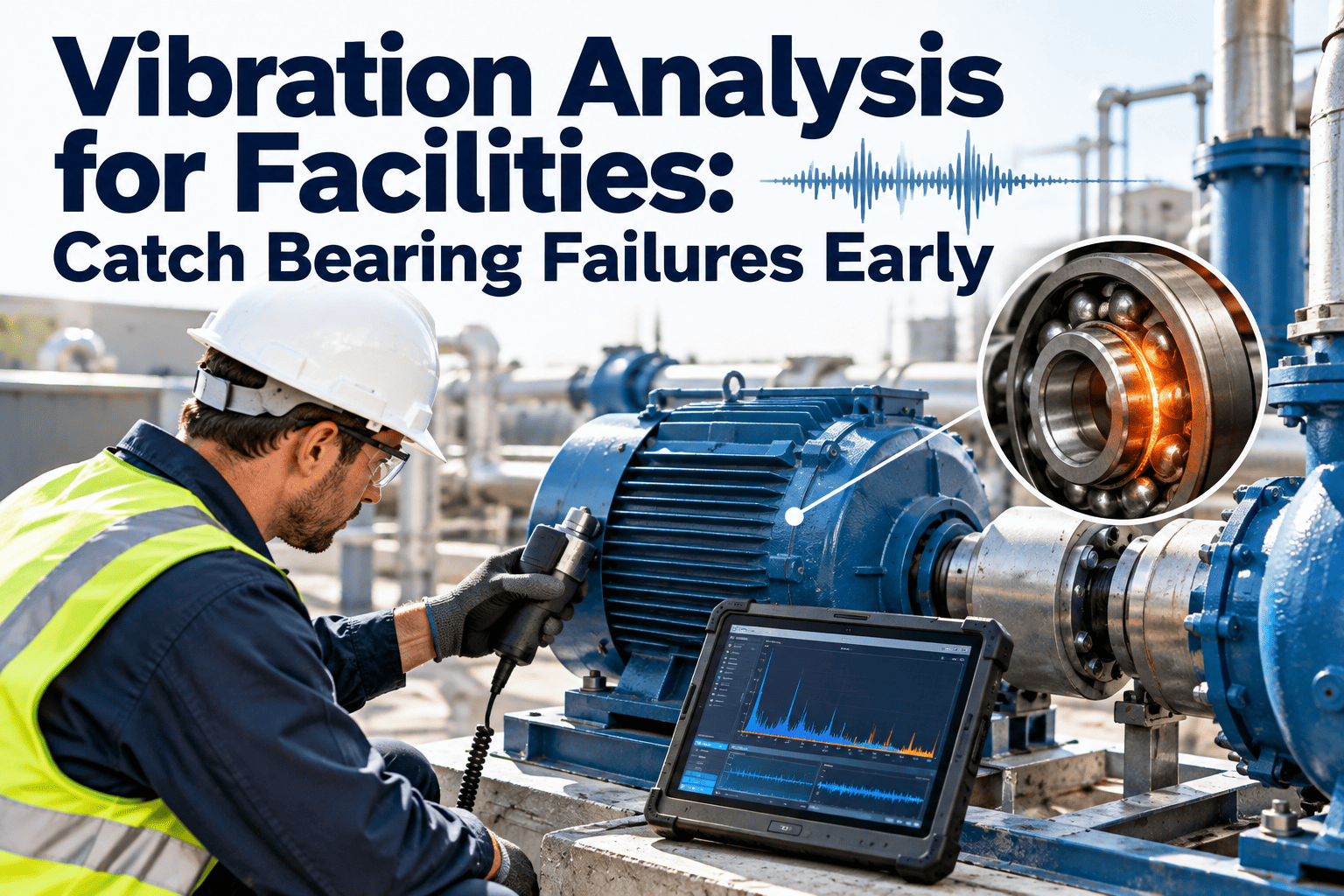
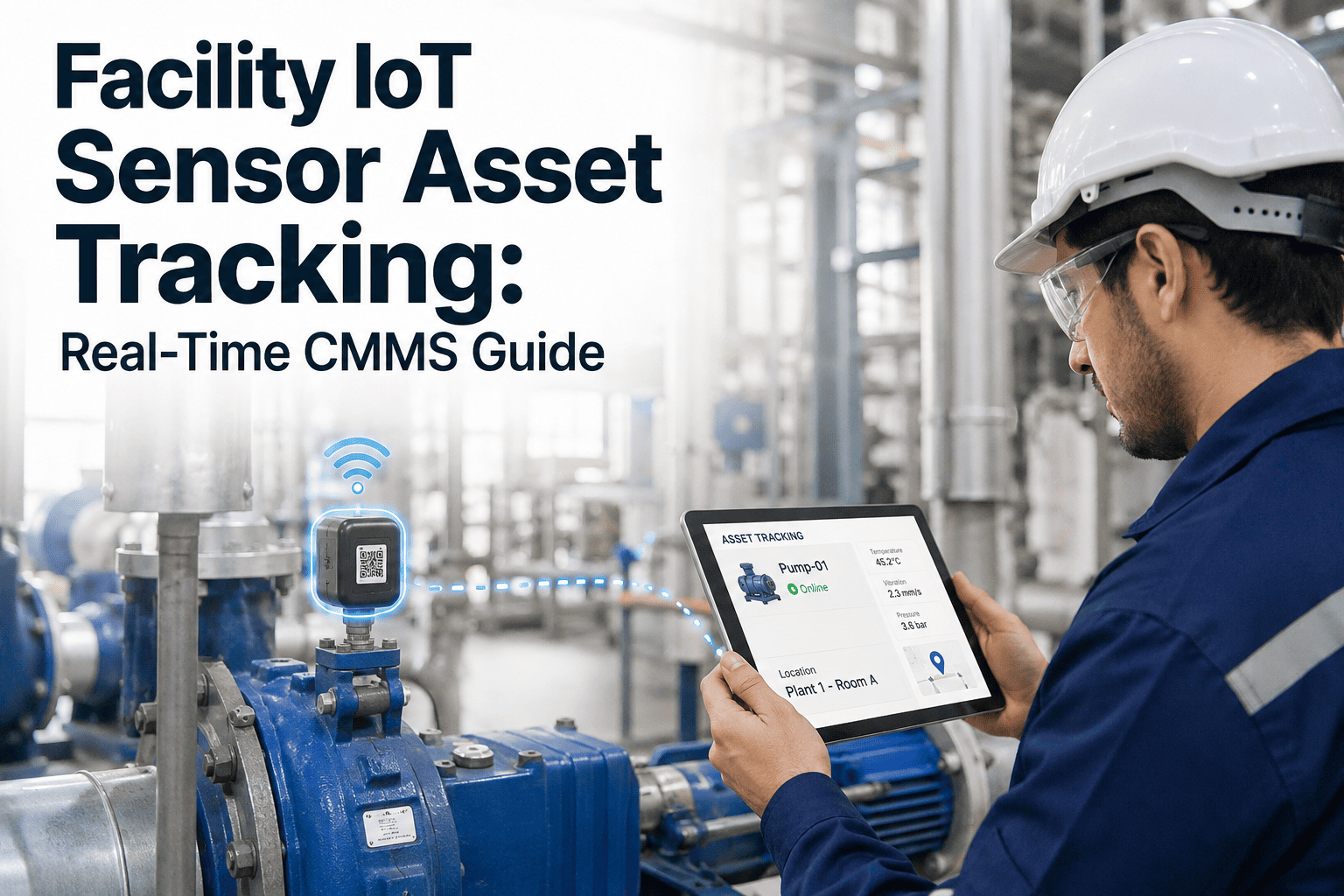
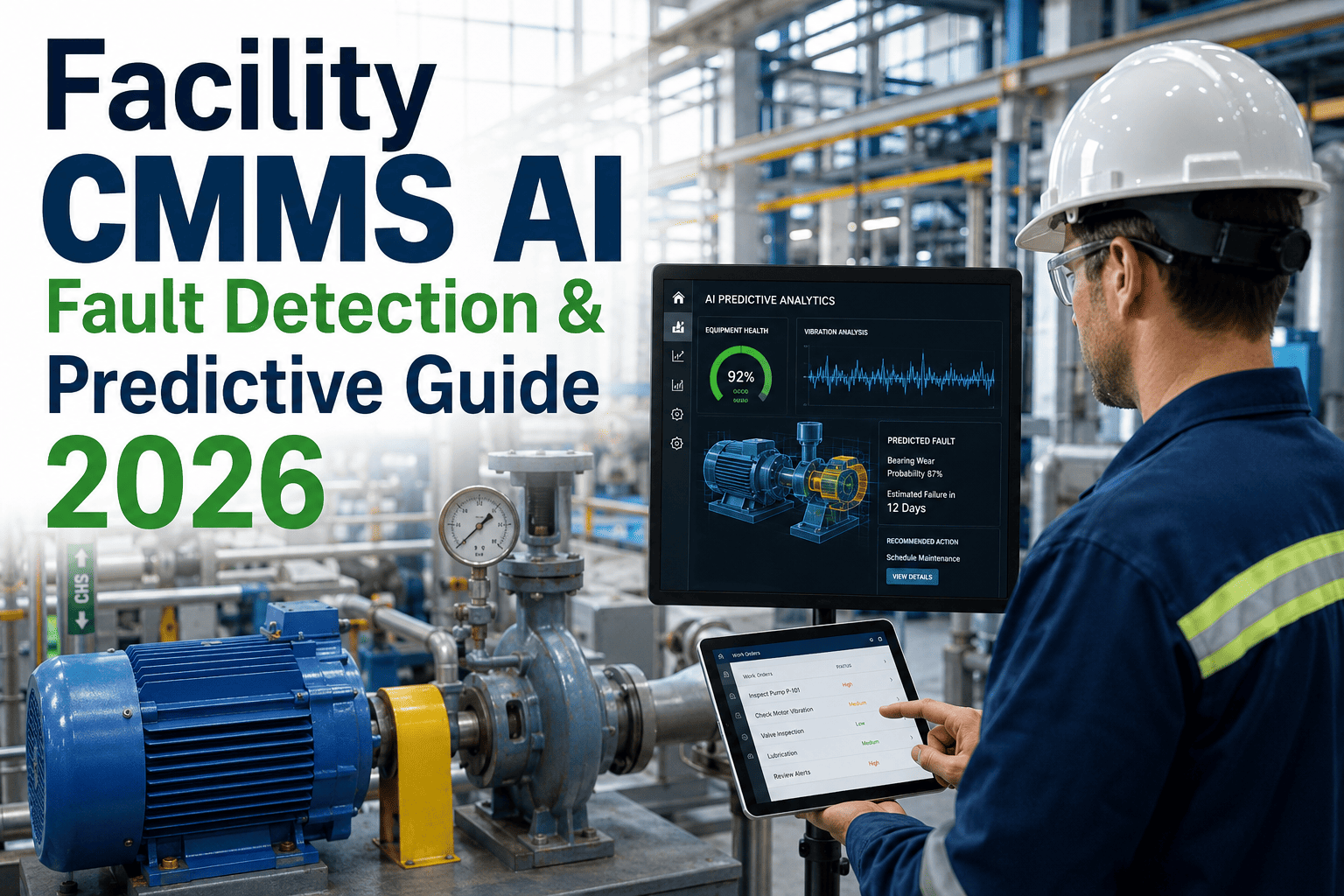
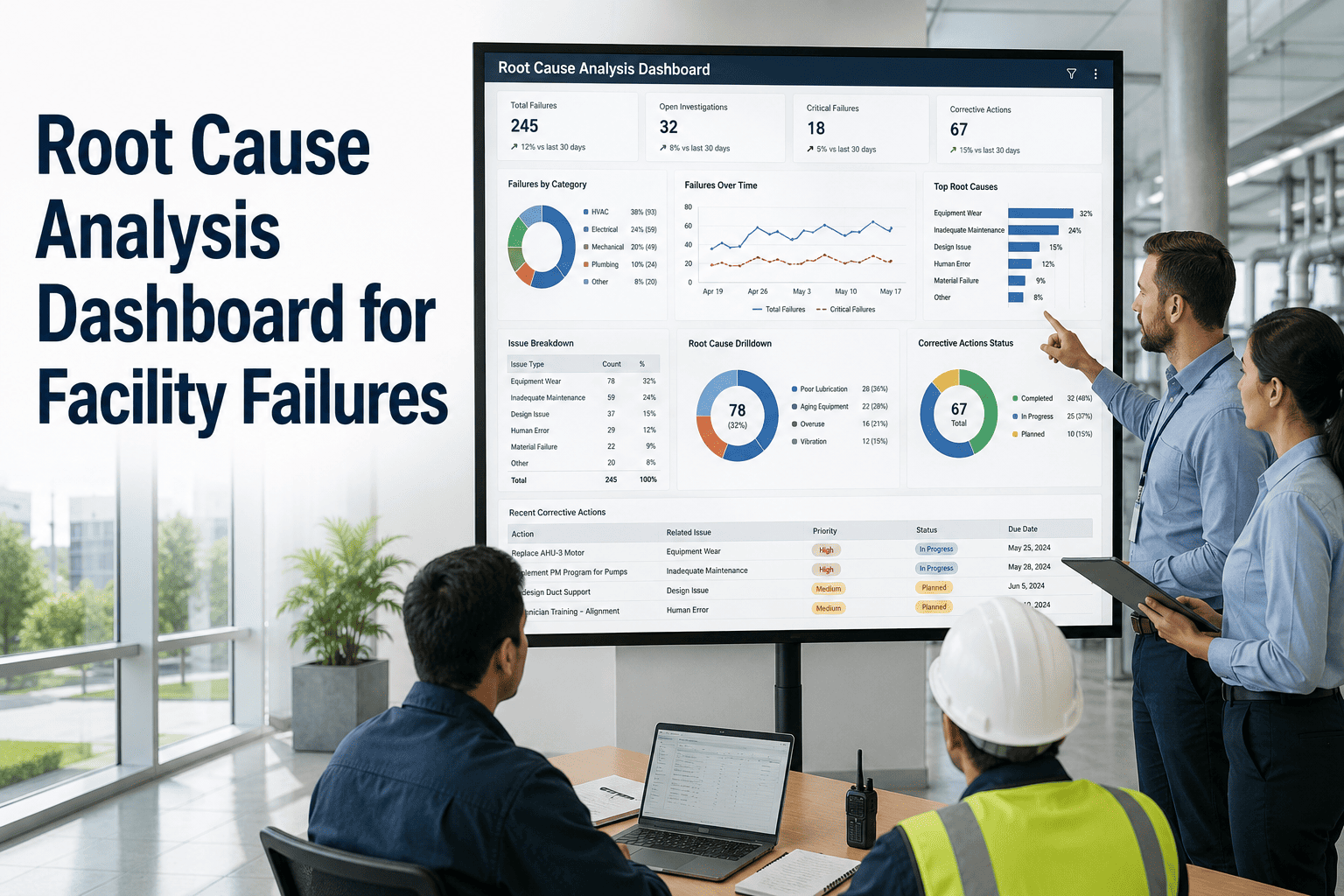
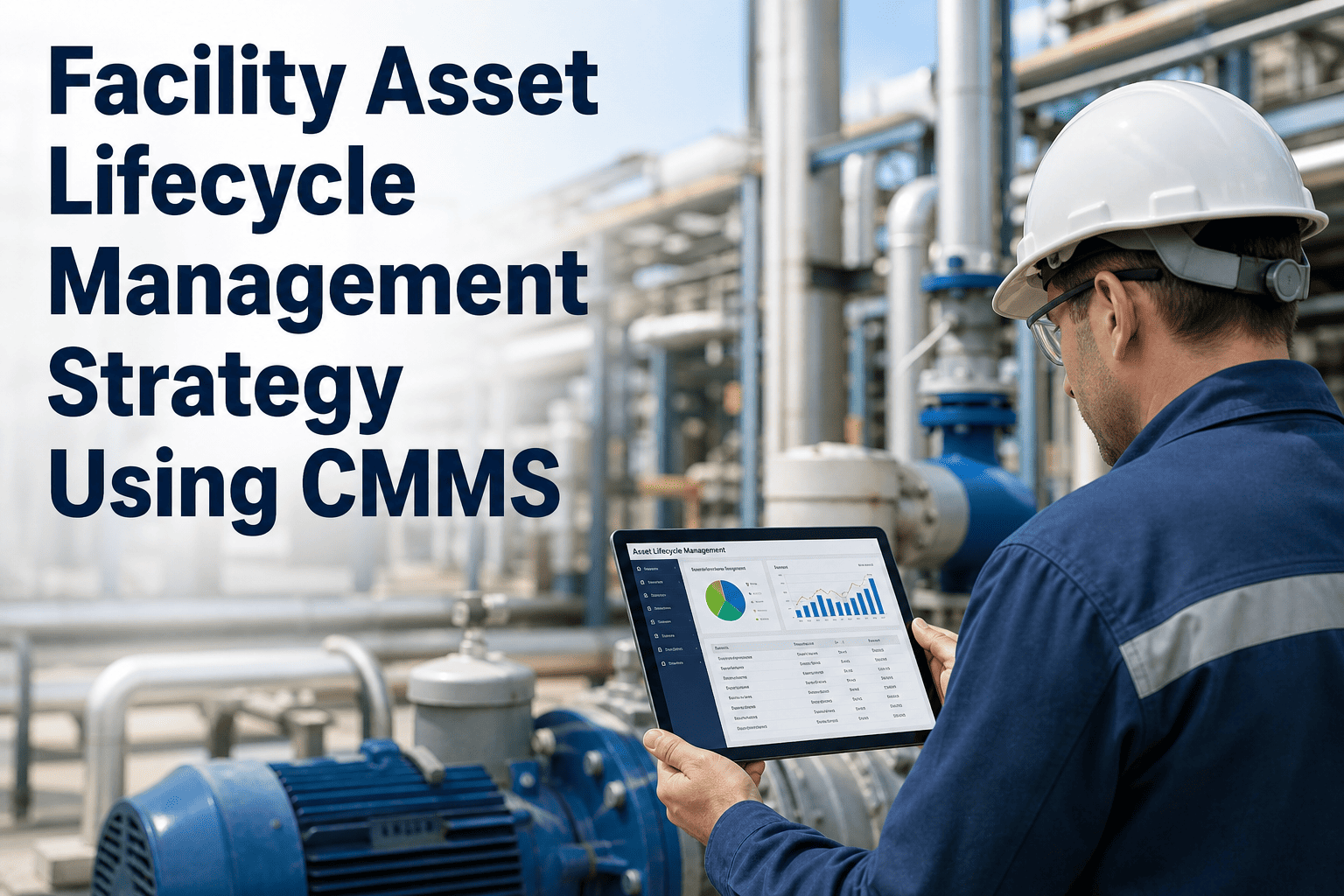
The average facility now experiences 25 unplanned downtime incidents per month. Each one costs at least 50% more than it did five years ago and arrives without warning because most maintenance teams are still working from fixed schedules that have no connection to actual equipment condition. Machine learning changes this completely. By analysing sensor streams, historical failure records, and operational parameters, ML models predict equipment failures 30 to 90 days in advance with 80 to 97% accuracy. Deloitte research documents the outcome: 35 to 45% reduction in downtime, 70 to 75% elimination of unexpected breakdowns, and 25 to 30% reduction in maintenance costs. The challenge for facility managers is not understanding why ML works. It is knowing how to deploy it practically, what data is actually required, and how prediction alerts connect to work order execution without adding manual steps. This guide covers all of it. Sign up free to deploy ML failure prediction on your first asset class, or book a demo to see Oxmaint's pre-trained models running against your equipment register.
ML Failure Prediction. Pre-Trained. Operational in Days.
Oxmaint's pre-trained ML models connect to your existing BAS and SCADA data. No data science team. No 12-month training window. Transfer learning from 14,000 plus similar assets means predictions begin from week one.
What Is Machine Learning Equipment Failure Prediction?
ML failure prediction is a maintenance strategy that uses machine learning algorithms to analyse sensor data, work order history, and operational parameters continuously, identifying patterns that precede equipment failures before they manifest as breakdowns. Unlike time-based preventive maintenance, which services equipment on a fixed schedule regardless of condition, ML prediction triggers work orders only when data patterns confirm developing failure. Unlike simple threshold alerting, which flags a single out-of-range reading, ML models recognise multi-variable degradation trajectories that unfold over days or weeks and distinguish genuine failure patterns from operational noise.
Pattern Recognition Across Time
ML models learn what normal looks like for each specific asset under its specific operating conditions. When sensor readings begin forming a pattern that historically precedes failure, the model assigns a rising failure probability score and triggers an alert at the configured confidence threshold.
Start Predicting From Week One
In 2026, cloud ML platforms use transfer learning from industry-wide datasets. Oxmaint's models are pre-trained on failure data from 14,000 plus similar assets. When you connect a centrifugal pump, the model already knows what bearing failure and seal degradation look like. Site-specific accuracy improves continuously as your data accumulates.
The Four ML Model Types Used for Failure Prediction
Each failure mode requires a different class of ML model. Effective facility ML programmes deploy multiple model types simultaneously, matched to the specific failure characteristics of each asset class. Oxmaint's prediction console combines all four in a single platform.
Unsupervised Baseline Deviation
Isolation Forest, Autoencoders, and One-Class SVM learn each asset's normal operating signature and flag deviations. Particularly valuable for new or rarely-failing assets with limited historical failure data. Detects developing faults 2 to 8 weeks before functional failure. Deployed first in most facility ML programmes because it requires no labelled failure data to start.
Remaining Useful Life Prediction
Gradient Boosting, Random Forest, and LSTM neural networks trained on run-to-failure datasets estimate remaining operational hours per asset. RUL estimates give facility managers a planning horizon: schedule parts and labour before the failure window, not after it. Oxmaint displays RUL per asset on the predictive maintenance console with configurable intervention alert thresholds.
Fault Type Identification
Once an anomaly is detected, classification models identify which specific failure mode is developing. Bearing wear versus imbalance. Seal degradation versus impeller cavitation. Gradient Boosting models achieve F1 scores above 0.97 on industrial datasets. This determines what repair is required, enabling parts to be pre-staged before the technician arrives at the asset.
Temporal Degradation Tracking
LSTM and Transformer-based architectures capture degradation trajectories unfolding over days or weeks. Research confirms LSTM outperforms simpler models on complex facility failure patterns, achieving lower MAE and RMSE scores on multi-variable sensor datasets. Where basic threshold models see one out-of-range reading, LSTM sees a deterioration trend distinguishing real failure from operational noise.
Sensor Data: What ML Actually Needs vs What Teams Think It Needs
The biggest barrier to ML deployment in facilities is not cost or complexity. It is the belief that extensive new sensor hardware is required. Most commercial buildings already capture 70 to 80% of the data ML models need through existing BAS and SCADA infrastructure. Sign up free to assess your existing sensor coverage, or book a demo to map your BAS data to Oxmaint's ML input requirements.
Rotating Equipment Health
What teams think: dedicated wireless sensors on every rotating asset. What ML actually needs: existing BAS vibration points or portable route data already collected. If you have a BAS connected to AHU fans, cooling tower motors, and pump skids, you likely already have 60 to 80% of required vibration data streams.
Thermal Signature Monitoring
What teams think: infrared cameras on every bearing and electrical panel. What ML actually needs: BAS temperature points, RTDs, and thermocouples already installed. Almost every commercial BAS captures supply air, return air, chilled water supply and return, and condenser temperatures. That is sufficient for initial thermal ML models.
Electrical Load Analysis
What teams think: power quality analysers on every motor. What ML actually needs: VFD built-in current monitoring or MCC metering already logging data. VFD-driven motors already capture current draw continuously. This data alone enables ML detection of bearing wear, mechanical friction, and drive degradation without additional hardware.
Fluid System Monitoring
What teams think: specialised pressure transducers on all fluid circuits. What ML actually needs: differential pressure readings already measured by BAS for filter monitoring, chilled water delta-P, and condenser pressure. These existing points power ML models for pump degradation, valve wear, and system fouling detection without new sensors.
ML Prediction vs Calendar PM vs Reactive Maintenance
This comparison uses a representative facility with 200 critical rotating assets. The financial difference between the three maintenance approaches is measurable at every stage of the maintenance value chain.
| Performance Factor | ML Predictive via Oxmaint | Calendar Preventive PM | Reactive Maintenance |
|---|---|---|---|
| Failure Warning Time | 30 to 90 days advance warning. Work order created and parts pre-staged before failure window opens. | No warning. Failures between schedule dates occur without any advance signal or preparation time. | Zero warning. First signal is equipment stoppage. Emergency response begins after failure has already occurred. |
| Repair Cost Per Event | Standard rate. Parts pre-ordered at standard pricing. Technician assigned during normal hours. No emergency premium paid. | Mixed. Planned work at standard rate but emergency premium on failures between schedule dates still absorbed. | 4.8x standard rate. Emergency callouts, expedited parts, premium labour. Every reactive event costs 4.8x more than planned. |
| Planned vs Reactive Ratio | 92% planned. 8% reactive. ML prediction eliminates the majority of unplanned emergency work orders across all monitored assets. | 60% planned. 40% reactive. Fixed schedules miss developing failures between service dates, maintaining a high reactive ratio. | Below 20% planned. Over 80% reactive. No structure for identifying developing failures before they become breakdowns. |
| Annual Maintenance Cost | 25 to 40% below reactive baseline. Portfolio of 200 critical assets averages $3.6M annual savings from emergency cost elimination and PM optimisation. | 15 to 20% below reactive. Reduces emergency events but still over-maintains healthy assets and misses developing failures. | Highest total cost. Emergency repair premiums, unplanned downtime costs, and expedited parts add 30 to 50% above planned maintenance spend. |
| Deployment Timeline | 60 days to active predictions via transfer learning on existing BAS data. No 12-month training window required for initial deployment. | 2 to 4 weeks to configure schedules. Immediate but static. No improvement in prediction accuracy over time without manual schedule updates. | No deployment required. Also no value. Reactive maintenance is the absence of a strategy, not a maintenance programme. |
How Oxmaint Deploys ML Failure Prediction in 60 Days
Oxmaint's ML prediction console is designed for facility managers, not data scientists. Pre-trained models, automated threshold calibration, and native CMMS integration eliminate every technical barrier to deployment. Book a demo to see the deployment flow for your building type and equipment profile.
Connect BAS and SCADA Data Feeds
Oxmaint connects to existing BAS platforms via BACnet/IP and OPC-UA, and to SCADA systems via OPC-UA and Modbus. Existing temperature, pressure, current, and status data routes into the ML engine without hardware replacement. Asset registry imported with equipment type, criticality, and nameplate data. Pre-trained models activated on pumps, motors, compressors, AHUs, chillers, and elevators within days of connection.
Activate Transfer Learning Models and Set Confidence Thresholds
Transfer learning from 14,000 plus similar assets means models start predicting from week one. Confidence thresholds configured per asset class: high-confidence alerts trigger automatic work order creation in Oxmaint; medium-confidence alerts flag for supervisor review. No model training from scratch. No data science team required. False positive rate managed by technician feedback loop from day one.
ML Alert Generates Automatic Work Order With Full Context
When a failure probability score crosses its configured threshold, Oxmaint automatically creates a prioritised work order linked to the specific asset record. Work order contains: predicted failure mode, confidence score, sensor trend data, full asset maintenance history, pre-staged parts recommendation, and recommended repair procedure. Technician arrives at the asset with everything needed before opening a tool kit.
Technician Feedback Retrains the Model Continuously
When a technician inspects and confirms a developing fault, the sensor pattern that preceded it is reinforced in the model as a validated failure signature. When a technician marks an alert as not confirmed (false positive), the model excludes that pattern from future alerts. Site-specific accuracy improves every week. The same false positive pattern does not trigger a second time after technician feedback is recorded.
Your Building Already Has the Data. Oxmaint Adds the Intelligence.
Connect your existing BAS and SCADA data to Oxmaint's pre-trained ML models. No new sensors. No data science team. No 12-month training window. Failure predictions active within the first week. Work orders auto-generated at the configured confidence threshold.
Frequently Asked Questions: ML Failure Prediction for Facilities
How much historical data does a facility need before ML failure prediction delivers reliable results?
This is the most common misconception blocking FM teams from deploying ML. In 2026, transfer learning eliminates the requirement for years of site-specific failure history. Oxmaint's pre-trained models arrive with knowledge from 14,000 plus similar assets already embedded. When you connect a centrifugal pump or AHU motor, the model already recognises bearing failure, seal degradation, and imbalance patterns from the pre-trained dataset. Site-specific accuracy then improves weekly as your asset's operational data accumulates. Most facilities see their first validated ML predictions within 2 to 4 weeks of BAS connection. You do not need a complete failure history to start. You start, and the model learns your specific equipment as it runs. Sign up free to begin building your ML data foundation, or book a demo to see transfer learning accuracy benchmarks for your equipment types.
What happens when the ML model generates a false positive alert?
Every ML prediction in Oxmaint includes a confidence score. High-confidence predictions trigger automatic work order creation. Medium-confidence predictions flag for supervisor review before work order generation. When a technician inspects an asset and finds no developing fault, they mark the work order as not confirmed in the Oxmaint mobile app. The ML model retrains on this feedback: the specific sensor pattern that triggered the false positive is excluded from future alert generation for that asset. The same false positive pattern does not trigger again. False positive rates typically fall below 5% within 90 days of active technician feedback on a fully deployed asset class. The feedback loop is the mechanism by which the model becomes progressively more accurate for your specific equipment and operational conditions. Book a demo to see the feedback loop configured for your asset types, or sign up free to start your first ML deployment today.
Which building equipment types benefit most from ML failure prediction?
ML failure prediction delivers strongest ROI on equipment where failure is costly, the P-F interval is long enough to act within, and the failure mode produces measurable sensor signals. In commercial facilities, the highest-return asset classes are: chiller and HVAC compressors (vibration and refrigerant pressure), main electrical distribution panels (thermal monitoring), cooling tower and building services pumps (vibration and current), air handling unit motors (current draw and bearing vibration), lifts and escalators (current and brake cycle monitoring), and boilers and heat exchangers (flue gas temperature and combustion efficiency). In most portfolios, 15 to 20% of assets account for 80% of unplanned downtime cost. Deploying ML on these assets first maximises early ROI and builds the operational data foundation that later supports broader programme expansion. Sign up free to run the asset criticality assessment for your portfolio, or book a demo to walk through priority asset mapping for your building type.
How does Oxmaint's ML prediction integrate with existing work order and CMMS workflows?
Oxmaint's ML prediction console is not a separate platform that generates alerts requiring manual CMMS entry. It is natively embedded in the same platform that manages your preventive maintenance schedules, work orders, asset records, and parts inventory. When an ML model crosses its confidence threshold, a prioritised work order is created automatically in Oxmaint with the asset record, sensor trend data, predicted fault type, recommended repair, and parts list already attached. The technician receives the work order on their mobile device. Completion closes back to the asset record. The sensor pattern feeds back into the ML model. The entire loop from detection to resolution to model improvement runs inside one platform without any manual data transfer between systems. This is the gap that standalone ML alert tools leave open and that Oxmaint closes natively. Book a demo to see the full detection-to-closure loop for a specific asset class, or sign up free to deploy it on your first building today.
30 to 90 Days of Failure Warning. Starting This Week.
Oxmaint deploys ML failure prediction on your existing BAS and SCADA data. Pre-trained models. Automatic work order generation. Technician feedback retraining. Full audit trail from sensor alert to closed repair. No data science team. No implementation consultants. Start free and have active predictions on your first critical asset class within the first week.