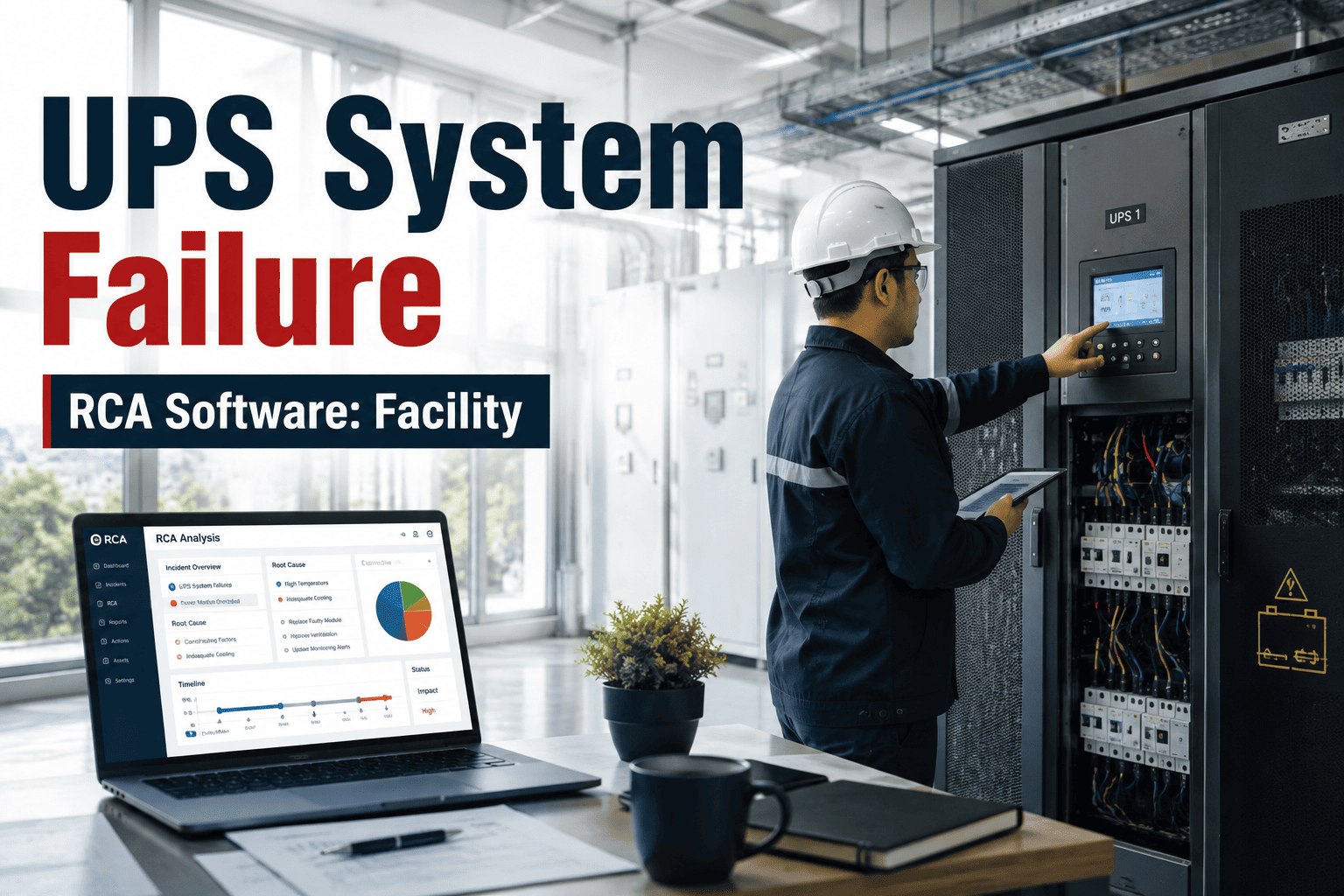
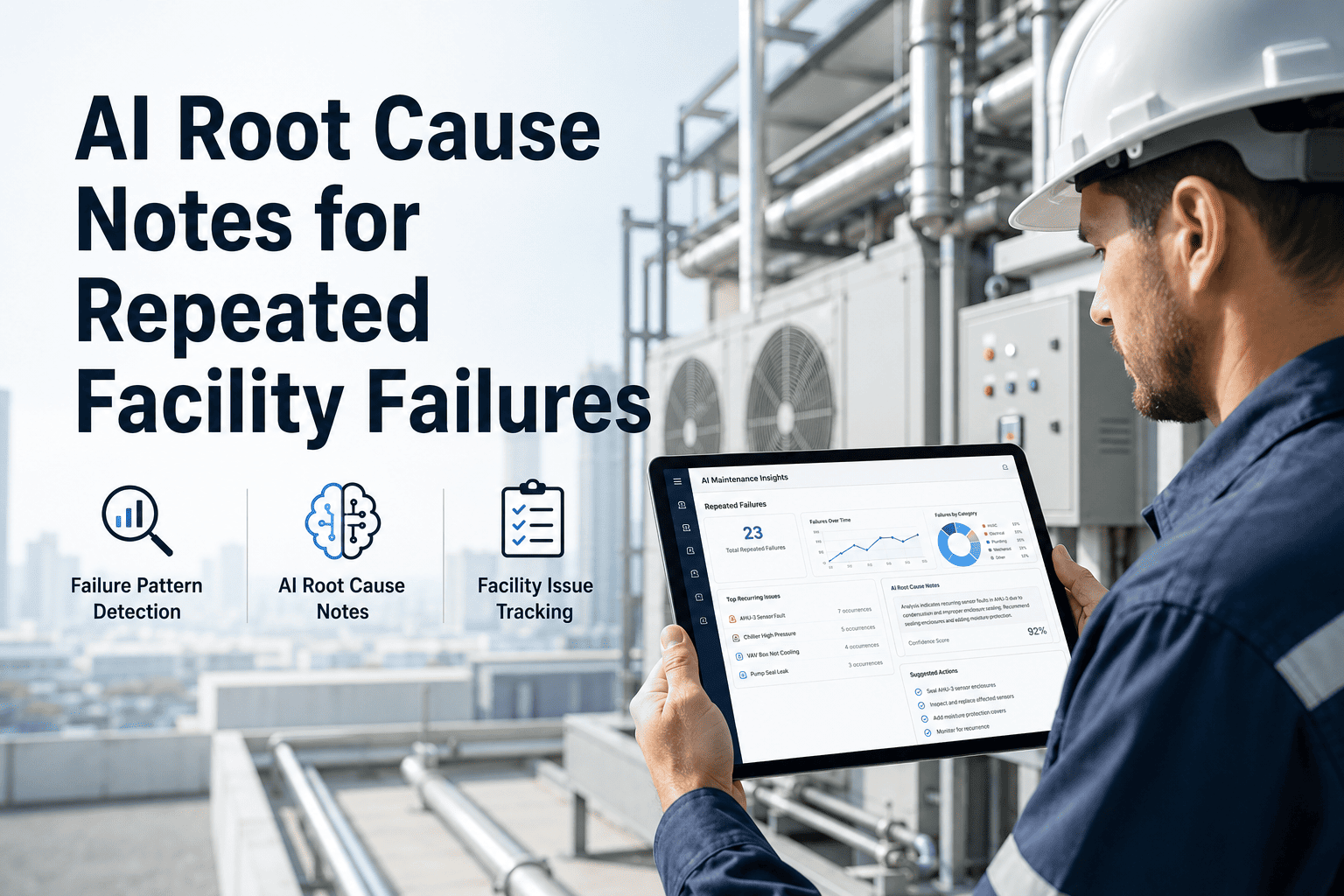
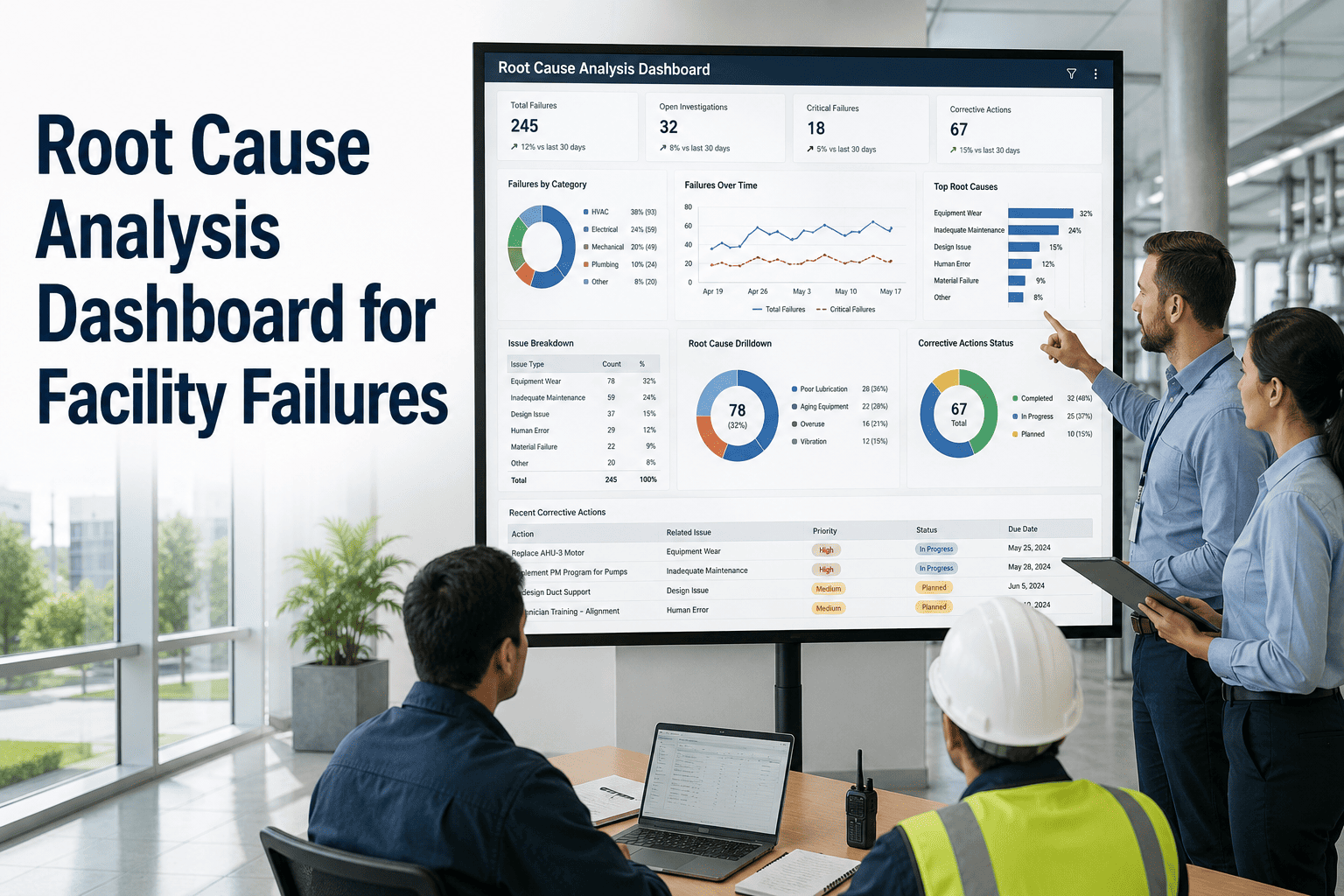
Facilities implementing comprehensive UPS monitoring and maintenance programs experience up to 80% fewer unplanned failures. The key is understanding failure mechanisms before they cascade into critical events. Start your free OXmaint trial to automate UPS health monitoring and prevent costly power failures.
Understanding UPS System Architecture
Before analyzing failures, understanding UPS topology is essential. Modern facilities typically deploy one of three UPS configurations, each with distinct failure modes.
Double Conversion (Online)
Continuous power conditioning with zero transfer time. Load always runs on inverter power.
Critical Components: Rectifier, DC bus, inverter, static bypass switch, batteries
Line Interactive
Voltage regulation via autotransformer. 2-4ms transfer time to battery.
Critical Components: Autotransformer, inverter/charger, transfer relay, batteries
Standby (Offline)
Basic protection with 5-12ms transfer time. Load runs on utility power normally.
Critical Components: Transfer switch, inverter, charger, batteries
The Six Major UPS Failure Categories
Battery System Degradation
73%
Reduced runtime, cell failures, thermal events, sulfation, dry-out
Bulging, leaking electrolyte, output ripple, reduced efficiency
Inverter/Rectifier Issues
7%
IGBT failure, control board faults, driver circuit problems
Cooling System Failures
4%
Fan failure, blocked airflow, filter clogging, thermal shutdown
Transfer Switch Problems
3%
Stuck contacts, synchronization failure, delayed transfer
Control/Software Issues
1%
Firmware bugs, sensor drift, communication failures, false alarms
Battery System: The Dominant Failure Mode
Battery failures account for nearly three-quarters of all UPS system problems. Understanding battery degradation mechanisms enables proactive replacement before critical failures occur.
| Failure Mode | Root Cause | Detection Method | Prevention |
| Capacity Loss |
Normal aging, excessive cycling, temperature stress |
Runtime testing; impedance trending |
Annual load tests; climate control |
| Cell Imbalance |
Manufacturing variance, uneven temperature distribution |
Individual cell voltage monitoring |
Proper ventilation; matched strings |
| Sulfation |
Prolonged undercharge, high temperature storage |
Increased impedance; reduced capacity |
Proper float voltage; equalization cycles |
| Thermal Runaway |
Overcharging, cell short, high ambient temperature |
Temperature monitoring; current imbalance |
Temperature compensation; ventilation |
| Dry-Out |
Electrolyte loss from heat, overcharging |
High impedance; reduced capacity |
Temperature control; proper charging |
| Connection Corrosion |
Environmental contamination, loose connections |
Visual inspection; connection resistance |
Annual torque verification; cleaning |
Critical: Battery life decreases by 50% for every 10°C (18°F) increase above 25°C (77°F). A battery room at 35°C reduces expected life from 5 years to approximately 2.5 years. Maintain strict temperature control for optimal battery longevity.
Manual battery inspections miss early degradation signs. Automated monitoring detects impedance changes months before failure. Schedule a free demo to see how facilities reduce battery-related failures by 65%.
Capacitor Degradation Analysis
Electrolytic capacitors are the second most common failure point. They degrade predictably but silently, often causing sudden UPS failures when least expected.
| Failure Mode | Root Cause | Detection Method | Prevention |
| Electrolyte Dry-Out |
High temperature, age, ripple current stress |
Increased ESR; reduced capacitance |
Adequate cooling; scheduled replacement |
| Venting/Bulging |
Overvoltage, reverse polarity, excessive ripple |
Visual inspection; physical deformation |
Proper voltage ratings; thermal management |
| Seal Failure |
Thermal cycling, vibration, age |
Electrolyte leakage; corrosion on PCB |
Vibration isolation; temperature stability |
| Internal Short |
Contamination, dielectric breakdown |
Sudden failure; fuse activation |
Clean environment; quality components |
Inverter and Rectifier Failures
| Component | Failure Symptoms | Root Cause | Solution |
| IGBT Module |
Output distortion, overcurrent trip, no output |
Thermal stress, gate driver failure, overload |
Replace module; verify cooling system |
| Rectifier Diodes |
Reduced DC bus voltage, excessive ripple |
Surge damage, overtemperature, age |
Replace bridge; check input protection |
| Gate Driver |
Erratic switching, IGBT failure |
Component drift, power supply failure |
Replace driver board; verify isolation |
| DC Bus Capacitor |
Voltage instability, output distortion |
Ripple current stress, age, temperature |
Capacitor bank replacement |
| Output Filter |
High THD, voltage regulation issues |
Inductor saturation, capacitor failure |
Replace filter components; check ratings |
Cooling System Failures
| Problem | Root Cause | Detection | Solution |
| Fan Failure |
Bearing wear, dust accumulation, motor burnout |
Alarm, increased internal temp, audible change |
Replace fan; clean filters monthly |
| Blocked Airflow |
Equipment placement, cable routing, debris |
High temperature alarms; hot spots |
Clear obstructions; verify clearances |
| Filter Clogging |
Dust, environmental contamination |
Reduced airflow; temperature rise |
Monthly filter inspection; replacement |
| Ambient Overtemp |
HVAC failure, inadequate room cooling |
Room temperature monitoring |
Dedicated cooling; redundant HVAC |
Stop Reactive UPS Maintenance
Automate monitoring, track trends, prevent failures—setup takes 10 minutes
Transfer Switch and Bypass Failures
| Problem | Root Cause | Detection | Solution |
| Delayed Transfer |
Synchronization failure, slow relay response |
Transfer time testing; waveform analysis |
Adjust sync parameters; replace relays |
| Failed Transfer |
Welded contacts, control logic failure |
Transfer test failure; stuck in mode |
Replace contacts; verify control board |
| Bypass Stuck Open |
SCR failure, gate driver issue |
Unable to transfer to bypass |
Replace SCR module; check driver |
| Bypass Stuck Closed |
SCR short, control failure |
Cannot return from bypass to normal |
Replace SCR; verify control signals |
| Sync Lock Failure |
Input frequency deviation, PLL drift |
Frequent bypass alarm; transfer hesitation |
Check input power quality; adjust PLL |
Quick Diagnostic Reference
Won't start on utility
Input breaker → Input fuses → Rectifier → Control board
Won't transfer to battery
Battery breaker → Battery voltage → Inverter → Transfer logic
Short runtime
Battery capacity → Cell balance → Load level → Connections
Output voltage unstable
Inverter IGBT → DC bus caps → Output filter → AVR settings
High output THD
Output capacitors → Inverter waveform → Load harmonics → Filter
Overtemperature alarm
Fan operation → Filter condition → Ambient temp → Airflow
Battery not charging
Charger output → Battery breaker → Float voltage → Connections
Constant bypass alarm
Inverter status → Sync lock → Bypass SCR → Input quality
Common Alarm Codes and Root Causes
Battery Low
Depleted batteries, failed string, charger failure
Check charger output; test individual strings
Overload
Load exceeds capacity, short circuit, inrush current
Reduce load; check for shorts; verify sizing
Overtemperature
Fan failure, blocked airflow, ambient heat
Check fans; clean filters; verify room cooling
Bypass Active
Inverter fault, overload, manual transfer
Review fault log; verify load; check inverter
Battery Replace
Age threshold, capacity test failure, impedance
Schedule battery replacement; verify test results
Input Fault
Voltage out of range, frequency deviation, phase loss
Check utility power; verify input protection
Tracking alarm patterns manually leads to missed trends and repeat failures. Digital maintenance systems detect recurring issues automatically. Sign up for free and start logging UPS events with automatic pattern detection today.
Preventive Maintenance Schedule
Monthly
Visual inspection, alarm log review, ambient temperature check, filter inspection, basic functionality test
Quarterly
Battery voltage readings, connection torque verification, fan operation check, filter replacement, detailed alarm analysis
Semi-Annual
Battery impedance testing, load bank testing, thermal imaging, capacitor inspection, firmware review
Annual
Full preventive maintenance, transfer test, battery capacity test, calibration verification, comprehensive inspection
Automate Your UPS Maintenance Program
Never miss a critical inspection—automated scheduling and compliance tracking
Root Cause Analysis Methodology
1
Preserve Evidence
Download alarm logs, capture event timestamps, photograph physical evidence, record environmental conditions at time of failure
2
Timeline Reconstruction
Map sequence of events, identify first abnormal indication, correlate with external events (utility, HVAC, load changes)
3
Physical Inspection
Visual examination of components, thermal imaging, connection testing, capacitor inspection, battery examination
4
Contributing Factor Analysis
Identify maintenance gaps, environmental factors, design limitations, operational issues, human factors
5
Corrective Actions
Immediate repairs, process improvements, monitoring enhancements, training updates, design modifications
Frequently Asked Questions
What is the most common cause of UPS system failure?
Battery degradation accounts for approximately 73% of all UPS failures. Batteries age predictably but silently, with capacity declining over time. Most facilities experience unexpected UPS failures because battery monitoring is inadequate or replacement schedules are not followed. Implementing quarterly impedance testing and annual capacity tests prevents most battery-related failures.
How long do UPS batteries actually last?
VRLA batteries typically last 3-5 years at 25°C (77°F), while flooded lead-acid batteries can last 10-15 years with proper maintenance. However, temperature significantly impacts lifespan—every 10°C increase above 25°C cuts battery life in half. Lithium-ion UPS batteries can last 8-15 years but require different monitoring approaches.
Why did my UPS fail to transfer during a power outage?
Transfer failures typically result from battery issues (depleted, disconnected, or failed), inverter problems (IGBT failure, control board issues), or transfer switch failures (stuck contacts, synchronization problems). Regular transfer testing—simulating utility loss—validates the complete transfer chain and identifies issues before actual emergencies.
What causes capacitors to fail in UPS systems?
Electrolytic capacitors fail primarily due to electrolyte evaporation accelerated by heat. At 85°C rated temperature, life doubles for every 10°C reduction in operating temperature. Signs of failing capacitors include bulging tops, electrolyte leakage, increased output voltage ripple, and reduced efficiency. Replace DC bus capacitors every 7-10 years as preventive maintenance.
How often should I load test my UPS system?
Perform full load bank testing annually or semi-annually for critical systems. Monthly functional tests (brief battery operation) verify basic transfer capability. Load testing should stress the system to at least 80% of rated capacity for 15-30 minutes to reveal thermal and capacity issues. Always monitor battery voltage recovery after testing.
What temperature should my UPS room maintain?
Maintain 20-25°C (68-77°F) for optimal battery life and UPS efficiency. Never exceed 30°C (86°F). Batteries are the most temperature-sensitive component—high temperatures accelerate grid corrosion and electrolyte dry-out. Consider separate climate control for UPS rooms, especially in facilities where general HVAC may be interrupted during emergencies.
Ready to Eliminate UPS Failures?
Join 2,000+ facilities using automated UPS monitoring—no credit card required