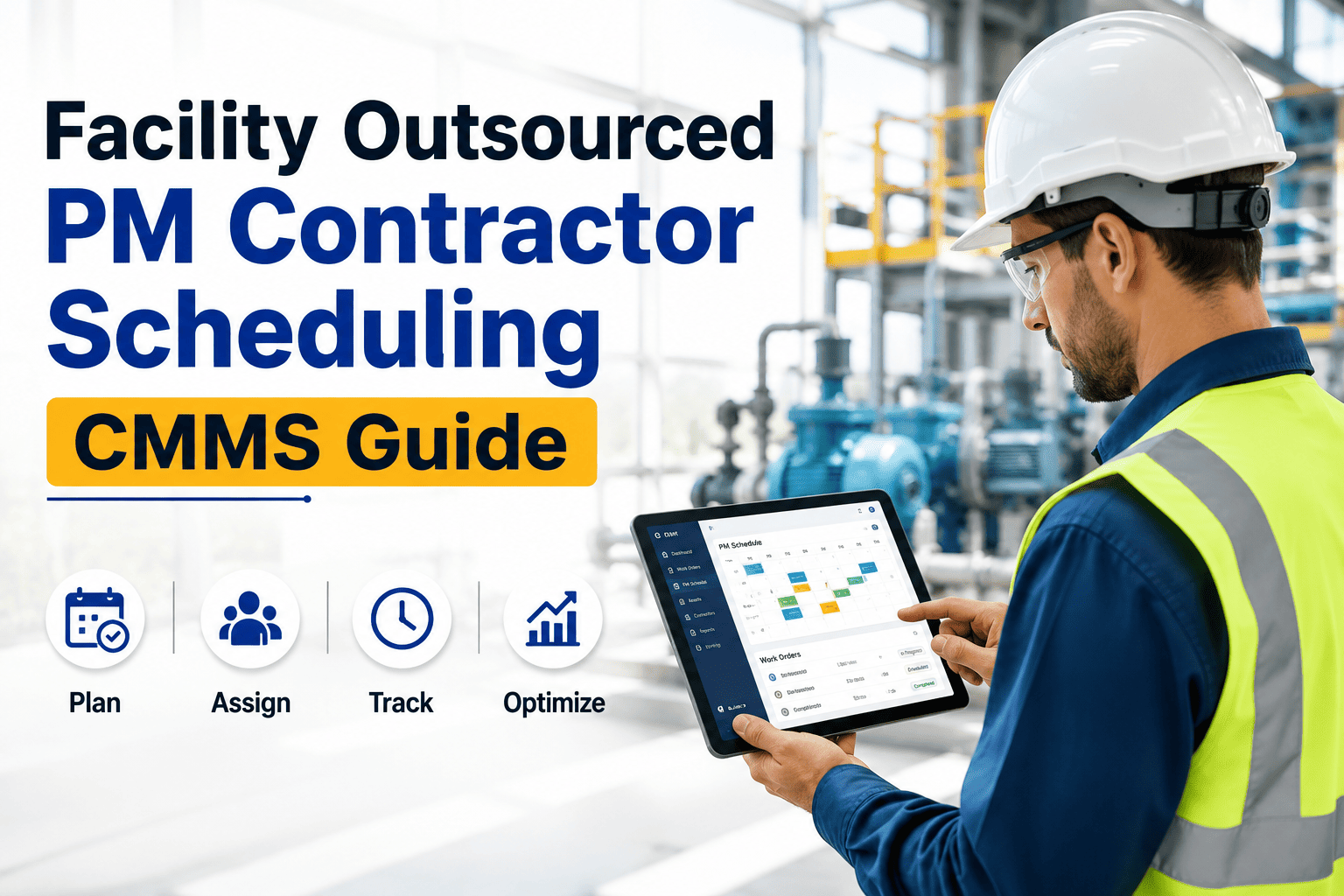
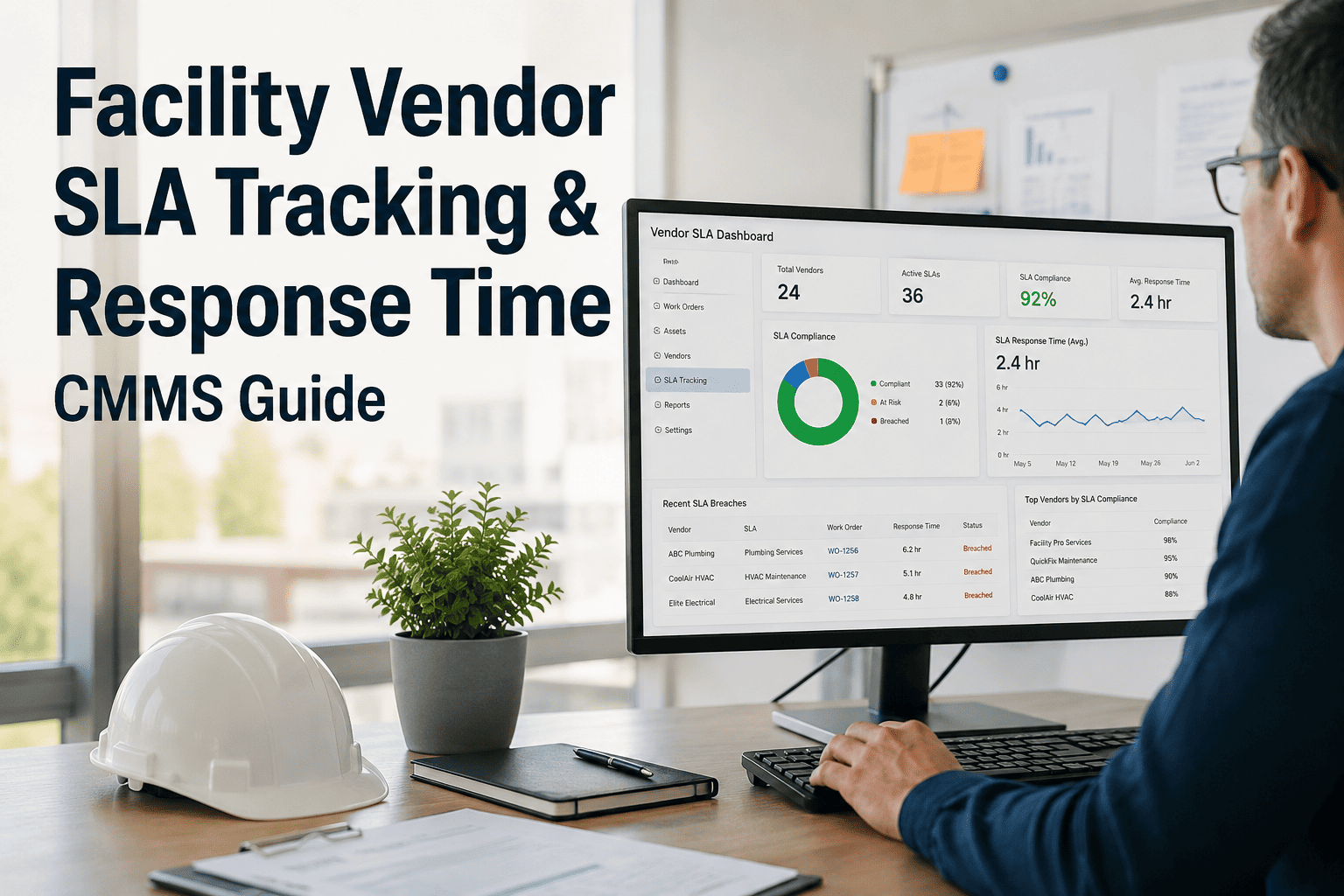
Facility managers who rely on outsourced maintenance typically spend 20–35% of their service budget on underperforming vendors — because they have no real-time visibility into contractor performance, SLA adherence, or cost-per-work-order trends. OxMaint CMMS gives you the scorecards, automated invoicing, and compliance tracking to turn vendor relationships into measurable operational assets. Book a demo to see vendor management in action.
Blog | Operations & Workflow
Vendor and Contractor Management Best Practices for Facility Managers
What This Guide Covers
1Why most vendor programs lose money silently
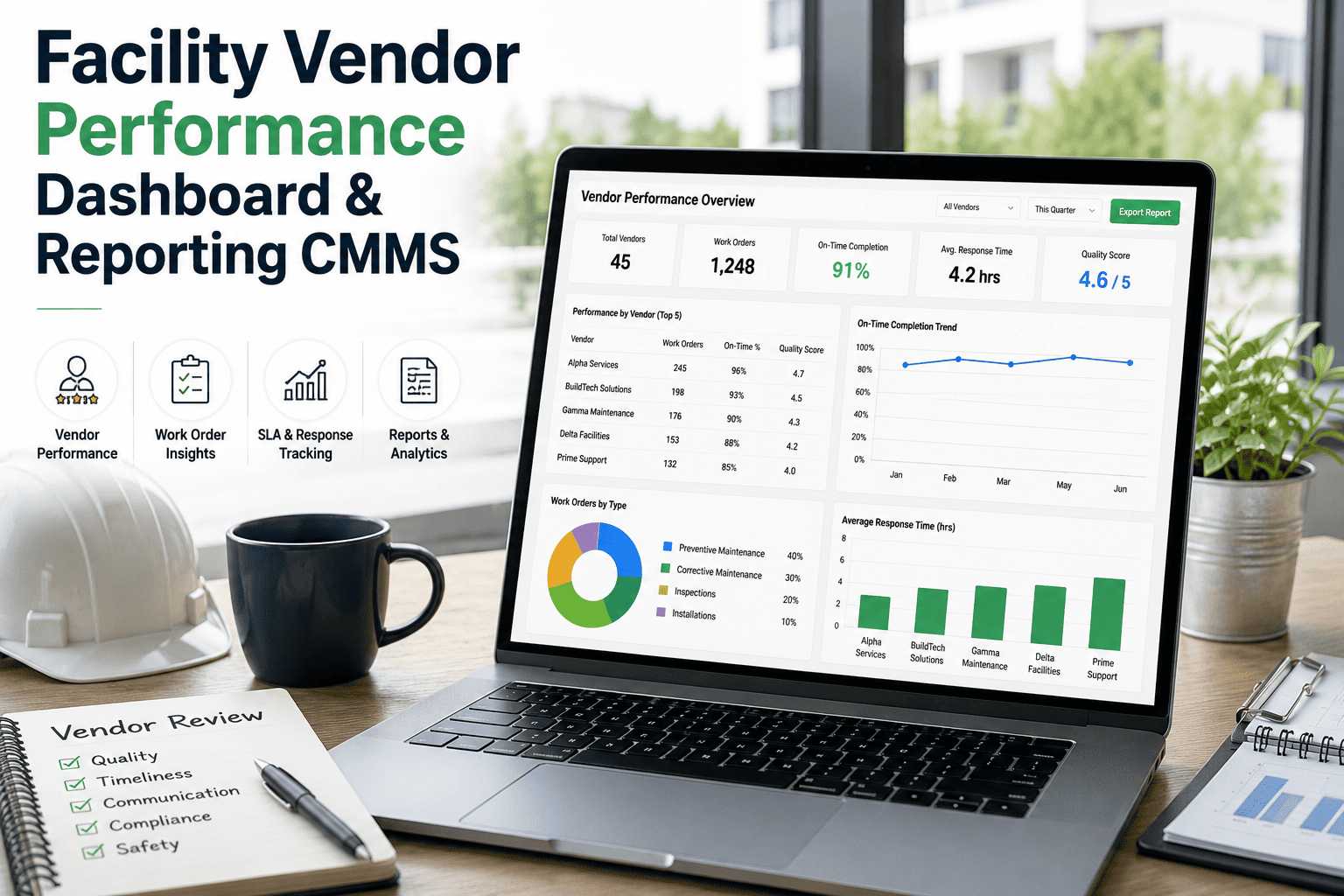
2The 5 metrics every facility manager must track
3SLA structure and enforcement best practices
4How CMMS automation cuts invoicing disputes by 80%
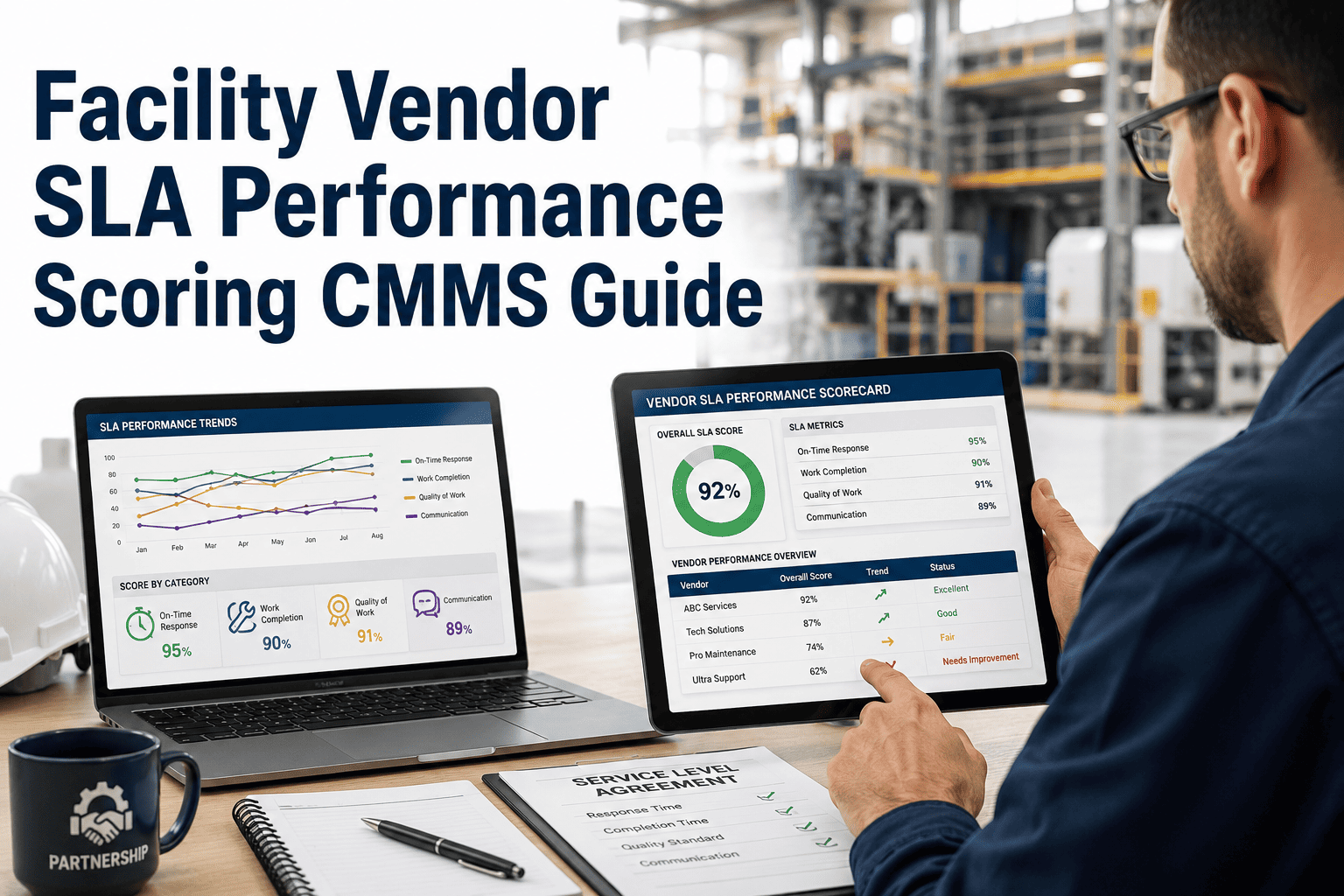
5Vendor scorecard template and benchmarks
The Hidden Cost
Why Vendor Programs Bleed Money Without You Noticing
Most facility teams evaluate vendors at contract renewal — once a year, under time pressure. Between those reviews, slow response times, repeated callbacks, and uninvoiced overtime accumulate quietly. Industry data shows that facilities without structured vendor tracking pay an average of 23% more per outsourced work order than those with active SLA enforcement and performance scorecarding.
23%
Overpayment on untracked vendor work
41%
SLA breaches go unreported without CMMS
3.2×
Cost of emergency vendor call-outs vs planned
67%
Facilities lack real-time vendor performance data
The 5 Metrics
Track These Numbers for Every Vendor, Every Month
01
Response Time vs SLA
Measure time from work order creation to vendor acknowledgment and arrival. Benchmark: critical assets under 2 hours, standard under 24 hours.
02
First-Time Fix Rate
Percentage of work orders resolved without a callback. Industry benchmark: 75%+ for HVAC and electrical specialists. Below 60% signals skill or parts gaps.
03
Cost per Work Order
Actual invoice total divided by completed jobs. Track this monthly and compare against contract rate. Drift above 15% triggers a renegotiation review.
04
Compliance Rate
Percentage of contractor visits with completed documentation — insurance certificates, safety briefings, work completion reports. Non-compliance creates liability exposure.
05
Repeat Failure Rate
Assets that fail within 30 days of vendor service. A rate above 8% indicates poor workmanship quality and should trigger a contract review or vendor replacement.
SLA Best Practices
How to Structure Vendor SLAs That Actually Get Enforced
| SLA Element |
Common Mistake |
Best Practice |
OxMaint Automation |
| Response Time Tiers |
Single time window for all jobs |
Critical / Standard / Routine tiers by asset class |
Auto-assigns tier at work order creation |
| Penalty Clauses |
Manual tracking, rarely enforced |
Automated SLA breach flagging with invoice deduction rules |
Flags breach and adjusts invoice automatically |
| Documentation Requirements |
Verbal confirmation of completion |
Digital sign-off with photos, parts used, technician ID |
Mobile app capture, auto-filed to asset record |
| Insurance Verification |
Annual certificate on file, not checked |
Certificate expiry tracked with automatic vendor access block |
Blocks work order assignment to lapsed vendors |
| Performance Review Cadence |
Annual renewal review only |
Monthly scorecard with quarterly strategy review |
Auto-generates monthly scorecard report |
Turn Vendor Management from Guesswork into a Scorecard
OxMaint tracks every SLA, flags every breach, and scores every vendor — automatically. See your vendor performance dashboard in a live demo.
Scorecard Template
Vendor Scorecard: How to Rate and Compare Contractors
Response Time Compliance
25%
Under 65%
65–85%
Above 85%
First-Time Fix Rate
25%
Under 60%
60–75%
Above 75%
Cost Accuracy vs Contract
20%
+15% over
±5–15%
Within ±5%
Documentation Compliance
15%
Under 70%
70–90%
Above 90%
Repeat Failure Rate
15%
Above 15%
8–15%
Under 8%
Expert Review
What Industry Research Shows
"Facilities that implement structured vendor scorecarding and CMMS-based SLA tracking consistently reduce outsourced maintenance costs by 18–28% within 12 months. The mechanism is straightforward: when vendors know their response times and fix rates are being measured automatically, performance improves significantly — often without renegotiating rates."
— BOMA International, Facility Operations Benchmarking Report, 2024
"The biggest compliance risk in outsourced facility maintenance is not vendor incompetence — it is documentation failure. Over 60% of liability incidents involving contractors occur because the facility cannot produce evidence of proper oversight. Digital CMMS platforms that capture contractor work at the point of service have reduced this exposure by 70% in studied facilities."
— IFMA Knowledge Library, Third-Party Contractor Risk Management, 2024
FAQs
Frequently Asked Questions
How does OxMaint track vendor response times automatically?
When a work order is created and assigned to a vendor, OxMaint starts a response timer based on the SLA tier for that asset and job type. If the vendor does not acknowledge or update the work order within the SLA window, the system automatically flags the breach, notifies the facility manager, and records the violation against the vendor's scorecard. No manual tracking is required.
Start free to configure your first SLA rules.
Can OxMaint prevent vendors with expired insurance from receiving work orders?
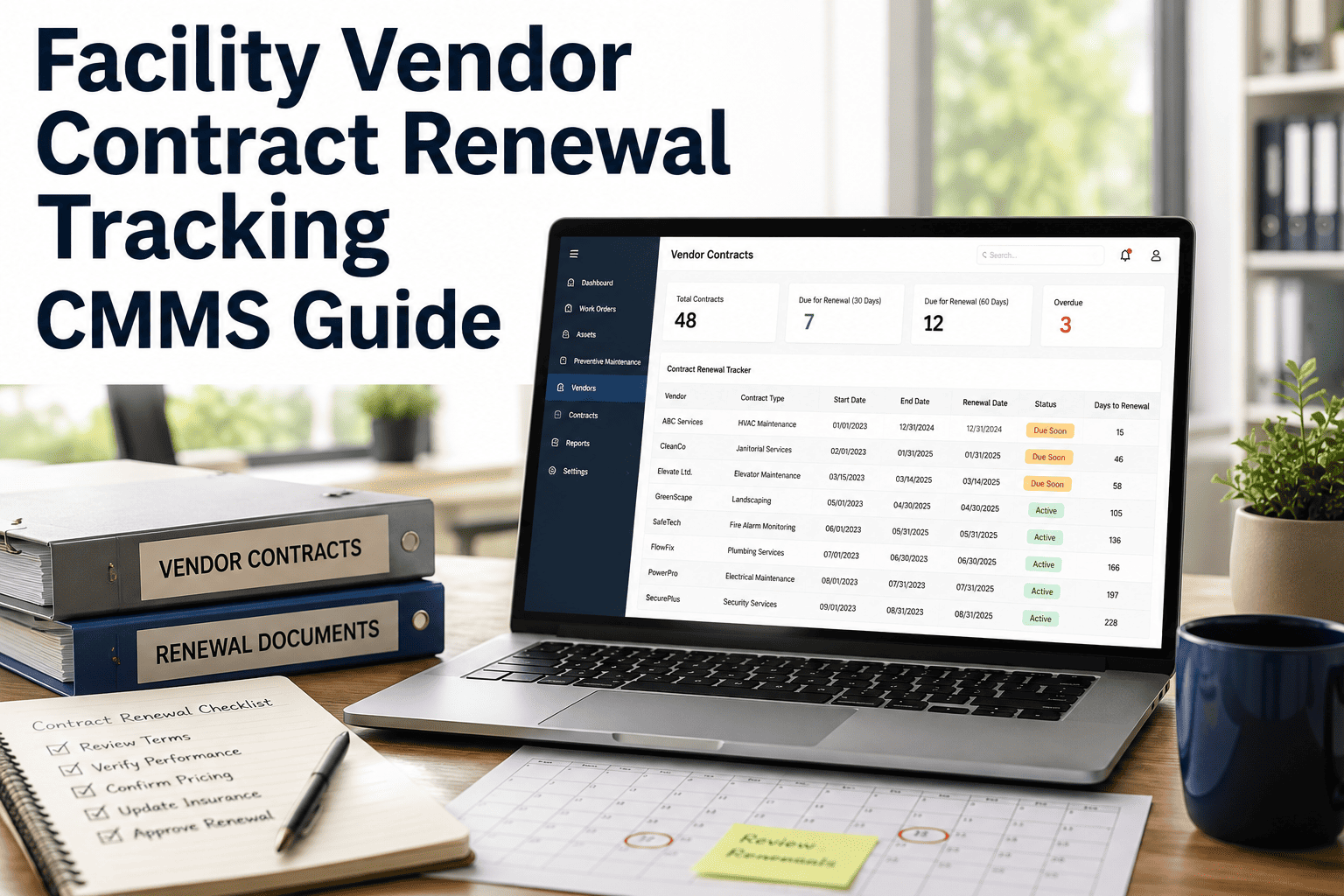
Yes. OxMaint stores insurance certificate expiry dates for each vendor. When a certificate is within 30 days of expiry, the system sends automated reminders to the vendor and your procurement contact. If the certificate expires without renewal, OxMaint blocks that vendor from being assigned new work orders and displays a compliance warning — protecting your facility from uninsured contractor liability without manual oversight.
How does CMMS-based vendor management reduce invoice disputes?
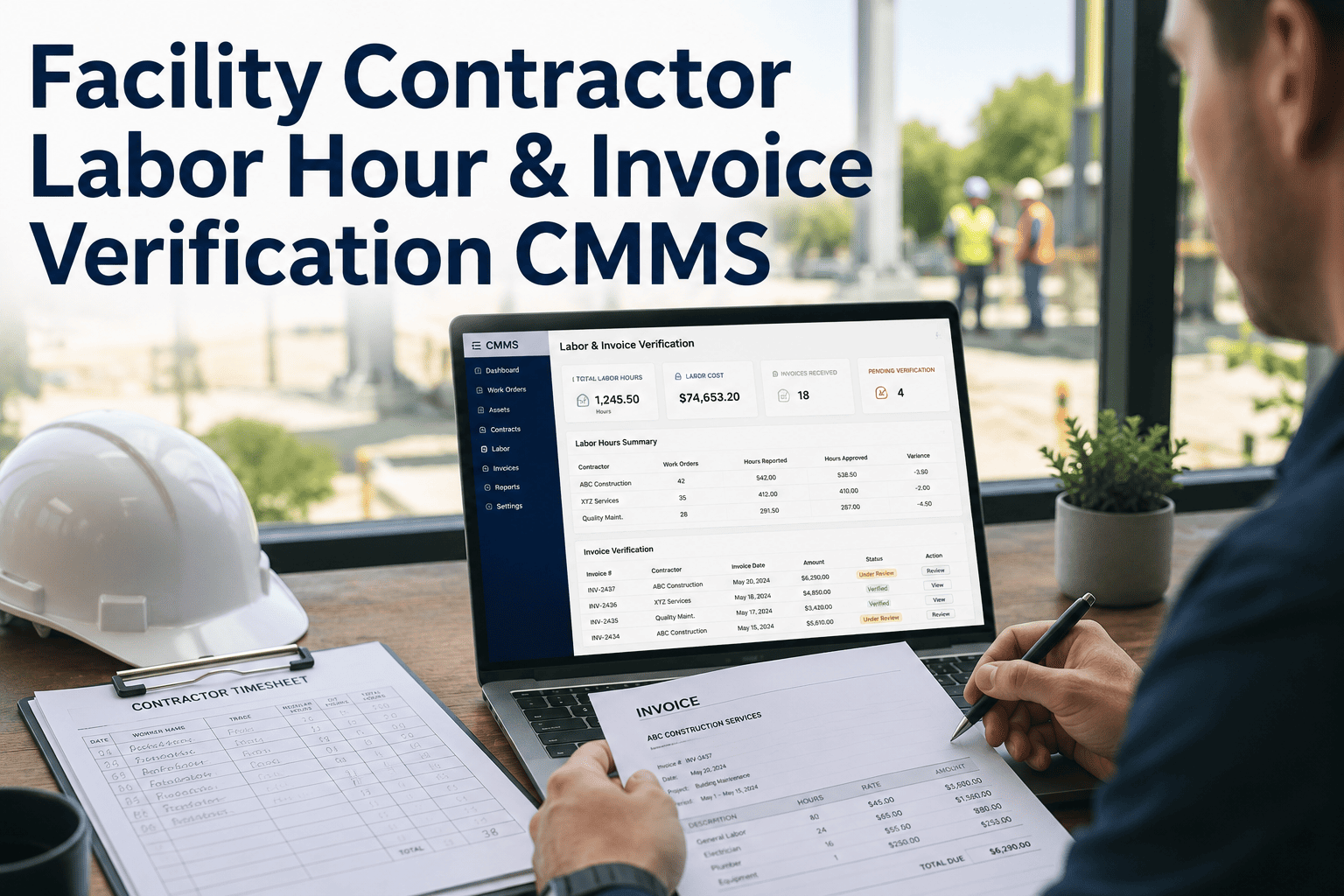
OxMaint captures work order details at the point of service — parts used, labor hours, technician name, completion photos, and digital sign-off. When the vendor invoice arrives, these records serve as the ground truth for validation. Facilities using this approach report 80% fewer invoice disputes because both parties are working from the same documented record rather than separate interpretations of what was agreed.
Book a demo to see the invoicing workflow.
How many vendors can OxMaint manage simultaneously?
OxMaint supports unlimited vendor and contractor profiles, each with their own SLA configurations, documentation requirements, insurance tracking, and scorecard history. Whether you manage 3 contractors or 300, the platform scales without additional configuration. Multi-site facilities can also set vendor performance benchmarks at the portfolio level and compare contractor performance across locations in a single dashboard view.
Vendor Management
Know Exactly What Your Vendors Are Delivering
OxMaint automates SLA tracking, vendor scorecarding, and compliance documentation — so every outsourced dollar is accounted for and every contractor is held to the same measurable standard.