The WELL Building Standard transforms facility management from compliance-driven maintenance to occupant-driven wellness. Unlike LEED's focus on environmental performance, WELL v2 measures how buildings impact human health across ten concepts — Air, Water, Nourishment, Light, Movement, Thermal Comfort, Sound, Materials, Mind, and Community. For facility managers, WELL recertification every three years requires continuous documentation of maintenance practices, sensor data, and occupant satisfaction surveys. Without a centralized platform, proving compliance becomes a manual audit scramble. OxMaint's ESG reporting module tracks every WELL requirement — air quality tests, water filter changes, lighting calibrations, thermal comfort logs, and sound level readings — auto-generating recertification reports. Book a demo to see how WELL-compliant maintenance stays audit-ready year-round.
WELL v2 · Healthy Buildings · Occupant Wellness
WELL Building Standard Maintenance Guide for Healthy Facilities
Air quality, water quality, lighting, thermal comfort, acoustics, and occupant wellness — the complete maintenance framework for WELL certification and recertification.
10WELL concepts requiring documented maintenance
3 yearsRecertification cycle — continuous documentation required
92%Of WELL-certified buildings report improved occupant satisfaction
Stop scrambling for WELL recertification documentation. OxMaint tracks air quality tests, water filter changes, lighting schedules, and thermal comfort logs — auto‑generating WELL compliance reports on demand.
WELL Concepts
10 WELL Concepts — Maintenance Requirements
A
Air
Filter replacement schedules, CO₂ monitoring, PM2.5 testing, ventilation verification, and mold inspection logs — WELL requires documented air quality maintenance.
W
Water
Filter change records, water quality testing (lead, copper, coliform), fixture flush logs, and Legionella prevention documentation.
N
Nourishment
Food service equipment maintenance, refrigerator temperature logs, and drinking water dispenser filter records.
L
Light
Lighting calibration logs, daylight sensor maintenance, circadian lighting schedules, and glare control inspections.
M
Movement
Ergonomic workstation maintenance, stairwell cleaning and lighting, and active furniture inspection records.
T
Thermal Comfort
Temperature and humidity logs, HVAC filter and coil maintenance, thermostat calibration records, and ASHRAE 55 compliance verification.
S
Sound
Sound level monitoring logs, acoustic treatment maintenance, mechanical noise reduction records, and speech privacy verification.
M
Materials
Janitorial chemical inventory, green cleaning logs, pest management records, and hazardous material disposal documentation.
Mi
Mind
Wellness program participation tracking, biophilic element maintenance, and stress reduction space cleaning logs.
C
Community
Occupant satisfaction survey records, health promotion event logs, and accessibility maintenance documentation.
Compliance Documentation
WELL v2 Maintenance Requirements by Concept
| WELL Concept |
Maintenance Task |
Frequency |
Documentation Required |
OxMaint Automation |
| Air | Filter replacement, CO₂ monitoring, PM2.5 testing | Quarterly / Annual | Filter logs, test results, inspection reports | Auto-schedule + timestamped logs |
| Water | Filter changes, water quality testing | Per filter schedule / Quarterly | Change records, lab test results | Due date alerts + test tracking |
| Light | Lighting calibration, sensor maintenance | Annual | Calibration logs, inspection records | Annual PM work order + photo |
| Thermal Comfort | Temp/humidity monitoring, HVAC maintenance | Continuous / Quarterly | Sensor logs, filter records, coil cleaning | Sensor integration + auto-WO |
| Sound | Sound level monitoring, acoustic maintenance | Quarterly | dBA logs, treatment inspection records | Sound monitoring + alert routing |
WELL Maintenance KPIs
Key Performance Indicators for Healthy Building Operations
Air Filter Change Compliance
100%
Target: Every filter changed on schedule with documented MERV rating
Water Quality Test Completion
Quarterly
Coliform, lead, copper — results stored per building zone
Thermal Comfort Monitoring
Continuous
Temperature/humidity at occupied zones; ASHRAE 55 compliance verified
Lighting Calibration
Annual
Illuminance (300-500 lux at desk) and circadian schedule verification
Sound Level Monitoring
Quarterly
Ambient noise ≤50 dBA in open offices; speech privacy verification
Occupant Satisfaction Survey
Annual
≥80% satisfaction threshold for WELL Community concept
"WELL recertification fails more often on missing maintenance documentation than on actual building performance. The facility team changed the air filters on schedule — but no record of the MERV rating. The water filters were replaced — but no timestamp at the point of use. The thermal comfort monitoring runs continuously — but the logs aren't organized by WELL concept. A CMMS that captures filter changes, water tests, and sensor data in a WELL-aligned structure is not a convenience. It is the difference between recertification and starting over."
Jennifer Taranto, WELL Faculty
WELL AP · 14 years healthy building certification · Former GBCI reviewer · Specialist in WELL recertification for commercial portfolios
Frequently Asked Questions
How often does WELL building recertification require documented maintenance?
WELL v2 requires recertification every three years, but maintenance documentation must be continuous throughout the three-year cycle. For Air concept: filter changes must be logged each time (typically quarterly). For Water concept: filter changes logged per manufacturer schedule (6–12 months) and water quality tests logged per test date. For Light concept: annual lighting calibration logs are required. Missing any documentation during the three-year window creates gaps that prevent recertification without remedial documentation.
What are the specific WELL air quality maintenance requirements?
WELL v2 requires: (1) Filter change logs with MERV rating (minimum MERV 13 for outdoor air intakes), date, and location. (2) Quarterly CO₂ spot checks demonstrating ≤1,100 ppm at 90% of occupied hours. (3) Annual PM2.5 testing showing ≤15 µg/m³. (4) Mold inspection reports for buildings in humid climates. (5) Ventilation verification logs — outdoor air flow rates meeting ASHRAE 62.1. All records must be timestamped and traceable to specific building zones.
How does OxMaint handle WELL recertification reporting?
OxMaint stores all WELL-required maintenance records in a centralized, timestamped repository linked to each building asset. When recertification approaches, the platform exports a WELL-aligned compliance report grouping records by concept — air filter changes, water tests, lighting calibration logs, thermal comfort data, sound level readings, and occupant surveys. No manual report assembly. The export format matches WELL Online submission requirements.
Start a free trial to configure WELL reporting for your building.Can OxMaint integrate with existing BMS and environmental sensors for WELL monitoring?
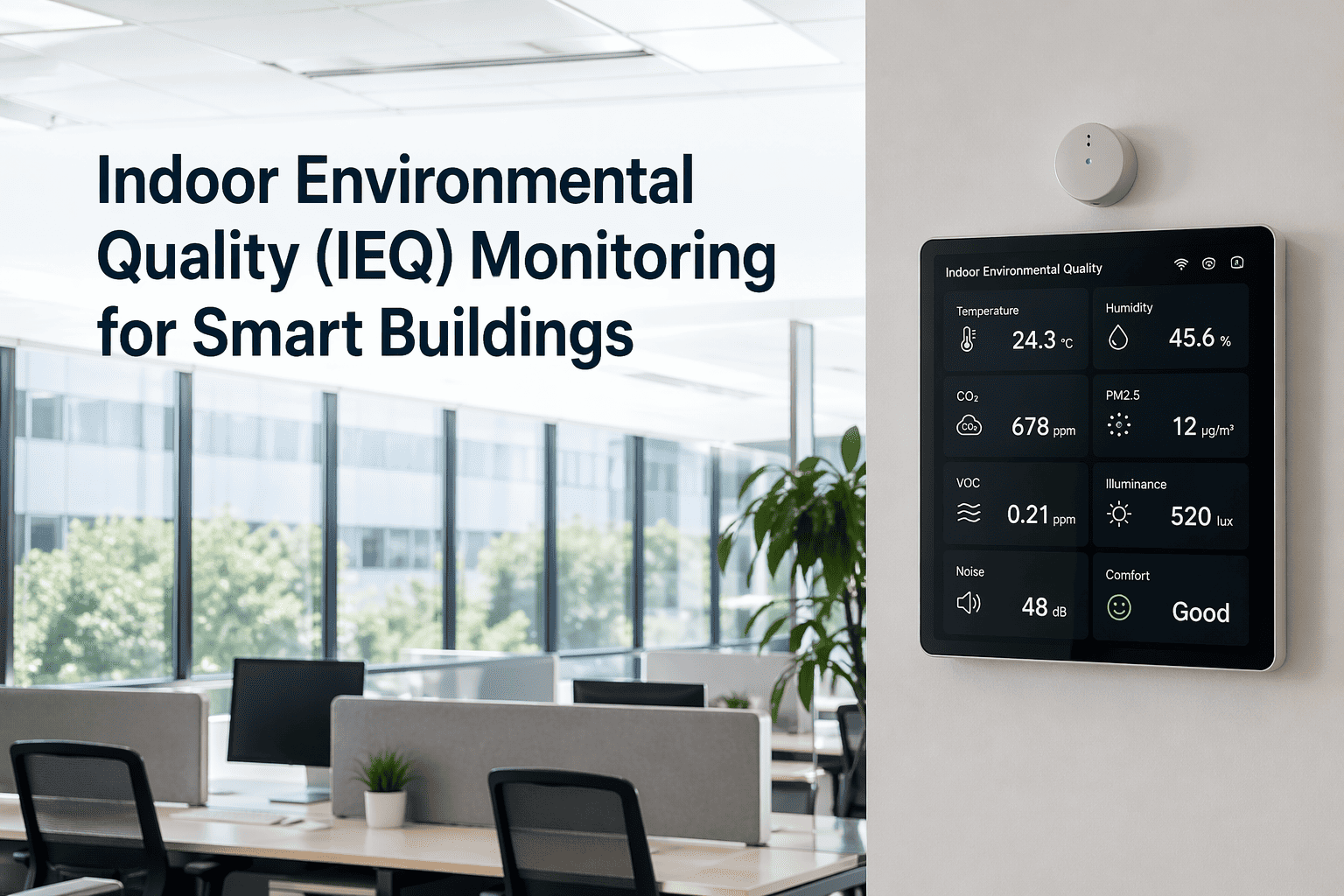
Yes. OxMaint connects to BMS systems (CO₂, temperature, humidity), water quality sensors, light meters, and sound level monitors via BACnet, Modbus, MQTT, and REST APIs. WELL Air, Thermal Comfort, Light, and Sound concepts can be monitored continuously — with auto-generated work orders when parameters drift outside WELL limits (CO₂ >1,100 ppm, temperature outside ASHRAE 55 range, sound >50 dBA).
Book a demo to see sensor-to-WELL reporting integration.
WELL Recertification Starts with Documented Maintenance
OxMaint's ESG reporting platform tracks every WELL requirement — air filter changes, water quality tests, lighting calibrations, thermal comfort logs, and occupant surveys — auto-generating recertification reports that keep your healthy building certification current.