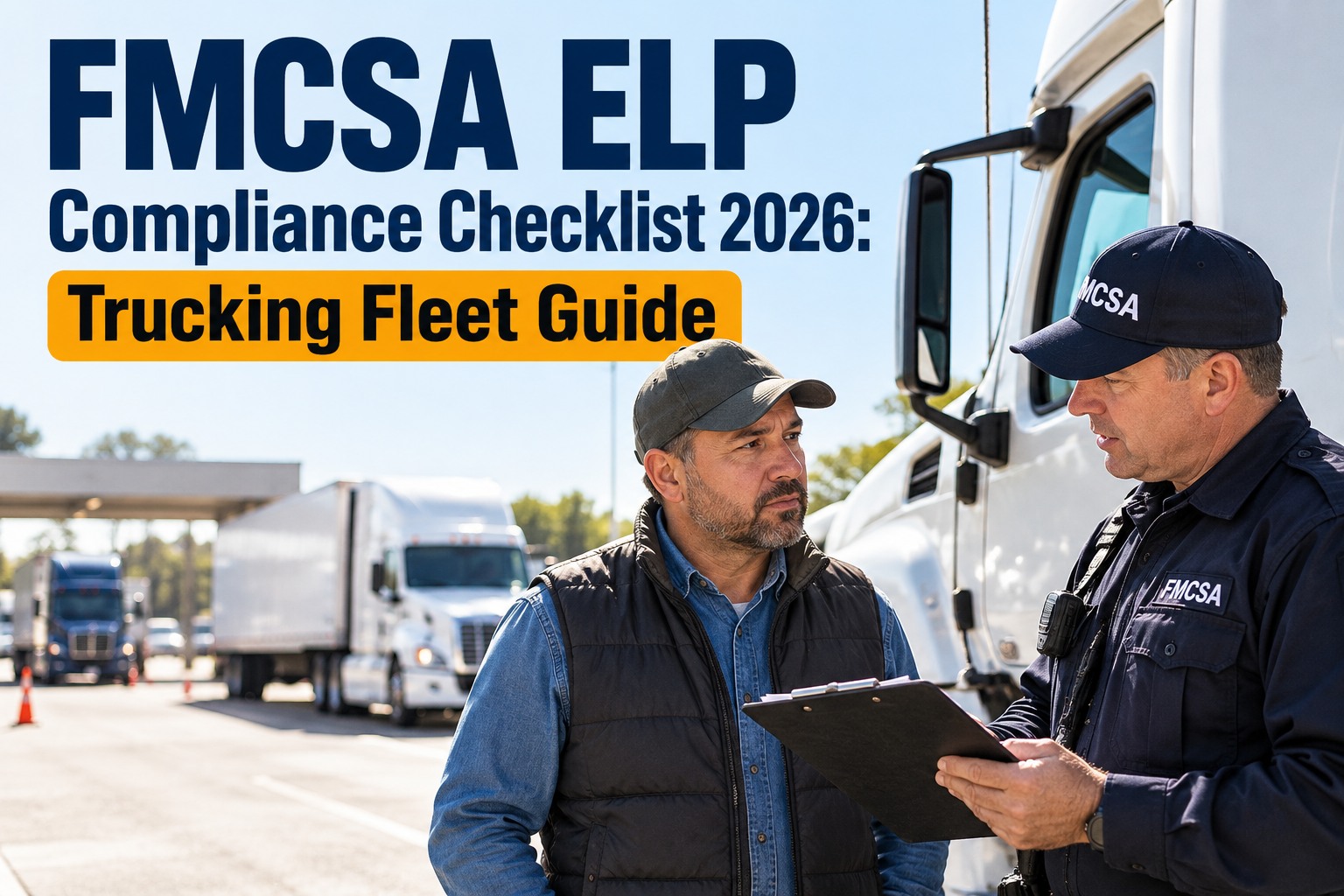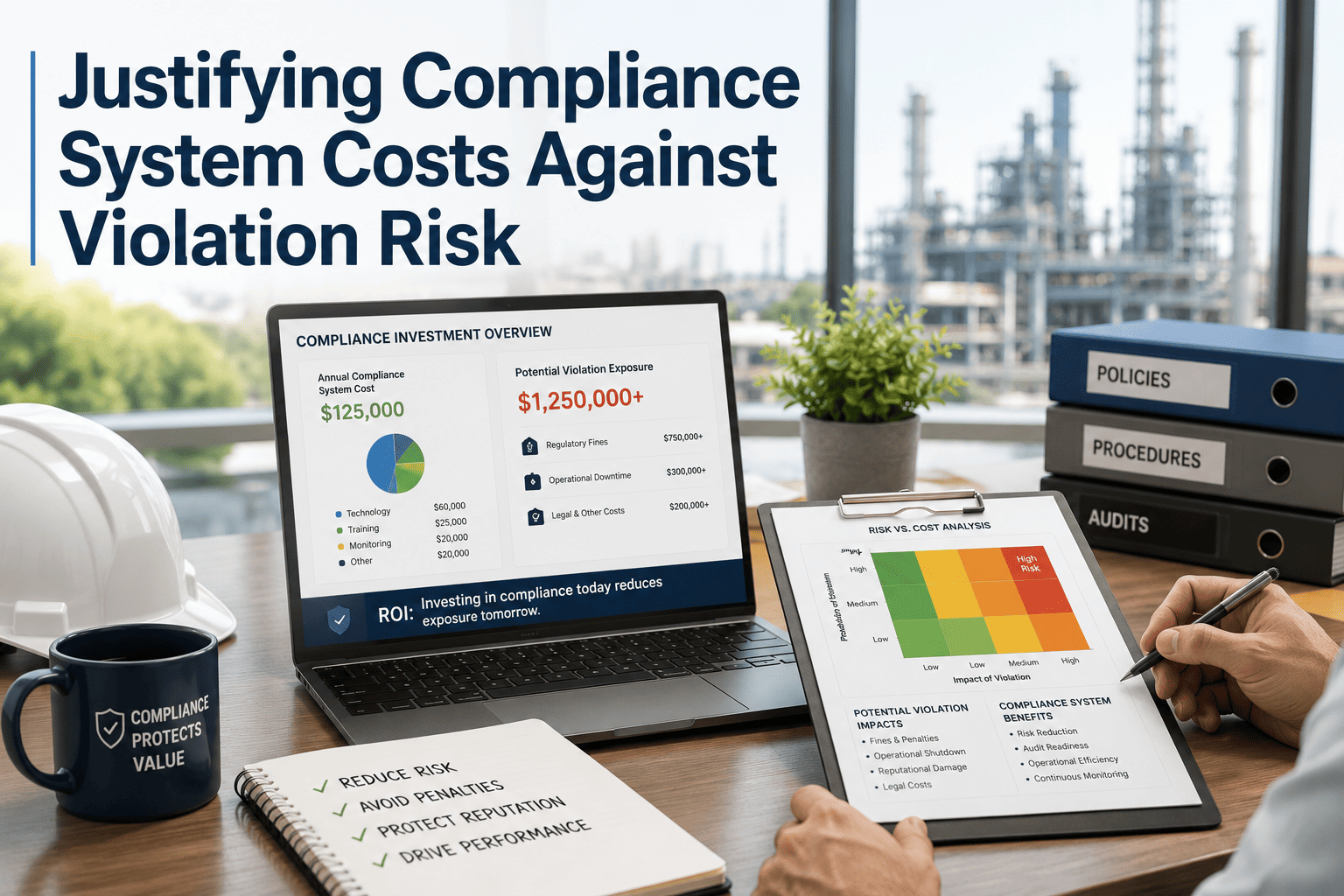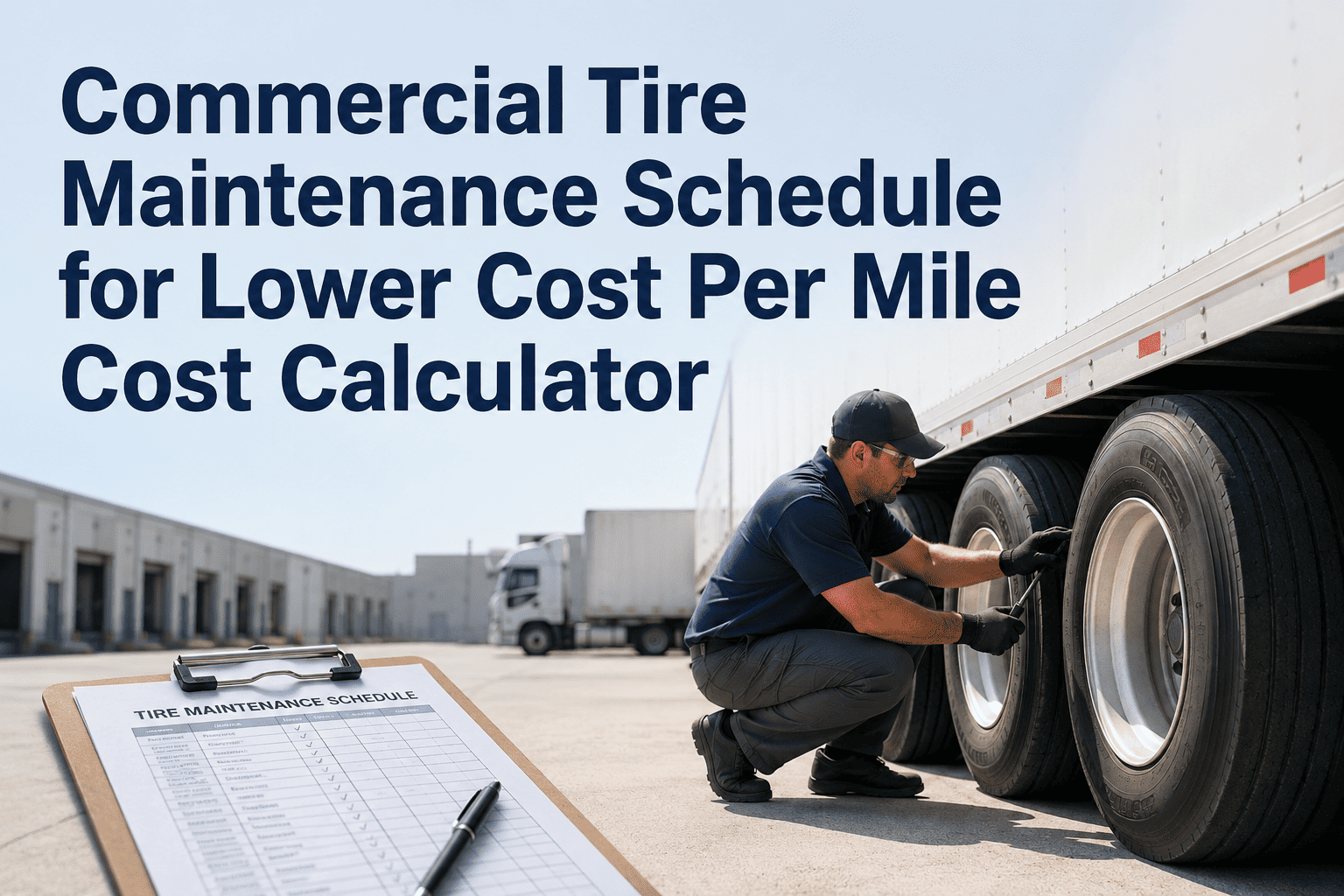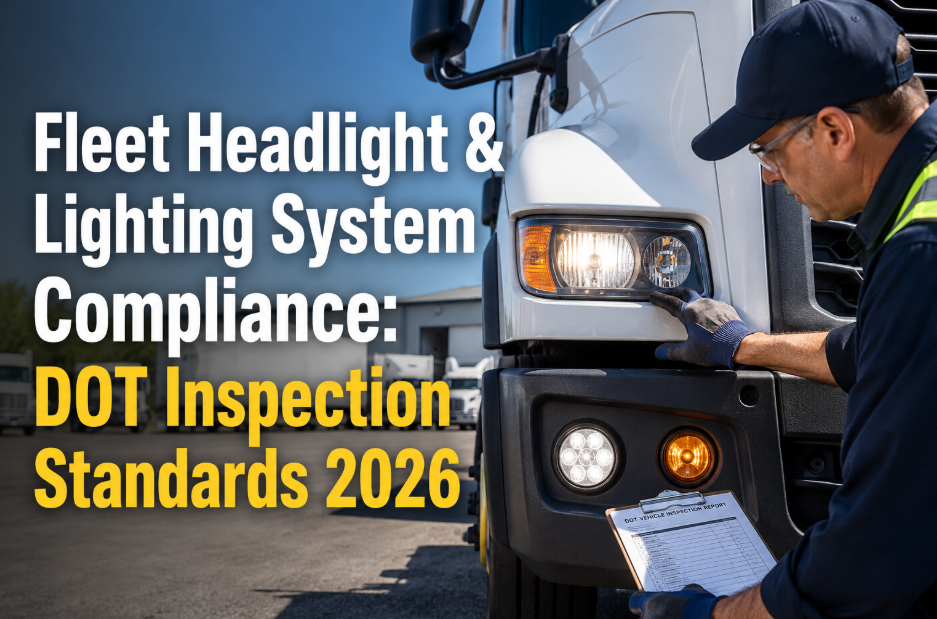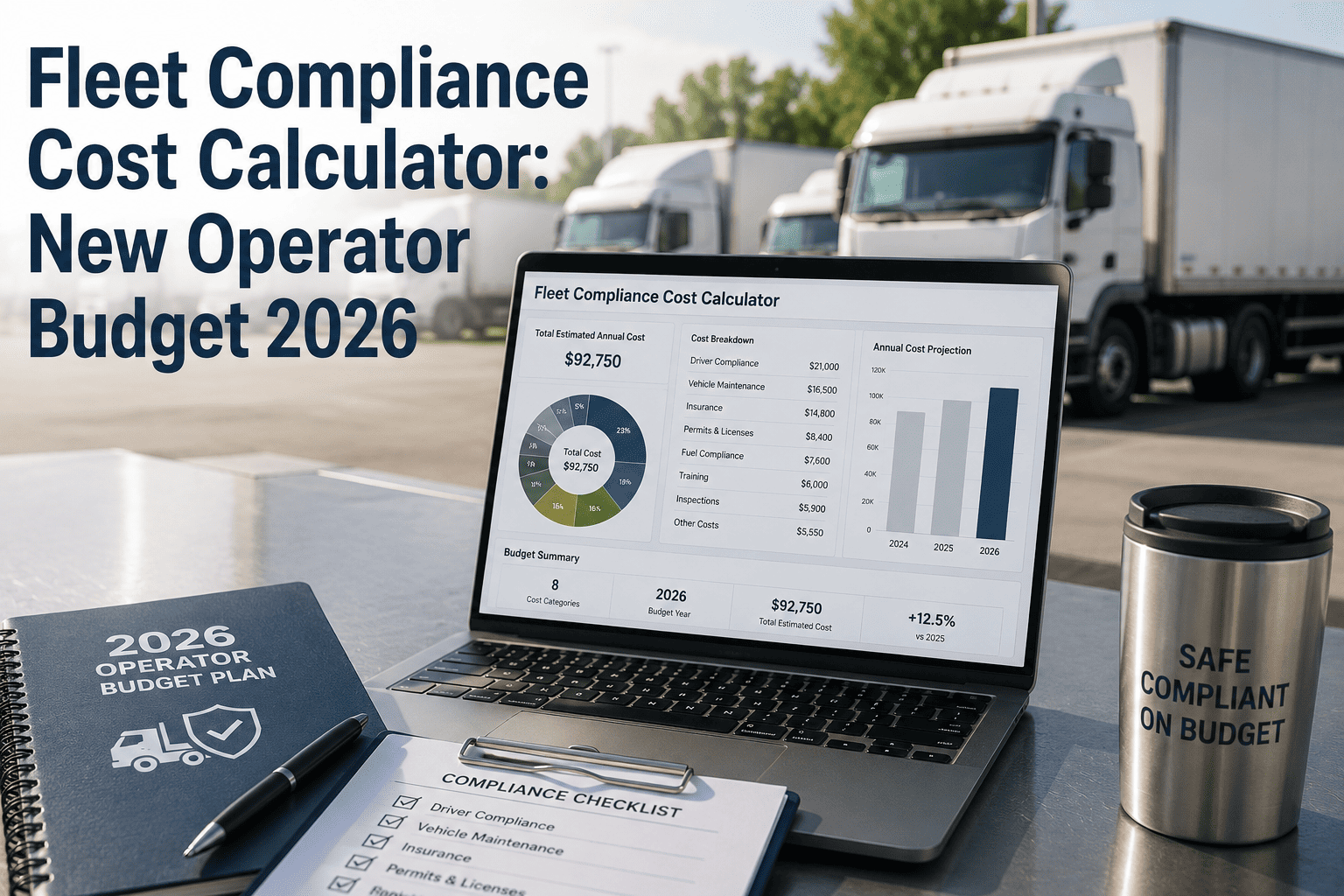
Most new fleet operators budget for the $300 MC authority filing fee and stop there — then get blindsided by everything FMCSA, their insurer, and their state expect them to pay before a single wheel turns. A realistic first-year compliance budget for a new for-hire carrier runs anywhere from $12,000 to $30,000 once liability insurance, cargo coverage, drug and alcohol consortium enrollment, ELD hardware, and audit-prep paperwork are added to the federal filing fees. The gap between what new operators expect to spend and what they actually spend is the single biggest reason startup carriers run out of cash in month four instead of month twelve. This guide breaks every compliance cost into a real number, ranked by size and by how often operators forget to budget for it, so your launch plan is built on facts instead of guesswork. To see how much of that ongoing paperwork burden can be automated before it ever hits your budget, start a free trial with OxMaint.
What It Actually Costs to Launch a Compliant Fleet in 2026
Every federal filing fee, insurance minimum, consortium cost, and audit-prep expense a new carrier pays in year one — itemized, ranked, and compared against what operators typically budget for versus what they actually spend.
Where a New Fleet's First-Year Compliance Budget Actually Goes
New operators tend to picture compliance as a single filing fee. In practice it is six separate obligations, each with its own price, its own renewal clock, and its own paperwork trail. Missing any one of them does not just cost money later — it can stop trucks from moving at all.
Registering a USDOT number costs nothing through FMCSA's own portal. The biennial MCS-150 update is also free — but missing the filing window deactivates the number entirely, which is the single most common self-inflicted delay new carriers hit.
A $300 non-refundable filing per authority type, submitted through the same portal as your USDOT number. Authority does not activate immediately — a mandatory protest period and insurance filing stand between application and your first legal load.
A one-time filing that designates a legal agent in every state your authority covers. It is inexpensive and permanent — but authority stays pending without it, and it is the filing most frequently upsold by third-party services at ten times the real cost.
An annual state-enforced registration priced by fleet size. Most single- or two-truck startups fall into the lowest bracket, but the fee resets every year and roadside enforcement treats a lapsed registration as an out-of-service violation.
By far the biggest line item and the one with the widest range. Public liability minimums for non-hazardous for-hire freight run from the low hundreds to several thousand dollars per truck annually, driven almost entirely by driver experience and equipment age. Cargo coverage adds several hundred more.
Every CDL holder must be enrolled in a Clearinghouse-registered consortium for random testing. Consortium membership itself is modest, but the per-test costs for the random pool and pre-employment testing add up across a growing driver roster.
First-Year Compliance Cost Breakdown by Item
This is the full itemized list new operators need, including the equipment and software costs that sit outside the strict definition of "compliance" but are functionally required to pass a new-entrant audit and keep operating.
| Cost Item | Who Needs It | Typical Range | Frequency | Common Mistake |
|---|---|---|---|---|
| USDOT Number | All commercial carriers | $0 | One time + biennial update | Missing the free biennial MCS-150 window |
| MC Operating Authority | For-hire interstate carriers | $300 per type | One time | Paying a third party $500–$2,000 to file it |
| BOC-3 Filing | All for-hire authority holders | $20–$100 | One time | Overpaying bundled "authority packages" |
| UCR Registration | Interstate carriers, all sizes | $46–$176 | Annual | Letting it lapse and getting cited roadside |
| Liability Insurance | All for-hire carriers | $1,200–$3,400 per truck | Annual, financed monthly | Underestimating premium for new-authority underwriting |
| Cargo Insurance | Freight-hauling carriers | $400–$900 per truck | Annual | Setting limits below actual cargo value |
| Drug & Alcohol Consortium | Every CDL driver | $50–$150 per driver + tests | Annual | Not enrolling before the first day of driving |
| ELD Device & Service | Most commercial drivers | $25–$45 per truck monthly | Ongoing | Buying hardware not certified for the current mandate |
| Maintenance & DVIR Records | All carriers, audit-required | $0–$200 per truck monthly | Ongoing | Relying on paper logs an auditor cannot verify |
| New Entrant Audit Prep | All new authority holders | $0–$1,500 | Once, within 12 months | Starting document collection after the audit letter arrives |
The new-entrant audit almost never fails because trucks are unsafe. It fails because maintenance records, DVIRs, and driver files were never organized in a format an auditor can verify quickly. Build that documentation habit from week one instead of scrambling before the audit letter arrives.
Where New Operators Overspend Without Realizing It
The compliance items themselves are predictable and inexpensive. The overspending happens around them — in the mistakes new operators make while they're still learning which filings are free and which vendors are worth paying.
How OxMaint Keeps Year-One Compliance Costs Under Control
The filing fees are fixed and small. The variable, controllable cost is the labor and risk that comes from managing driver credentials, maintenance records, and inspection history manually. OxMaint turns that into a byproduct of daily operations.
CDL status, medical certificates, and Clearinghouse enrollment are stored per driver with automatic expiry alerts, so no driver is ever dispatched on an expired credential — the single fastest way a new carrier draws enforcement attention.
Pre-trip and post-trip inspections completed on the OxMaint mobile app are timestamped automatically, giving new carriers exactly the record format auditors are trained to look for from the very first week of operation.
Every service task logged in OxMaint attaches to the vehicle's permanent record. By the time a new-entrant audit is scheduled, twelve months of maintenance history already exists instead of needing to be assembled from memory and receipts.
Whether it is FMCSA requesting a new-entrant audit packet or an insurer requesting maintenance proof for a discount program, the complete documentation set exports in minutes rather than being rebuilt from scratch each time it is requested.
What Organized New Carriers Report After Twelve Months
Federal fees, insurance, consortium enrollment, and equipment combined for a single-truck for-hire launch.
Money saved simply by filing MC authority, BOC-3, and UCR directly instead of through marked-up third-party bundles.
Share of new-entrant safety audits that flag missing or incomplete documentation rather than actual safety defects.
Time to export maintenance, DVIR, and credential records from OxMaint for any requested audit period.
Fleet Compliance Costs — What First-Year Operators Ask Most
Is the USDOT number really free, or is that a trick?+
Why do insurance quotes vary so much for new authorities?+
What actually triggers a new-entrant safety audit?+
Can I delay drug consortium enrollment until I hire drivers?+
What is the single most avoidable first-year compliance cost?+
OxMaint keeps every maintenance record, digital DVIR, and driver credential organized from your very first load, so the new-entrant audit and every insurance renewal after it are a fast export instead of a scramble. Launch with the documentation habits that keep costs predictable for years, not just year one.