A snack manufacturer in Indiana was shipping 0.4% defective product to retailers — undersized chips, broken crackers, packages with seal failures, and units with foreign material contamination flags from metal detectors that operators repeatedly overrode because the reject rate was slowing the line. The defects reached consumers, generated 340 customer complaints in a single quarter, triggered a retailer audit that placed two SKUs on probation, and cost the facility $1.1 million in chargebacks, rework, and investigation labor.
The root cause was not that defects existed — every high-speed FMCG line produces some defective product. The problem was that the rejection system depended on manual overrides, inconsistent sensitivity settings, and inspector judgment calls at 600 units per minute. Schedule a consultation to explore how Oxmaint connects AI rejection system intelligence to the maintenance workflows that keep detection and diversion equipment performing at specification.
After deploying AI-driven automated rejection across those lines, defect escape rate dropped from 0.4% to 0.02%, false reject rate decreased by 68%, and overall line throughput actually increased 3.2% because operators stopped manually intervening with detection equipment that was functioning correctly.
Stop Choosing Between Line Speed and Quality Protection
AI rejection systems inspect every unit at full production speed — catching defects human inspectors miss while eliminating the false rejects that waste good product.
How AI-Driven Automated Rejection Works
Traditional rejection systems rely on fixed thresholds — a metal detector triggers at a preset sensitivity, a checkweigher rejects below a fixed weight, and a vision system flags anything outside static parameters. AI rejection replaces fixed rules with adaptive models that learn what constitutes a true defect versus normal product variation, optimizing both detection accuracy and reject precision simultaneously.
Multi-Sensor Detection
Vision cameras, metal detectors, checkweighers, X-ray systems, and seal integrity sensors capture data on every unit at full line speed.
AI Classification
ML models classify each detection event as true defect or false alarm, using learned patterns from thousands of verified historical decisions.
Precision Rejection
Confirmed defective units are diverted by air blast, pusher, or diverter mechanism with exact timing calculated to remove only the target unit.
Root Cause Feedback
Reject data feeds back to upstream equipment via CMMS — triggering maintenance when defect patterns indicate equipment degradation.
What AI Monitors at Each Quality Gate
Different defect types require different detection technologies, different rejection mechanisms, and different maintenance protocols to keep detection equipment performing at specification. A comprehensive AI rejection system coordinates multiple quality gates along the production line. Sign up for Oxmaint to connect rejection system performance data to the maintenance workflows that keep every quality gate operating at peak accuracy.
Vision Inspection Gate
Contamination Detection Gate
Weight and Fill Gate
Seal and Package Integrity Gate
Live Rejection System Performance Dashboard
Monitor reject rates, detection accuracy, and equipment health across every quality gate from a single dashboard. Real-time defect classification, trending alerts, and maintenance status give quality and engineering teams complete visibility into what the line is catching and what it might be missing. Schedule a demo to see how Oxmaint dashboards present rejection system performance alongside equipment health for every quality gate on every line.
Know What Every Quality Gate Is Catching — and Missing
Real-time reject analytics across every detection point on every line, with automatic maintenance alerts when equipment drift compromises accuracy.
Manual Override vs. AI-Managed Rejection
The financial case for AI-driven rejection goes beyond defect prevention. Manual override culture — operators adjusting sensitivity, bypassing detectors during product effect interference, and overriding rejects to maintain line speed — creates the quality gaps that generate customer complaints, retailer chargebacks, and regulatory risk. Sign up for Oxmaint to track rejection system overrides and generate maintenance work orders when equipment issues cause excessive false rejects.
The Equipment Maintenance Connection
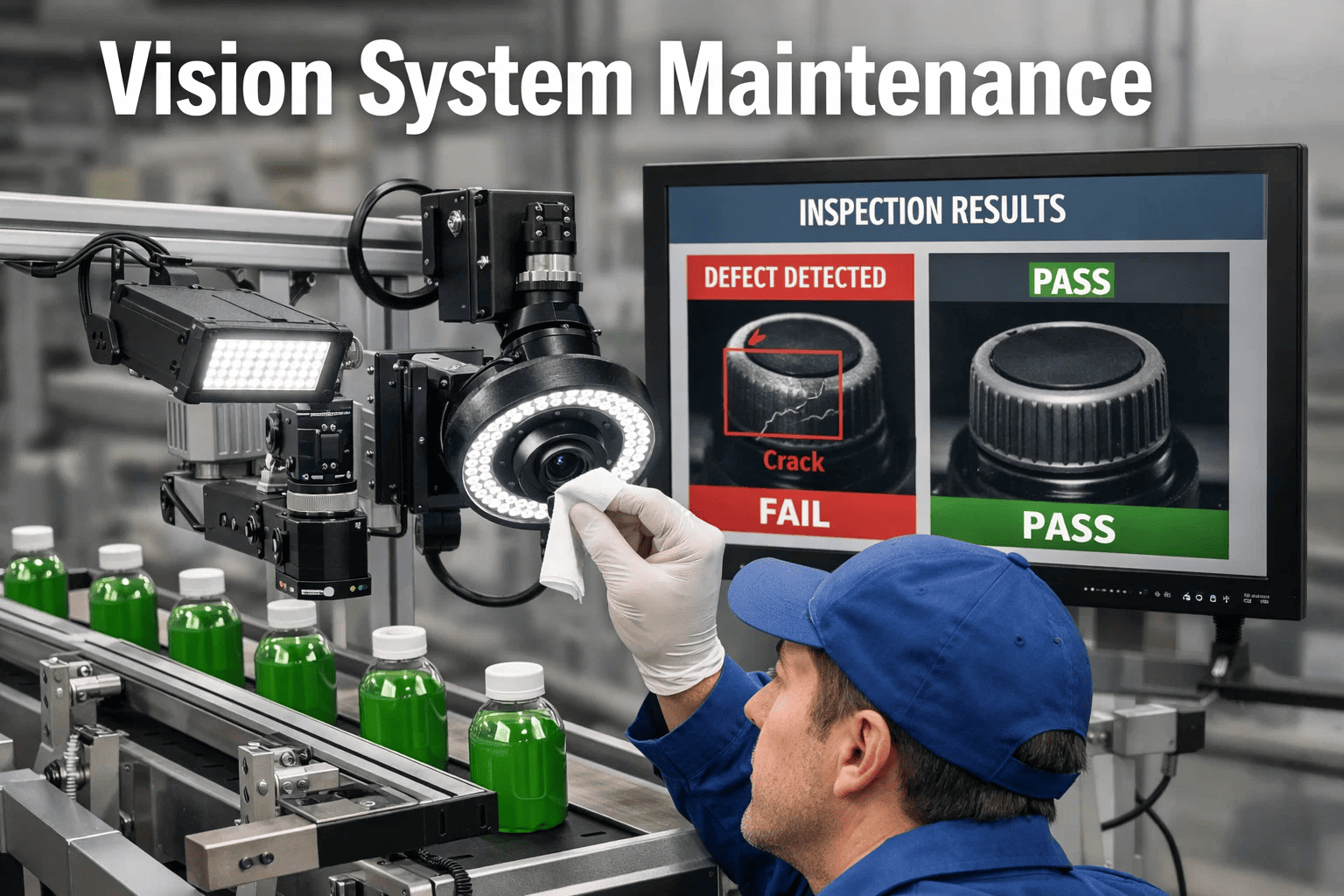
Rejection systems are only as reliable as the detection and diversion equipment that powers them. A metal detector with drifting sensitivity misses contaminants. A checkweigher with degraded loadcells produces false rejects that operators then learn to override. A vision system with dirty lenses classifies good product as defective. Every rejection equipment failure mode either lets defects escape or wastes good product. Schedule a consultation to see how Oxmaint connects rejection system performance data directly to maintenance work orders that keep detection accuracy at specification.
AI Identifies Equipment-Driven Reject Anomalies
When false reject rates spike on a specific quality gate or defect escape patterns emerge, AI distinguishes between product defects and equipment performance degradation by analyzing reject classification data against equipment condition baselines.
Root Cause Attribution Links Rejects to Equipment
The system traces rising false rejects to specific equipment causes — loadcell drift on checkweighers, sensitivity degradation on metal detectors, lighting changes on vision systems, or timing errors on diverter mechanisms — attaching diagnostic data to work orders.
CMMS Work Orders Generate Automatically
Oxmaint generates maintenance work orders with reject trend data, defect images, and suspected equipment root cause attached — giving technicians the context to resolve detection equipment issues before they compromise quality protection.
Post-Maintenance Performance Confirmation
After maintenance, AI monitors the quality gate to confirm detection accuracy and false reject rates return to baseline — closing the work order only when performance metrics verify the repair resolved the issue.
Frequently Asked Questions
Every Escaped Defect Has an Equipment Root Cause — AI Finds It
Oxmaint connects AI rejection intelligence to maintenance workflows so that when a metal detector's sensitivity drifts, a checkweigher's loadcell degrades, or a vision camera's lens fogs, the system generates a work order with performance data attached — fixing the detection equipment before defects escape to market.
Start tracking rejection system performance in minutes. Achieve full detection-to-maintenance integration in weeks.