.png)
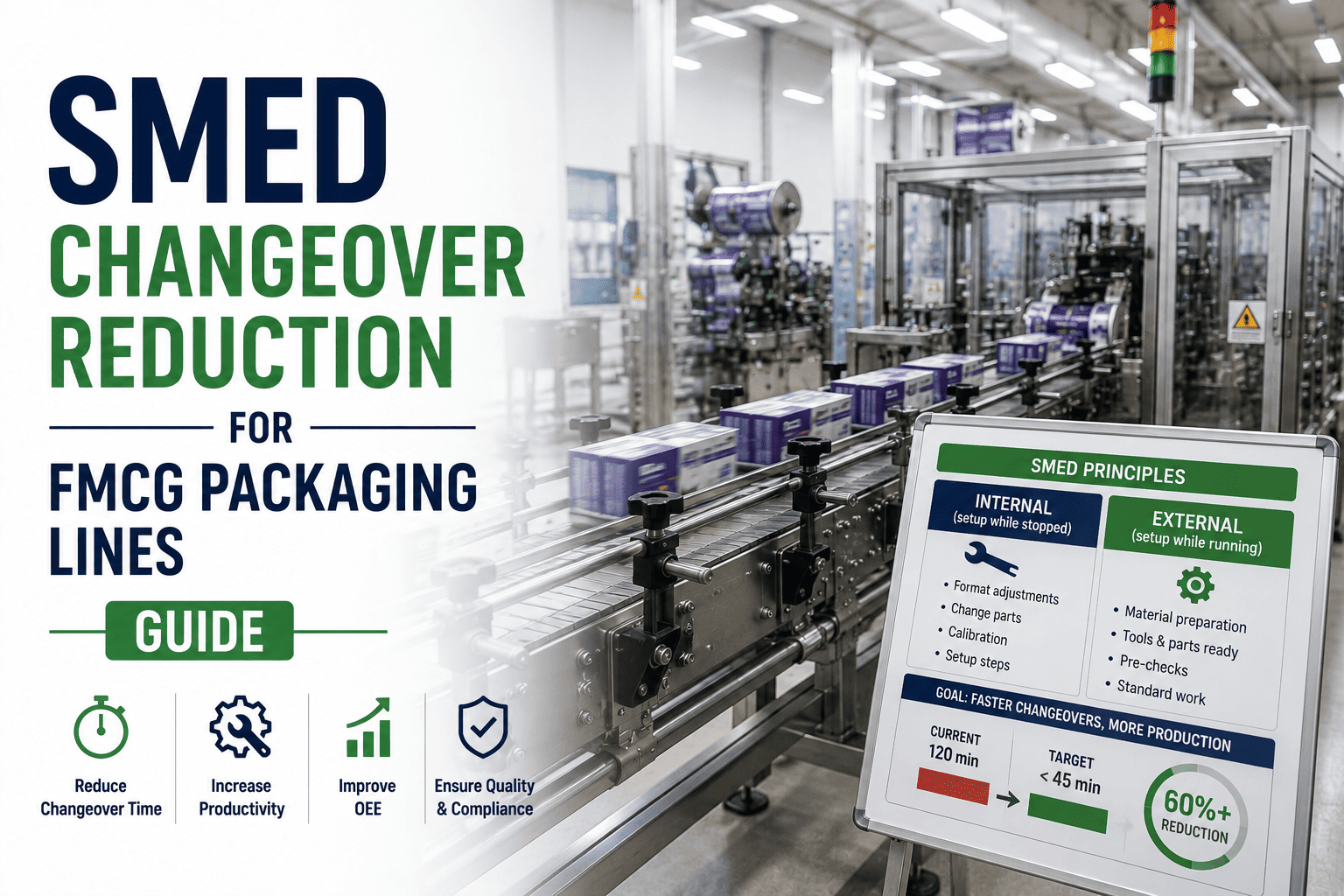
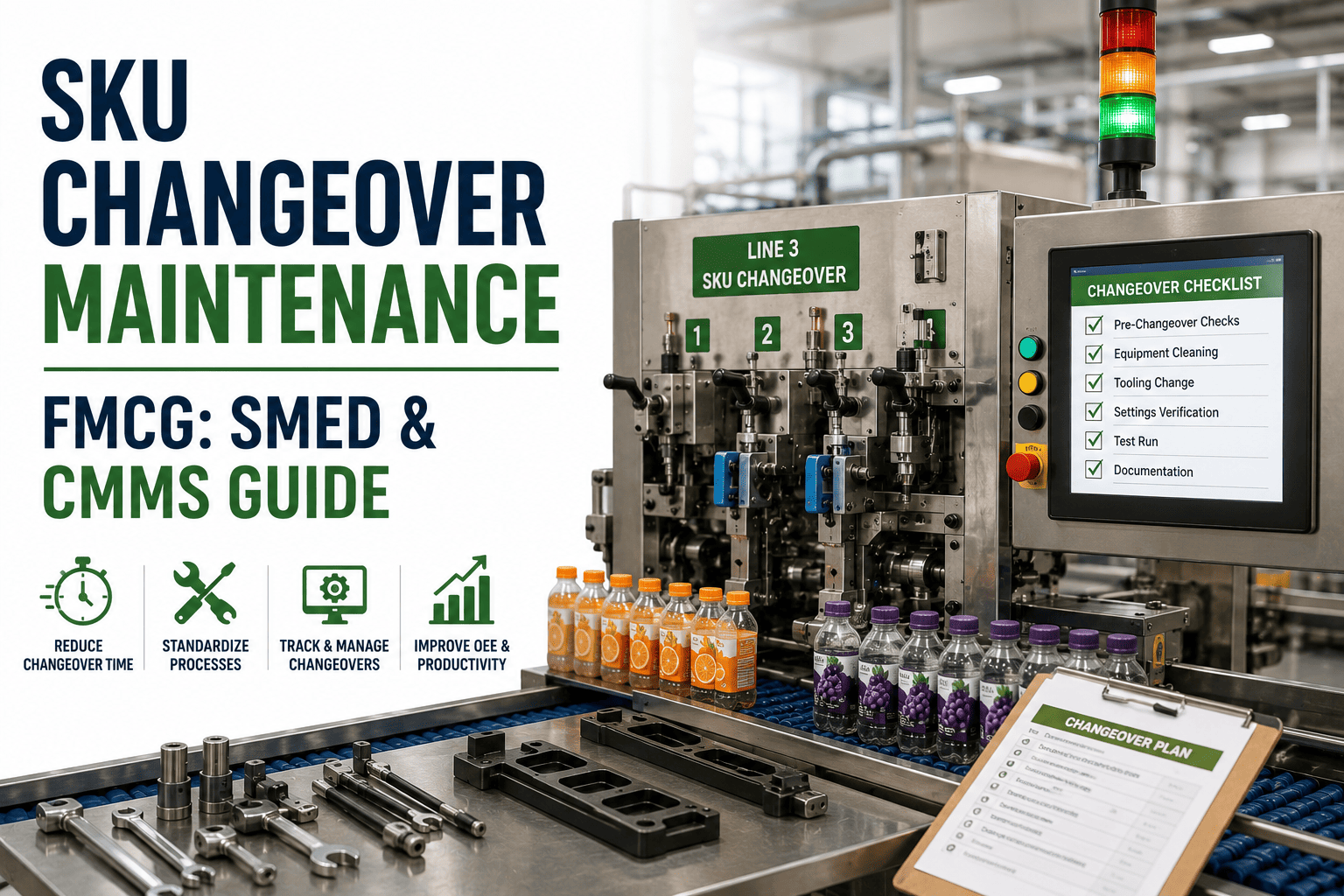
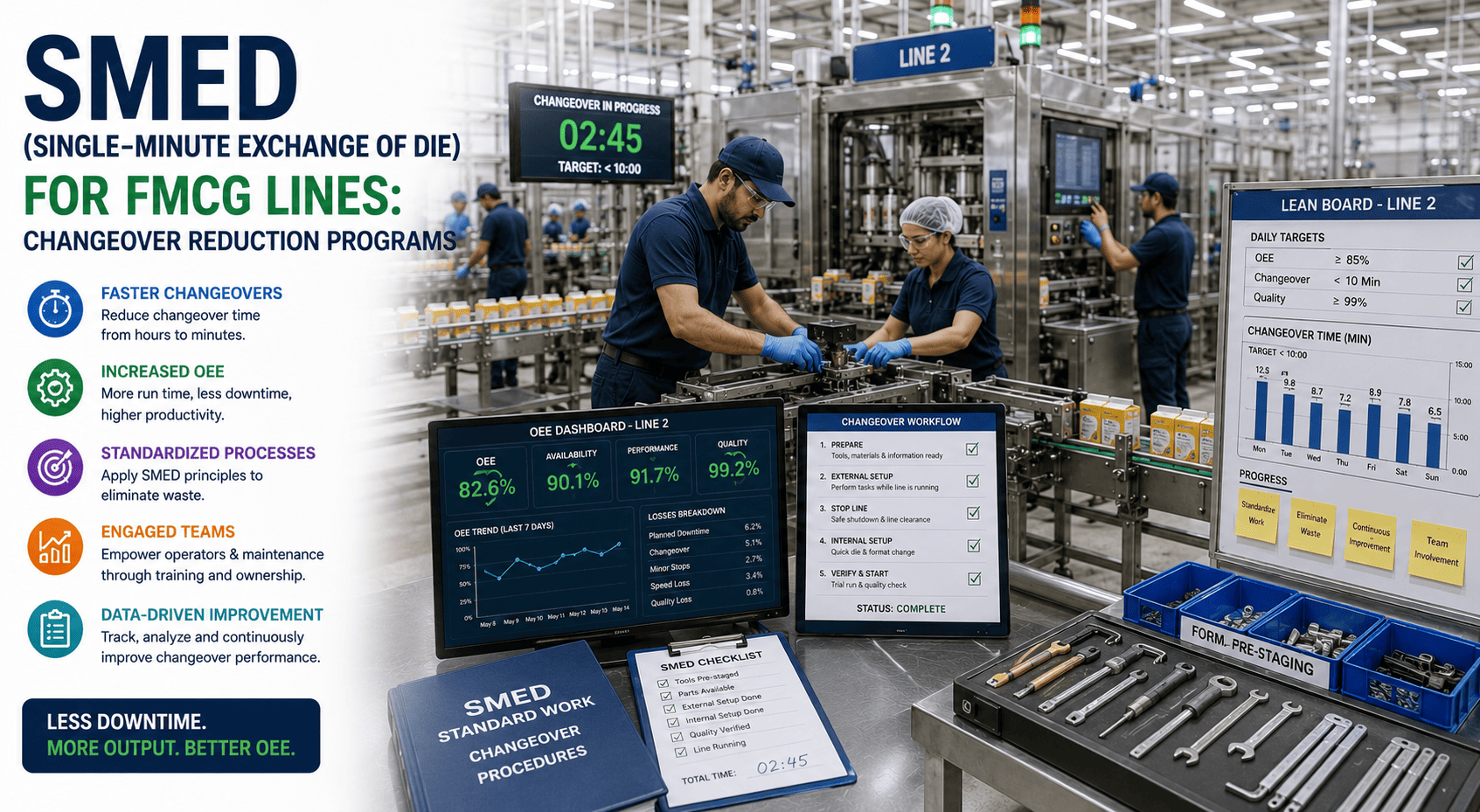
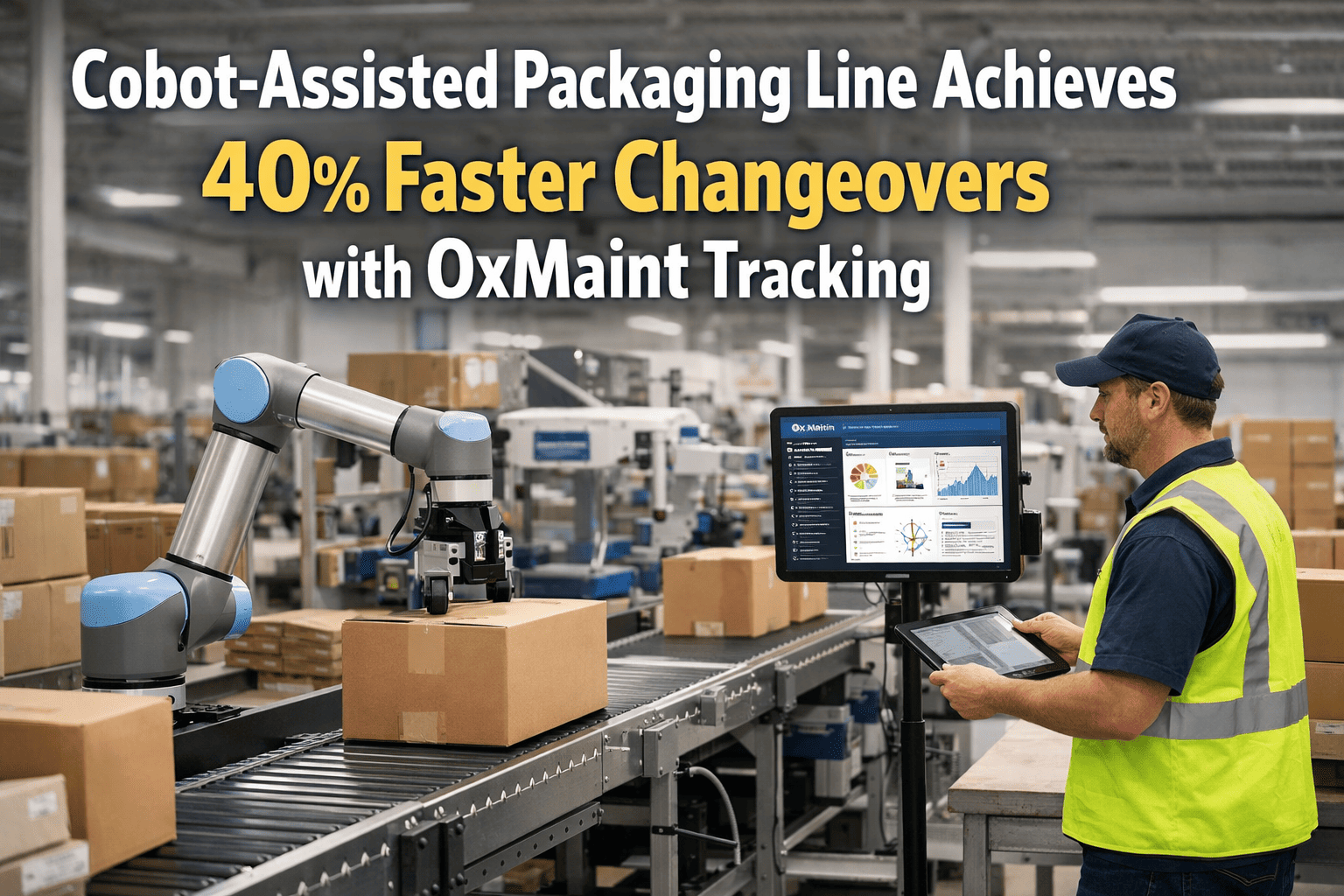
Every unstructured packaging changeover is a direct OEE loss. Fillers, labellers, cappers, and cartoners reconfigured from memory — without a standardised sequence, pre-staged parts, or verified sign-off — routinely take two to four times longer than the same changeover done to a SMED-based procedure. OxMaint's Changeover & Setup Time Tracking digitises every changeover step — sequenced, assigned, timed, and logged so your team executes the same changeover the same way every time. Book a free demo to see changeover time tracking in action.
Changeover Coverage Across the 4 Packaging Zones
A packaging line changeover touches every piece of equipment on the line — and each zone has its own format parts, adjustment points, and verification requirements. Without a sequenced checklist, steps are done in the wrong order, parts are staged late, and the first-off inspection catches problems that could have been prevented. OxMaint sequences every step, pre-assigns it to the right operator, and times the changeover from initiation to first-off sign-off — giving you the data to drive further reduction.
Before Changeover Starts: Pre-Stage and Prepare
The single biggest driver of changeover time is waiting — waiting for format parts that weren't kitted, waiting for the right artwork to be loaded, waiting for someone to find the torque specification. Every minute spent finding or fetching during downtime is an internal activity that should have been an external one. Complete all pre-staging before the line stops. OxMaint triggers pre-staging tasks for the next changeover while the current production run is still active.
| # | Changeover Step | Type | Acceptance Criteria | Sign-Off | |
|---|---|---|---|---|---|
| 1.1 | Previous product cleared from all hoppers, feed lines, and filler heads. Allergen or cross-contamination risk products require full CIP/flush before any new product contact. | Internal | Hopper and all product contact surfaces visually confirmed clear. CIP record attached where required. Signed by operator. | ________ | |
| 1.2 | Format parts for incoming container size — filler heads, nozzles, fill tubes, container guides — swapped out and secured per the format specification sheet. | Internal | All format parts installed per specification. No previous-format parts remaining in the machine. Parts swap logged with part numbers. | ________ | |
| 1.3 | Dose volume or weight set to specification for the incoming SKU via controller adjustment. Target dose, lower control limit, and upper control limit entered and confirmed against the product specification sheet. | Internal | Target dose and control limits match specification. Controller display confirmed. Settings screenshot or printout attached to changeover record. | ________ | |
| 1.4 | Container infeed guides, timing screws, and conveyor side guides adjusted and locked to the incoming container diameter and height per the format specification. | Internal | Container runs through infeed without jamming or skewing. Guide positions locked. Manual run confirmed before product introduction. | ________ | |
| 1.5 | New product introduced to hopper and filler primed. First 10 containers filled and weighed individually on a calibrated check-weigher or bench scale. Results compared against target and control limits. | Verify | All 10 first-off weights within specification. Mean weight at target ±tolerance. Any weight outside limits triggers adjustment and retest before production speed is increased. | ________ | |
| 1.6 | Check-weigher rejection test — a known under-fill and over-fill sample run through at production speed to confirm the check-weigher is correctly programmed for the new SKU limits and rejector is functioning. | Verify | Under-fill and over-fill test pieces both rejected correctly. Acceptance sample passes through. Check-weigher SKU settings confirmed and logged. | ________ | |
| 1.7 | New product bulk containers, bags, or ingredient lines confirmed connected and product identity verified against the batch record and production order before filling at speed begins. | External | Product identity confirmed against batch record. No cross-connection risk. Supply confirmed sufficient for the production run. | ________ |
| # | Changeover Step | Type | Acceptance Criteria | Sign-Off | |
|---|---|---|---|---|---|
| 2.1 | Previous label roll removed and previous SKU label stock returned to store or quarantined. Label path cleaned of adhesive residue, torn label fragments, and any build-up on rollers or guides. | Internal | Labeller path fully clear. No previous label stock remaining in machine. Adhesive build-up removed from rollers. Confirmed by operator. | ________ | |
| 2.2 | New label roll for incoming SKU loaded, threaded, and tensioned per the labeller's threading diagram. Label gap sensor and registration sensor positions adjusted if container size has changed. | Internal | Label feeds correctly at low speed with no skew, fold, or mistrack. Registration confirmed. Sensor positions locked for the new container size. | ________ | |
| 2.3 | Label placement position adjusted for the incoming container size — vertical and circumferential position set to spec, overlap adjusted if applicable, and adhesion pressure roller set to the container material. | Internal | Label position within ±1mm of specification on all axes. Adhesion confirmed without bubbling, peeling, or skew at low speed. | ________ | |
| 2.4 | Print code template updated for incoming SKU — batch number, best-before date, country of origin, and any variable data entered and confirmed against the production order and specification sheet. | External | All variable data matches production order. Date format correct. Template saved and confirmed active. Print quality test run confirmed legible and scannable. | ________ | |
| 2.5 | First-off label physically compared against the approved artwork master for the incoming SKU. Artwork version, label content, barcode, and all variable print data confirmed correct before speed is increased. | Verify | First-off label matches approved artwork master on all elements. Barcode scanned and confirmed correct. Signed by QA before production speed is increased. | ________ | |
| 2.6 | Barcode scanner or vision system SKU programme updated and test-scanned with the incoming label. Rejection function confirmed by running a deliberately mis-printed or blank label through at production speed. | Verify | Scanner reads correct SKU code. Rejection test piece confirmed rejected. Non-reject test piece passes. Scanner programme version logged. | ________ | |
| 2.7 | Label stock quantity for the incoming run confirmed sufficient. Low-label sensor set and tested. Back-up label roll staged at the machine for a quick splice without line stoppage. | External | Label quantity sufficient for the full production run. Low-label alert confirmed active at correct count. Splice roll confirmed at machine. | ________ |
| # | Changeover Step | Type | Acceptance Criteria | Sign-Off | |
|---|---|---|---|---|---|
| 3.1 | Capping chucks or heads swapped to the correct size for the incoming cap format. Chuck size confirmed against the format specification sheet and physically checked for correct seating and lock. | Internal | Correct chuck size installed per format spec. Chuck seated and locked with no play. Previous-format chucks returned to format parts store. | ________ | |
| 3.2 | Cap infeed bowl, chute, sorter, and pick-up mechanism purged of previous cap format. New cap format introduced and sorter confirmed orienting and feeding correctly before any containers enter the capper. | Internal | No previous-format caps remaining in feed system. New caps feeding, orienting, and placing consistently at slow speed before production containers are introduced. | ________ | |
| 3.3 | Star wheels, neck guides, and container support rails adjusted to the incoming container diameter and neck finish. Height adjustment set for the incoming container height per the format specification. | Internal | Containers run through star wheel and guides without jamming, skewing, or tipping. All guide positions locked. Confirmed by manual run before production. | ________ | |
| 3.4 | Torque setting adjusted to the specified target torque for the incoming cap and container neck finish combination per the format specification. Torque clutch or electronic torque control set and confirmed. | Internal | Torque setting confirmed at specified value. Control setting matches format specification sheet. Setting logged against the changeover record. | ________ | |
| 3.5 | First 10 capped containers measured with a calibrated torque meter. Application torque and removal torque both recorded and compared against the lower and upper specification limits. | Verify | Application and removal torque within specification for all 10 units. Any unit outside limits triggers torque adjustment and full retest before speed increase. Results logged. | ________ | |
| 3.6 | Seal integrity check for induction seal or foil liner applications — first-off units inspected visually and tested by a twist or push test per the product specification. Any incomplete or partial seal fails. | Verify | All first-off seals complete with no partial, folded, or missing liners. Seal adhesion confirmed by specified test method. Signed by QA before speed increase. | ________ | |
| 3.7 | New cap bulk hopper or bag loaded and cap supply confirmed sufficient for the production run. Cap feed level sensor set and tested. Jam detection sensors confirmed active for the new cap format. | External | Cap supply confirmed sufficient. Feed level sensor active. Jam detection confirmed responding to a simulated blockage. No bridging in the bulk hopper. | ________ |
| # | Changeover Step | Type | Acceptance Criteria | Sign-Off | |
|---|---|---|---|---|---|
| 4.1 | Previous carton format parts — plough bars, tucking folds, side guides, and glue nozzles — removed and replaced with the incoming format parts per the format specification sheet. Parts identified by colour code or format ID tag. | Internal | All incoming format parts installed per specification. No previous-format parts remaining. Parts swap completed and logged against the format changeover record. | ________ | |
| 4.2 | Carton magazine loaded with the incoming carton blank size and style. Magazine width and depth adjusted to prevent misfeeds. Carton erection confirmed at slow speed before product introduction. | Internal | Carton blanks erecting squarely with no misfeeds, double-feeds, or jams at slow speed. Magazine adjustments locked. Confirmed before containers enter the cartoner. | ________ | |
| 4.3 | Pack count configuration updated in the cartoner controller for the incoming SKU — units per carton, carton orientation, and infeed grouping confirmed against the production order and packing specification. | Internal | Pack count setting matches production order. Infeed grouping confirmed correct. Controller display screenshot attached to changeover record. | ________ | |
| 4.4 | Case packer format changeover completed — case blank size set, case guide rails adjusted, glue system temperature confirmed for the incoming case material, and case count per pallet layer updated in the palletiser or layer count system. | Internal | Case guide rails at correct width. Glue temperature at specification for the case material. Case count and pallet configuration confirmed in system. Trial run confirmed at slow speed. | ________ | |
| 4.5 | First-off carton inspected: pack count correct, product orientation correct, carton sealed on all panels, glue bonds secure, and carton print or labelling correct for the incoming SKU. | Verify | Pack count correct. All carton panels sealed. Glue bonds confirmed by attempting to open sealed panels. Print and labelling correct. Signed by line leader before speed increase. | ________ | |
| 4.6 | Incoming carton blank stock confirmed at machine and quantity sufficient for the production run. Low-carton sensor set and active. Emergency carton stock staged at line for quick magazine reload without line stop. | External | Carton stock sufficient for run. Low-carton sensor confirmed active at correct trigger count. Emergency stock at line. Pallet or bulk stock location logged. | ________ | |
| 4.7 | Glue system checked — glue level confirmed, glue type confirmed correct for the incoming carton material, temperature at set point, and all nozzles firing cleanly with no blockage or drip. | External | Glue level sufficient. Correct grade for carton substrate. Temperature at specification. All nozzles confirmed firing cleanly. Drip or blockage resolved before production. | ________ |
Changeover Sign-Off — Issued When All 4 Zones Are Cleared
Doser ✓
Coder ✓
Sealer ✓
Case Packer ✓
Cleared
Performance Metrics — Changeover Programme
Mean time from last unit of outgoing SKU to first confirmed good unit of incoming SKU. Trended per SKU pair and per shift to identify where time is consistently being lost across the four zones.
Percentage of changeovers where the first-off unit passes all verification checks without adjustment. A rate below 100% indicates changeover steps are being skipped or format settings are not being recalled correctly.
Percentage of pre-stageable changeover tasks completed before the line stops. Every external task done during downtime instead of before it adds directly to changeover time and OEE loss.
Minutes of OEE lost per week to changeover downtime. Trended against target changeover time and number of changeovers to show whether reduction initiatives are delivering against the SMED target.