Legionella pneumophila doesn't announce itself until people are hospitalised. In a food manufacturing facility, the water systems that support production — cooling towers, hot water circuits, process water lines, and CIP water supplies — create exactly the conditions Legionella requires to proliferate: water temperatures between 25°C and 45°C, stagnant dead-legs, and organic matter from food residues that acts as a nutrient source. The US CDC reports approximately 10,000 Legionnaires' disease cases annually, with food and beverage facilities representing a growing risk category as cooling system complexity increases. ASHRAE Standard 188-2018 and the UK's L8 Approved Code of Practice both mandate formal Water Management Plans with documented monitoring schedules, yet an estimated 65% of food manufacturing facilities lack a fully implemented WMP with verifiable temperature logs and flushing records. A single Legionella outbreak at a food facility results not only in potential fatalities and civil liability but in mandatory production shutdowns, public health investigations, and brand damage that can take years to repair — start a free trial to implement a ASHRAE 188-compliant water management programme in Oxmaint today, or book a demo and we will map your facility's water system risk points together.
Identify your facility's hidden Legionella risk points and close them before a public health event forces you to.
- Automated water temperature monitoring with out-of-range escalation alerts
- Flushing schedule tracking and chlorination log documentation
- ASHRAE 188, L8, and local regulatory compliance records in a single platform
What Is Food Plant Water Quality and Legionella Prevention?
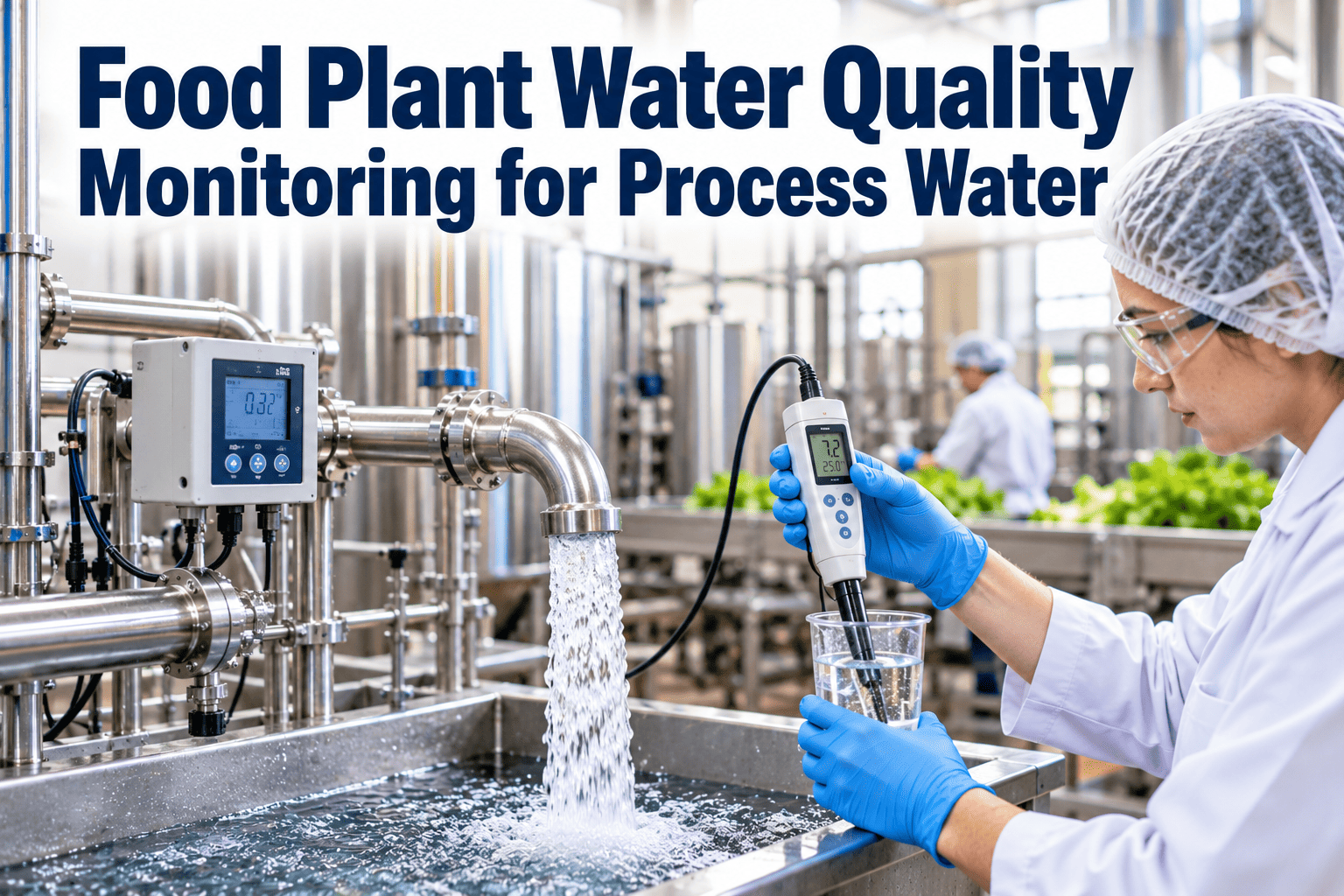
Food plant water quality management is the structured practice of monitoring, controlling, and documenting all water system parameters that affect both food safety and human health within a food manufacturing or processing facility. It encompasses potable water systems used in food contact applications, non-potable process water, hot and cold water distribution, cooling towers and evaporative condensers, and any water system where temperature, stagnation, or contamination could create either a food safety hazard or a Legionella risk.
Legionella prevention within a food plant sits at the intersection of occupational health, food safety, and regulatory compliance. Under ASHRAE Standard 188-2018 (USA), HSE L8 Approved Code of Practice (UK), European ECDC guidance, and state-level health regulations, food facility operators are legally obligated to maintain a documented Water Management Plan (WMP) that identifies all high-risk water system components, establishes control limits for temperature and biocide concentration, defines monitoring frequencies and responsible personnel, and prescribes corrective actions when control limits are exceeded — start a free trial to build and manage your Water Management Plan digitally in Oxmaint.
Beyond Legionella, water quality in food plants directly affects product safety under FSMA (21 CFR Part 117) and GFSI standards including SQF Code and BRC Global Standard for Food Safety. Water used in food contact, ingredient preparation, CIP systems, and hand-washing must meet potability standards with documented testing records. Facilities that lack water quality documentation are routinely cited during FDA inspections and GFSI pre-assessments for inadequate prerequisite programme controls.
Water Quality and Legionella Prevention Framework
Identification of all water system components including cooling towers, hot water calorifiers, dead-legs, spray systems, and process water lines — documented in a facility water system schematic as required by ASHRAE 188.
Hot water stored and distributed above 60°C; cold water delivered below 20°C; cooling tower basin temperatures controlled with biocides. Monthly thermometric surveys of all outlets in the Legionella growth range (25–45°C).
Residual free chlorine maintained at 0.2–0.5 mg/L in distribution; cooling tower oxidising biocide dosing documented with log-book records; dosing pump calibration verified on scheduled intervals.
Infrequently used outlets, dead-legs, and seasonal systems flushed on documented weekly or monthly schedules. Flushing records must include date, time, outlet ID, technician name, and water temperature at start and end.
Quarterly Legionella culture testing of high-risk system components; monthly heterotrophic plate count and total coliforms in food-contact water; testing results documented with corrective action records for any positive findings.
Cooling tower inspection, cleaning, and disinfection on ASHRAE 188-compliant schedules; basin cleaning, drift eliminator condition, and scale/corrosion assessment documented with photo evidence and technician certification records.
Food Plant Water System Pain Points
Most food plants have water safety policies written on paper but no verifiable execution records. ASHRAE 188 requires a WMP that demonstrates ongoing monitoring, not just a written plan. An FDA or local health authority investigation following a Legionella case will subpoena temperature logs, flushing records, and testing certificates — all of which must be complete, timestamped, and attributed to named individuals.
Food plant water systems grow through facility expansions, equipment relocations, and plumbing modifications that create dead-legs — sections of pipework with no flow that reach Legionella growth temperatures within hours. Studies of food manufacturing facilities find an average of 7–12 undocumented dead-legs per plant, none of which appear on water system schematics and none of which are being flushed.
Cooling towers drained and left idle during seasonal shutdowns develop biofilm and scale during the stagnation period. When restarted without a documented disinfection protocol, they aerosolise Legionella-contaminated water across the facility and surrounding area. ASHRAE 188 requires a formal recommissioning procedure with microbiological clearance before any restarted cooling system is returned to operation — a requirement most facilities cannot document compliance with. Book a demo to see how Oxmaint tracks cooling tower shutdown and recommissioning protocols automatically.
Temperature logs in a binder, microbiological test certificates in the QA office, flushing records in a spreadsheet on a site manager's laptop — when a public health investigation requires a complete water system record, assembling this documentation across multiple systems takes days and typically reveals gaps that cannot be explained without raising liability questions.
How Oxmaint Solves Food Plant Water Quality and Legionella Prevention
Build your ASHRAE 188 or L8-compliant WMP in Oxmaint with documented water system schematics, risk scores for each component, and auto-scheduled monitoring tasks assigned to named technicians with mobile sign-off and photo capture.
Connect temperature sensors or enter manual readings via mobile. When any outlet falls within the Legionella risk range (25–45°C), Oxmaint immediately escalates to the water safety responsible person with a CAPA work order — before contamination has time to develop.
Oxmaint auto-generates weekly and monthly flushing work orders for every documented dead-leg, infrequently used outlet, and seasonal system in your water system schematic — with GPS-tagged sign-off and temperature readings required to close each task.
Log residual chlorine readings, biocide dosing events, and dosing pump calibration checks against documented control limits. Out-of-range readings trigger immediate corrective action workflows — and every log entry is available for regulatory inspection instantly.
Schedule quarterly Legionella culture tests and monthly potability checks within Oxmaint. Upload laboratory certificates directly to the asset record. Positive results auto-create escalation work orders with defined response procedures and management notification.
Generate complete ASHRAE 188, L8, or FSMA water system compliance packs in under 10 minutes — covering every temperature log, flushing record, test certificate, and corrective action from the preceding 12 months. Start a free trial to see how fast Oxmaint generates your next water safety audit pack.
Reactive vs. Planned: Water Quality and Legionella Prevention
| Water System Task | Reactive / No Programme | Planned Oxmaint Approach |
|---|---|---|
| Temperature Monitoring | Annual thermometric survey only; Legionella risk range temperatures undetected for 11+ months between surveys | Monthly thermometric surveys of all outlets; continuous sensor integration on high-risk systems; out-of-range alerts in real time |
| Dead-Leg Flushing | Not identified or flushed; biofilm develops within 72 hours of stagnation at ambient temperature | All dead-legs documented in water system schematic; weekly flushing work orders auto-generated with sign-off required |
| Cooling Tower Management | Cleaned annually; biocide dosing manual and undocumented; shutdown and restart without disinfection protocol | Monthly cleaning and quarterly disinfection scheduled; biocide logs maintained; shutdown/recommissioning checklists enforced |
| Chlorination Records | Spot checks logged on paper; gaps in records; no control limit flags; out-of-range readings unaddressed | Daily digital logs with control limit verification; out-of-range readings trigger immediate corrective action work orders |
| Microbiological Testing | Annual Legionella test only; certificates stored in separate filing system; no CAPA tracking for positive results | Quarterly Legionella cultures; results uploaded to asset record; positive findings auto-escalate with defined response procedure |
| Regulatory Documentation | Assembled under pressure before inspection; gaps create liability during investigation; cannot demonstrate ongoing compliance | Complete audit-ready record pack generated in under 10 minutes; demonstrates continuous monitoring with timestamped evidence |
ROI and Risk Reduction from Structured Water Management
Water Quality and Legionella Prevention: Frequently Asked Questions
What does ASHRAE Standard 188 require for food manufacturing facilities?
What water temperature limits prevent Legionella growth in food plant hot and cold water systems?
How often should food plant cooling towers be cleaned and disinfected?
What are the consequences of a Legionella outbreak traced to a food manufacturing facility?
Stop Exposing Your Facility to Legionella Risk and Regulatory Liability
Turn every temperature log, flushing record, and biocide check into a timestamped, ASHRAE 188-ready compliance document with Oxmaint — and eliminate the $50M+ liability exposure of an undocumented water management programme.
- Automated flushing schedules and temperature monitoring across all water system components
- Real-time out-of-range escalation before Legionella proliferation has time to develop
- 5–10 year water infrastructure CapEx forecasting for building and plant operators