
A ready-to-eat salad producer in California struggled with inconsistent sanitation verification—manual ATP swabbing missed contaminated areas that later caused a Listeria recall costing $3.8 million. After deploying robotic sanitation verification systems, automated swab collection and ATP testing identified 340% more hygiene issues than manual methods, with every result automatically logged to their CMMS for audit documentation. The robots don't get tired, don't skip difficult-to-reach areas, and test the same locations with perfect consistency every cycle. Sign up for Oxmaint to integrate automated sanitation verification into your compliance workflows.
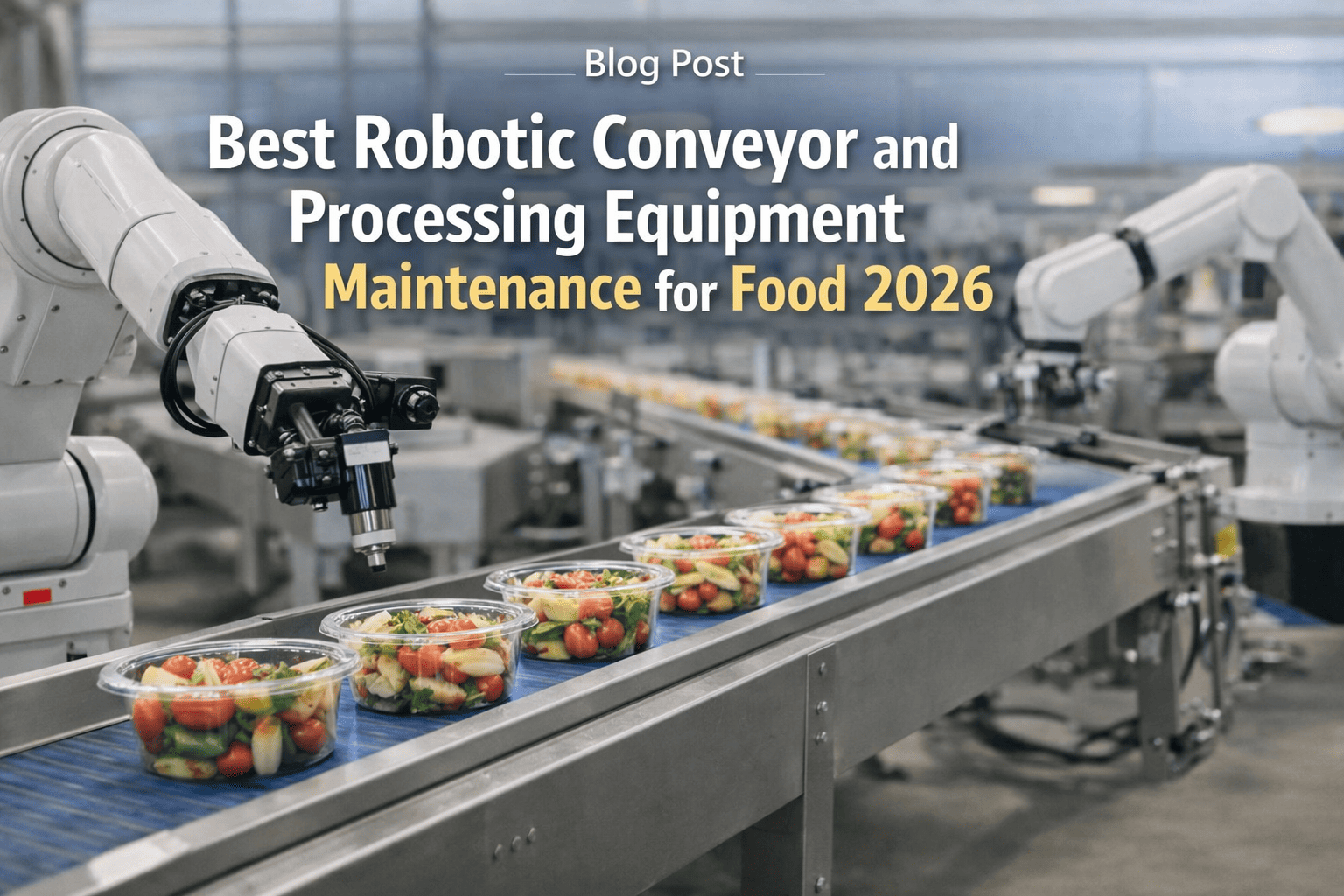
Top Robotic Sanitation Verification for Food Processing Lines 2026
Automated robots verify CIP effectiveness through ATP testing and visual inspection—logging every result directly to CMMS for audit-ready compliance documentation.
Manual sanitation verification relies on human judgment—which areas to test, how to position swabs, and whether results get properly documented. CIP verification automation eliminates this variability by testing predetermined locations with robotic precision, capturing ATP readings automatically, and transmitting results directly to CMMS platforms without manual data entry. Book a demo to see how Oxmaint integrates with automated verification systems.
The technology addresses a fundamental challenge in food safety: you can't manage what you can't measure consistently. When sanitation verification depends on which technician is working, which shift is running, and whether documentation gets completed correctly, compliance becomes unpredictable. Robotic verification systems deliver the same test protocol every time—creating the measurement consistency that effective sanitation management requires.
73% of food safety incidents trace back to sanitation failures that went undetected during verification. Robotic systems catch contamination that manual testing misses—not because technicians are careless, but because robots test more locations, more consistently, with better documentation.
Leading Robotic Verification Systems
Several platforms offer ATP testing robot capabilities for food processing environments. Each system approaches verification differently—from mobile robots that patrol entire facilities to stationary systems integrated into specific production lines.
Mobile Verification Robots
Autonomous patrol systemsQuadruped or wheeled robots equipped with ATP swabbing arms patrol processing areas after CIP cycles, collecting samples from predetermined test points and transmitting results wirelessly to CMMS platforms.
Integrated Line Systems
Fixed-position verificationRobotic arms mounted at critical control points automatically swab equipment surfaces immediately after CIP completion, providing real-time verification before production restart.
Vision-Based Verification
AI-powered visual inspectionCamera systems with AI algorithms detect residue, biofilm, and cleaning deficiencies visually—complementing ATP testing with surface condition assessment that identifies areas needing re-cleaning.
Log Every Verification Result Automatically
Oxmaint receives ATP readings and visual inspection data directly from robotic systems—no manual entry required.
Automated Verification Workflow
Robotic verification transforms sanitation from a manual checkpoint into an automated, documented process. Every test follows the same protocol, every result gets logged, and exceptions trigger immediate alerts—creating the consistency that auditors expect and food safety requires.
CIP Cycle Completes
Cleaning system signals completion; robot receives automated dispatch notification
Robot Collects Samples
Automated swabbing at predetermined test points; visual inspection of surfaces
ATP Analysis
Onboard luminometer processes samples; results available within 15 seconds
CMMS Documentation
Results upload to Oxmaint with location, timestamp, and pass/fail status automatically
Manual vs. Robotic Verification
The comparison between manual and automated verification reveals why leading food manufacturers are transitioning to robotic systems. Sign up for Oxmaint to start documenting verification results automatically.
Implementation Checklist
Frequently Asked Questions
Verify Every CIP Cycle Automatically
Robotic verification delivers the consistency manual testing cannot match. Oxmaint logs every result, triggers corrective actions, and generates audit-ready documentation—automatically.


.png)


