When a ladder truck's hydraulic pump fails during a routine check, the clock starts ticking on public safety. Fire station equipment teams operate in an environment where "out of service" means reduced community protection. Yet, many departments still rely on paper requisition forms, email chains, and manual approvals to procure critical parts—a process that can delay repairs by days or weeks.
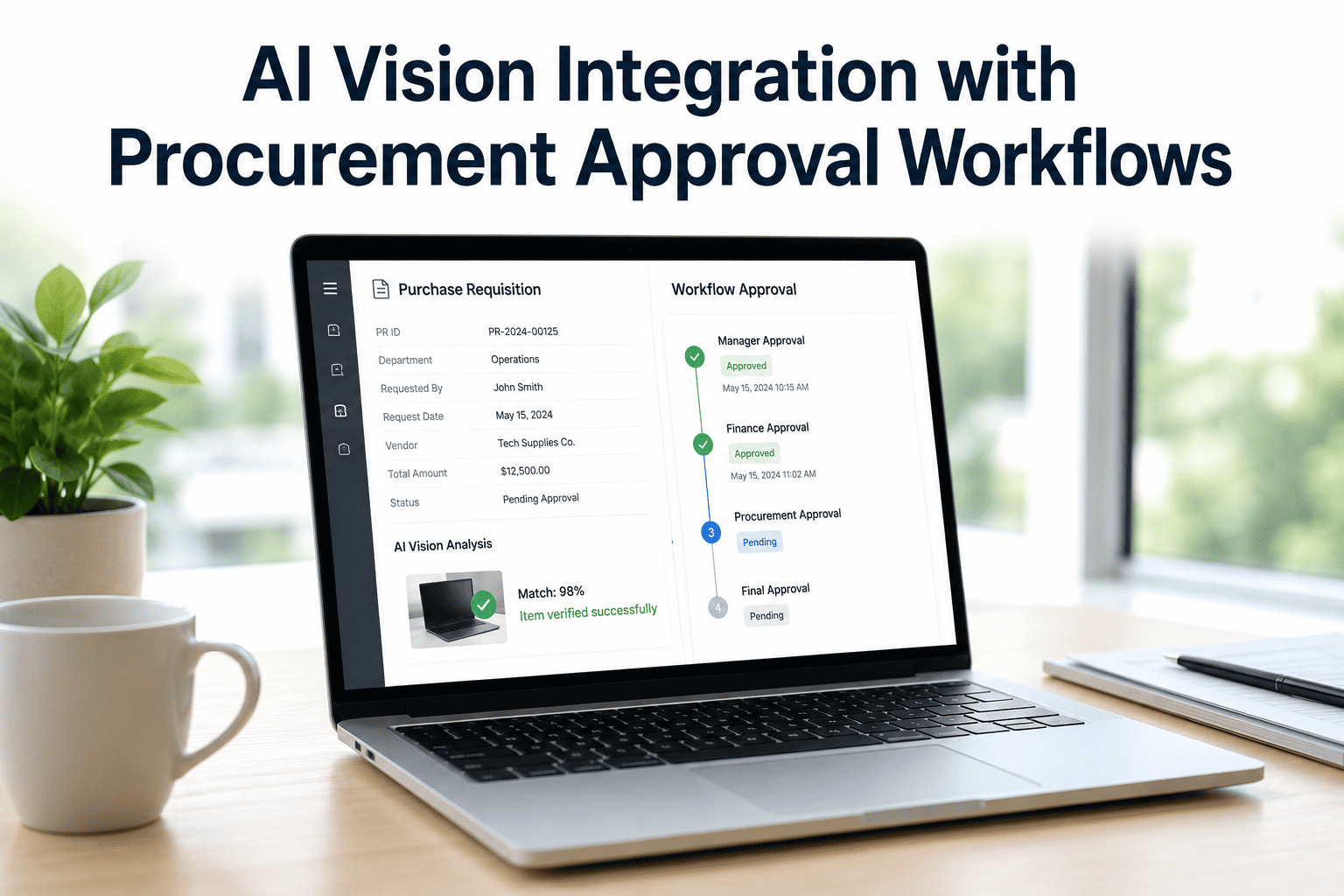
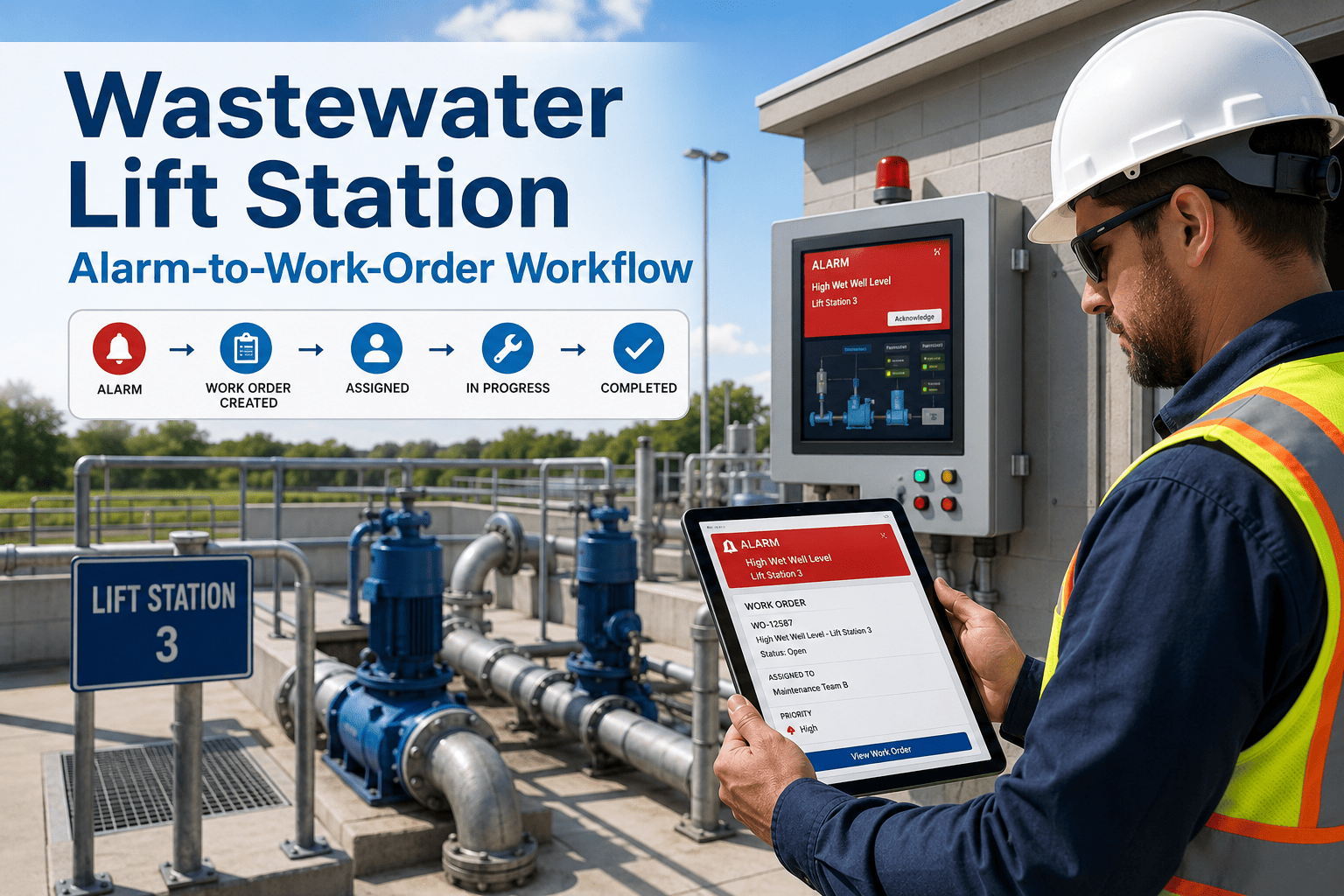
Oxmaint CMMS digitizes the purchase order workflow, transforming procurement from a bureaucratic bottleneck into a streamlined operational advantage. When a mechanic identifies a failed sensor on Engine 4, the system doesn't just log the defect—it automatically checks inventory, generates a purchase requisition if stock is low, and routes it for immediate approval based on budget thresholds and vendor agreements.
This guide provides fire equipment managers with a comprehensive framework for implementing digital purchase order workflows that ensure apparatus readiness, demonstrate fiscal responsibility, and create operational efficiencies through automated inventory replenishment strategies.
Manual POs sit on desks for an average of 3.2 days before approval. In emergency services, this delay keeps critical apparatus out of service unnecessarily.
Departments spend 15-20% of their parts budget on expedited shipping because regular orders weren't processed in time. Proper workflows eliminate this waste.
Handwritten part numbers and vague descriptions lead to wrong parts being delivered. Returning and reordering adds 5-7 days to repair timelines.
Stocking "just in case" parts ties up budget. Automated POs allow for "just in time" inventory, freeing up funds for other critical station needs.
Transform Procurement from a Bottleneck to an Accelerator
Fire departments using digital PO workflows with Oxmaint CMMS reduce apparatus downtime by 40% while cutting administrative processing costs by 60%. Stop letting paperwork keep your trucks off the road.
Reimagine Apparatus Readiness with Smart Purchasing
Traditional procurement operates on a reactive "break-fix-order" cycle. A part breaks, a mechanic writes a request, it gets lost in an inbox, and days later an order is placed. Smart purchasing powered by CMMS software transforms this into a proactive, data-driven workflow. Inventory minimums trigger automatic reorder suggestions, and critical repair POs get flagged for priority approval routing.
Category-Based Approval Strategy
Different equipment categories require specific approval workflows to balance speed with fiscal oversight
Digital PO Automation Workflow
Mechanic logs part usage or low stock alert triggers automated requisition based on preset minimums
System routes request based on value and category. Under $500? Auto-approve. Over $5k? Route to Chief.
Approved PO is automatically emailed to the preferred vendor with part numbers and pricing pre-filled
Parts arrive, inventory is updated via barcode scan, and invoice is matched to PO for payment
From Reactive to Strategic: A Procurement Roadmap
Most fire departments operate purchasing in a reactive mode—scrambling to buy parts only when a truck is already down. This approach is costly and risks public safety. The roadmap below transforms reactive buying into strategic inventory management through phased implementation of digital catalogs, approval automation, and vendor integration.
Implementation Roadmap
Foundation: Vendor & Part Digitization
Import vendor lists and commonly used parts into CMMS with current pricing
Establish minimum/maximum stock levels for critical consumables
Define user roles and spending limits for mechanics and officers
Train staff on mobile requisition submission via the app
Automation: Approval Workflows
Configure approval routing rules based on dollar amount and department
Set up automatic email notifications for pending approvals
Enable "auto-approval" for low-cost, high-frequency consumables
Test mobile approval process with command staff
Integration: Inventory & Receiving
Link PO receiving to automatic inventory quantity updates
Implement barcode scanning for receiving parts into stock
Set up 3-way matching (PO, Receipt, Invoice) for finance
Configure alerts for late orders or backordered items
Optimization: Spend Analytics
Analyze spend by vehicle, vendor, and category to identify trends
Negotiate bulk pricing based on accurate usage data
Refine min/max levels to optimize cash flow
Forecast next year's budget based on actual historical consumption
Ready to Get Your Trucks Back in Service Faster?
Fire departments implementing this roadmap reduce order-to-receipt time by 50% while eliminating unauthorized spending. Ensure your team has the equipment they need, when they need it.
Multi-Station Management: Centralized Control
Departments with multiple stations face unique challenges in procurement. Without a centralized system, Station 1 might be ordering soap while Station 3 has a surplus. Oxmaint CMMS enables centralized visibility and distributed receiving.
Maintain a master list of approved parts and vendors. This ensures that all stations order standardized equipment, simplifying maintenance and ensuring compatibility across the fleet.
Before ordering new parts, the system can check stock at other stations. If Station 2 needs a filter that Station 5 has in stock, a transfer request saves money and time.
Items can be ordered centrally but shipped directly to the station where the apparatus is housed. The local captain or mechanic can receive the item via mobile app, updating the central record instantly.
Track spend by station, vehicle, or department code. This granular visibility allows for accurate chargebacks and ensures no single station depletes the department's parts budget.
Operational Benefits
Faster parts procurement means trucks return to service days sooner
Every dollar spent is tracked, approved, and documented for city finance audits
Eliminate emergency shipping fees and duplicate orders through better inventory visibility
Digital records eliminate the "lost invoice" problem that delays vendor payments
Expert Perspective
"In the fire service, readiness is everything. We used to lose days of service time just waiting for purchase orders to be signed. Since switching to Oxmaint's digital PO system, I can approve a critical part request from my phone while I'm at a conference, and the part is on its way before I even check my email. It's not just about saving money; it's about keeping trucks on the street where they belong."
Conclusion
Digitizing the purchase order workflow for fire station equipment is more than an administrative upgrade—it's a critical operational enhancement. By removing friction from the procurement process, departments ensure that mechanics have the parts they need to keep life-saving apparatus operational.
Work order automation ensures that low stock levels trigger immediate action, preventing the "out of stock" surprises that ground vehicles. Approval workflows provide the fiscal control city managers demand without the bottlenecks that frustrate fleet managers.
The departments that implement these systems gain a clear view of their fleet costs, improved vendor relationships, and most importantly, higher apparatus availability rates. Start your procurement transformation with Oxmaint CMMS—built to support the critical mission of emergency services.
Don't Let Paperwork Delay Your Response Times
Modernize your fire station's purchasing process today. Gain control over your budget, speed up repairs, and ensure your fleet is always ready to roll.