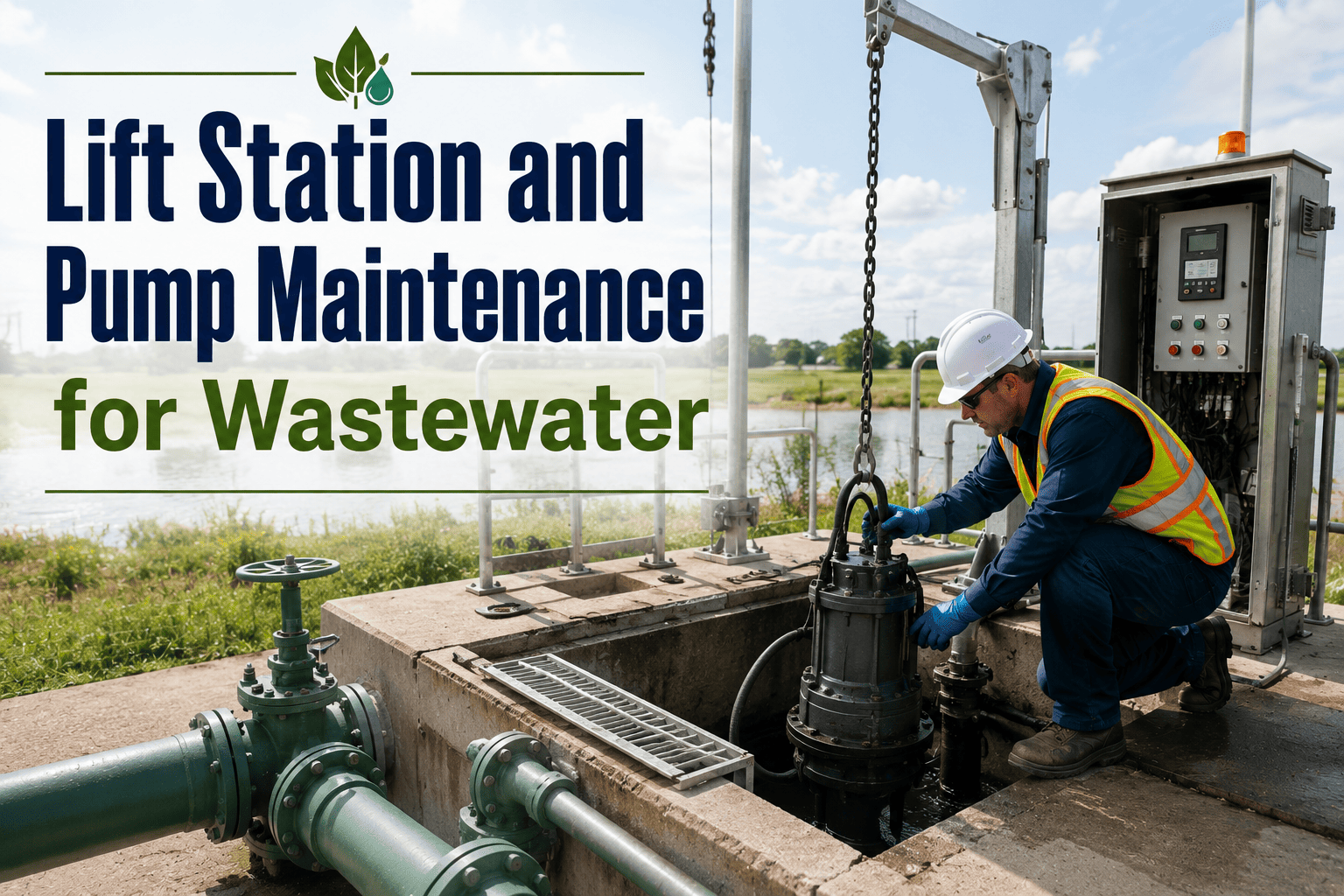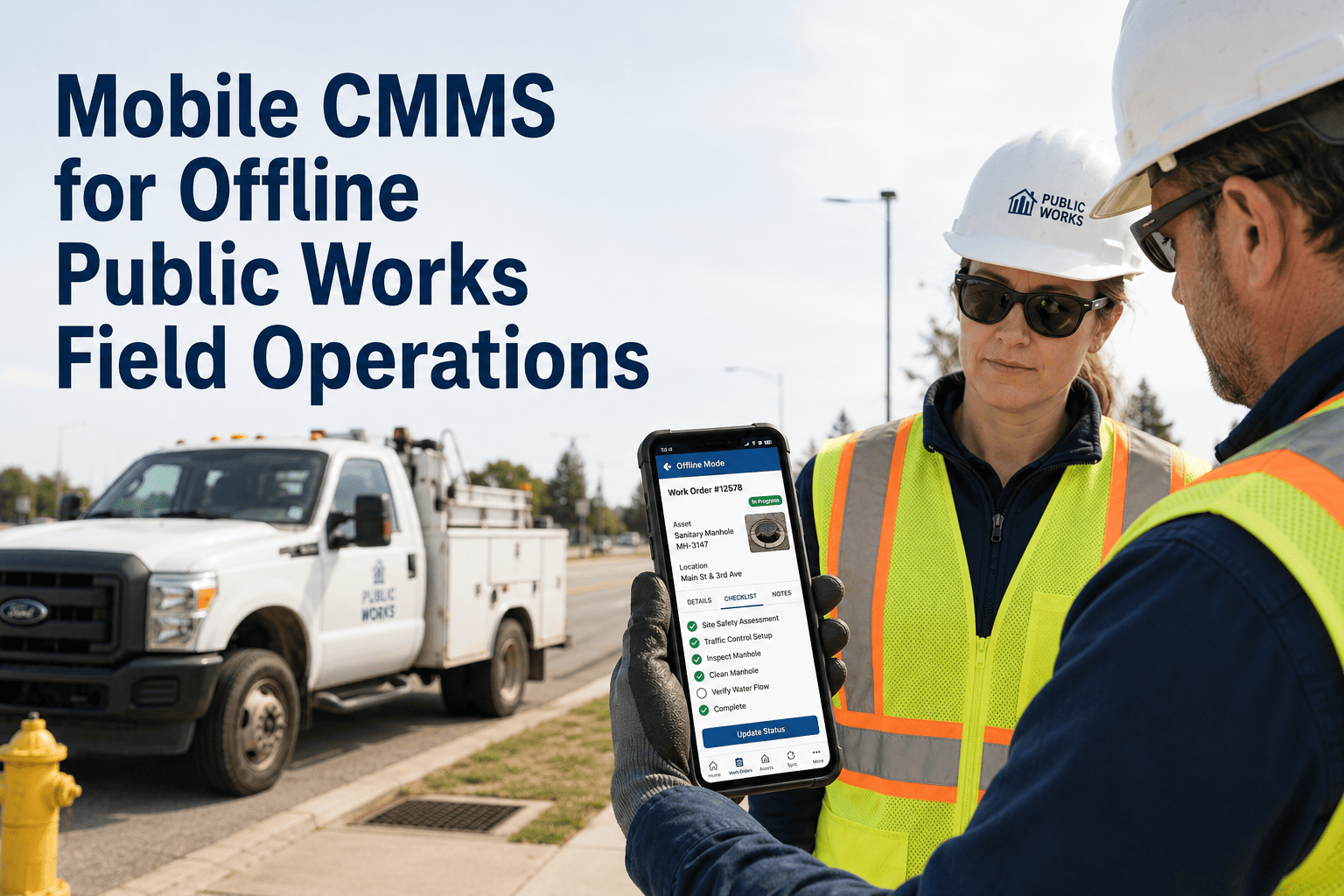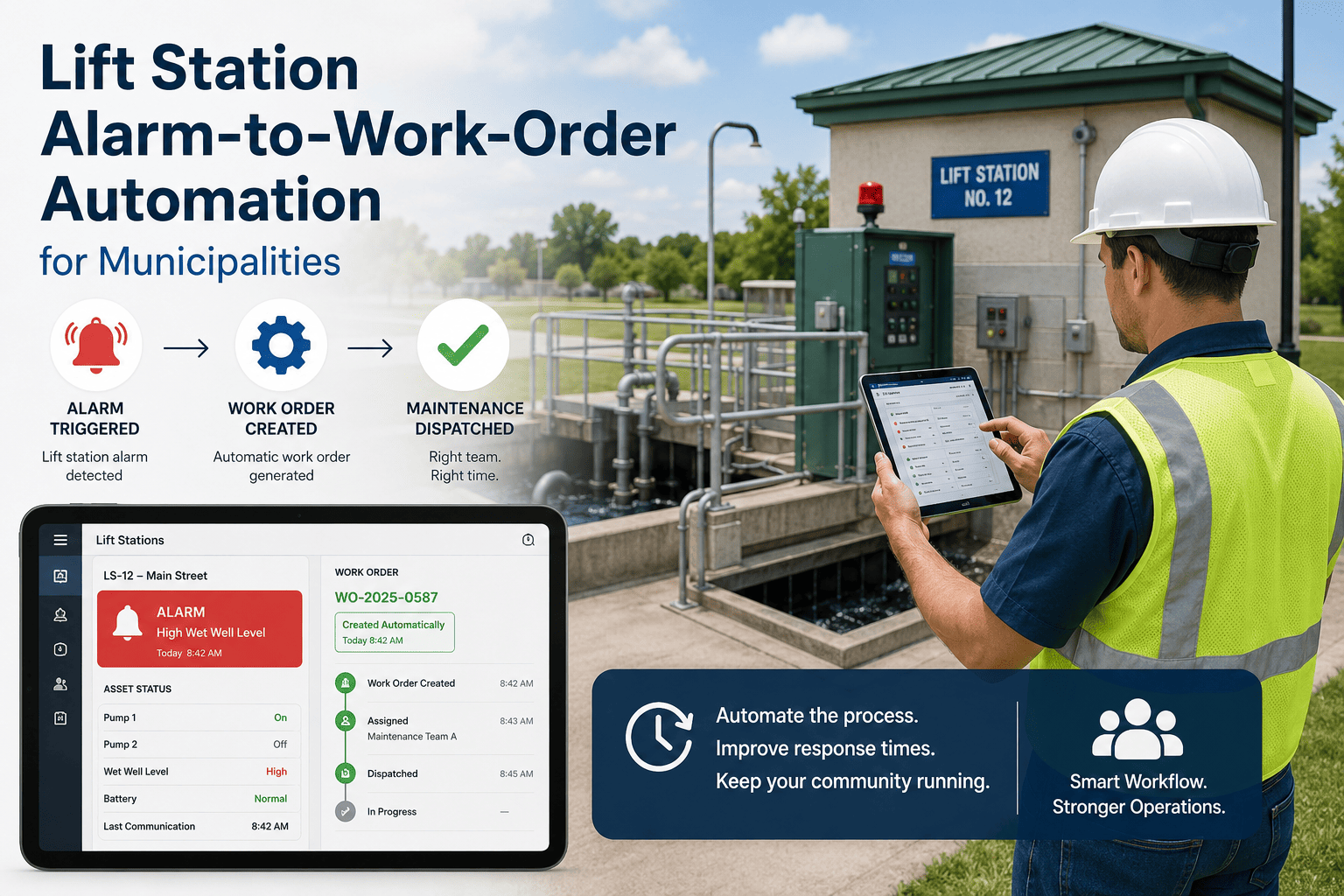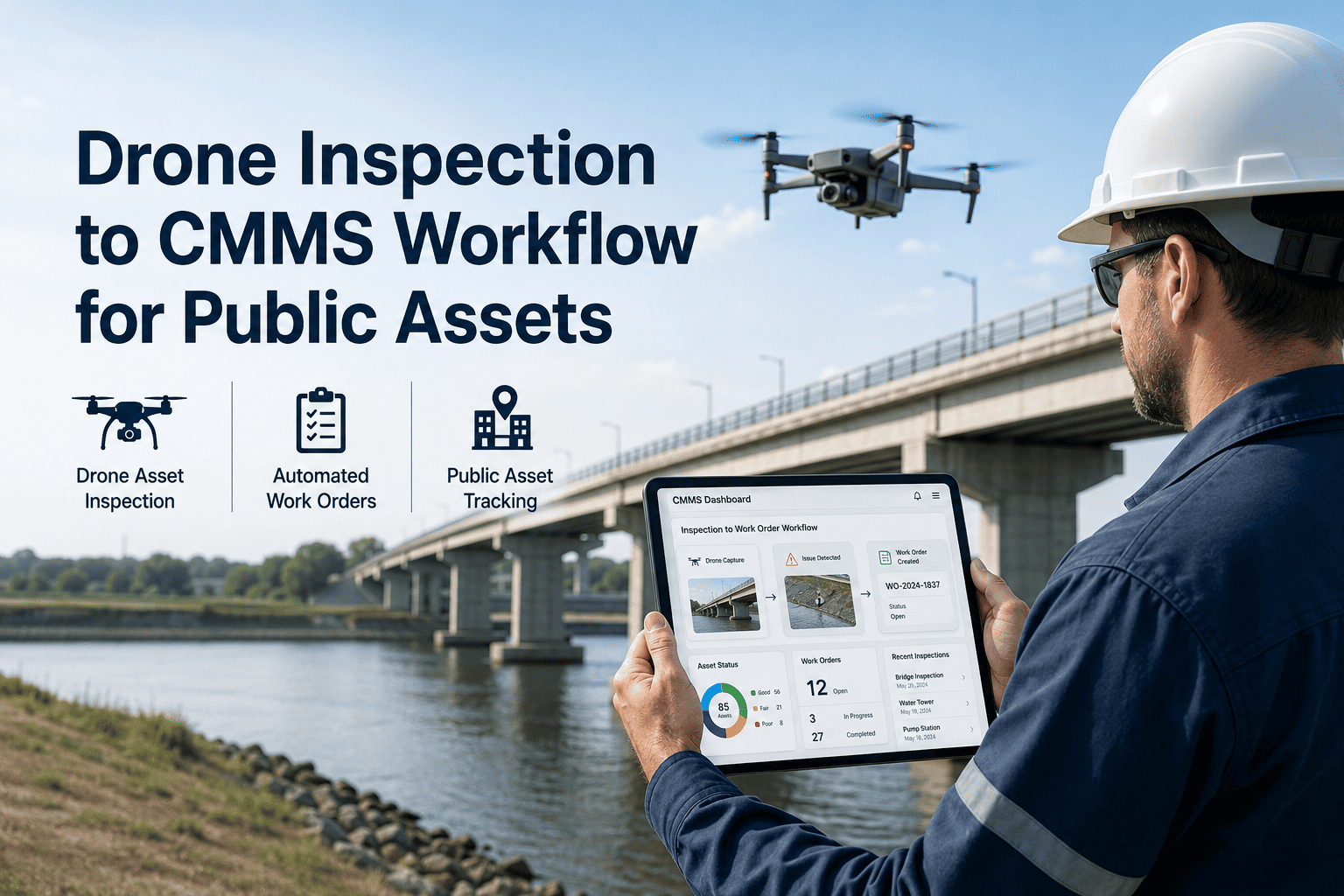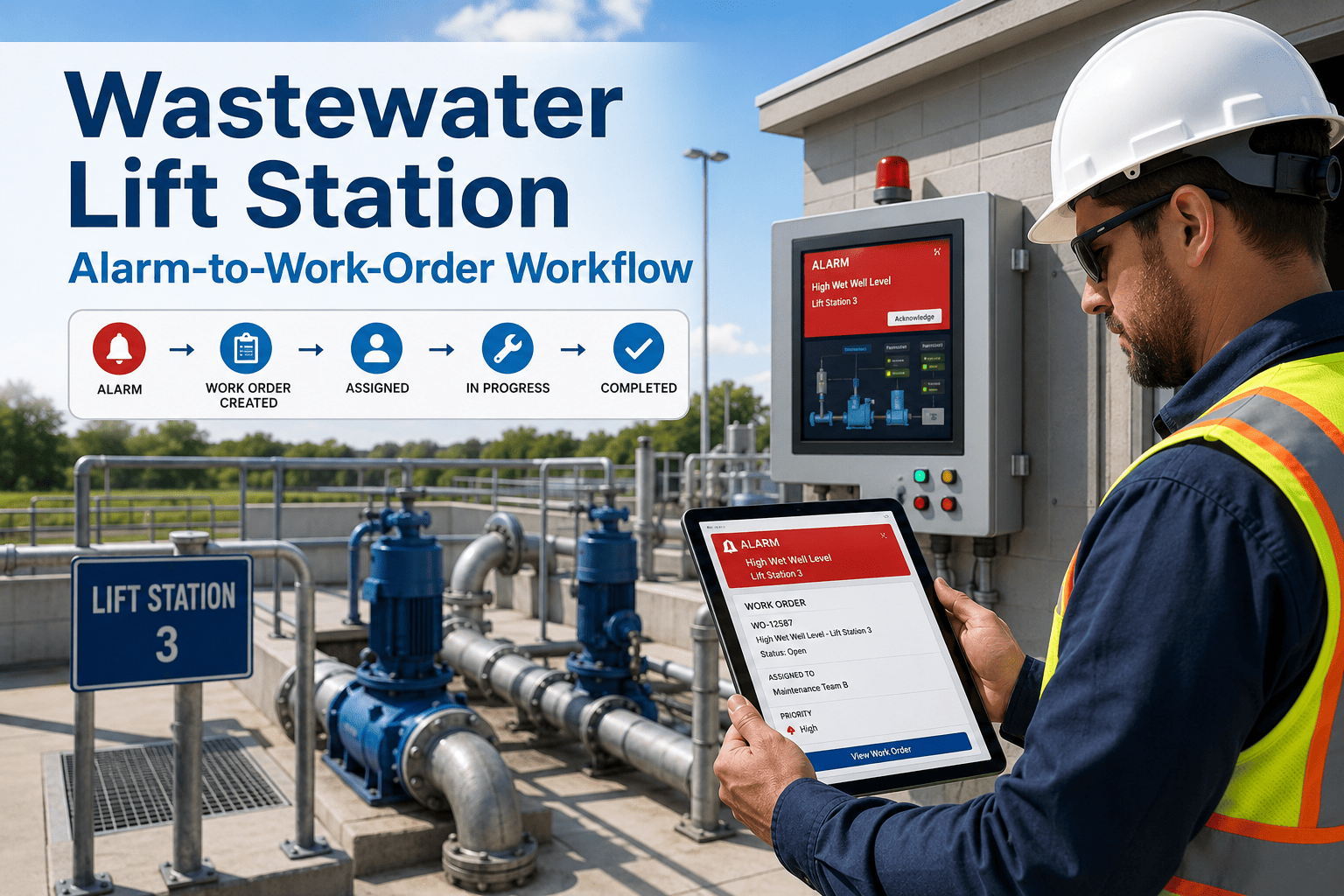
A lift station alarm at 2:00 AM is not an inconvenience — it is a countdown to a raw sewage overflow, an environmental violation, and a public health crisis. The departments that respond fastest are the ones with a system that converts alarms into prioritized, mobile work orders instantly — not the ones calling through a supervisor chain and checking clipboards in the dark. OxMaint AI automates the complete alarm-to-repair workflow for wastewater lift stations, giving utility crews a mobile CMMS that ensures every alarm becomes a documented, dispatched, and resolved work order before service disruption occurs.
Wastewater Lift Station Alarm-to-Work-Order Workflow
Convert every lift station alarm into a prioritized mobile work order in seconds. OxMaint keeps pump history, dispatch records, and compliance documentation in one place — so your crew arrives with context, not questions.
What Is Actually at Stake When Lift Station Response Fails
How the Alarm-to-Work-Order Cycle Works in OxMaint
Standard Lift Station PM Tasks — Tracked in OxMaint
| Task | Frequency | Asset Component | Compliance Standard |
|---|---|---|---|
| Wet well cleaning and inspection | Monthly | Wet well structure | State EPD / local permit |
| Float switch function test | Monthly | Level controls | OSHA 1926 / NEC 820 |
| Pump run time and flow rate check | Weekly | Submersible pumps | Hydraulic capacity permit |
| Pump seal and bearing inspection | Quarterly | Pump mechanical | Manufacturer specification |
| Valve operation check — check and gate | Quarterly | Force main isolation | State permit conditions |
| Control panel — SCADA and alarm test | Monthly | Electrical / controls | NFPA 820 |
| Emergency generator test under load | Monthly | Backup power | NFPA 110 |
| Force main air release valve inspection | Semi-annual | Force main | Design specification |
The next lift station alarm will happen. Whether it becomes a documented dispatch or a sanitary sewer overflow depends entirely on how fast and how well your team responds. OxMaint makes the response automatic.
Lift station failures rarely happen without warning — they happen when warnings are not acted upon fast enough. In my career reviewing SSO incidents for regulatory agencies, the pattern is consistent: there was an alarm, there was a delay in response, and that delay was caused by a broken or absent system for converting alarms to dispatched crews with the information they needed. A modern wastewater utility should be able to show regulators a complete timestamped chain of events from alarm receipt to crew arrival to system restoration. That chain of evidence is only possible with a digital work order system integrated into the response workflow.
Frequently Asked Questions
Every lift station alarm is a test of your response system. OxMaint makes the alarm-to-dispatch-to-repair cycle automatic, documented, and regulatorily defensible — every single time.
Automated work orders. Mobile dispatch. EPA compliance records. Pump PM scheduling. Built for wastewater utilities.