Fire departments across America face a critical operational challenge that rarely makes headlines but directly impacts emergency response capability. When Engine 7 needs its annual pump certification, or Ladder 12 requires brake system overhaul, the station doesn't simply close for maintenance—it must coordinate apparatus coverage across the district while ensuring zero gaps in emergency response. The stakes extend beyond operational efficiency—every minute of unplanned downtime represents potential lives at risk when calls come in and primary apparatus sits unavailable in a maintenance bay.
The numbers reveal the scope of this coordination challenge. The average fire department maintains 8-12 major apparatus requiring scheduled shutdowns for preventive maintenance, certifications, and repairs throughout the year. Each apparatus shutdown demands coordination across multiple stations, shifts, and mutual aid agreements. Departments using integrated shutdown planning systems report up to 40% reductions in coverage gaps and 35% improvements in maintenance completion rates compared to manual scheduling approaches. For fire chiefs managing aging fleets on constrained budgets, transforming shutdown planning from reactive scrambling into strategic coordination isn't optional—it's essential for maintaining the readiness that communities depend upon.
Building reliable emergency response through coordinated shutdown planning
The foundation of effective fire station equipment management lies in strategic shutdown coordination that balances maintenance requirements against response capability. Without systematic planning, departments face the uncomfortable reality that critical apparatus may be unavailable precisely when emergencies occur. NFPA 1911 establishes clear requirements for apparatus inspection, maintenance, and testing—yet meeting these standards requires the kind of coordinated scheduling that only integrated planning systems can reliably provide.
Coordinated shutdown planning through digital workflow systems enables fleet managers to capture the scheduling data that effective coverage requires. When your apparatus maintenance schedules communicate directly with staffing calendars and coverage maps, every planned shutdown automatically triggers coverage verification and notification workflows. This isn't just about satisfying inspection requirements—it's about understanding your department's capabilities well enough to maintain reliable emergency response. Departments using connected fleet management solutions report significant improvements in their ability to identify scheduling conflicts, with some agencies discovering that simple planning optimizations eliminate coverage gaps without requiring additional reserve apparatus. Those seeking to improve their shutdown coordination can explore digital maintenance platforms designed for fire and emergency services to understand how integrated systems transform complex scheduling into streamlined operations.
Making shutdown coordination seamless—a fire station action plan with automation
The operational reality of shutdown planning in fire services involves a web of overlapping requirements: annual pump tests, aerial certifications, DOT inspections, brake system services, and the routine preventive maintenance that keeps apparatus reliable. For fleet managers already stretched thin managing aging apparatus and budget constraints, manual coordination of these shutdowns can consume hundreds of staff hours annually—time that could otherwise be invested in actual maintenance work or training.
Automation transforms this burden into a byproduct of normal operations. When preventive maintenance schedules, certification due dates, and work order completions flow automatically into a centralized scheduling system, shutdown planning shifts from frantic phone calls to straightforward workflow management. Leading fire departments have demonstrated that agencies can achieve ambitious readiness targets—including 98%+ apparatus availability—when supported by systems that track coverage in real time rather than through daily status calls. Digital work orders capture precisely what was done, when, by whom, and what resources were consumed, creating the documentation trail that auditors and ISO evaluators require without adding paperwork to technicians' daily responsibilities.
Building the Digital Infrastructure for ISO-Ready Operations
The regulatory and rating landscape for fire department operations demands systematic documentation. ISO Public Protection Classification evaluations examine apparatus maintenance records, response time data, and coverage documentation. State fire marshal requirements mandate specific inspection intervals and certification records. OSHA compliance requires documented safety equipment testing. For fleet managers, the message is clear: the infrastructure you build today will determine your compliance capabilities and ISO ratings for the next decade.
Implementing a comprehensive CMMS represents the foundation of this infrastructure. Beyond basic work order management, modern platforms integrate with scheduling systems, GPS tracking, and mobile devices to create a unified operational environment. This integration eliminates the manual reconciliation that historically plagued shutdown coordination—no more cross-referencing maintenance logs with staffing schedules with coverage agreements. When a technician schedules a shutdown for annual pump testing, the system automatically verifies reserve apparatus availability, notifies affected stations, and updates the coverage map. Fleet managers considering this transition can schedule a consultation with fire service maintenance specialists to discuss their specific requirements and see how integration works in practice.
| Shutdown Type | Frequency | Duration | Coverage Requirements | CMMS Data Needed |
|---|---|---|---|---|
| Annual Pump Test | Yearly | 1-2 days | Reserve engine or mutual aid | Test results, certifications, labor hours |
| Aerial Certification | Yearly | 2-3 days | Reserve ladder or regional coverage | NDT results, hydraulic records, inspection data |
| DOT Inspection | Annual | 1 day | Flexible scheduling window | Brake measurements, tire data, emissions |
| Major PM Service | 6-12 months | 2-5 days | Reserve apparatus required | Oil analysis, filter records, component hours |
| Emergency Repairs | As needed | Variable | Immediate coverage activation | Failure codes, parts used, root cause |
The Implementation Roadmap: From Reactive to Proactive Shutdown Management
Transitioning from reactive, manual shutdown coordination to an integrated, automated system requires methodical planning. The departments that have successfully achieved 98%+ apparatus availability share a common approach: they treat shutdown planning infrastructure as a strategic investment rather than an administrative task. This perspective shift enables fleet managers to secure appropriate resources and set realistic timelines while delivering incremental value at each stage of implementation.
The phased approach ensures that each implementation stage delivers tangible value before moving to the next. Departments that attempt to implement comprehensive shutdown planning in a single initiative often struggle with coordination issues that undermine daily operations. By contrast, building systematically from a solid apparatus foundation ensures that every shutdown is properly covered and documented. Departments ready to begin this journey can access free implementation resources and fire service configuration tools to understand the specific steps required for their unique environment.
Expert Review: What Fire Service Leaders Are Saying
The departments making real progress on apparatus readiness aren't the ones with the biggest budgets—they're the ones with the best coordination. When you can show the chief exactly which apparatus is down, who's covering, and when it returns to service, you're not just managing maintenance. You're demonstrating the kind of operational accountability that builds public trust and improves ISO ratings.
The expert consensus aligns with broader research findings: shutdown planning should not be treated as a scheduling exercise separate from operations, but rather as an integral part of well-managed emergency services. When fleet teams have the tools to track apparatus conditions, certification dates, and coverage requirements in real time, shutdown coordination becomes a natural byproduct rather than an administrative burden. Forward-thinking fleet managers are increasingly connecting with fire service technology advisors to understand how this integration works in practice for their specific environment.
Conclusion: From Reactive Scheduling to Strategic Readiness
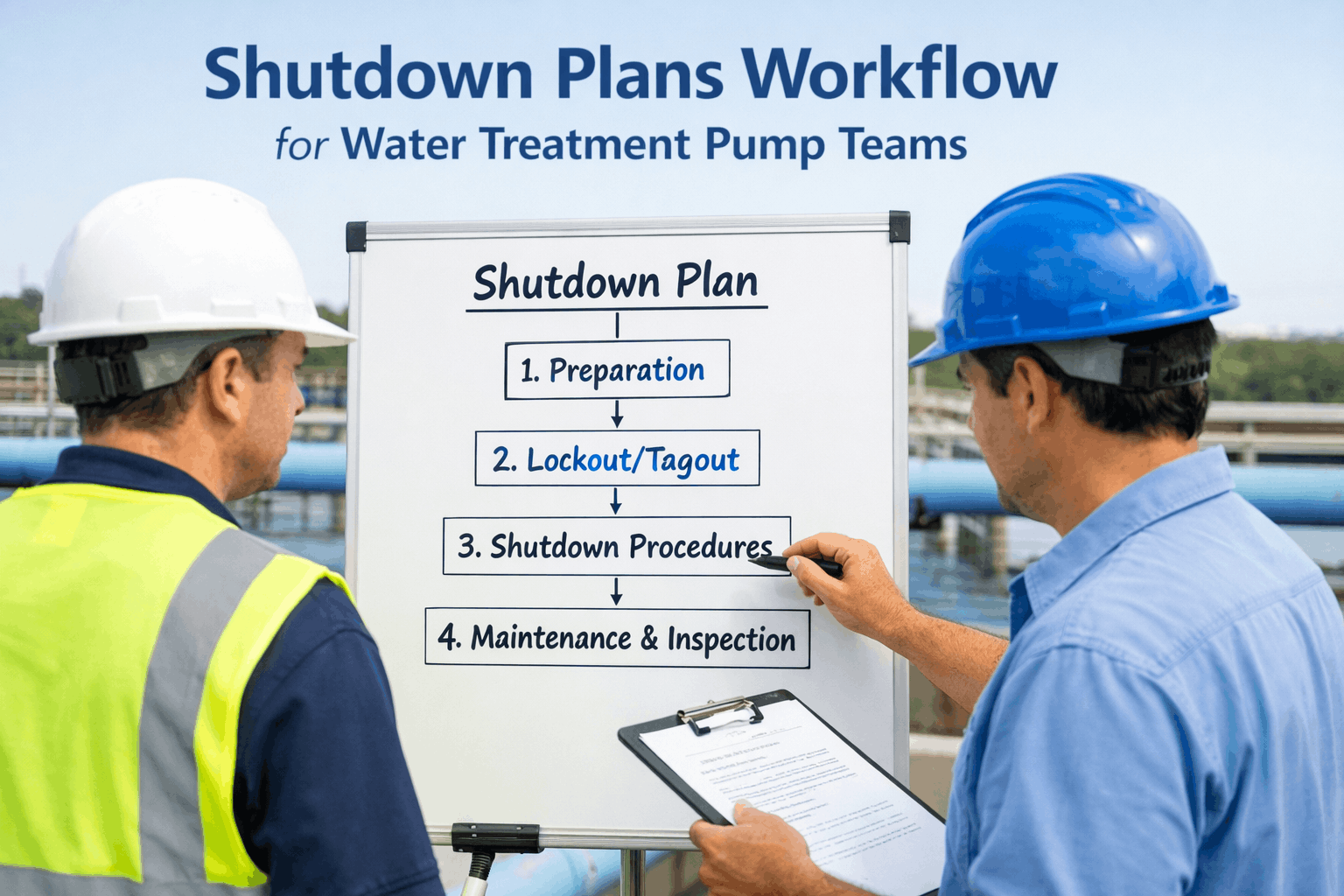
Shutdown planning for fire station equipment has evolved beyond simple calendar management into a fundamental aspect of emergency response capability. The operational reality is clear—with aging fleets, increasing call volumes, and limited budgets, departments that delay building shutdown infrastructure will find themselves scrambling to maintain coverage with unreliable coordination. The departments positioned for success are those treating shutdown planning not as an administrative task but as an operational framework that simultaneously maintains response capability, satisfies compliance requirements, and optimizes maintenance resources.
The path forward requires investment in digital infrastructure that connects apparatus maintenance directly to coverage outcomes. Coordinated shutdown planning through integrated CMMS platforms provides the foundation for reliable operations—transforming manual scheduling into automated workflows, converting certification due dates into proactive coverage planning, and enabling the predictive maintenance that extends apparatus life while maintaining readiness. For fleet managers facing aging apparatus, constrained budgets, and expanding compliance requirements, the choice between manual coordination and automated systems increasingly resembles the choice between continuous struggle and sustainable readiness. The departments that will achieve their operational goals are building the systems to coordinate that readiness today. Departments ready to take the first step toward coordinated shutdown infrastructure can begin building their digital foundation now—the future of fire station readiness starts with the coordination you implement today.