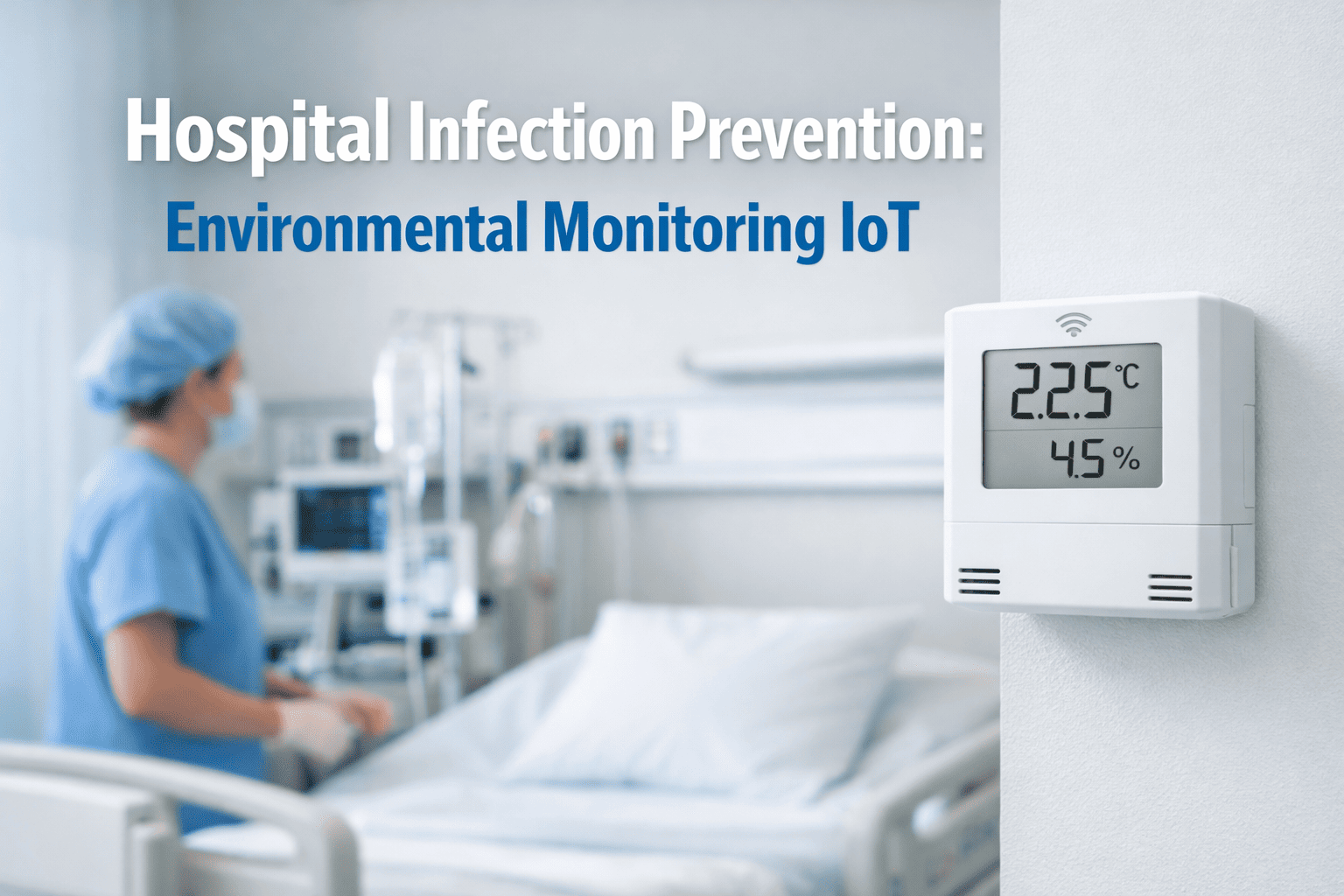
A single hospital-acquired infection (HAI) outbreak — undetected by manual environmental rounds, undocumented in a retrievable audit record — costs a US hospital an average of $28,400 per case in direct treatment costs, plus CMS reimbursement penalties that compound across every affected patient. In 2024, 67 percent of Joint Commission surveys at acute care facilities identified at least one environmental monitoring documentation gap tied to infection prevention protocols. The monitoring happened. The sensor readings were taken. The disinfection cycles were completed. The failure was in the connection — between what happened in the field and what was documented in a retrievable, auditable record. That gap is exactly what Oxmaint closes. Book a demo to see how Oxmaint digitizes hospital environmental monitoring, infection prevention workflows, and compliance documentation across your full facility.
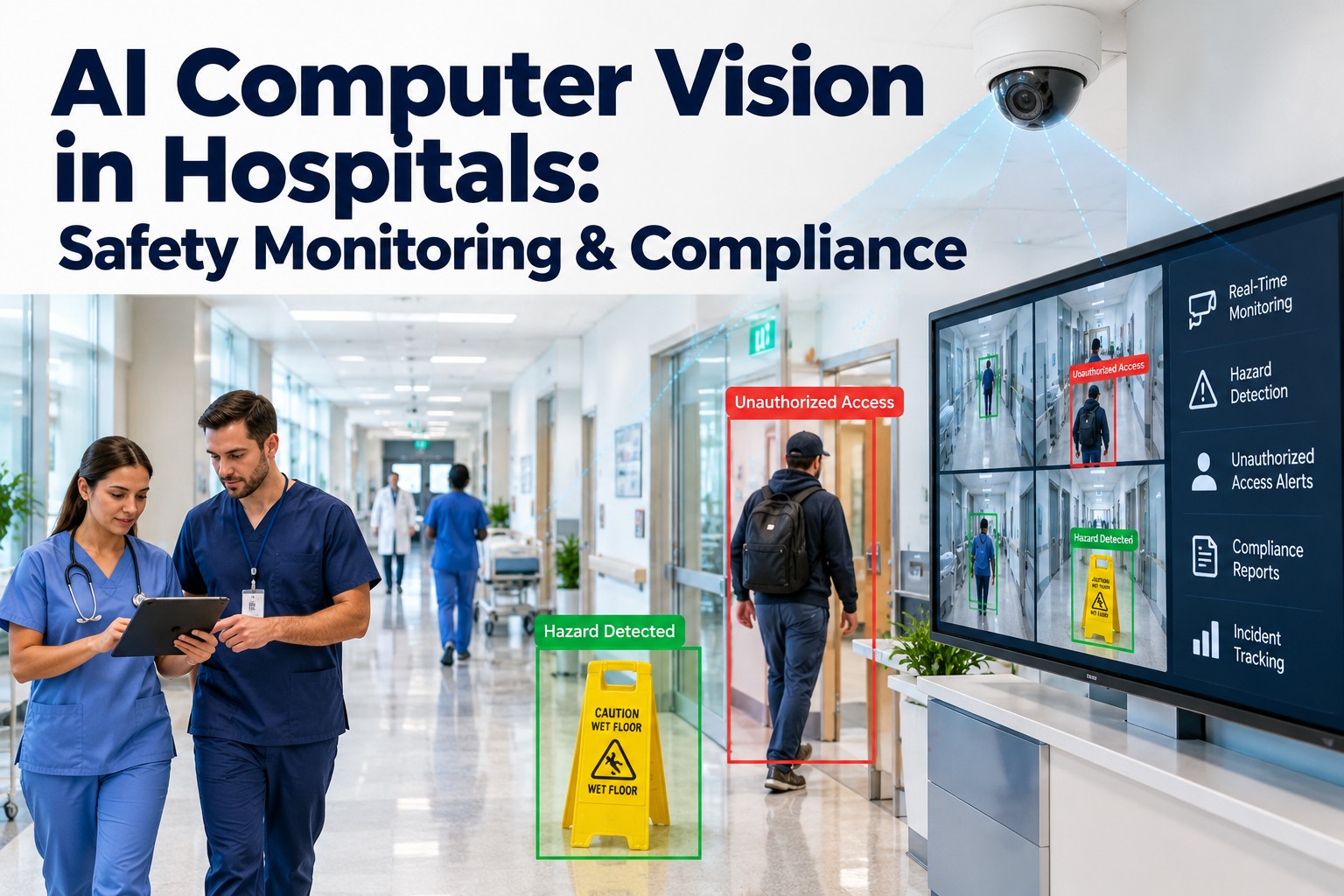
Hospital infection prevention requires documented control of four high-consequence environmental risk categories: continuous air quality and particulate monitoring in isolation and surgical suites, surface contamination tracking with UV-C disinfection verification, hand hygiene compliance monitoring at point-of-care, and HVAC pressure differential management for negative and positive pressure rooms. Oxmaint connects IoT sensor data, field inspection records, and disinfection verification into a single auditable platform — eliminating the documentation gap between field execution and regulatory evidence.
The Four Environmental Monitoring Systems Where Hospitals Carry the Highest Infection Risk
Each system carries its own regulatory obligation, documentation requirement, and failure mode when managed without real-time digital integration. Book a demo to see how Oxmaint unifies all four into a single infection prevention compliance platform.
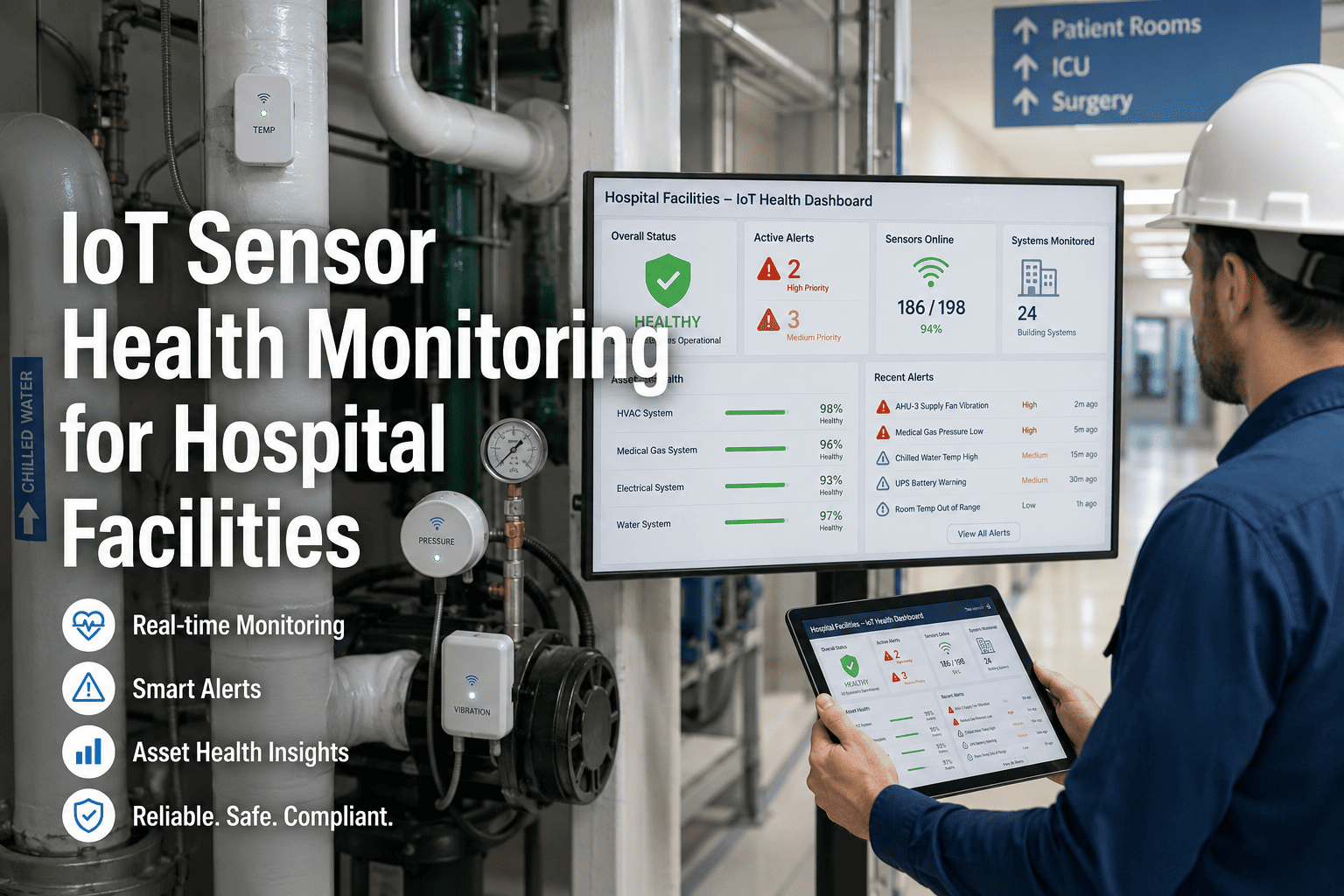
Operating rooms, bone marrow transplant units, burn units, and airborne infection isolation rooms require continuous particulate count monitoring, air change rate verification, and pressure differential documentation. IoT air quality sensors in Oxmaint stream real-time data against facility thresholds — triggering escalation alerts when particulate levels, humidity, or temperature deviate from ASHRAE 170 parameters before a patient safety event occurs.
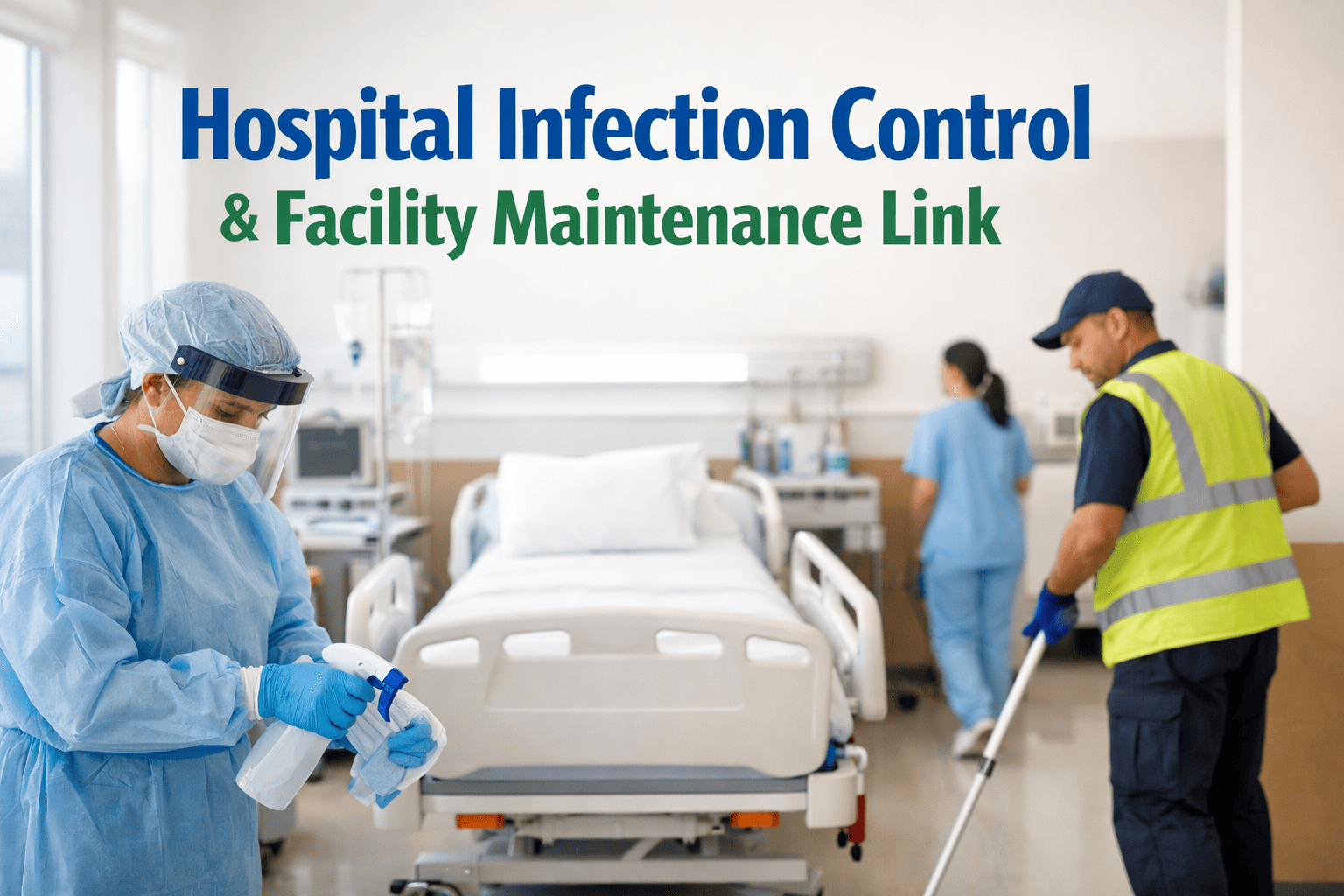
High-touch surface contamination in patient rooms, procedural areas, and ICUs is the primary vector for C. difficile, MRSA, and VRE transmission. UV-C disinfection cycle completion — logged with room ID, dose delivery confirmation, and technician sign-off — is the audit evidence regulators and accreditors require. Oxmaint captures UV-C device telemetry, surface ATP bioluminescence readings, and room turnover verification in a single timestamped record per room per cycle.
Hand hygiene compliance below 80% is independently associated with a 35% increase in HAI incidence across acute care settings. IoT dispenser monitoring and point-of-care sensor systems connected through Oxmaint track compliance rates by unit, shift, and role — providing the auditable documentation Joint Commission surveyors require for NPSG.07.01.01, and the operational data infection preventionists need to target interventions before rates decline to reportable thresholds.
Negative pressure isolation rooms, positive pressure protective environment rooms, and surgical suite pressure differentials require continuous IoT monitoring with documented verification logs — not periodic manual checks. A single undetected pressure reversal in an airborne infection isolation room creates an immediate patient and staff exposure event. Oxmaint integrates with HVAC IoT sensors to stream pressure differential data, log exceedances automatically, and route corrective action work orders to facilities engineering within minutes of a parameter breach.
Every Sensor Reading. Every Disinfection Cycle. Every Compliance Record — Captured Automatically.
Oxmaint connects IoT environmental sensors, UV-C device telemetry, and field inspection records into a single audit-ready platform — eliminating manual transcription and documentation gaps that create Joint Commission findings. Book a demo to see the environmental monitoring workflow configured for your facility's infection prevention program.
Oxmaint Implementation Roadmap — Hospital Environmental Monitoring
A structured deployment connects your facility's IoT sensors, disinfection equipment, and compliance workflows into a fully operational digital infection prevention platform — without disrupting patient care operations or existing environmental service protocols.
Every high-risk patient care area, isolation room, surgical suite, and procedural zone classified in Oxmaint's asset hierarchy with its environmental monitoring category, regulatory standard reference, and alert threshold profile. Existing IoT sensor infrastructure mapped to room and zone records. HVAC monitoring points, UV-C device inventory, and hand hygiene dispenser locations registered with inspection schedules and calibration due dates.
Air quality sensors, pressure differential monitors, UV-C device telemetry, and hand hygiene dispenser data streams integrated into Oxmaint's real-time monitoring dashboard. Environmental service staff access room cleaning verification checklists and disinfection confirmation forms via QR-scanned room tags — completing documentation at the point of work, not reconstructed later. Corrective action work orders routed automatically to facilities engineering when sensor thresholds are breached. Book a demo to see the IoT integration and mobile workflow for your EVS and facilities teams.
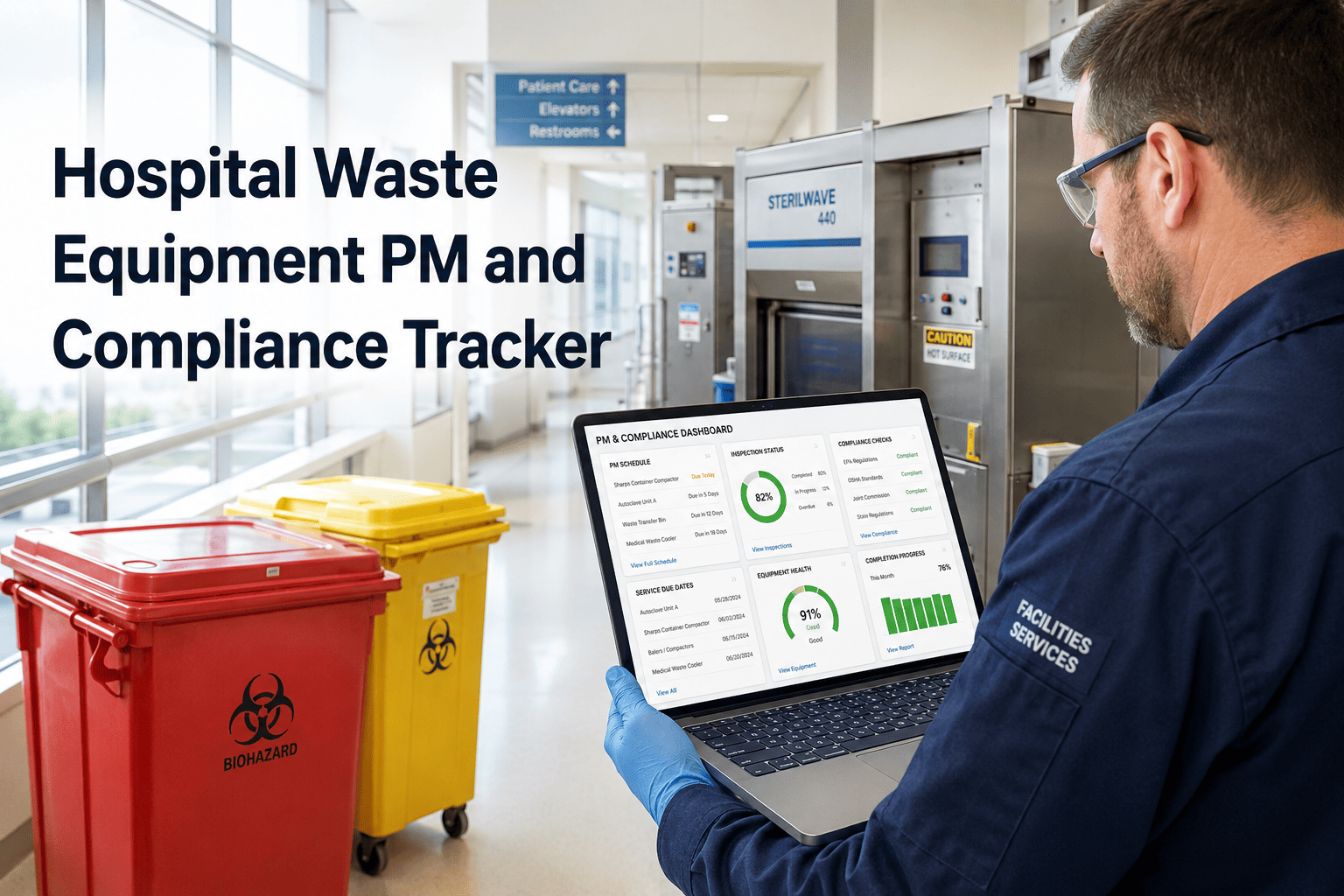
Oxmaint infection prevention dashboard activated showing real-time environmental compliance rates, pressure differential exceedance history, UV-C cycle completion rates, hand hygiene compliance by unit and shift, and open corrective action status. Infection preventionist, EVS director, and CNO views configured with role-appropriate data scope. Automated escalation to department heads when compliance thresholds fall below Joint Commission-required benchmarks.
All environmental monitoring records, disinfection verification logs, corrective action closure evidence, and NPSG compliance data exportable in formats required for Joint Commission surveys, CMS Conditions of Participation reviews, and state health department inspections. Infection prevention committee reporting generated automatically from Oxmaint records — no manual assembly before the surveyor arrives.
Regulatory Compliance Coverage by Framework
Hospitals operating across multiple states and accreditation frameworks face different environmental monitoring obligations per regulatory body. Oxmaint's compliance templates are pre-configured for each primary framework.
| Framework | Primary Standards | Key Environmental Requirements | Oxmaint Coverage |
|---|---|---|---|
| Joint Commission (TJC) | NPSG.07.01.01 Hand Hygiene, EC.02.05.01 Utility Systems, IC Standards, Environment of Care Chapter | Hand hygiene compliance documentation, HVAC pressure differential logs, air quality monitoring records, infection control risk assessment evidence | NPSG-aligned compliance tracking, EC utility monitoring integration, automated IC survey documentation export, corrective action closure management |
| CMS / CoP | 42 CFR §482.42 Infection Control, HAC Reduction Program, Value-Based Purchasing, Hospital-Acquired Condition reporting | Infection control program documentation, HAI surveillance records, environmental cleaning verification, CMS CoP-required corrective action evidence | CMS CoP-aligned infection control documentation, HAI linkage tracking, VBP penalty exposure monitoring, corrective action closure with timestamped evidence |
| CDC / HICPAC | CDC HICPAC Environmental Infection Control Guidelines, Healthcare Infection Control Practices, MDRO Prevention Guidelines | Environmental surface monitoring records, MDRO contact precaution documentation, UV-C disinfection verification, environmental culture sampling logs | HICPAC-aligned environmental monitoring checklists, UV-C cycle verification records, MDRO room tracking, environmental sampling schedule management |
| ASHRAE / FGI | ASHRAE 170-2021 Ventilation for Healthcare Facilities, FGI Guidelines for Design and Construction, ANSI/ASHRAE/ASHE Standard 170 | Pressure differential continuous monitoring, air change rate verification, temperature and humidity parameter logs, surgical suite environmental compliance records | ASHRAE 170 parameter threshold monitoring, continuous pressure differential IoT integration, air change rate compliance reporting, surgical suite environmental records |
| DNV / HFAP / NIAHO | DNV GL NIAHO Accreditation Standards, HFAP Healthcare Facilities Accreditation, ISO 9001-aligned hospital quality requirements | ISO 9001-based infection prevention documentation, continuous quality improvement evidence for environmental programs, corrective and preventive action records | ISO 9001-aligned CAPA management, infection prevention KPI trend documentation, continuous improvement evidence export, multi-accreditor compliance mapping |
TJC, CMS, CDC, and ASHRAE 170 — One Digital Compliance Platform
Whether your facility operates under Joint Commission accreditation, CMS Conditions of Participation, or DNV NIAHO standards — Oxmaint pre-configures the correct monitoring templates, alert thresholds, and audit exports for your regulatory framework. Book a demo to see multi-framework infection prevention compliance configuration for your health system.
Oxmaint vs Competing Platforms — Hospital Infection Prevention Monitoring
Most general-purpose CMMS platforms manage work orders — they do not manage IoT-integrated environmental monitoring, UV-C disinfection verification, or Joint Commission infection prevention documentation configured for acute care operations.
| Capability | Oxmaint | MaintainX | UpKeep | Fiix | Limble | IBM Maximo | Hippo CMMS | Infor EAM |
|---|---|---|---|---|---|---|---|---|
| IoT air quality & pressure monitoring integration | Yes | Partial | No | No | No | Custom | No | Custom |
| UV-C disinfection cycle verification records | Yes | No | No | No | No | Custom | No | Custom |
| Hand hygiene compliance tracking per unit | Yes | No | No | No | No | Custom | No | No |
| Joint Commission NPSG audit documentation export | Yes | Partial | Partial | Partial | Partial | Yes | Partial | Yes |
| HVAC pressure differential exceedance alerting | Yes | No | No | No | No | Custom | No | Custom |
| Infection prevention CAPA management | Yes | No | No | Partial | No | Yes | No | Partial |
| Room-level disinfection verification via QR tag | Yes | Generic | Generic | No | Generic | Custom | No | Custom |
| Deployment in weeks without IT project | Yes | Yes | Yes | Varies | Yes | No | Yes | No |
Infection Prevention KPI Benchmarks — Acute Care Hospitals
Outcomes — Hospitals Using Oxmaint Infection Prevention Monitoring
These results are drawn from acute care and health system deployments where Oxmaint's IoT-integrated environmental monitoring replaced paper-based infection prevention documentation programs within the first year of operation.
From 64% to 99% Disinfection Verification — in 60 Days
Hospitals that connect IoT environmental monitoring to Oxmaint's digital compliance platform close the documentation gap before the next Joint Commission survey — not after. Book a demo to see your current infection prevention compliance gaps identified in the first deployment session.
Oxmaint Platform Capabilities — Hospital Infection Prevention
Real-time air quality, particulate count, pressure differential, temperature, and humidity data streamed from existing IoT infrastructure — with automated alerts when parameters breach ASHRAE 170 or facility-defined thresholds.
UV-C device cycle telemetry captured with room ID, dose delivery confirmation, and EVS technician sign-off — room turnover verified in Oxmaint before next patient placement, with auto-archiving against room asset record.
Dispenser IoT sensor data aggregated by unit, shift, and care role — compliance rates trended against NPSG.07.01.01 benchmarks, with automated alerts when unit rates fall below intervention thresholds before they reach reportable levels.
Nonconformance findings, corrective actions, and preventive action closure tracked against Joint Commission and CMS requirement timelines — automated escalation to infection preventionist and CNO when deadlines are at risk.
Infection prevention rounding checklists completed on mobile via room QR tags — findings, observations, and follow-up actions captured at the point of rounding, archived automatically against the room and unit record.
Health system-level infection prevention KPIs aggregated across all campuses — CNO and VP Patient Safety views showing real-time disinfection rates, pressure differential compliance, hand hygiene trends, and open corrective actions by facility.
Frequently Asked Questions
Close the Infection Prevention Documentation Gap — Before the Next Survey
IoT environmental monitoring, UV-C disinfection verification, hand hygiene compliance tracking, and Joint Commission CAPA management — all live in Oxmaint within 5 to 7 weeks, no IT project required. Book a demo with your infection prevention and facilities leadership and see the full environmental monitoring workflow configured for your facility's compliance program.