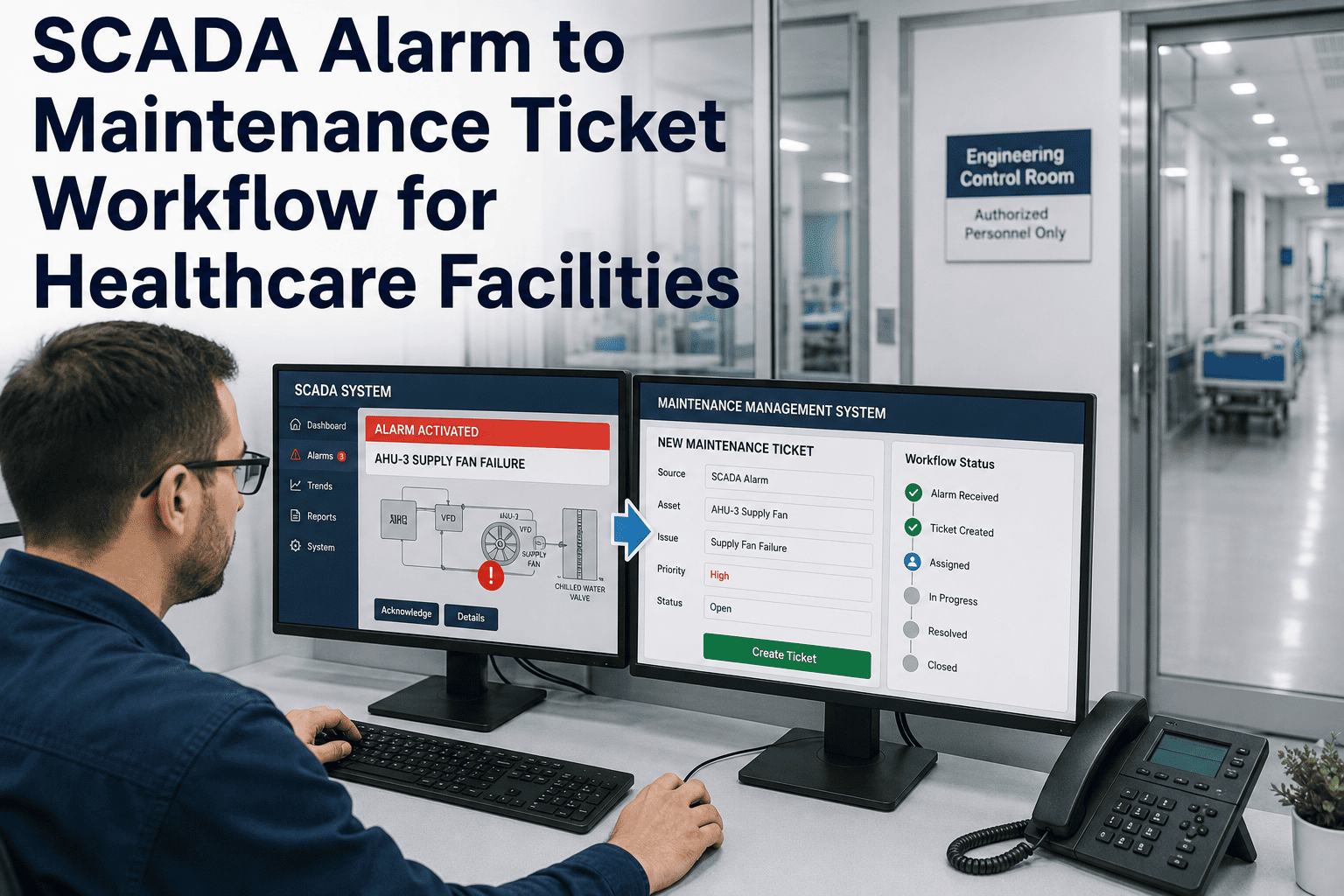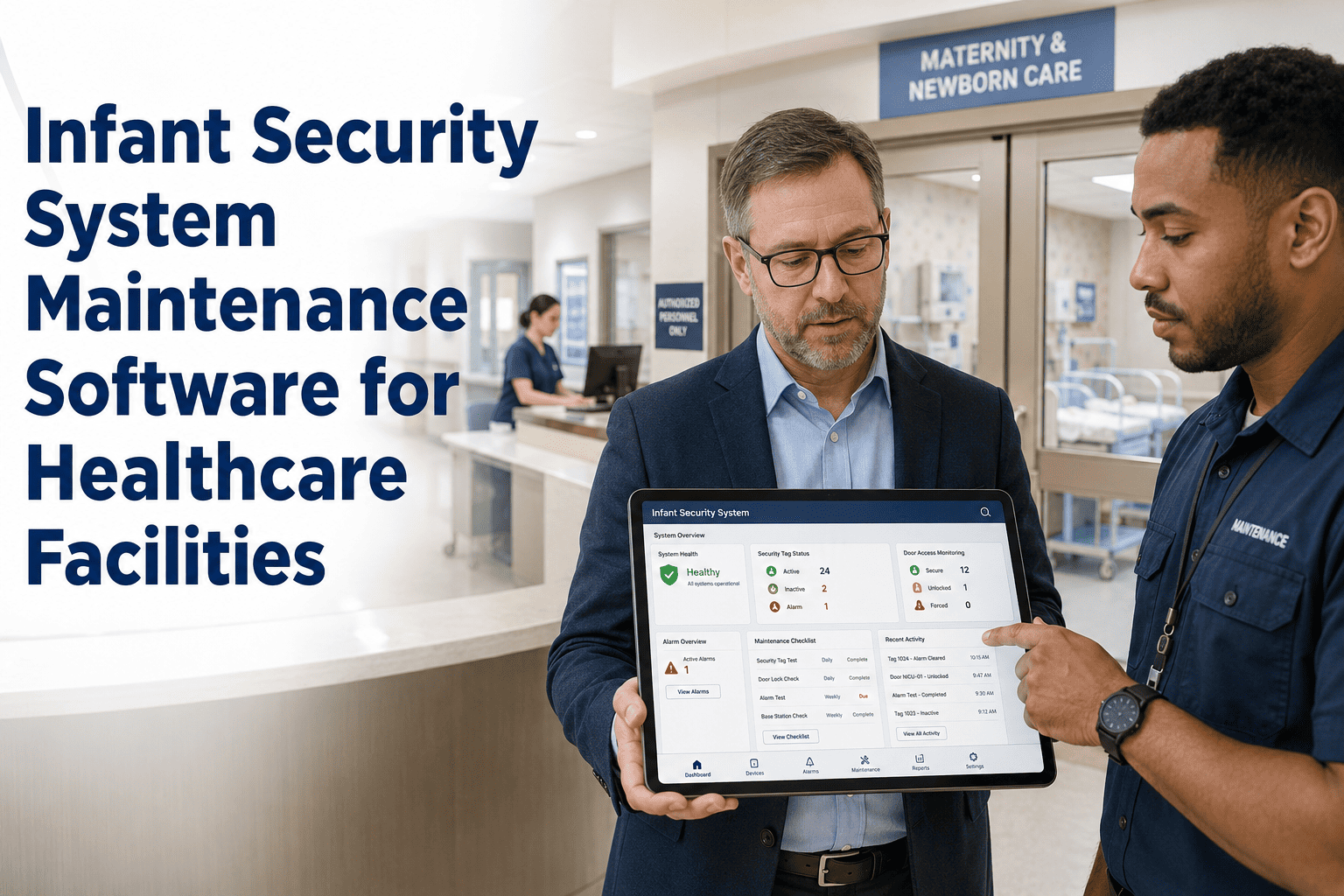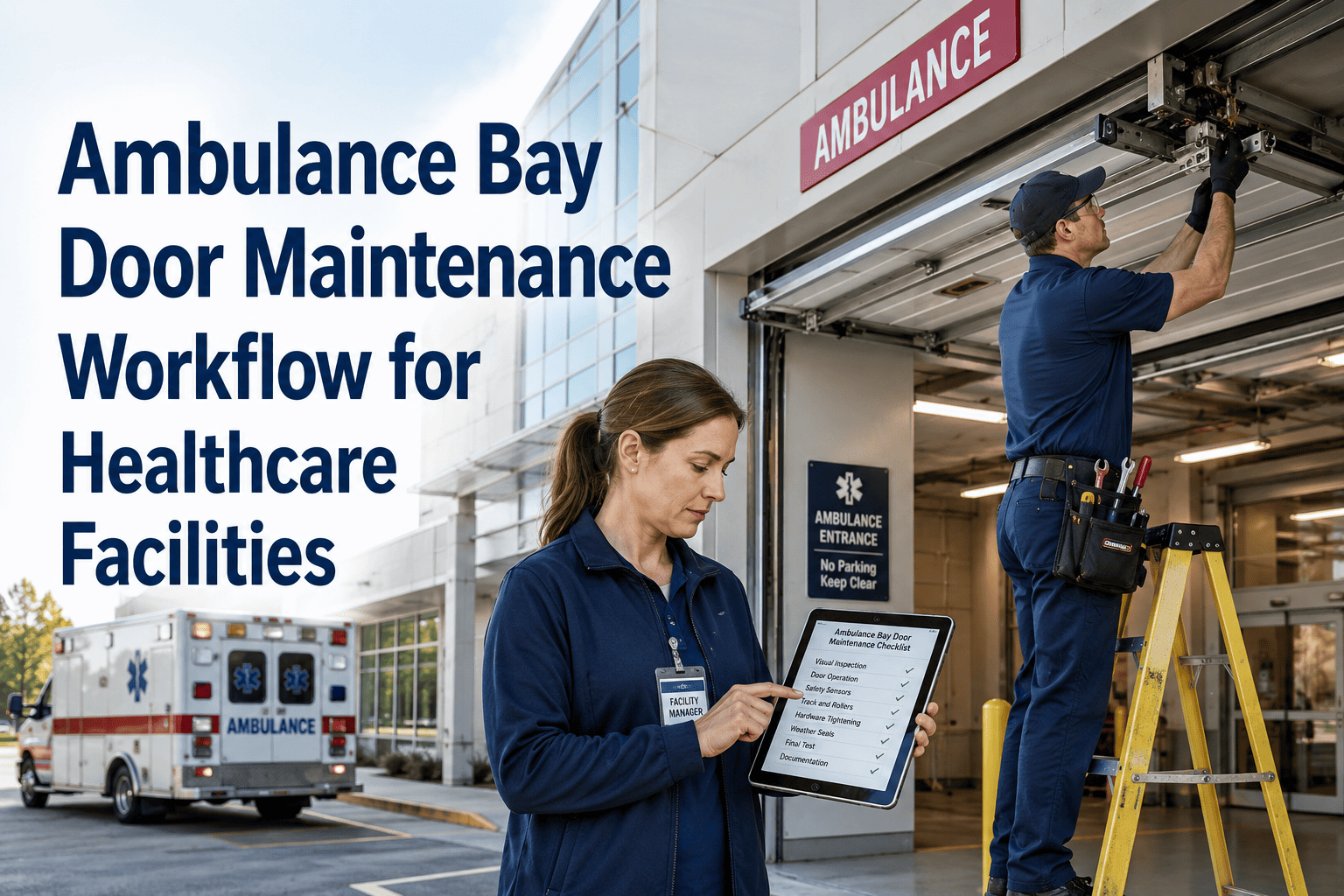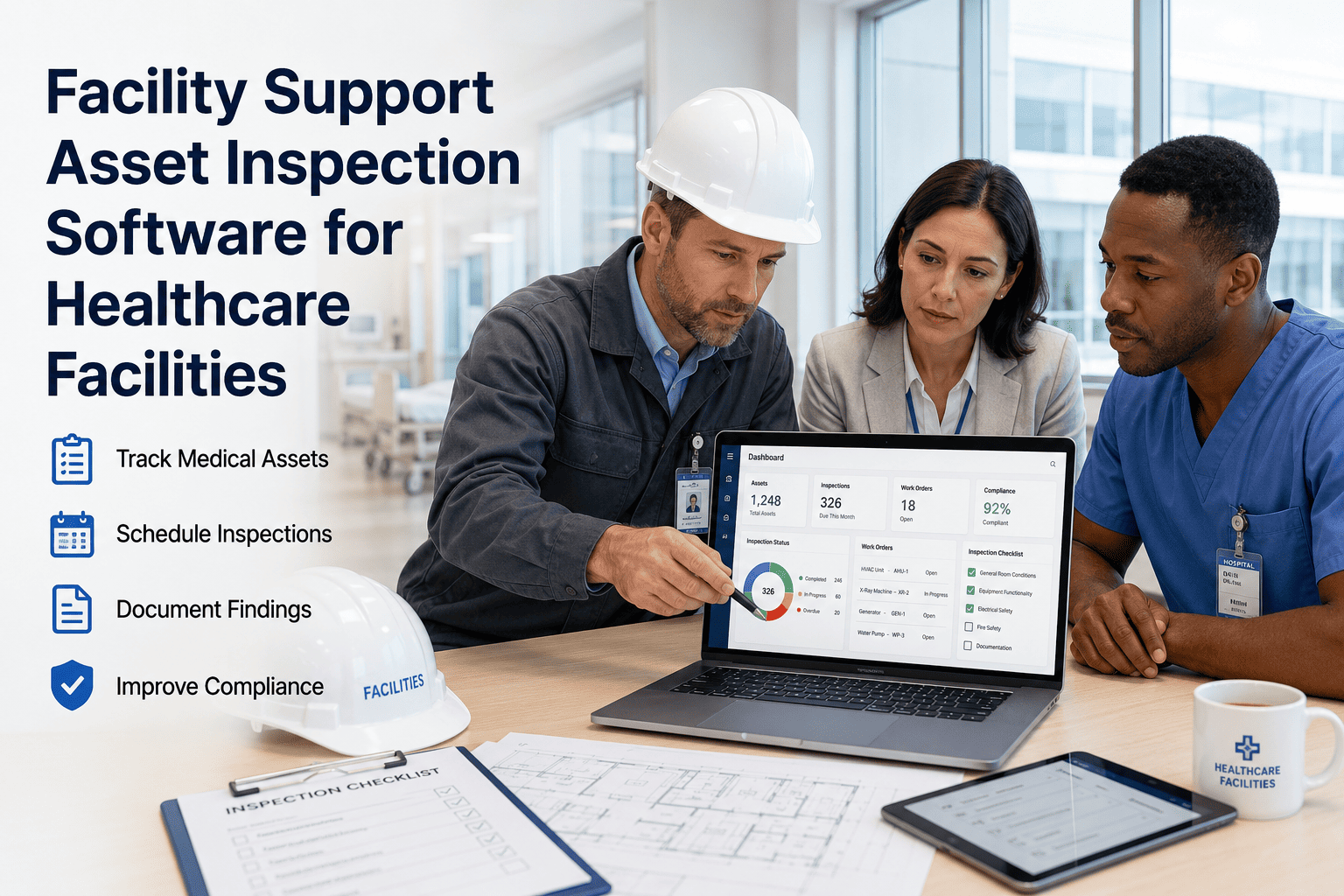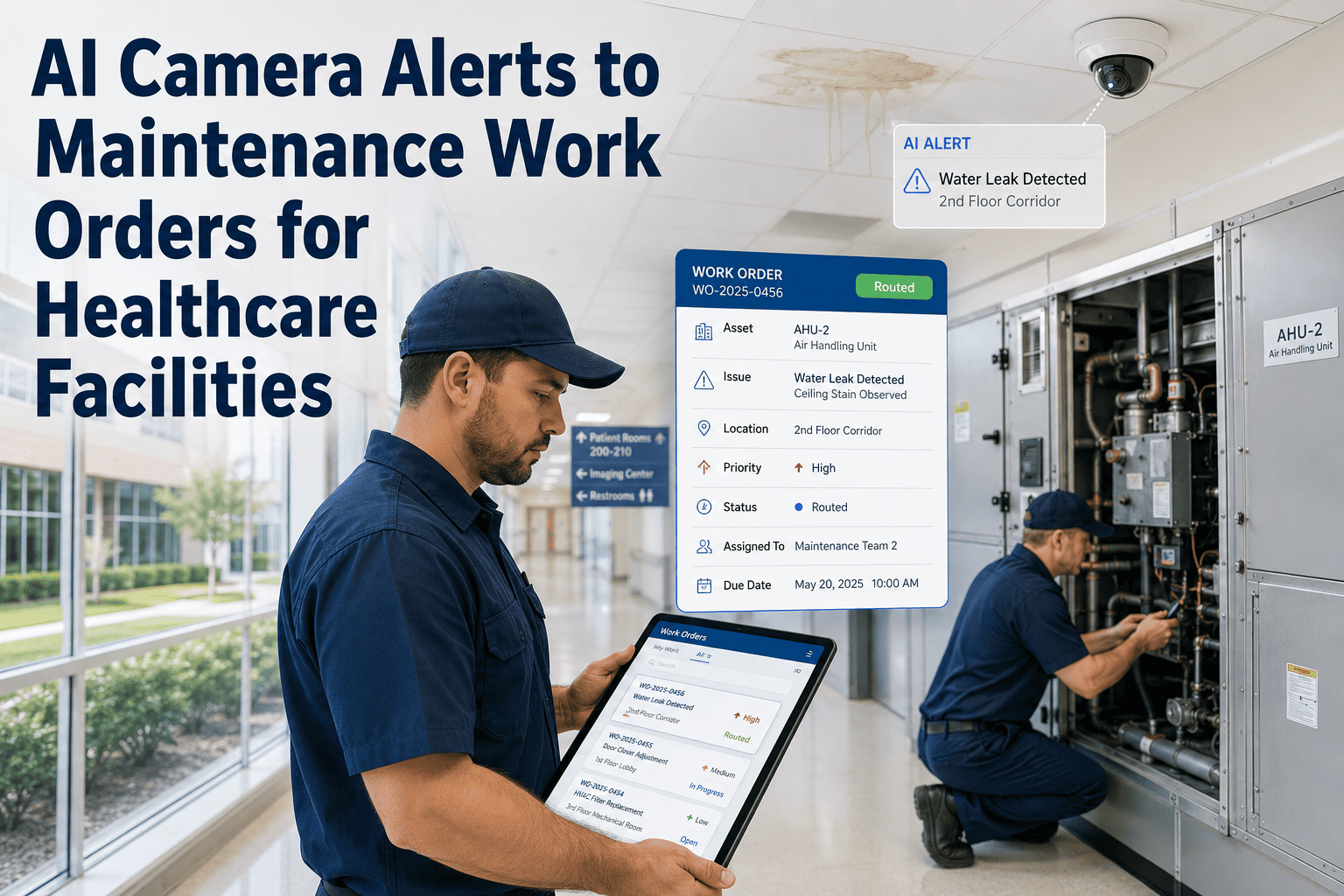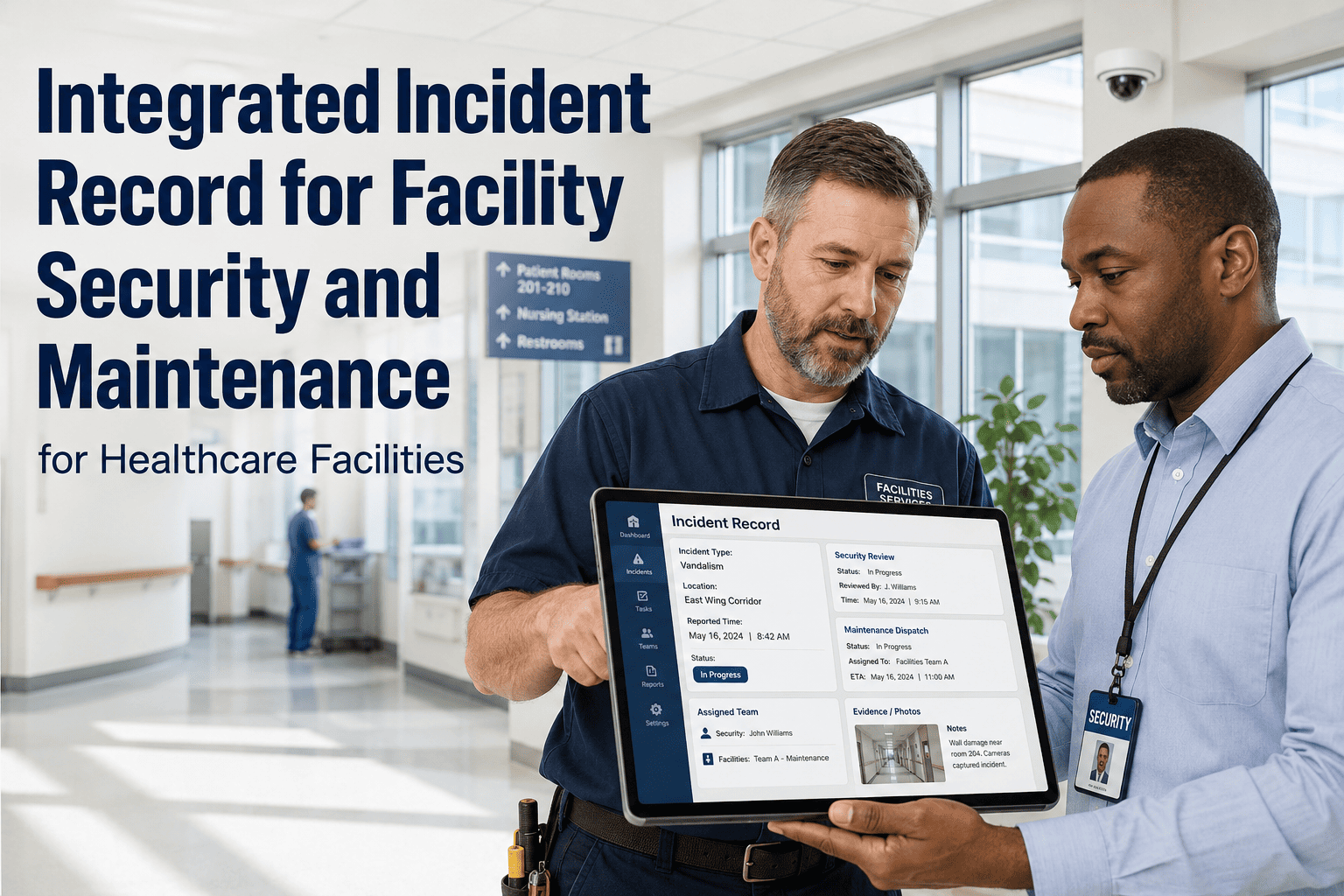
When a security event touches a physical asset — a door that failed, a corridor that flooded, a system that triggered a safety alert — it creates two records that almost never connect: a security log and a maintenance ticket. The gap between them is where liability lives. Integrated incident records for facility security and maintenance mean that every event, regardless of which department detected it, flows into a single traceable record with assigned tasks, escalation evidence, and an audit trail that survives regulatory scrutiny. For healthcare facilities, where security events often intersect with patient safety and compliance obligations, this integration is not optional — it is the standard auditors and accreditation bodies expect. OxMaint automates the incident record from the moment a security event is detected through task assignment, inspection proof, escalation logging, and healthcare audit-ready documentation. Book a demo to see how integrated incident management works in practice.
Integrated Incident Record for Facility Security and Maintenance
One record per event — from security detection to maintenance task assignment, escalation, inspection proof, and healthcare audit documentation.
Where Disconnected Records Create Risk
What a Complete Incident Record Contains in OxMaint
Why Integrated Records Matter for Healthcare Audit Readiness
What Healthcare Facility Leaders Say
Every time a security event resulted in a maintenance repair, we had two systems with two half-records and no way to connect them for an auditor. The liability exposure from that gap is real. Moving to a unified incident record where the security event, the maintenance task, and the closure proof all live in one place eliminated a compliance risk we had accepted for years without realizing it.
Joint Commission surveyors want to follow a thread from event to resolution. When security and maintenance records were separate, that thread was cut in the middle. With integrated incident records in OxMaint, we hand surveyors a complete chain — detection, dispatch, escalation, proof, closure — and the questions stop there.
Frequently Asked Questions
How does OxMaint connect security system events to maintenance work orders?
OxMaint integrates with access control, camera management, and alarm systems via API to receive security events. Each event is mapped to the relevant facility asset, and a work order is generated automatically with the security event data embedded — creating a unified record from the moment of detection. Book a demo to review your security system compatibility.
Can we configure escalation rules for different types of security-maintenance incidents?
Yes — OxMaint's escalation rules are fully configurable by asset type, incident category, time of day, and severity level. A life safety door fault at 3 AM escalates differently from a routine access log anomaly, and the escalation path — who is notified, in what sequence, and within what timeframe — is defined by your team. Start free to configure your escalation matrix.
How does the integrated incident record support Joint Commission Environment of Care surveys?
OxMaint produces a complete, exportable incident record that includes detection source, asset linked, task assigned, escalation log, inspection photos, parts documentation, and closure timestamp. This record satisfies TJC EC chapter documentation requirements and can be filtered, sorted, and exported for survey preparation or ongoing audit readiness. Book a demo to see the audit export builder.
What inspection proof can technicians capture on-site within the OxMaint incident record?
Technicians use the OxMaint mobile app to capture photos, video clips, meter readings, parts used, and free-text resolution notes — all automatically attached to the incident work order and timestamped at the moment of capture. This proof is stored in the incident record permanently and is accessible for future audits or root cause reviews. Start free to see mobile evidence capture in action.
Close the Gap Between Security and Maintenance — On Every Incident
OxMaint creates one complete, timestamped, evidence-backed incident record for every security-to-maintenance event — so your facility team and your auditors see the same complete picture.