A Marriott-flagged property in Charlotte lost its brand certification renewal because 34% of guest rooms showed bathroom grout in poor condition, three exhaust fans were inoperable, and two rooms had active caulk failures allowing moisture into subfloor assemblies. The physical plant director had no documented bathroom inspection program — just a reactive work order system that only saw problems after guests reported them. Six rooms were taken out of service for emergency remediation at $4,200 per room. The brand audit failure required a $340,000 capital investment to pass recertification within 90 days. Every one of those failures had been visible and preventable for months. Hotels using Oxmaint to run systematic bathroom inspection and asset tracking programs catch caulk failures, fan degradation, and grout deterioration during scheduled PM visits — not during brand audits or after guest complaints.
Guest Experience · Asset Management · Inspection Management
Hotel Bathroom Renovation & Maintenance Guide: Maximizing ROI and Guest Impressions
Bathrooms are the single highest-impact room element in guest satisfaction surveys. A cracked tile, moldy grout line, slow drain, or flickering vanity light can define a guest’s entire stay review. This guide covers every bathroom system — from daily inspection protocols to capital renovation planning — so your property never loses a review, a brand audit, or a guest to a bathroom failure.
72%
of hotel guests inspect bathroom condition before unpacking
#1
bathroom condition is the top room element in negative online reviews
48hrs
for mold colonization to begin on wet surfaces with failed ventilation
200:1
average cost ratio of reactive vs. preventive bathroom maintenance
The Core Problem
Bathrooms Degrade Silently — and Guests Report Them Loudly
The fundamental challenge with hotel bathroom maintenance is that most failure modes are invisible to staff during standard housekeeping turns. A grout line begins absorbing moisture six months before it visually darkens. An exhaust fan bearing wears for weeks before noise becomes noticeable. Caulk at the tub surround begins micro-cracking before any visible gap appears. By the time these failures are obvious to a housekeeper, they have been allowing damage to progress for months.
Reactive bathroom maintenance — fixing what guests report — is the most expensive approach a property can take. It produces the maximum guest impact at maximum repair cost, because conditions that were a $15 caulk repair at month three become a $4,000 subfloor replacement at month eight. Oxmaint’s inspection management tools create structured monthly bathroom PM schedules that find these conditions during the $15 window, not the $4,000 window.
Key Finding
85%
of hotel bathroom failures that generate negative online reviews show visible precursor signs during the 60–90 days before the guest-facing failure. A structured monthly inspection program catches every one of them.
Build your inspection schedule →
6-System Inspection Framework
Every Bathroom System. Every Inspection Frequency. Every Failure Mode Caught.
A hotel bathroom contains six distinct systems, each with its own maintenance rhythm and failure signature. Treating bathroom maintenance as a single “clean and check” task misses the inspection depth each system requires. Oxmaint creates separate inspection tasks per system with photo verification and technician sign-off built into each work order.
FIX
Fixtures & Fittings
Inspect: Monthly | Deep service: Annually
01Inspect faucet aerators for calcium buildup and test full hot/cold flow range — partially blocked aerators signal incoming pressure complaints
02Test showerhead spray pattern and pressure — scale-blocked heads are the most-photographed bathroom complaint in negative reviews
03Inspect toilet flush performance, fill valve sound, and visible tank internals — a running toilet wastes 200 gallons per day silently
Common failure: Scale-blocked showerhead — guest photographs and posts before checkout. Replace head or descale: $12. Guest review recovery cost: $0 if prevented.
TIL
Tile, Grout & Caulk
Inspect: Monthly | Reseal grout: Every 24 months | Recaulk: As needed
01Inspect all grout lines for discoloration, cracking, and moisture absorption — darkened grout at floor-wall junctions indicates water infiltration behind the tile surface
02Check all caulk joints at tub surround, shower base, and floor-wall transitions for cracking, shrinkage, or separation — this is the single highest-impact bathroom inspection point
03Inspect tile edges, corners, and transition strips for chipping, cracking, or separation — sharp tile edges are a guest injury and liability risk
Common failure: Caulk separation at tub surround allows water into subfloor. Re-caulk cost: $15. Subfloor replacement after 6 months of water ingress: $3,000–$6,000.
VNT
Ventilation & Exhaust
Inspect: Monthly | Clean fan: Quarterly | CFM test: Bi-annual
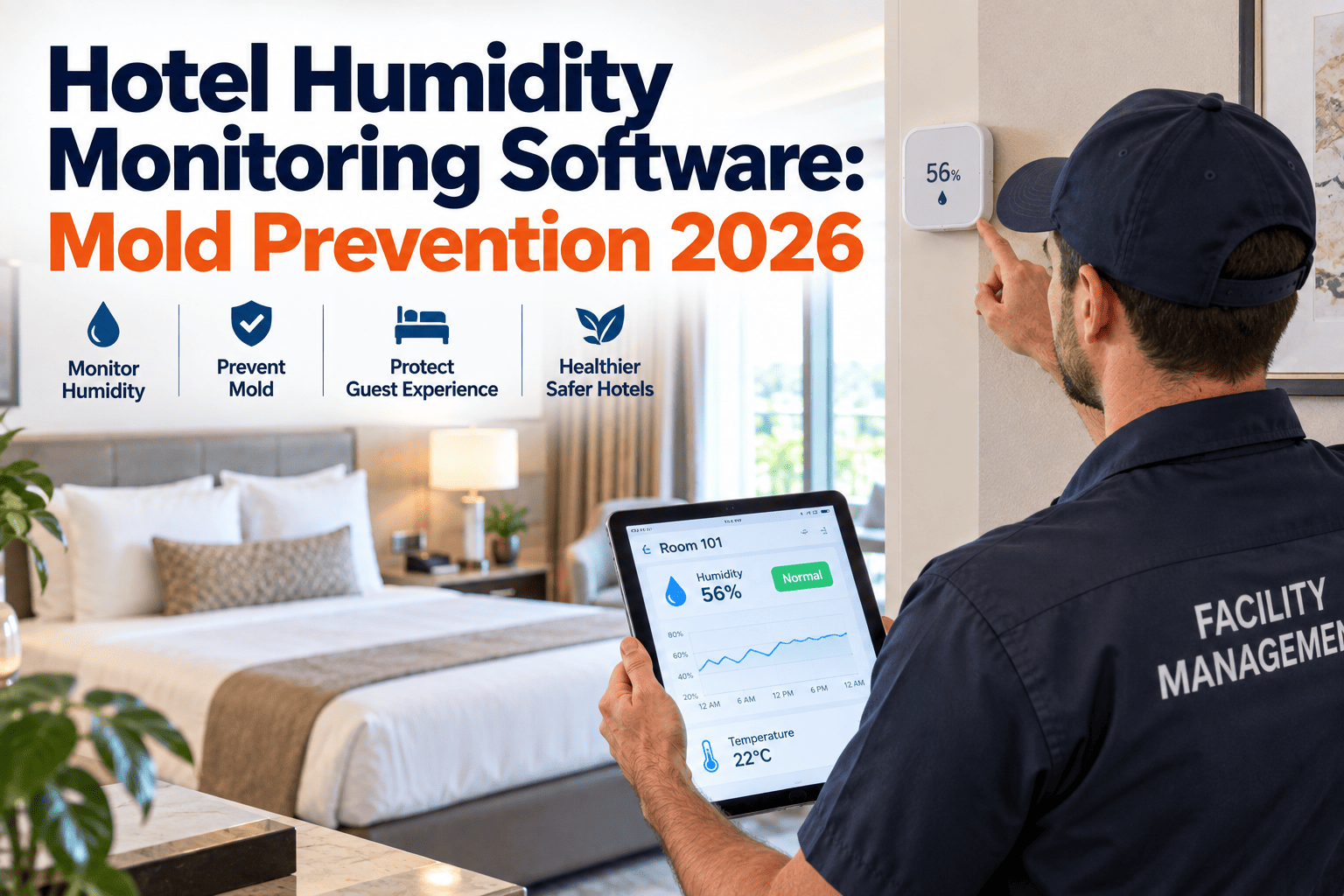
01Test exhaust fan operation and airflow — verify audible operation and tissue-test CFM. A fan that sounds operational but moves insufficient air allows mold within 48 hours of wet occupancy
02Clean fan grille and blade assembly quarterly — dust-clogged fans can deliver as little as 30% of rated airflow while appearing to run normally
03Inspect ductwork connection at fan housing for disconnection or blockage — disconnected exhaust ducts vent moisture into ceiling plenum, accelerating mold growth above the ceiling tile
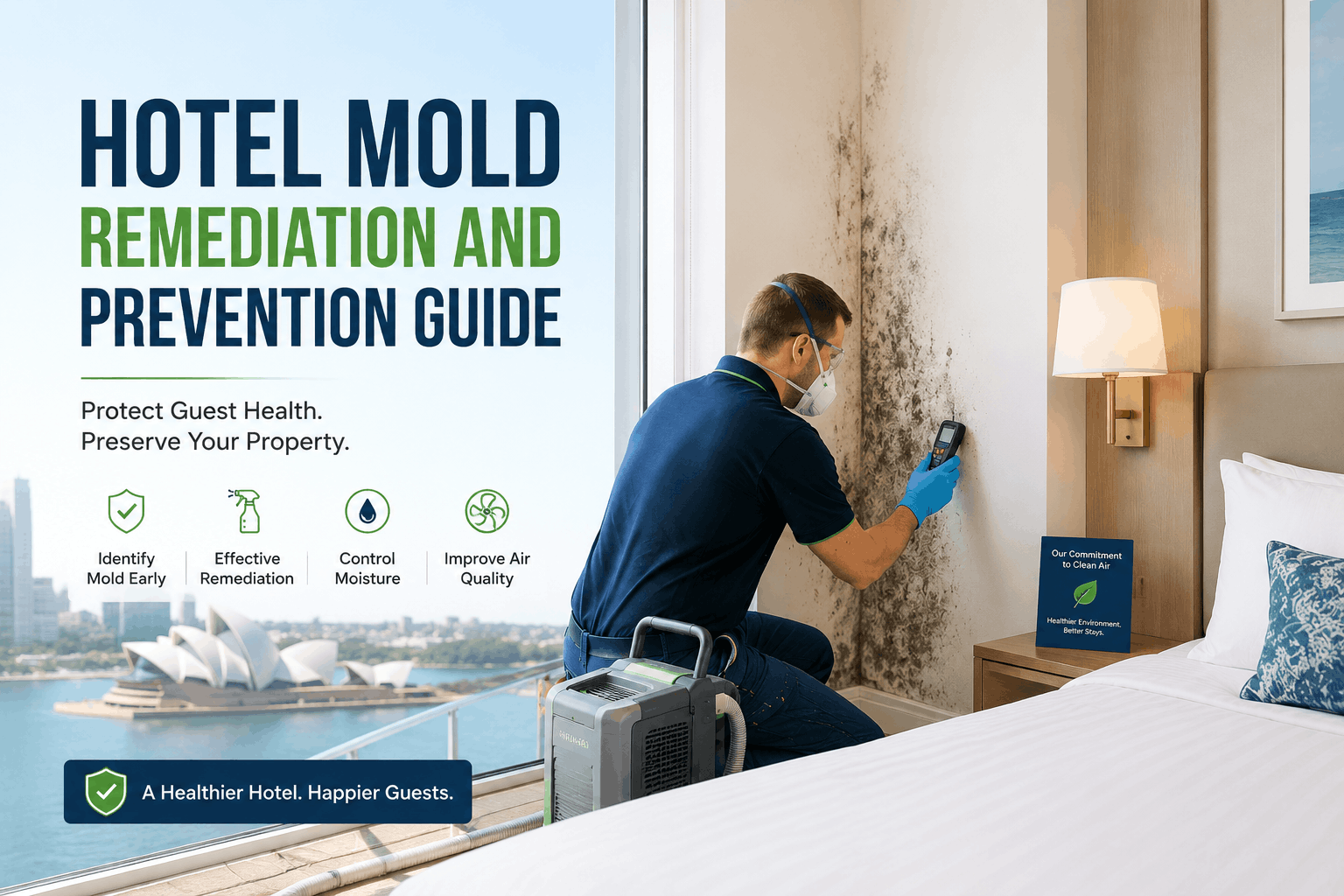
Common failure: Disconnected exhaust duct — fan appears to run normally, moisture vents into ceiling cavity. Detection: zero without inspection. Mold remediation after 90 days: $800–$2,500.
LGT
Lighting & Electrical
Inspect: Monthly | Full electrical check: Annually
01Test all vanity lighting fixtures at full brightness and check for flicker — flickering vanity lights are consistently cited in beauty and grooming complaints from business travelers
02Verify GFCI outlet function with test/reset cycle monthly — a non-functional GFCI in a wet area is a safety violation and liability risk, not just an inconvenience
03Inspect mirror and vanity surface lighting for color temperature consistency — mixed color temperatures between fixtures create unflattering light that generates guest photo complaints
Common failure: GFCI trips and stays tripped without guest notification. Next guest arrives to find no power at vanity outlets. GFCI replacement: $40. Review from business traveler who couldn’t charge devices: priceless.
PLM
Plumbing & Drains
Inspect: Monthly | Drain snake: Quarterly | Water heater: Annually
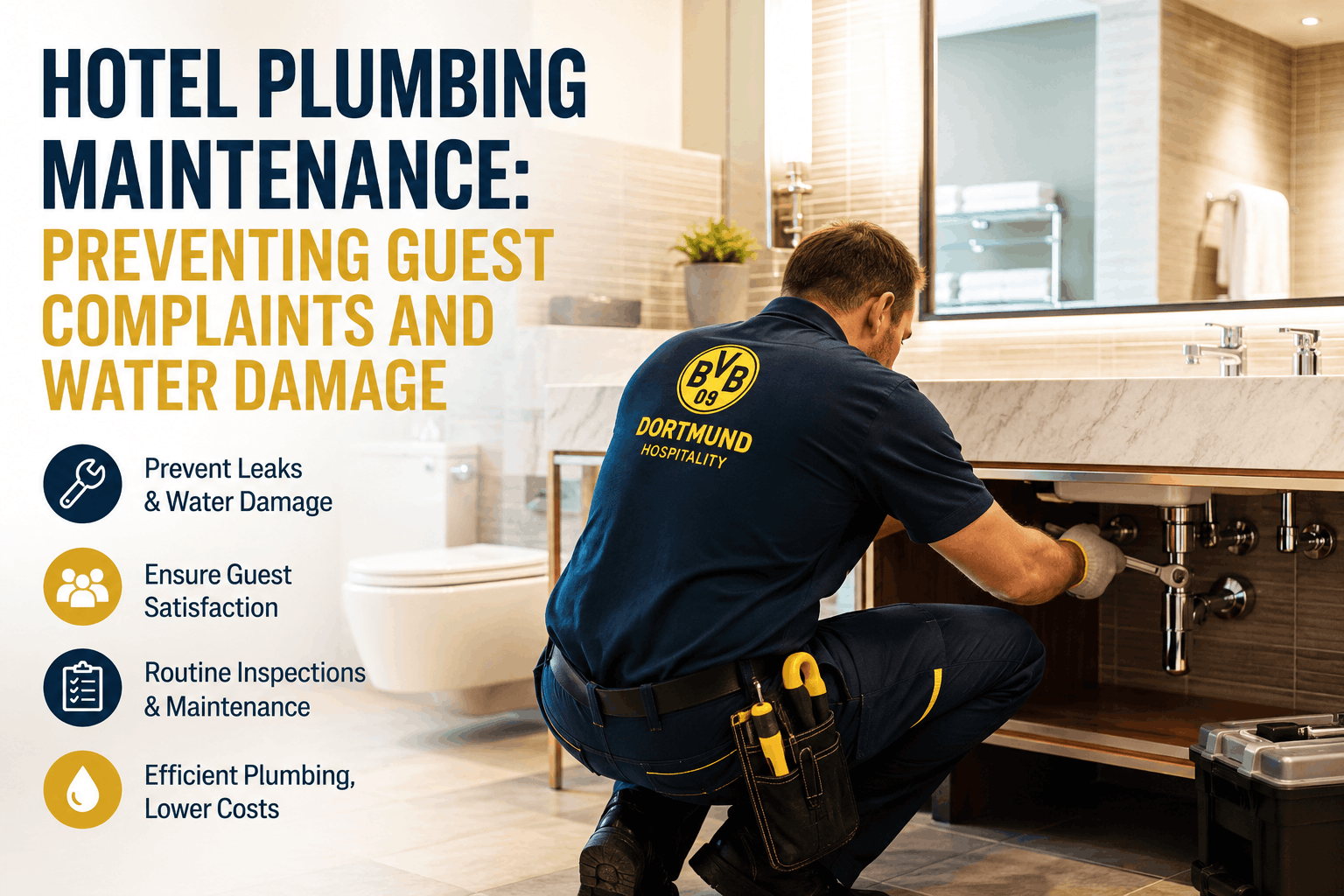
01Test drain flow rate in sink, tub, and shower — slow drain is the most commonly reported bathroom maintenance issue and the easiest to prevent with quarterly hair trap cleaning
02Inspect under-sink area and access panel for moisture, staining, or mineral deposits indicating a slow supply line or P-trap seep
03Check water temperature at full hot setting — guests expect consistent hot water; temperatures below 110°F or above 120°F generate both complaints and Legionella compliance concerns
Common failure: Slow drain discovered by guest on check-in evening. Emergency plumber after-hours: $350+. Quarterly drain maintenance: $8 in product, 10 minutes of staff time.
CLP
Cabinetry, Surfaces & Accessories
Inspect: Monthly | Refinish surfaces: Per brand schedule
01Inspect vanity cabinet doors, drawer slides, and hinges for smooth operation — stiff or binding hardware in humidity-swollen wood is the most common cabinet failure
02Check counter surface, backsplash, and under-mount sink seal for edge delamination, staining, or separation — separating counter-to-wall backsplash allows water behind the vanity
03Inspect mirror for edge fogging, silver oxidation, or frame deterioration — de-silvered mirrors cannot be polished; they must be replaced. Average cost per mirror: $120–$280
Common failure: Mirror edge de-silvering discovered during brand audit. Cannot be repaired — full replacement required. Proactive 18-month replacement cycle costs 40% less than emergency brand audit remediation.
All 6 systems. Scheduled inspection tasks per room. Photo-verified completion.
Oxmaint auto-generates bathroom inspection work orders by room, assigns them to the right technician, and tracks completion with timestamped photo evidence — the exact documentation brand auditors and insurance adjusters require. Sign in free to build your first bathroom inspection schedule.
Renovation Planning
Renovation vs. Maintenance: When to Fix, When to Upgrade, When to Replace
The most expensive bathroom decision most hotel operators make is waiting too long to renovate. Deferred renovation forces emergency replacement of individual failed elements at retail cost, one piece at a time, creating a mismatched aesthetic that communicates “neglected” to guests even after the fix. A structured renovation threshold system — tied to asset age, condition data, and brand standard requirements — enables planned bathroom capital investment at the lowest total cost. Oxmaint tracks bathroom asset age and condition history to surface renovation threshold alerts automatically.
Maintain — Scheduled PM
0–5 years from last renovation
Monthly 6-system inspection per Oxmaint schedule
Quarterly drain maintenance and fan service
Annual grout sealing and caulk refresh
Fixture hardware replacement on failure
Showerhead and faucet aerator service
Annual cost: $180–$320 per room
Selective Upgrade — Targeted Capital
6–10 years from last renovation
Replace showerhead and faucet fixtures to current brand standard
Regrout shower walls and retile floor if >20% damaged
Replace mirror and vanity lighting to LED standard
Resurface or replace tub if acrylic worn through
Upgrade exhaust fan to timer-controlled model
Selective upgrade: $1,800–$4,500 per room
Full Renovation — Capital Project
10+ years or brand audit trigger
Full tile-out and reinstall on all wet surfaces
Replace all plumbing fixtures and supply lines
Vanity, cabinet, and countertop replacement
Electrical panel, GFCI, and lighting system upgrade
Exhaust system redesign to current code
Full brand standard reset + photographic documentation
Full renovation: $8,000–$25,000 per room
Repair Priority Matrix
Bathroom Issue Priority Reference: Guest Impact vs. Repair Cost
Not every bathroom issue requires the same urgency. The matrix below maps common bathroom failures against their guest-facing impact and repair cost, helping engineering teams prioritize limited labor hours where they generate the most guest satisfaction return. Oxmaint assigns priority levels automatically based on the failure type logged in each bathroom inspection work order.
| Issue |
System |
Guest Impact |
Preventive Cost |
Reactive Cost |
Priority |
| Caulk separation at tub surround |
TIL |
Water damage, mold risk |
$15 — recaulk |
$3,000–$6,000 subfloor |
P1 Urgent |
| Exhaust fan failed or disconnected duct |
VNT |
Mold, odor, review |
$0 — reattach duct |
$800–$2,500 remediation |
P1 Urgent |
| Non-functional GFCI outlet |
LGT |
Safety, complaint |
$40 — replace outlet |
$40 + 1-star review |
P1 Urgent |
| Slow or blocked drain |
PLM |
Complaint, potential overflow |
$8 — drain treatment |
$350+ after-hours plumber |
P2 High |
| Scale-blocked showerhead |
FIX |
Pressure complaint, photo review |
$12 — replace head |
$12 + negative review posted |
P2 High |
| Mirror edge de-silvering |
CLP |
Aesthetic, brand audit |
$120–$280 — proactive replace |
$280 + brand audit penalty |
P2 High |
| Running toilet (flapper) |
PLM |
Noise, water waste, complaint |
$4 — flapper replacement |
$200+ water bill overrun |
P2 High |
| Vanity lighting flicker |
LGT |
Functional complaint |
$8–$22 — bulb/driver |
$8 + after-hours call |
P3 Standard |
Swipe horizontally on mobile to view all columns. Priority levels auto-assign in Oxmaint when each issue type is logged from a bathroom inspection checklist.
Brand Standard Compliance
Bathroom Brand Standards: What Flags Properties in Audit and How to Stay Compliant
Brand flag audits in full-service and select-service properties consistently cite bathrooms as the top source of compliance deficiencies. Marriott, Hilton, IHG, and Choice Hotels all publish bathroom standard checklists that include grout condition, caulk integrity, fixture brand specification, lighting color temperature, mirror condition, and exhaust fan CFM rating. Failing three or more bathroom standards in more than 20% of inspected rooms typically triggers a Quality Assurance Improvement Plan (QAIP) with mandatory remediation timelines.
The most common brand audit failures — grout darkening, failing caulk, dim vanity lighting, and slow drains — are not renovation issues. They are maintenance issues that a monthly inspection program prevents entirely. Book a demo to see how Oxmaint maps your inspection results to brand standard compliance reports automatically, giving you audit-ready documentation at any point in the year.
Common Brand Audit Deficiency Points
01Grout discoloration or deterioration in shower or floor
02Caulk failure at tub surround, shower base, or sink-to-wall joint
03Non-brand-standard fixture brand or finish (chrome vs. brushed nickel)
04Vanity lighting below required lux level or wrong color temperature
05Exhaust fan below required CFM rating or visible dust accumulation on grille
06Mirror with any visible de-silvering or frame deterioration
“
We had a Hilton brand audit scheduled and I thought we were fine. The auditor failed us on 14 bathroom standard points across 8 rooms — all grout, caulk, and exhaust fan conditions that had been developing for over a year. We spent $62,000 on emergency remediation in three weeks. The following month, I set up Oxmaint with monthly bathroom PM checklists for all 140 rooms. Twelve months later, our brand audit came back with zero bathroom deficiencies for the first time in our property’s history. The inspection program costs us $24 per room per year. The audit failure cost us $443 per room that one time. The math is obvious.
Director of Engineering · 140-Room Full-Service Hotel, Hilton Brand, Mid-Atlantic
Frequently Asked Questions
Hotel Bathroom Maintenance & Renovation FAQs
How often should hotel bathroom inspections be conducted?
Monthly is the minimum effective inspection interval for hotel bathroom PM. A properly structured monthly inspection covers all 6 systems (fixtures, tile/grout/caulk, ventilation, lighting, plumbing, and cabinetry) in 12–18 minutes per room. Properties that use housekeeping-only observation as their inspection program typically discover failures only after they become visible to guests — which is 60–90 days after the failure began.
Oxmaint creates and assigns monthly bathroom inspection work orders per room on a rotating schedule, with photo verification of each check point and automatic escalation for any finding that requires a work order.
What is the most important bathroom element to inspect and why?
Caulk integrity at the tub surround, shower base, and sink-to-wall joint is the single most critical bathroom inspection point. The cost asymmetry is extreme: re-caulking a failed joint costs $15–$25 and takes 20 minutes. Allowing the same failed joint to route water into the subfloor assembly for 6 months produces $3,000–$6,000 in subfloor replacement, mold remediation, and room out-of-service costs. Caulk inspection should be the first item on every monthly bathroom PM checklist. Exhaust fan operation and grout condition are the second and third highest-impact inspection points.
When should a hotel invest in full bathroom renovation vs. selective upgrades?
The renovation vs. selective upgrade decision is best driven by three factors: years since last renovation (10+ years almost always justifies full scope), condition data from your inspection history (more than 3 failing systems suggests full renovation is more cost-effective than serial repairs), and brand standard audit results (QAIP triggers from brand flags almost always require full renovation to resolve definitively). Selective upgrades in years 6–10 at $1,800–$4,500 per room typically extend bathroom life by 4–6 years at a fraction of the full renovation cost.
Oxmaint tracks bathroom asset age alongside condition history to surface renovation threshold alerts before brand audits catch them first.
How does bathroom maintenance affect hotel online reviews?
Bathroom condition is the #1 room-level factor in negative hotel reviews on TripAdvisor, Google, and Expedia. Scale-blocked showerheads, slow drains, mold or grout discoloration, and non-functional fixtures are among the most frequently photographed and posted guest complaints. The disproportionate review impact of bathroom failures compared to their repair cost makes bathroom PM the highest-ROI maintenance investment on the property. A single prevented negative bathroom review has been estimated to retain $1,200–$2,000 in future guest booking value, based on the average lifetime value of a guest influenced by review quality.
Can Oxmaint track bathroom assets and renovation timelines alongside other hotel maintenance?
Yes — this unified view is one of the primary advantages of using Oxmaint for hotel bathroom management. Every bathroom element (tub, shower, vanity, exhaust fan, tile, fixtures) is tracked as an individual asset record with its own PM schedule, inspection history, and condition notes. When your engineering team logs a bathroom PM finding, it auto-generates a corrective work order, assigns it to the right technician, and adds it to your compliance documentation. Renovation planning reports pull directly from asset age data and inspection history — giving your capital planning team the condition intelligence they need to make renovation vs. maintain decisions with real data instead of intuition.
Book a 30-minute demo to see the full bathroom asset management workflow in action.
No Credit Card Required
Every Bathroom. Every System. Inspected on Schedule. Documented for Every Audit.
Oxmaint schedules all 6 bathroom systems across every room in your property, generates monthly inspection work orders with photo-verified completion, tracks asset age for renovation threshold alerts, and stores audit-ready records for brand auditors and insurance documentation. Stop discovering bathroom failures in guest reviews and brand audits — start preventing them during scheduled PM visits.