The compressor in your walk-in freezer doesn't fail at 2 PM while your engineer is on the floor. It fails at 2 AM on a Saturday, and nobody knows until the 6 AM temperature check — by which point the question isn't "can we save it?" but "how much product do we throw away?" A single overnight failure can spoil $8,000–$25,000 of inventory, trigger a health-code violation, and leave you with no record of when the excursion began. The frustrating part: that compressor was sending warning signals for weeks. This guide shows how IoT refrigeration monitoring reads those signals early — and turns them into a work order before the loss. Start free or book a demo.
Hospitality · Cold Chain · IoT Predictive Maintenance · 2026
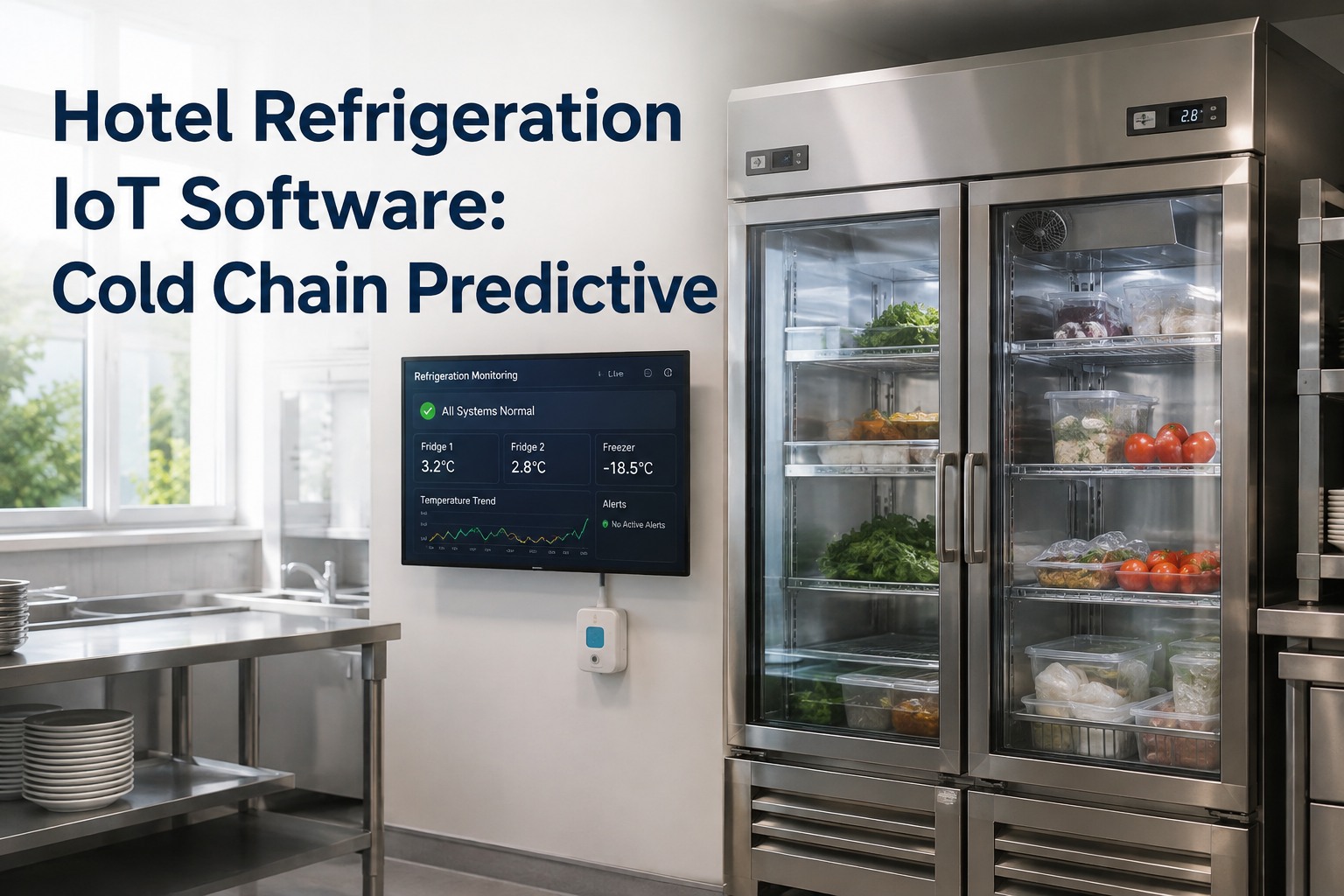
Hotel Refrigeration IoT Software: See the Failure 3–4 Weeks Before It Happens
Compressor wear, refrigerant loss, and door-seal failure all leave a signature in the sensor data weeks before the temperature ever moves. OxMaint reads that signature, scores the risk, and dispatches the fix while there's still time to plan.
6.7%
of the day a 4-check manual routine actually monitors your coolers
93.3%
blind spots where an overnight excursion develops undetected
Every Catastrophic Failure Was a Slow One First
Refrigeration equipment almost never breaks without warning — it degrades. A bearing wears, a valve leaks, a gasket hardens, refrigerant charge slips below spec. Each of those shows up as a measurable drift in current draw, vibration, suction and discharge pressure, or compressor runtime long before the box temperature climbs. Manual checks miss it because four readings a day is 96 monitored minutes out of 1,440 — the rest is guesswork. Continuous IoT monitoring closes that gap, and hotels that make the switch cut temperature-related product losses by up to 89%. Sign up free and every cooler, freezer, and reach-in reports its health every minute, not four times a shift.
The Degradation Timeline — Where Monitoring Changes the Ending
Week 4 out
First Signal
Current draw creeps up; compressor runtime ratio lengthens. Invisible to a thermometer. IoT flags the drift.
Week 2 out
Pattern Confirmed
Vibration, current, and temperature all deviate together. Multi-sensor correlation confirms a real fault — not noise.
Week 1 out
Work Order Fires
OxMaint auto-generates a WO with fault type, evidence, and recommended action — repair scheduled on a planned window.
Failure day
The Ending You Avoid
Without monitoring: 2 AM shutdown, spoiled inventory, emergency call at 3–4× planned cost, no excursion record.
Reading the Signatures: What Each Fault Actually Looks Like
"Predictive" isn't magic — it's pattern recognition against a baseline. After a few months learning each unit's normal behavior, the platform knows what specific faults look like in the data. Here's the translation from sensor signal to failure mode, and the lead time each one buys you. Book a demo to see these signatures scored live on your own refrigeration fleet.
Compressor Wear
2–6 wk lead
Current signature + vibration harmonics
Bearing wear and rotor imbalance shift the vibration frequency and raise amp draw. Combined sensors predict 70–85% of compressor failures — the single most expensive repair.
Refrigerant Loss
1–4 wk lead
Suction / discharge pressure ratio
A gradual compression-ratio shift reveals charge loss under 5% — weeks before capacity degrades. Detection runs 85–95% with time to locate the leak and recharge calmly.
Coil / Condenser Fouling
weeks lead
Delta-T + condenser approach temp
Scale and dust force longer runtimes and higher condensing temps. A shrinking delta-T trend pinpoints the optimal cleaning window before efficiency and safety drop.
Door / Gasket Failure
days lead
Door-cycle count + runtime ratio
A propped door and a hardened gasket are the two most common excursion causes. Door-open frequency and runtime ratio expose infiltration before product enters the danger zone.
The $8,000 in Seafood Was Gone Before Anyone Smelled a Problem.
The compressor had been drawing more current for three weeks. A thermometer can't see that. OxMaint reads current, vibration, pressure, and door cycles continuously, correlates them into a confirmed fault, and fires a work order weeks before the box ever warms — so the repair lands on a planned window, not the overnight loss column.
Where the ROI Actually Comes From
The signature analytics prevent the dramatic losses, but the economics stack from several directions at once — and for a busy hotel kitchen, they compound fast. Start free and the platform starts building each unit's baseline from day one.
89%
fewer temperature-related product losses with continuous monitoring vs manual checks
35–45%
reduction in unplanned downtime reported with predictive maintenance programs
25–30%
lower overall maintenance cost as reactive calls turn into planned work
3–4×
cost premium an emergency repair carries over the same job planned ahead
Predictive Signals and Compliance in One System
The same sensor streams that predict a failure also prove your food safety record. Under the FDA Food Code, TCS foods must hold at 41°F or below — and inspectors want continuous evidence, not a clipboard filled in from memory. OxMaint links the predictive layer to automated HACCP logs, so protecting inventory and passing the audit run on one platform. Book a demo to see prediction and compliance on a single dashboard.
Continuous Health Scoring
Every compressor, cooler, and freezer scored every minute against its own learned baseline — degradation surfaces as a trend, not a surprise.
Multi-Sensor Correlation
A fault is flagged only when vibration, current, and temperature deviate together. Single-sensor drift is filtered as noise, keeping false positives low enough to act on.
Anomaly-to-Work-Order
A confirmed anomaly auto-generates a work order pre-filled with fault type, affected asset, evidence chart, and recommended fix — assigned before the next shift.
Automated HACCP Logs
Continuous temperature records document every critical control point automatically, satisfying health inspectors without a single manual log entry.
Sub-Minute Excursion Alerts
If a threshold is breached, designated staff are alerted within a minute — day or night — with time to relocate inventory before it's lost.
Sensor & BMS Integration
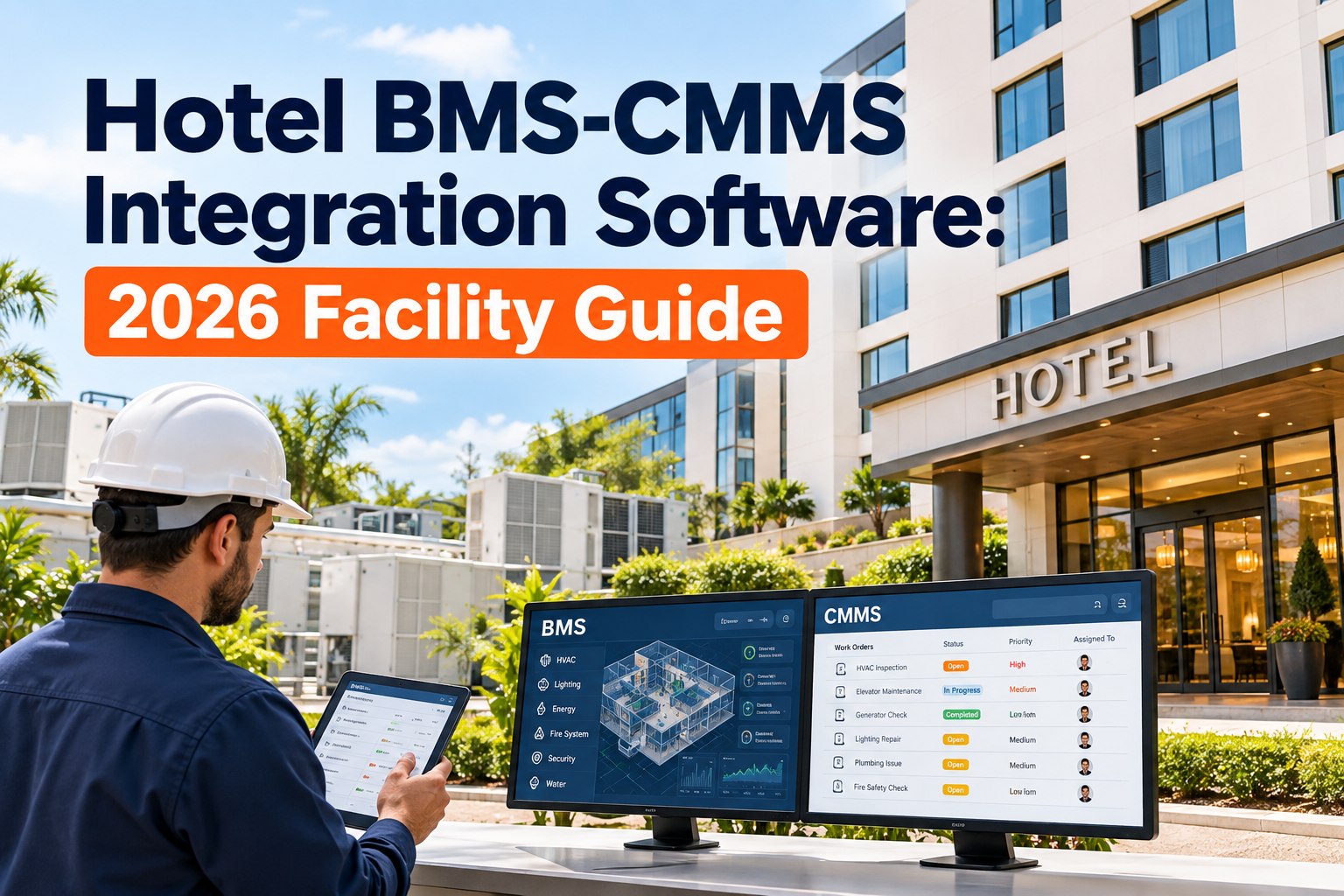
Connects to standalone IoT gateways and building systems via OPC-UA and MQTT, plus QR asset tags and offline mobile for back-of-house and rooftop units.
Set the baselines once, and every refrigeration asset across the property tells you it's failing weeks before it does — while automatically keeping the compliance record an inspector will ask for. Try OxMaint free or book a demo to see it on your kitchens.
"
We lost a walk-in over a holiday weekend two years ago — eleven thousand dollars in banquet product and a very uncomfortable conversation with the health inspector about when it actually failed. Now OxMaint watches every compressor's amp draw and runtime. In March it flagged our main cooler three weeks out; the signature matched a failing start capacitor. We swapped it on a Tuesday morning for a few hundred dollars. Same failure, but this time it never touched the food, never touched the guests, and the temperature log was already there for the audit.
Chief Engineer · 320-Room Resort & Conference Hotel
Frequently Asked Questions
How far ahead can IoT predict a refrigeration failure?
It depends on the fault: compressor issues typically show 2–6 weeks out via current and vibration signatures, refrigerant loss 1–4 weeks via pressure trends, and door or gasket problems within days. Detection improves after a few months of baseline data.
Why isn't manual temperature checking enough?
Four checks a day monitor only about 6.7% of the day — leaving 93.3% blind. A 2 AM compressor failure isn't found until morning, by which point product is already lost. Continuous monitoring removes the overnight and weekend blind spots.
How does it avoid false alarms?
A fault is confirmed only when multiple sensors deviate together — vibration, current, and temperature. Single-sensor drift is filtered as noise, which is why modern platforms keep false positives low enough to act on without a specialist.
Does it help with HACCP and health inspections?
Yes. The same sensors that predict failures log temperatures continuously, creating automated HACCP records for every critical control point — documentation that satisfies inspectors without manual logs.
What refrigeration assets should we monitor first?
Start with walk-in coolers and freezers — they run 24/7, carry the highest food-safety risk, and are the largest single kitchen energy load. Then extend to reach-ins, blast chillers, and minibar coolers.
Will it work with our existing sensors and systems?
OxMaint integrates with standalone IoT gateways and building automation via OPC-UA and MQTT, and adds QR asset tags plus offline mobile for units without connectivity.
Sign up free to map your assets.
Catch the Failure at Week Four, Not Saturday at 2 AM.
OxMaint reads the sensor signature of every hotel refrigeration asset, confirms real faults weeks ahead, fires the work order automatically, and keeps the HACCP record inspectors demand — so a failing compressor becomes a planned Tuesday repair instead of an overnight spoilage event. Start free — no credit card, unlimited users, forever. Or book a demo.