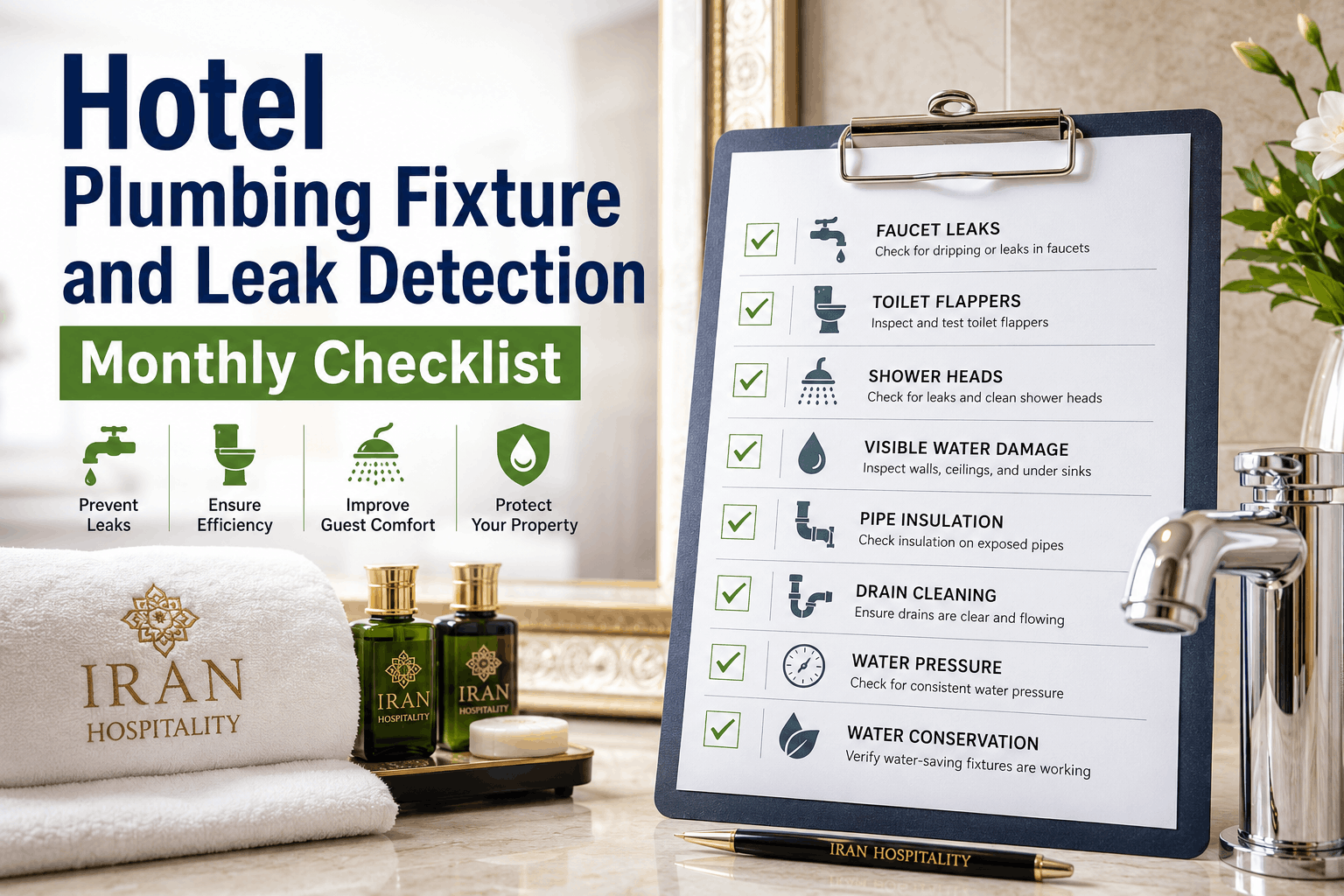
When a burst pipe floods three guest rooms at 2 AM, or when a slow leak behind bathroom walls goes undetected for months causing mold contamination and structural damagethe financial and reputational consequences are devastating—average hotel water damage claims exceed $130,000 per incident. IoT water leak detection isn't about installing basic moisture sensors; it's about deploying intelligent, connected monitoring networks that detect leaks in real time, trigger automated shutoff valves, and alert maintenance teams before minor drips become catastrophic floods. Hotels using IoT-integrated water monitoring platforms reduce water damage incidents by 85% while cutting emergency plumbing costs by 71%, transforming water management from reactive disaster recovery into proactive asset protection.
IoT Water Leak Detection Performance Data
Hotels using smart water monitoring and automated response systems
Full-Service Hotel (450 rooms)
85%Fewer Water Incidents
$312KDamage Prevented
Insurance Premium Reduction: 22%
Resort Property (280 rooms)
71%Lower Plumbing Costs
8 secAvg Alert Time
Zero Flood Events in 18 Months
Boutique Hotel Group (9 locations)
94%Leak Detection Rate
$89KAnnual Savings
Guest Disruption Reduction: 96%
Critical Water Leak Detection Zones in Hotels
Hotel water leak detection demands strategic sensor placement across five high-risk zones. Guest bathrooms require moisture sensors beneath vanities, behind toilets, and under bathtub access panels where supply line failures cause the most damage. Mechanical rooms need flow monitoring on boilers, water heaters, and HVAC condensate lines that produce slow leaks often undetected for weeks. Kitchen and laundry areas demand floor-level sensors near dishwashers, ice machines, and commercial washing equipment with high-pressure connections. Roof and ceiling spaces require humidity sensors to detect HVAC condensation, roof membrane failures, and pipe sweating before water penetrates finished surfaces. Underground and basement utility corridors need continuous monitoring on main supply lines, fire suppression connections, and sewer backflow preventers where failures create the highest volume damage.
IoT Sensor Deployment by Hotel Zone
Guest Room & Bathroom
Under-sink moisture sensors
Toilet supply line monitors
HVAC drip pan detectors
Bathtub overflow alerts
Mechanical & Utility
Boiler room flow sensors
Water heater pan monitors
Main supply line metering
Backflow preventer checks
Kitchen & Laundry
Dishwasher line sensors
Ice machine drain monitors
Commercial washer alerts
Floor drain overflow detection
Still relying on visual inspections to catch water leaks?
Effective water leak management requires an automated response chain that detects moisture, triggers alerts, activates shutoff valves, and dispatches maintenance—all within seconds of detection. Smart leak detection platforms eliminate delayed response times that turn minor leaks into major floods by connecting sensors directly to automated shutoff systems and maintenance dispatch workflows.
85% Reduction in Water Damage IncidentsReal-time detection and automated response prevent catastrophic flooding
The Business Impact of IoT Water Leak Detection
Undetected water leaks cost hotels an average of $130,000 per major incident including room-night losses, remediation expenses, and insurance deductibles. Insurance carriers increasingly require connected water monitoring as a condition for favorable premiums, with compliant properties saving 15-25% annually. Beyond direct damage prevention, IoT monitoring reduces water consumption by 18-30% through real-time usage analytics that identify running toilets, dripping faucets, and irrigation system failures invisible to manual inspection. Smart water management platforms deliver measurable ROI through damage prevention, utility savings, and insurance premium reductions that exceed system costs within the first year.
IoT Water Leak Detection ROI
Cost Avoidance
$130KAvg damage claim prevented
Single flood event costs include remediation, lost revenue, and guest compensation
15-25%Insurance premium savings
Carriers reward properties with connected water monitoring systems
18-30%Water utility reduction
Real-time analytics identify hidden waste from running fixtures and irrigation leaks
Strategic Benefits
8-second average detection time prevents escalation to major damage
Automated incident logs for insurance claims and compliance audits
Predictive analytics flag aging pipes before failure occurs
Guest satisfaction protected by eliminating water-related room disruptions
Deploy Smart Water Leak Detection Across Your Property
Stop discovering water damage after guests complain. See how hotels prevent 85% of water incidents with IoT sensors and automated response systems integrated into their maintenance platform.
Expert Perspective: IoT Water Management in Hospitality
Water Management Professional
"Before IoT sensors, we discovered water leaks when guests called the front desk or when housekeeping found soaked carpets—by then, thousands in damage was already done. After deploying connected moisture sensors across our property, we catch leaks within seconds and automated shutoff valves stop water flow before it ever reaches a guest room. Our water damage claims dropped 91% in the first year, and our insurance carrier actually reduced our premium because of the system."
— VP of Engineering, 450-Room Convention Hotel
Seconds matter, not hours. A single burst pipe releases 4-8 gallons per minute. IoT sensors with automated shutoff valves limit exposure to under 30 seconds versus the 2-6 hours typical for manual discovery and response.
Data prevents recurrence. IoT platforms track leak frequency by location, pipe age, and equipment type—enabling predictive replacement schedules that eliminate repeat failures in high-risk zones.
Hidden leaks cost the most. Slow leaks behind walls cause 68% of hotel mold remediation cases. IoT humidity sensors detect moisture accumulation weeks before visible damage appears, preventing $50K+ remediation projects.
Your Path to Smart Water Protection
Water damage prevention doesn't require tearing apart walls or overhauling plumbing systems—it requires intelligent sensor networks that monitor moisture levels continuously, trigger automated responses instantly, and integrate with your maintenance platform seamlessly. Properties achieving near-zero water damage incidents deploy IoT systems that connect detection directly to shutoff valves and work order generation. The question isn't whether your hotel will experience a water leak—it's whether your systems will catch it in 8 seconds or 8 hours.
Prevent Water Damage Before It Starts
Join hotels preventing 85% of water damage incidents with IoT leak detection. Real-time sensors, automated shutoff valves, and maintenance integration—all in one platform.
IoT water leak sensors use capacitive or resistive moisture detection technology placed at critical water points throughout the property. When moisture contacts the sensor, it transmits a wireless alert through Wi-Fi, LoRaWAN, or Zigbee protocols to a central management platform within seconds. Advanced systems include flow sensors on main supply lines that detect abnormal water usage patterns indicating hidden leaks. Sensors pair with automated shutoff valves that stop water flow immediately upon detection, limiting damage to minimal levels. Battery-powered sensors last 3-5 years, require no hardwiring, and connect to maintenance platforms that automatically generate work orders and dispatch technicians to the exact leak location.
Where should hotels place water leak detection sensors?
Priority placement includes beneath every guest bathroom vanity and behind toilets where supply line failures are most common. Mechanical rooms need sensors near water heaters, boilers, and HVAC systems. Kitchen areas require sensors under dishwashers, near ice machines, and around commercial sinks. Laundry rooms need floor-level sensors near washers and dryers. Additional placements include ceiling spaces above occupied areas, elevator pits, swimming pool mechanical rooms, and basement utility corridors. A typical 200-room hotel deploys 300-500 sensors with automated shutoff valves on main supply lines and individual floor risers for zone isolation capability.
What is the ROI of IoT water leak detection for hotels?
Hotels implementing IoT water monitoring achieve ROI within 6-12 months through multiple value streams: prevention of average $130,000 water damage claims, 15-25% insurance premium reductions for connected monitoring compliance, 18-30% water utility savings from identifying hidden waste, elimination of emergency plumbing premiums averaging $3,500 per after-hours call, and avoidance of room-night losses averaging $850 per affected room during remediation. For a 300-room property, typical system costs of $15,000-$30,000 annually deliver $75,000-$150,000 in combined savings from damage prevention, utility reduction, and insurance benefits.
Can IoT leak detection integrate with existing hotel maintenance systems?
Modern IoT leak detection platforms integrate directly with CMMS and hotel property management systems through REST APIs and webhook connections. When a sensor detects moisture, the platform automatically creates a prioritized work order in your maintenance system with exact location, severity level, and response instructions. Integration with building management systems enables automated HVAC zone isolation to prevent moisture spread. PMS integration triggers guest relocation workflows when leaks affect occupied rooms. Most platforms support integration with major hotel systems including Oracle OPERA, Amadeus HotSOS, and maintenance platforms like OxMaint within 2-4 weeks of deployment.
How does IoT water monitoring reduce hotel insurance costs?
Insurance carriers increasingly offer premium discounts of 15-25% for properties deploying connected water monitoring with automated shutoff capabilities. Carriers view IoT systems as active loss prevention that dramatically reduces claim frequency and severity. Properties must demonstrate continuous monitoring coverage, automated shutoff valve integration, 24/7 alert response protocols, and documented incident response procedures. Some carriers require specific sensor density minimums and system uptime guarantees. Beyond premium reductions, documented IoT monitoring strengthens claim positions when incidents occur by proving proactive maintenance and rapid response. Properties without connected monitoring face increasing premiums and potential coverage exclusions for water damage claims.