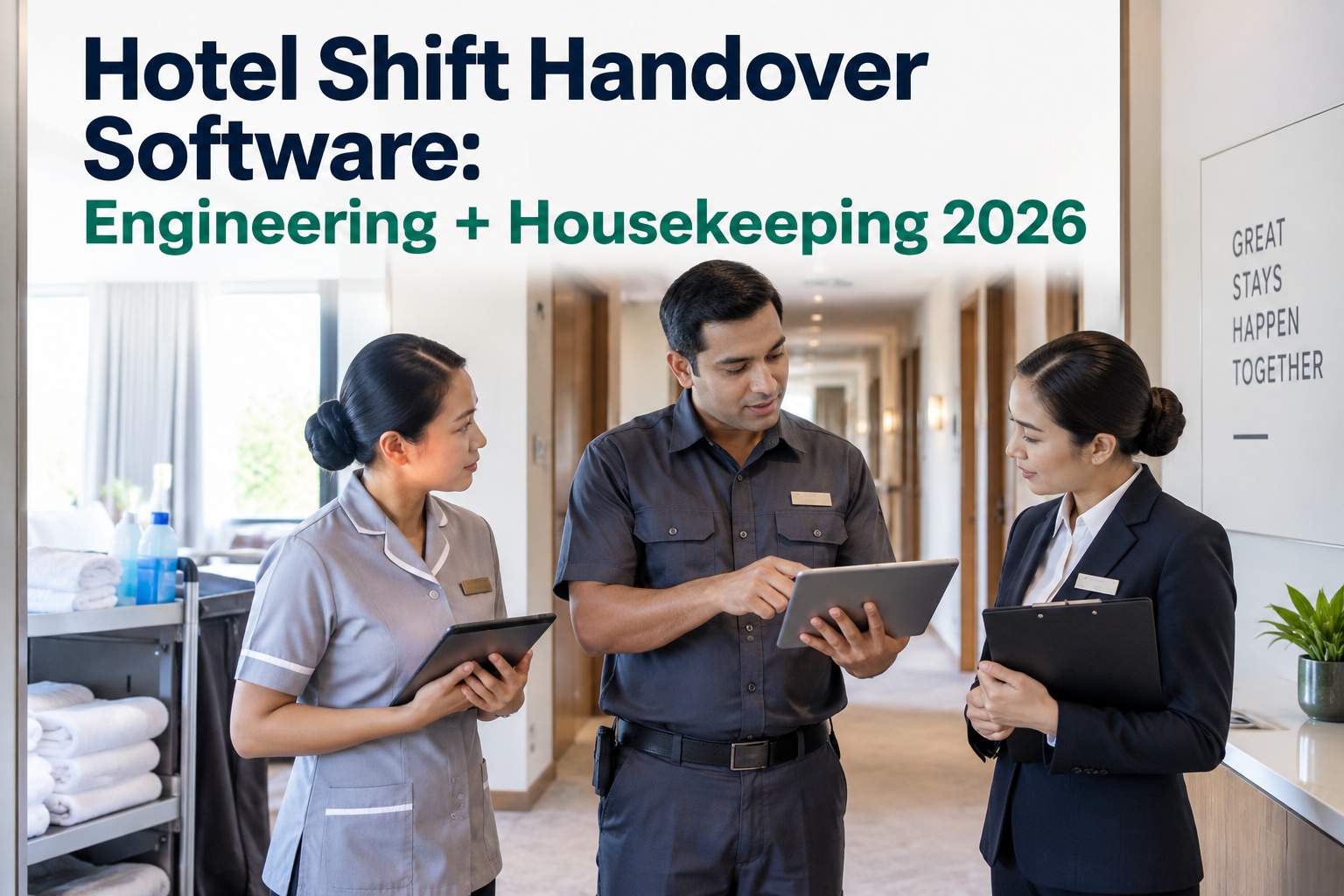
A 320-room luxury resort in the Maldives operated across six departments — front office, housekeeping, engineering, food and beverage, spa, and security — with shift information living in six separate systems. Managers used WhatsApp threads, printed briefing sheets, and verbal handovers at department level. Engineering had no visibility into guest complaints logged at the front desk. The spa team did not know when VIP arrivals were expected until the concierge called. Housekeeping was unaware of engineering tasks that had put rooms out of service until a front desk agent tried to assign one to a guest. The consequence of this fragmentation was not a single catastrophic failure — it was a constant low-level erosion of the luxury experience. Repeated requests. Surprised department heads. Service recovery events that should have been service delivery moments. When the property deployed a unified shift automation and digital logbook platform, cross-department communication errors dropped 41% in the first quarter. Guest satisfaction scores climbed from 4.2 to 4.7 on a five-point scale. Engineering response time to in-room issues fell from an average of 47 minutes to 11 minutes. And for the first time, the general manager had a single live dashboard that showed every department's shift status simultaneously — not summaries delivered the next morning.
93% of Luxury Hotel Operational Errors Originate at the Intersection of Departments — Where Shift Information Dies Between Systems
Automation does not eliminate the human element of luxury service. It eliminates the administrative failures that prevent it from being delivered consistently. The hotels that understand this distinction are pulling ahead of the ones still debating whether to automate.
The Luxury Operations Paradox: Higher Standards, More Complexity, Less Tolerance for Error
Luxury hotels operate under a paradox that mid-scale properties do not face. The service standards are higher, the guest expectations are more specific, the staff-to-guest ratio is larger, the department count is greater — and the tolerance for any visible operational gap is effectively zero. A billing error at a budget property generates a complaint. The same billing error at a property charging $1,200 per night generates a social media post, a loyalty program cancellation, and a corporate account review. The operational consequence of fragmented shift management is not proportionally larger in luxury — it is categorically different in kind.
The research is unambiguous on this: hotels that implement structured automation across shift workflows see 20% improvement in operational efficiency, 15% higher occupancy, and measurable guest satisfaction gains that directly impact rate premium sustainability. In luxury, where ADR premiums depend entirely on consistent service delivery, these numbers are not operational metrics — they are brand metrics.
Six Departments, Six Information Silos
Front office, housekeeping, engineering, F&B, spa, and security each manage their own shift information in separate systems. Guest requests that cross department boundaries — which in luxury is almost every request — require manual relay between systems where they are most likely to be lost, delayed, or incomplete.
VIP Anticipation Requires Cross-Shift Coordination
A returning VIP guest's preferences — room temperature, pillow type, preferred newspaper, dietary restrictions, anniversary recognition — must travel from reservation through front desk through housekeeping through F&B in perfect sequence before arrival. Manual handover chains fail at every link. Automated preference triggers do not.
Engineering Response Time Is a Luxury KPI
In a mid-scale hotel, a 45-minute engineering response to an in-room issue is acceptable. In a luxury property, a 45-minute response time to a guest who paid $1,500 for the night is a five-star review killer. Automated maintenance escalation from shift logs to engineering work orders is what separates 45-minute response from 11-minute response.
Management Visibility Arrives Too Late to Act
The general manager reviews what happened during yesterday's shifts. Service recovery decisions are made after guests have checked out. In luxury operations, the only useful visibility is live visibility — a unified dashboard showing every department's shift status in real time, not a morning briefing that is already eight hours stale.
Case Study Results: What Shift Automation Delivered Across Three Luxury Properties
The following outcomes are drawn from documented deployments of unified shift logbook and workflow automation platforms across full-service luxury properties. Each property entered the program with fragmented department-level shift management, paper or chat-based handovers, and measurable service delivery gaps attributable to information loss at shift transitions.
The Eight Shift Automation Capabilities That Drive Luxury Hotel Results
Not all hotel automation platforms are built for the complexity of luxury operations. The capabilities that differentiate a platform capable of delivering luxury-level outcomes from one that simply digitizes existing paper workflows are specific and measurable. These eight functions are what the case study properties above had in common — and what properties evaluating OxMaint's platform should verify before deployment.
Every department's shift status — active tasks, completed items, escalations, and handover notes — visible in one live dashboard. Management can see the operational state of the entire property in real time without a department-by-department check-in circuit.
VIP arrival triggers automatically create preparation tasks across housekeeping, F&B, engineering, and concierge — with each department's task assigned, tracked, and confirmed before arrival time. Guest preferences cascade without manual relay or supervisor follow-up.
Any in-room issue logged by housekeeping or front desk auto-generates a timestamped engineering work order — with room number, issue category, asset history, and priority scoring. Response time reduces from 45+ minutes to under 15 minutes in most luxury deployments.
Every unresolved item — guest issue, pending task, maintenance flag — carries forward automatically to the next shift with full context intact. The incoming team starts with complete situational awareness, not a verbal summary of whatever the outgoing supervisor remembered to mention.
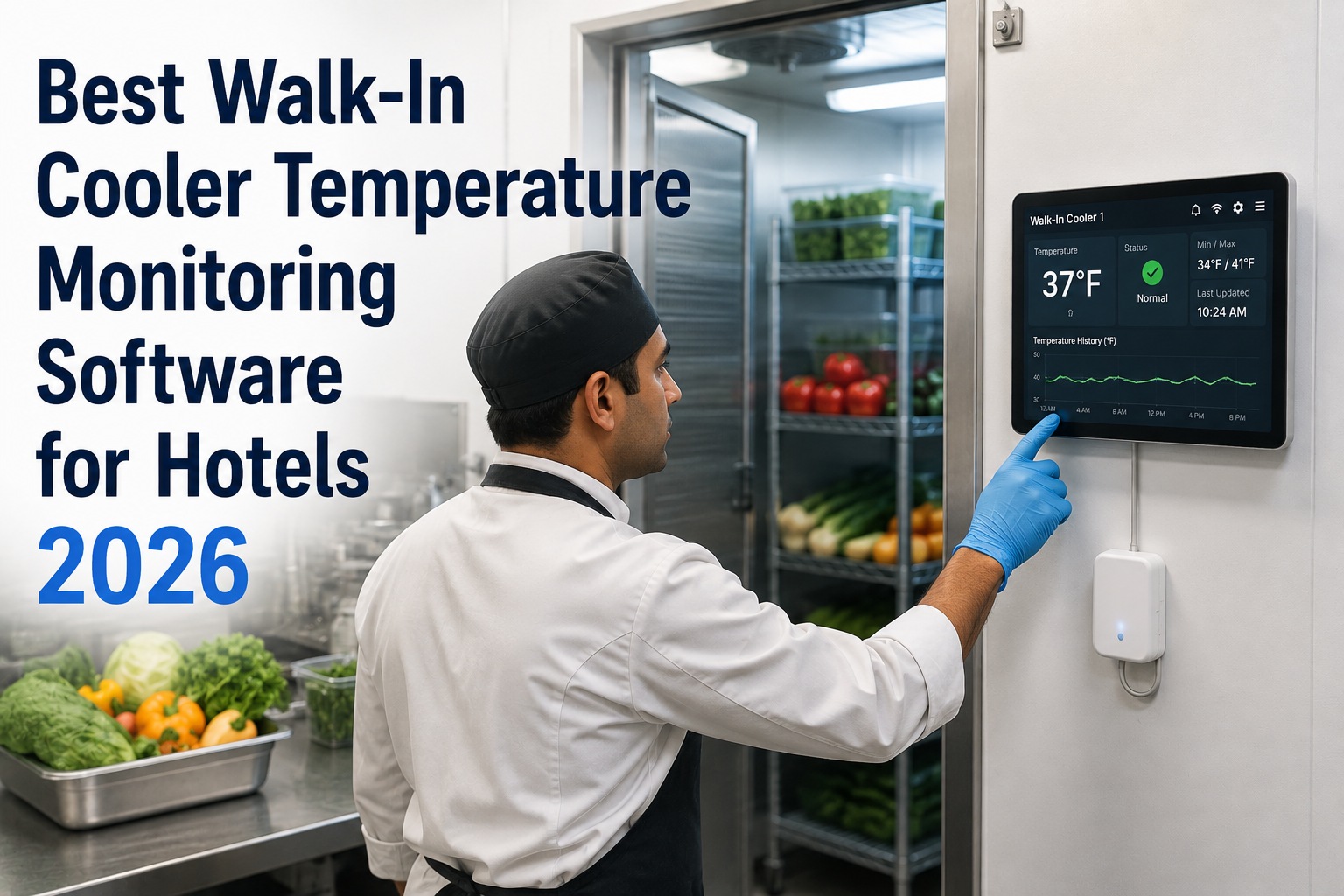
IoT sensors on HVAC units, elevators, pool equipment, and F&B systems feed the platform with condition data. AI generates predictive alerts 2–4 weeks before failure — auto-creating PM work orders timed to planned low-occupancy windows so guest experience is never impacted.
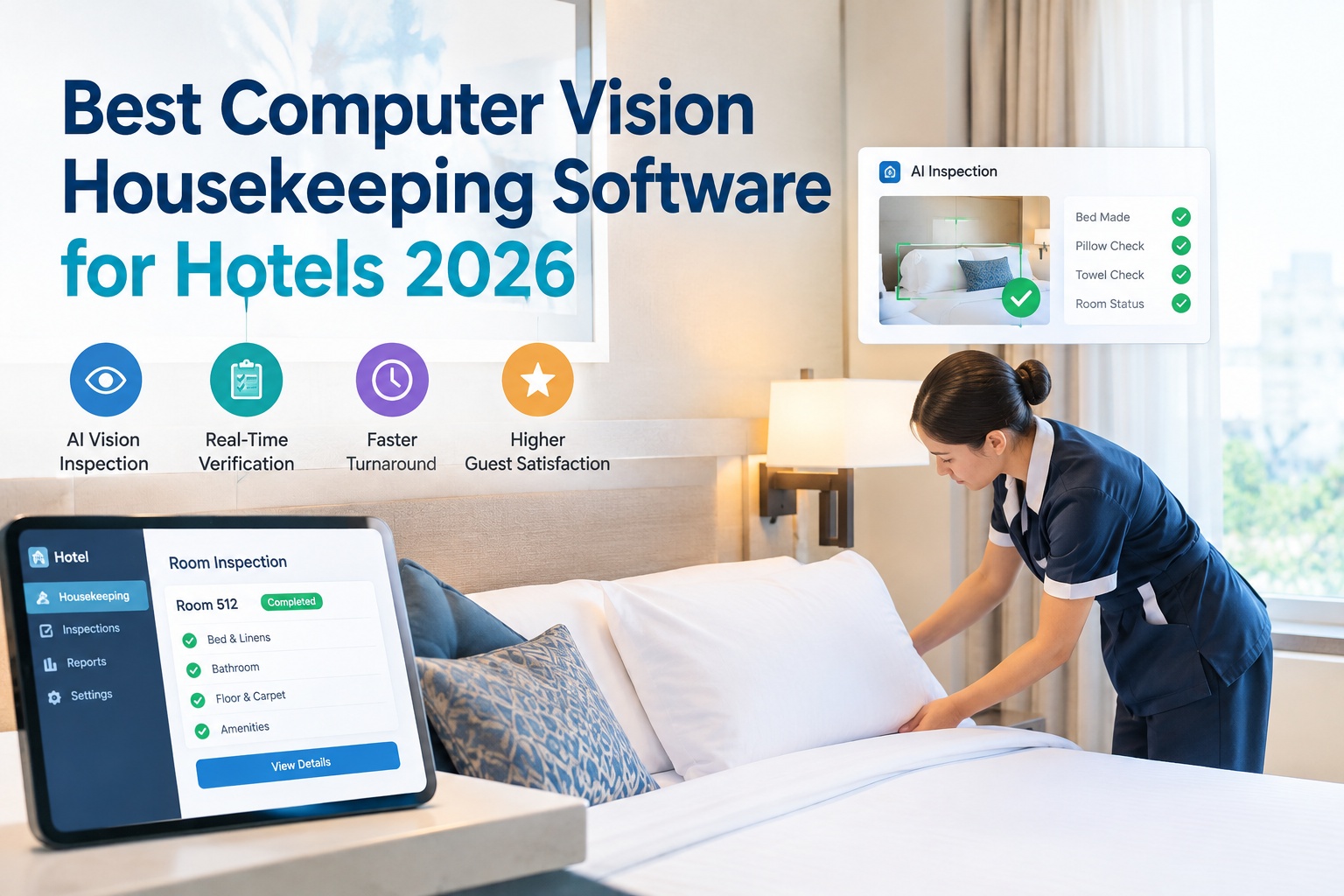
Room and facility inspections completed on mobile devices with per-item pass or fail, mandatory photo capture for defects, and automatic supervisor notification for failed items. Every inspection result is stored and searchable, building a quality trend record that informs both training and CapEx decisions.
Configurable PM schedules enforce brand maintenance and service standards across all properties simultaneously. Compliance rates are visible at portfolio level in real time — no waiting for quarterly audits to discover which properties have drifted from standard before a brand review.
End-of-shift reports generate automatically — response times, task completion rates, escalation volumes, and handover quality scores — across every department and every property. Management acts on data from the current shift, not summaries of last week's performance.
The Automation Implementation Roadmap for Luxury Properties
Luxury hotels that have automated most successfully follow a consistent four-phase approach. They do not automate everything at once — they start with the workflows where automation has the highest guest-facing impact, prove the value in those areas, and expand with documented evidence. Book a consultation and our team will map your specific department structure against this roadmap before a single workflow is changed.
Audit and Map Current Shift Workflows by Department
Document how shift information currently moves — or fails to move — across front office, housekeeping, engineering, F&B, spa, and security. Interview incoming and outgoing supervisors separately about what information they need and consistently do not receive at handover. The audit typically surfaces three to five high-impact automation points in the first week.
Weeks 1–2Deploy Priority Automations — Engineering and VIP Workflows First
Automate the two workflows with highest guest-facing consequence: in-room maintenance escalation to engineering work orders, and VIP arrival preparation task cascades. These two automation points address the failures that appear most visibly in guest review data and generate the fastest, most measurable ROI for Phase 3 approval.
Weeks 3–5Expand to Full Cross-Department Shift Logbook and Reporting
Roll out the structured digital shift logbook across all departments. Configure handover templates, carry-forward escalation rules, inspection checklists, and compliance tracking. Connect housekeeping room status to the front desk live feed. Begin generating automated shift performance reports for management review.
Weeks 5–9Predictive Maintenance Layer and Portfolio Rollout
Add IoT sensor integration for critical assets — HVAC, elevators, pool systems, kitchen equipment. AI predictive alerts begin timing planned maintenance to occupancy patterns. For multi-property luxury groups, extend the platform to all properties with chain-level compliance visibility and cross-property benchmark reporting.
Month 3 onward