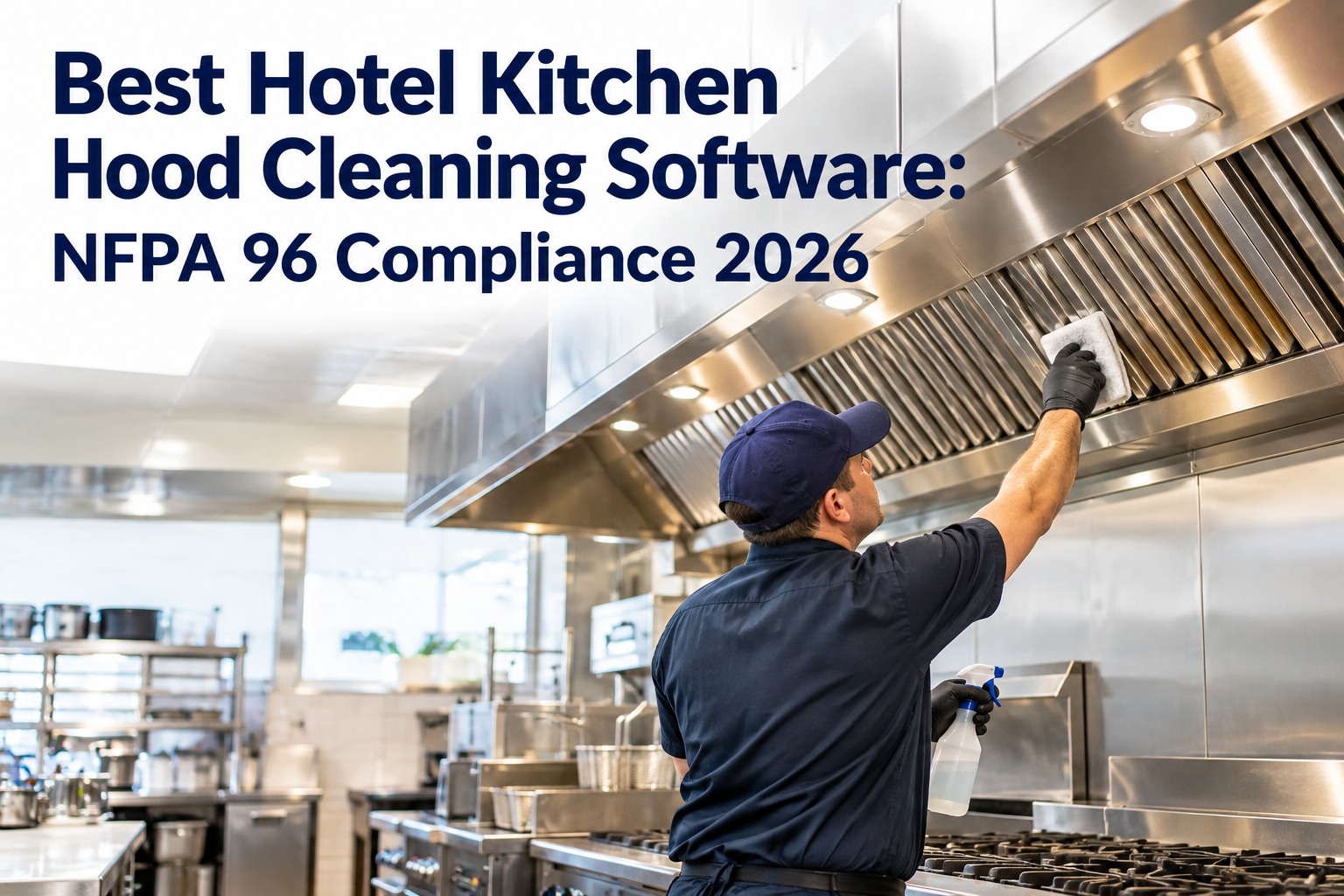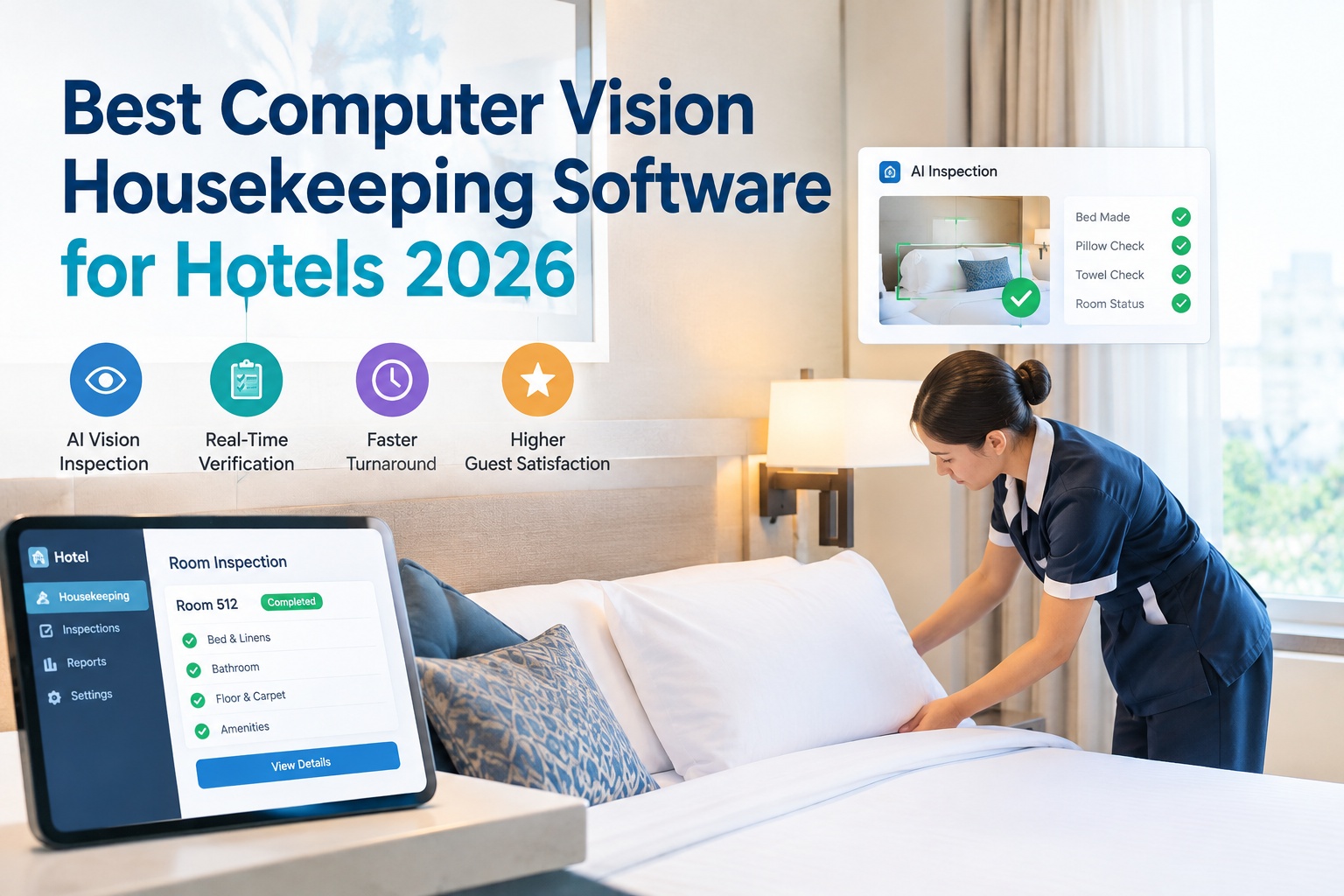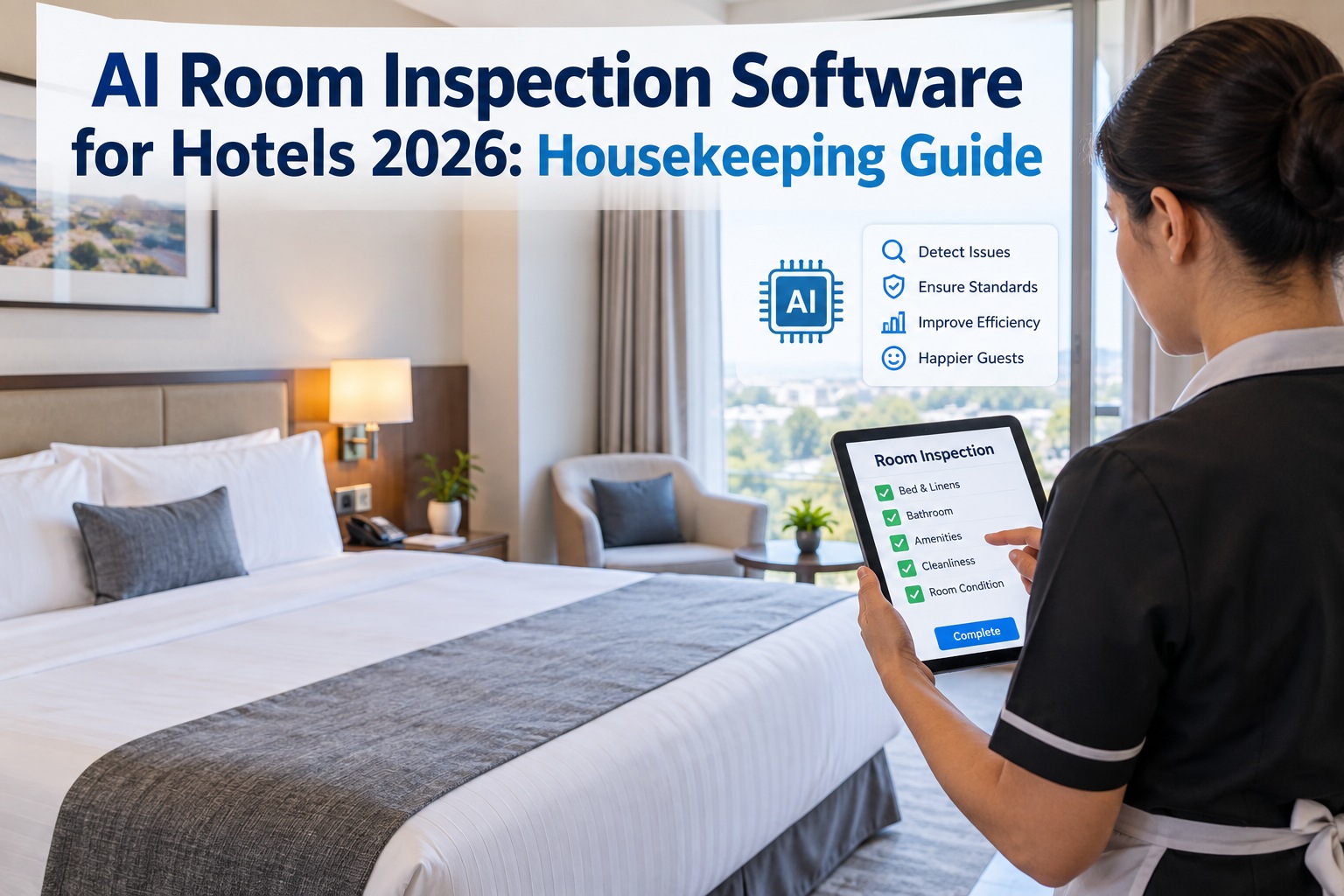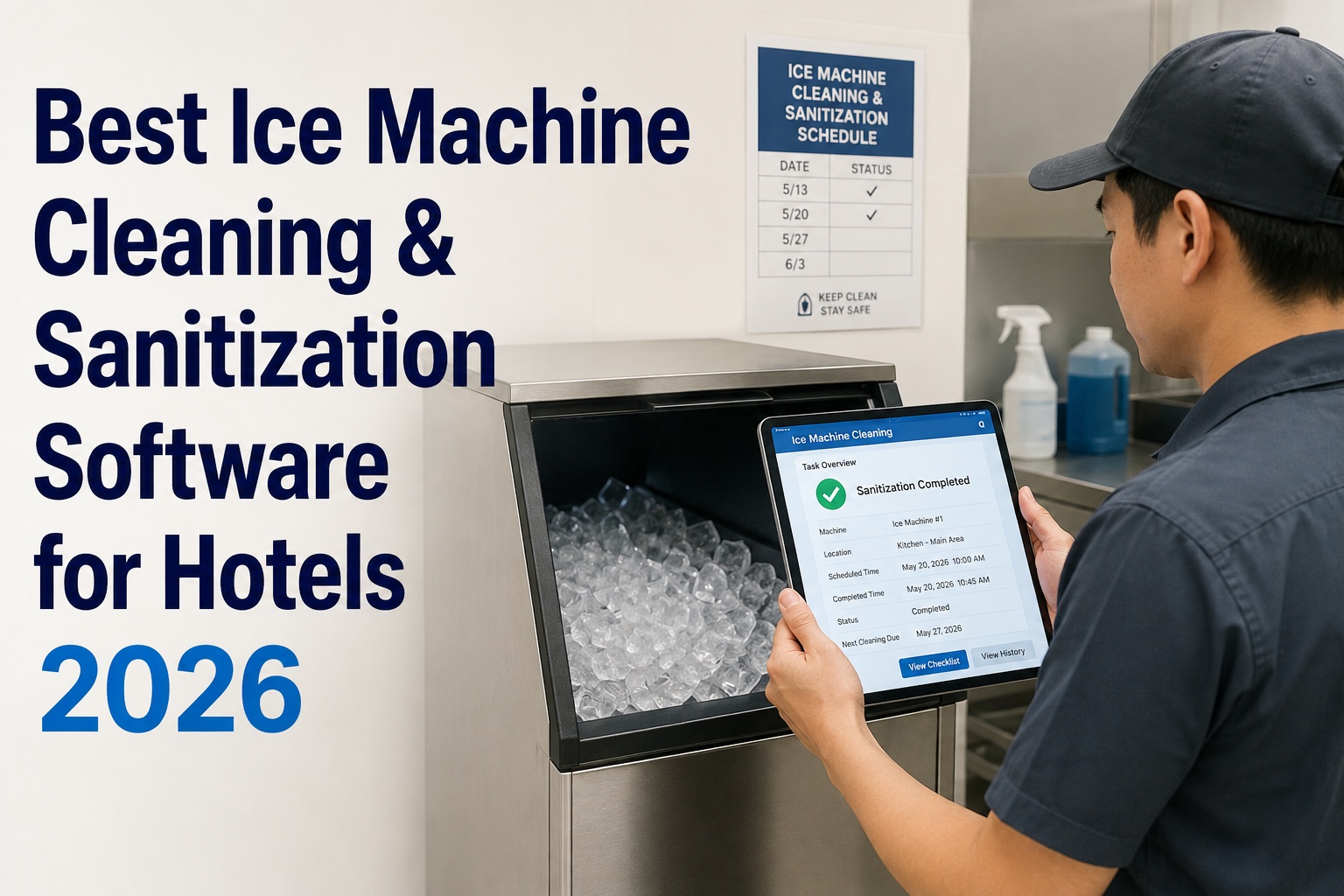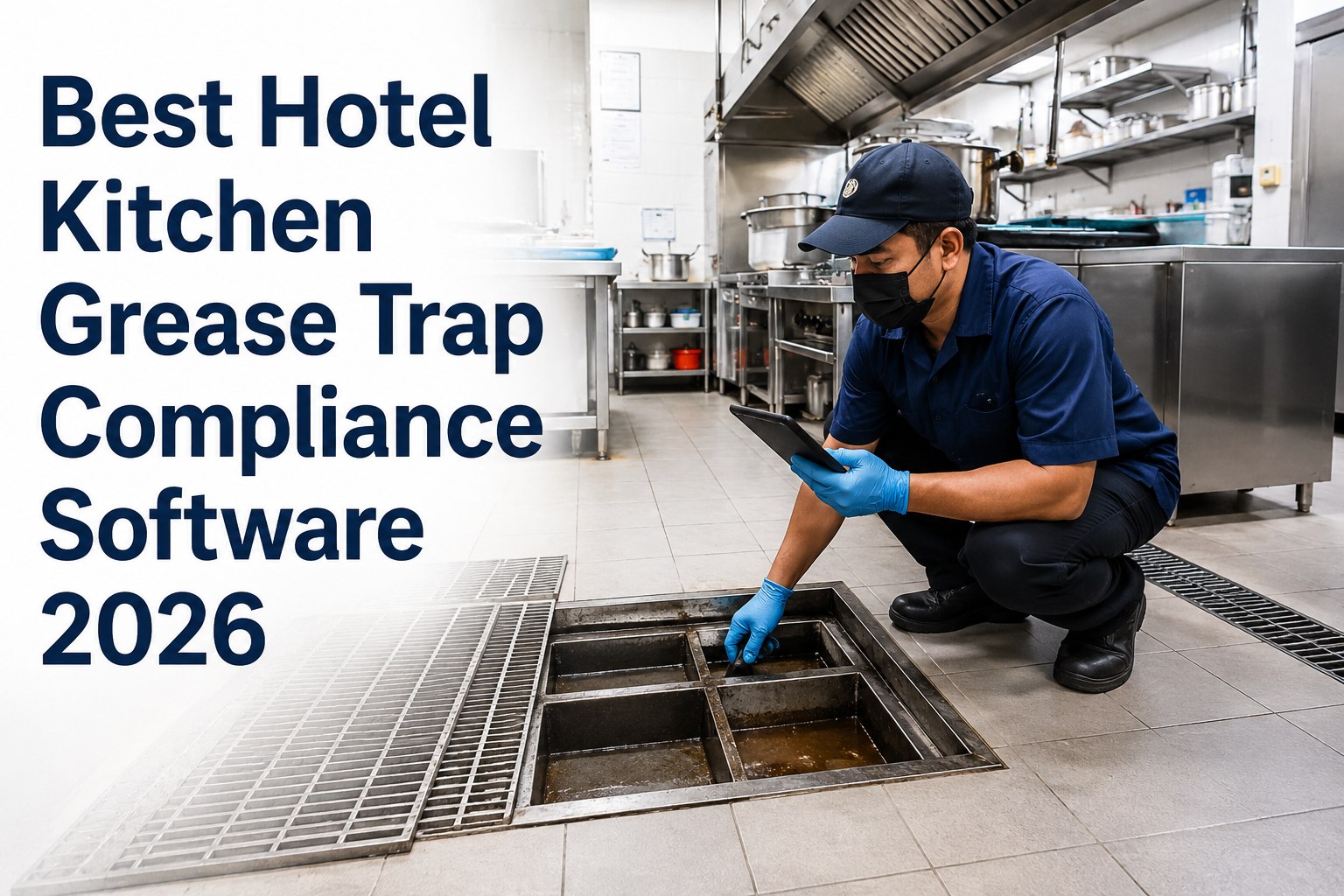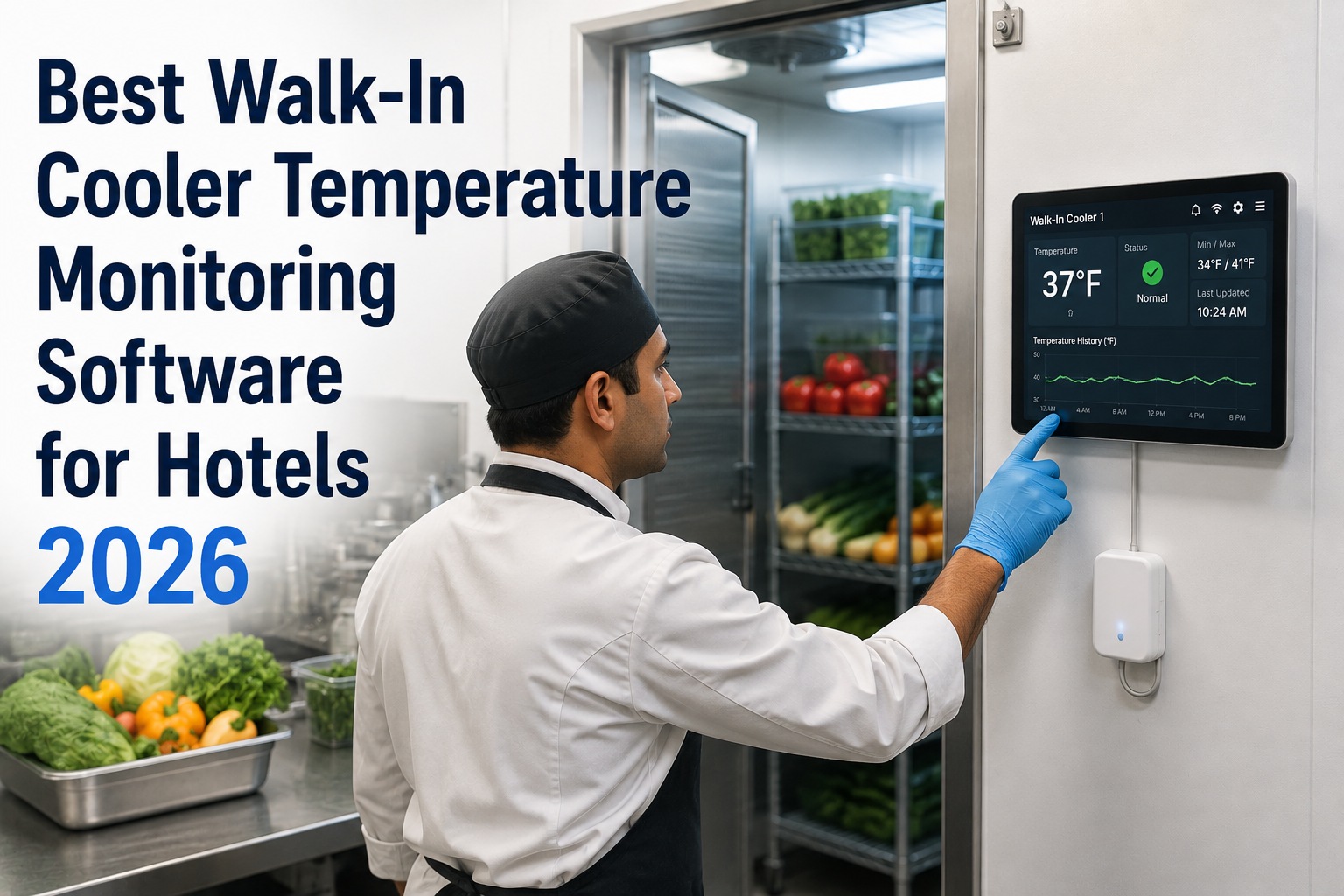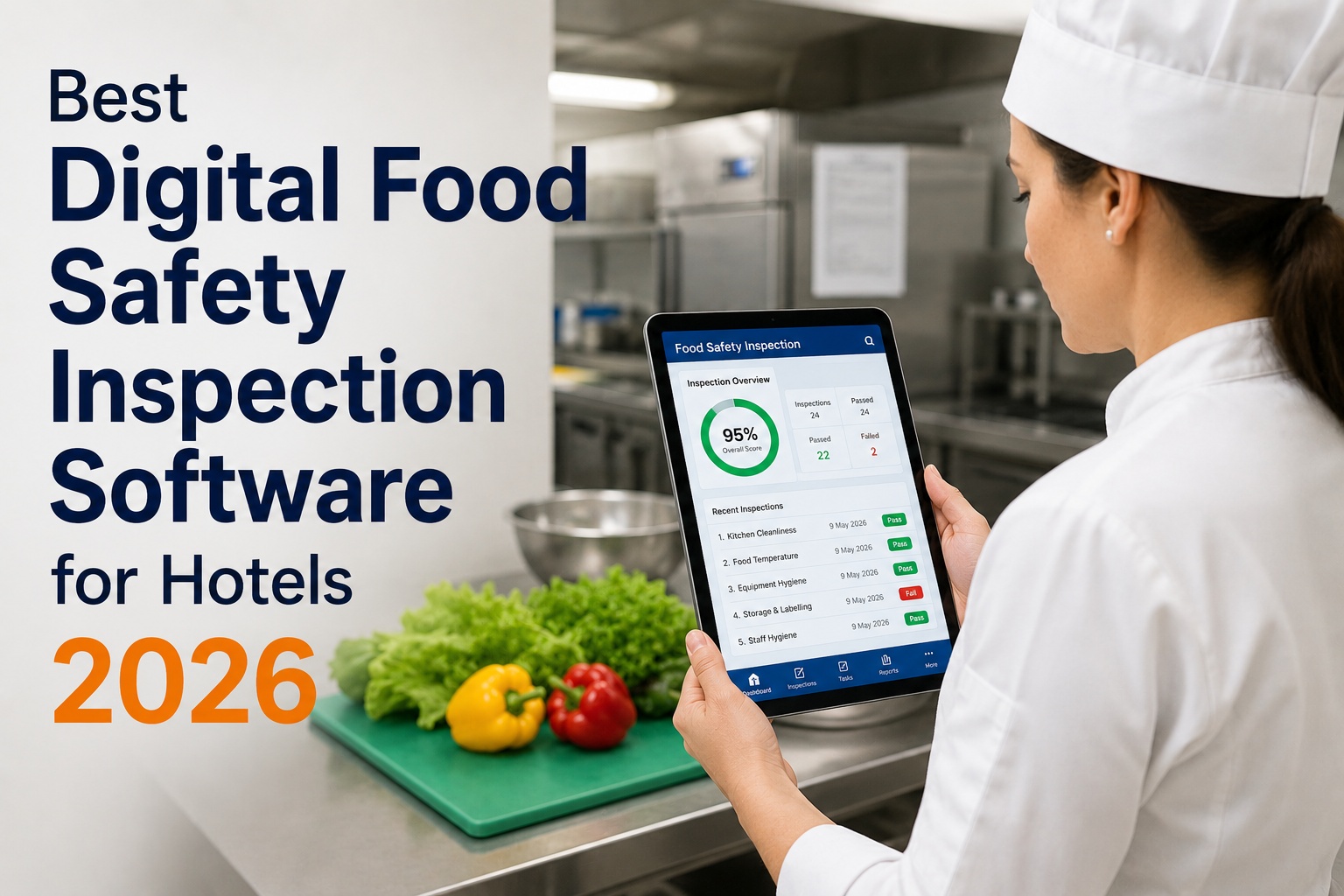
Manual kitchen inspection in hotels fails for one simple reason: paper logs can't prove compliance when it matters. Research shows 78% of hotel health-code violations stem from documentation gaps — missing temperature logs, unsigned checklists, illegible handwriting — not from actually unsafe food. When a health inspector arrives at 2 PM on a Tuesday and your last three weeks of HACCP records are scattered across clipboards in three different kitchens, you're not managing compliance, you're gambling with your operating license. The best kitchen CMMS 2026 platforms solve this by auto-capturing every temperature reading, cleaning task, and equipment check digitally, timestamped and audit-ready. Start Free Trial and see how top hotel inspection platforms eliminate the paper trail that's costing properties thousands in violations and brand-standard failures.
Why Manual Kitchen Inspections Fail Hotels — And the CMMS Fix That Works
Every year, hotels lose an average of $18,400 per property to health-code violations, brand-standard audit failures, and emergency equipment repairs — all traceable to inspection processes built on paper, clipboards, and institutional memory. The top hotel HACCP platforms of 2026 replace that chaos with digital checklists, automated work orders, and compliance-grade reporting that stands up to any inspector.
Why Do Manual Kitchen Inspections Fail Hotels So Often?
Manual inspection processes break down in five predictable ways — and each one creates a compliance risk, a cost, or both. Understanding these failure modes is the first step toward choosing the best hotel inspection tool for your property.
Handwritten temperature logs get smudged, skipped during rush periods, or filled in retroactively from memory. Health inspectors flag missing entries instantly — and "we did it, we just didn't write it down" is not a defense. A single incomplete HACCP log can trigger a critical violation.
Paper checklists can't prove WHO performed a task, WHEN they did it, or WHETHER it was done correctly. When a walk-in cooler fails at 11 PM and spoils $3,200 in inventory, there's no timestamped record showing the last temperature check — just finger-pointing and insurance claims.
Manual systems only capture problems after they're visible — a leaking gasket, a warm reach-in, a broken exhaust fan. By then, you're paying emergency rates (2–3x normal cost) and risking a health-code citation. The best kitchen CMMS 2026 platforms shift you to preventive schedules that catch failures before they happen.
Kitchen inspections live in one binder, HVAC maintenance in another, pest control in a third. When corporate auditors or health inspectors request 90 days of records, your team spends 6–8 hours hunting paper instead of running the property. A top hotel inspection platform centralizes everything into one searchable database.
GMs and executive chefs can't see inspection status until they physically check a clipboard — by which point a missed task has already become a violation. Hospitality inspection CMMS software sends instant mobile alerts when a temperature check is overdue or equipment goes out of spec, so you fix issues before they escalate.
When a brand-standard audit or health inspection is announced, teams scramble to reconstruct missing logs — a process that takes 12–20 hours and often produces records that don't hold up under scrutiny. Digital inspection platforms generate audit-ready reports in under 5 minutes, with timestamps and photo evidence built in.
What Manual Kitchen Inspections Actually Cost a 200-Room Hotel
Let's run the numbers on a mid-size property: 200 rooms, two kitchens (main + banquet), 45 pieces of commercial kitchen equipment, and a full HACCP program. Here's what a year of manual inspections really costs — and what the best hospitality inspection platforms save.
| Cost Category | Manual Process (Annual) | With Hotel Kitchen Inspection Software | Annual Savings |
|---|---|---|---|
| Labor: daily temp logs, checklists, filing | $9,360 (4.2 hrs/week @ $43/hr) | $1,560 (0.7 hrs/week, mobile entry) | $7,800 |
| Health-code violations & re-inspection fees | $6,200 (avg 2.1 violations/year) | $600 (0.2 violations/year) | $5,600 |
| Emergency equipment repairs (reactive) | $14,800 (8 emergency calls @ $1,850 avg) | $5,200 (2 emergency calls, rest preventive) | $9,600 |
| Food spoilage from undetected equipment failure | $4,100 (2 incidents/year) | $400 (early alerts prevent loss) | $3,700 |
| Audit preparation labor (brand + health dept) | $3,440 (80 hrs/year @ $43/hr) | $215 (5 hrs/year, auto-generated reports) | $3,225 |
| Brand-standard audit failure penalties | $2,500 (1 failed audit every 2 years) | $0 (consistent compliance) | $2,500 |
| Total Annual Cost | $40,400 | $7,975 | $32,425 (80% reduction) |
A top hotel kitchen software platform typically costs $2,400–$4,800/year for a property this size. That means payback in 1.5–2.5 months and a first-year ROI of 575–1,250%. Every month you delay switching from manual kitchen inspection hotel processes is another $2,700 in avoidable cost.
See How OxMaint Eliminates Manual Inspection Failures
Book a 30-minute demo and we'll show you exactly how the platform digitizes your HACCP logs, automates preventive maintenance, and generates audit-ready reports — using your actual equipment list and inspection schedule.
Best Kitchen CMMS 2026: What to Look For in a Hotel Inspection Platform
Not all inspection software is built for hospitality. The best hotel inspection tool for your property must handle the unique demands of commercial kitchens, brand standards, and multi-department coordination. Here are the seven non-negotiable features that separate top-tier platforms from generic checklist apps.
Pre-built templates for receiving, storage, prep, cooking, cooling, and reheating — with mandatory fields, temperature ranges, and photo capture. Every entry is timestamped, geo-tagged, and attributed to a specific user. No more "forgot to log it" violations.
Set recurring PM tasks for every piece of kitchen equipment — walk-in coolers, fryers, dishwashers, exhaust hoods — based on manufacturer specs and usage patterns. The system auto-generates work orders, assigns them to technicians, and escalates overdue tasks to managers.
Your team isn't sitting at a desk — they're in a walk-in freezer or under a fryer. The best hospitality inspection CMMS platforms work offline, sync when connectivity returns, and let users complete inspections, log temperatures, and upload photos from any smartphone or tablet.
Connect wireless temperature sensors to walk-ins, reach-ins, and holding cabinets. When a unit drifts out of safe range (above 41°F for cold holding), the system sends instant SMS/email alerts to the chef on duty and auto-creates a work order — before food spoils or an inspector finds it.
Generate HACCP logs, health-department inspection reports, brand-standard audit packets, and OSHA records with one click. Filter by date range, equipment, or location. Export to PDF or share a secure link. What used to take 8 hours now takes 90 seconds.
Track every piece of kitchen equipment from purchase to disposal: warranty status, maintenance history, repair costs, and total cost of ownership. Know when a 12-year-old walk-in compressor is costing more to repair than replace — and justify CapEx requests with real data.
If you manage a hotel group or a property with multiple F&B outlets, the platform must handle role-based access, location-specific checklists, and consolidated reporting. Corporate engineers see portfolio-wide trends; property managers see only their kitchens.
How OxMaint Fixes Manual Kitchen Inspection Failures in Hotels
OxMaint is the hospitality inspection CMMS built specifically for hotels, resorts, and multi-property brands. Here's how the platform eliminates each failure point and delivers measurable ROI within the first 90 days.
Replace paper temperature logs with mobile checklists that require a photo of the thermometer display and auto-capture GPS location, timestamp, and user ID. If a reading is out of range, the system prompts corrective action and logs it. Outcome: 78% reduction in documentation-related health-code violations within 6 months.
When a kitchen inspection flags a problem — a torn door gasket, a warm reach-in, a leaking faucet — OxMaint instantly creates a work order, assigns it to the right technician, and tracks it to completion. No more sticky notes or verbal handoffs. Outcome: 65% faster resolution of equipment issues; 40% reduction in emergency repair costs.
Set PM intervals for every piece of equipment based on manufacturer recommendations, usage hours, or calendar dates. OxMaint auto-generates tasks, sends reminders, and escalates overdue items. Outcome: 30–50% reduction in unplanned downtime; extend equipment life by 3–5 years on average.
Generate complete HACCP logs, PM records, and inspection histories for any date range in under 2 minutes. Export as PDF or share a read-only link with auditors. Outcome: Cut audit prep time from 8 hours to 15 minutes; pass brand-standard audits on the first attempt.
How to Switch from Manual to Digital Kitchen Inspections in 30 Days
The biggest barrier to adopting hotel kitchen inspection software isn't cost — it's fear of disruption. Here's the proven 30-day rollout plan that top hotel inspection platforms use to get properties fully digital without missing a single HACCP log or PM task.
Import your equipment list (walk-ins, fryers, dishwashers, HVAC units) into the CMMS. Build digital versions of your current HACCP checklists, cleaning schedules, and PM tasks. Most platforms offer pre-built templates for common hotel kitchen equipment — you just customize temperature ranges and frequencies. Assign user roles: chefs, engineers, managers.
Train staff in 15-minute sessions (most mobile apps are intuitive enough that formal training is minimal). Run digital and paper systems in parallel for 7 days to build confidence and catch any workflow issues. Chefs log temperatures on tablets; technicians complete PM tasks on smartphones. Managers monitor completion rates in real time.
Retire the paper logs. Turn on automated alerts: overdue inspections, out-of-range temperatures, upcoming PM tasks, and equipment failures. Connect IoT sensors if you're using them. Set up escalation rules — if a critical task is 2 hours overdue, notify the executive chef; if 4 hours overdue, notify the GM.
Generate your first compliance report covering the past 30 days. Review completion rates, identify bottlenecks (e.g., a checklist that's too long, a PM task scheduled during peak hours), and refine. Share the report with your executive team to demonstrate ROI. You now have a defensible, audit-ready compliance system.
Hotel Kitchen Inspection Software: Your Questions Answered
Stop Losing $32K a Year to Manual Kitchen Inspections
Join hundreds of hotels using OxMaint to eliminate paper logs, automate HACCP compliance, and pass every health inspection with confidence. Start your free trial today — or book a personalized demo and we'll build a custom ROI model for your property.