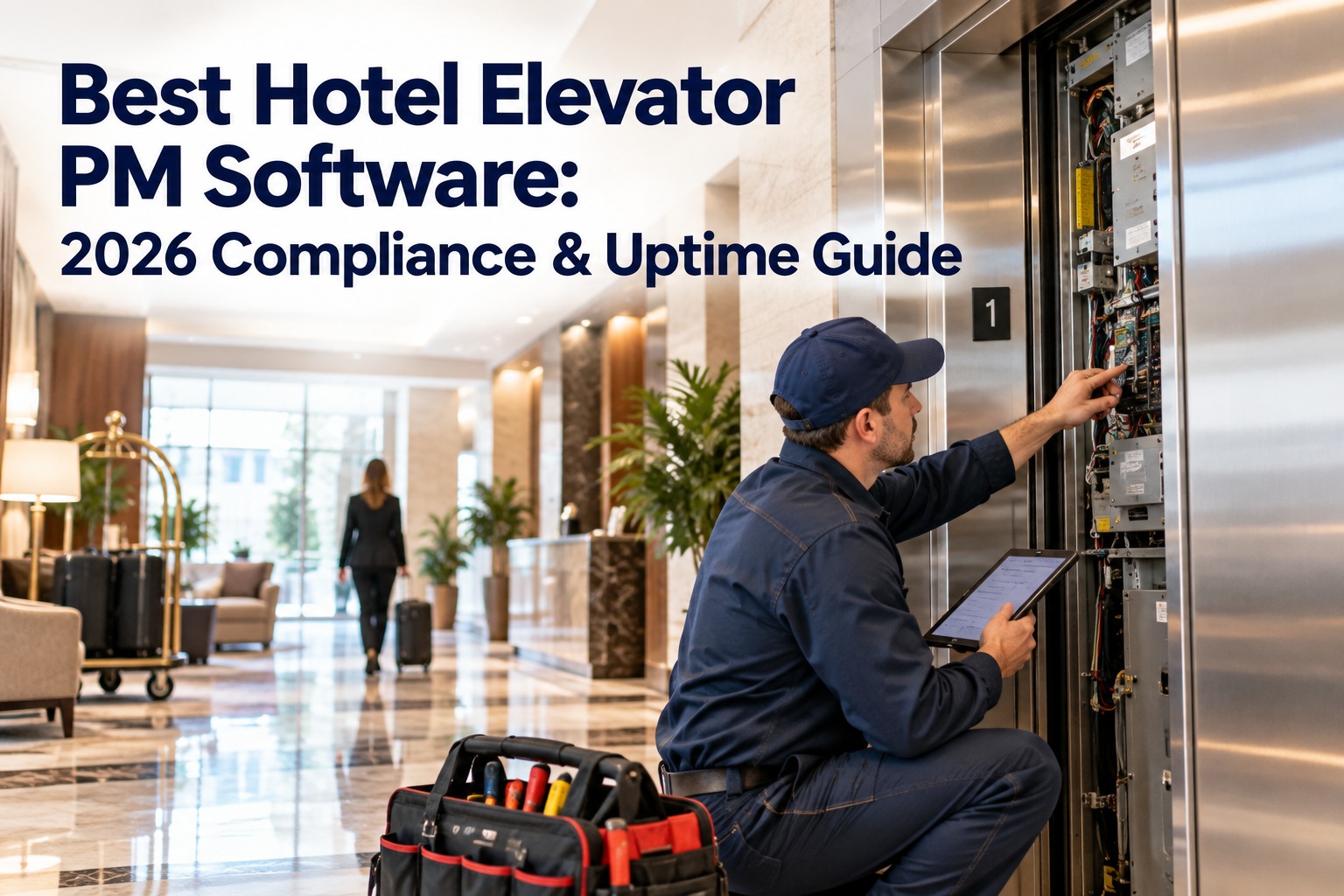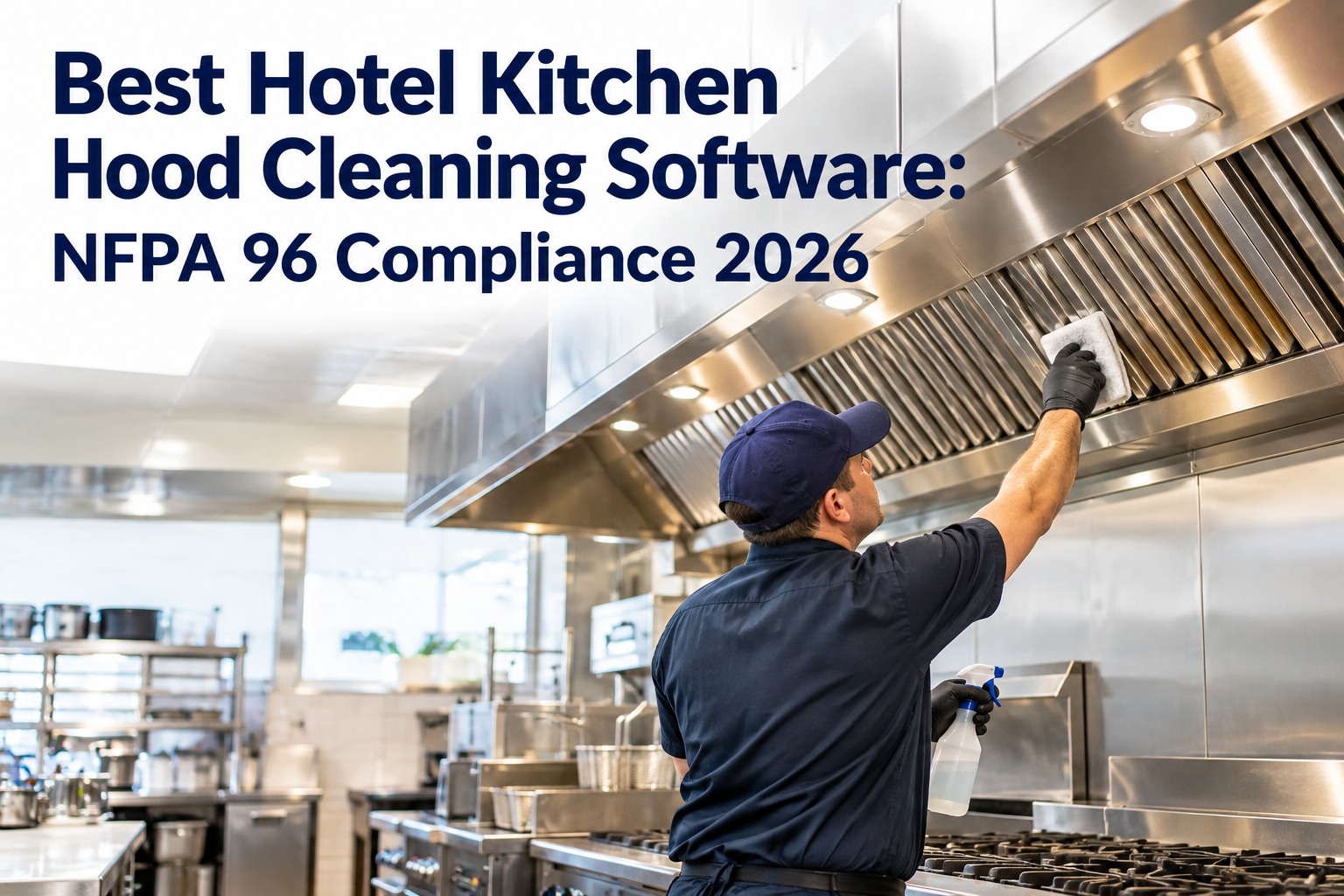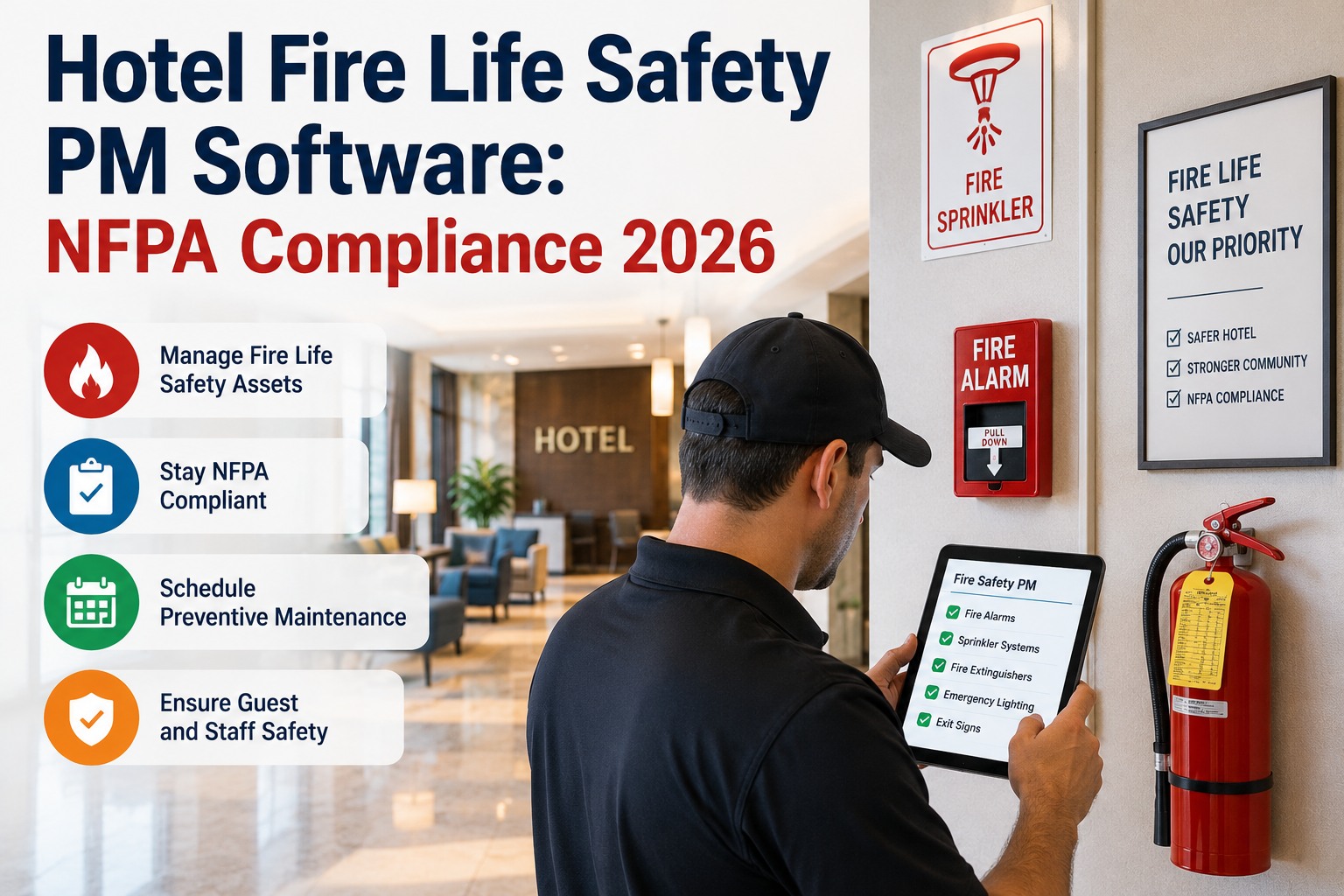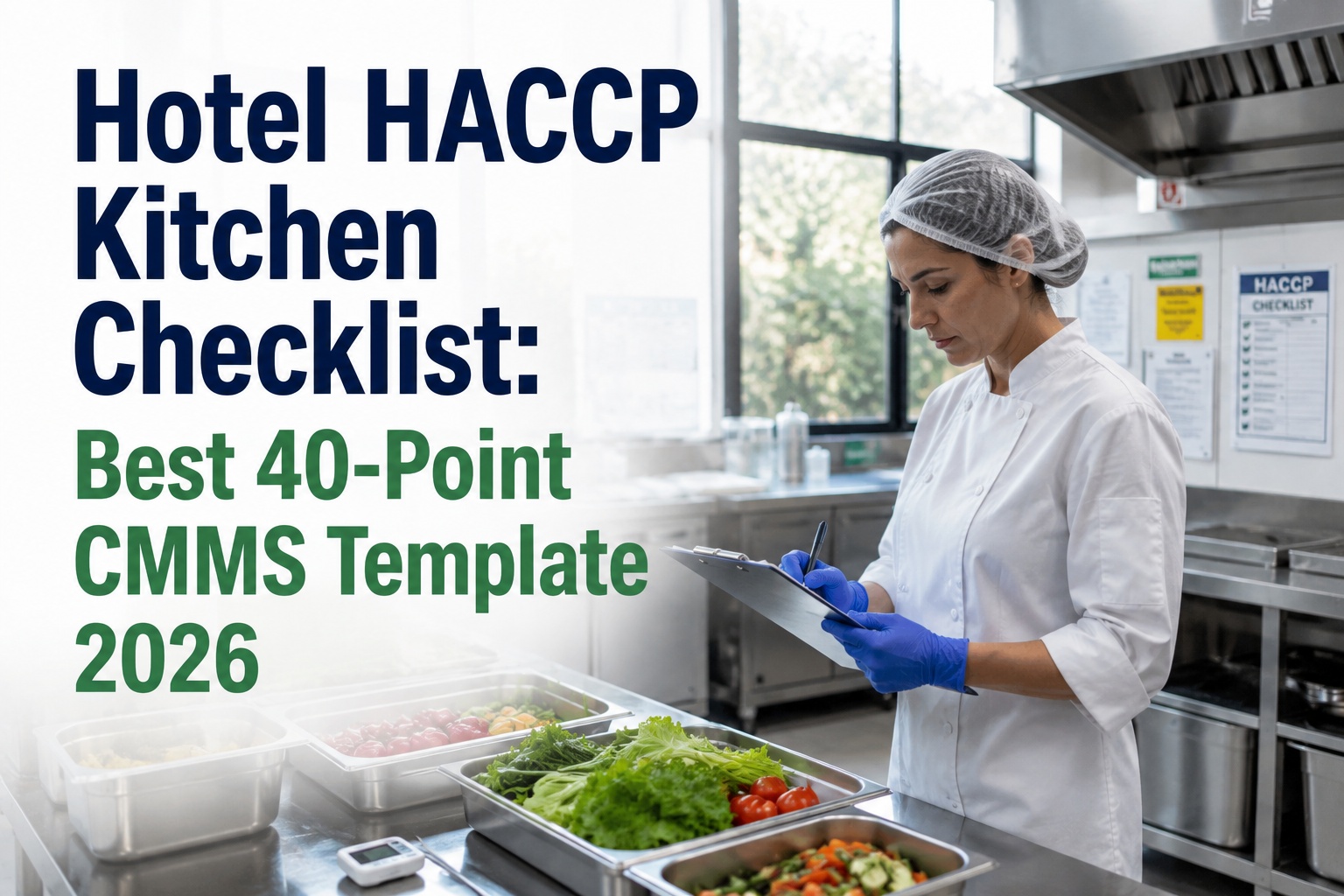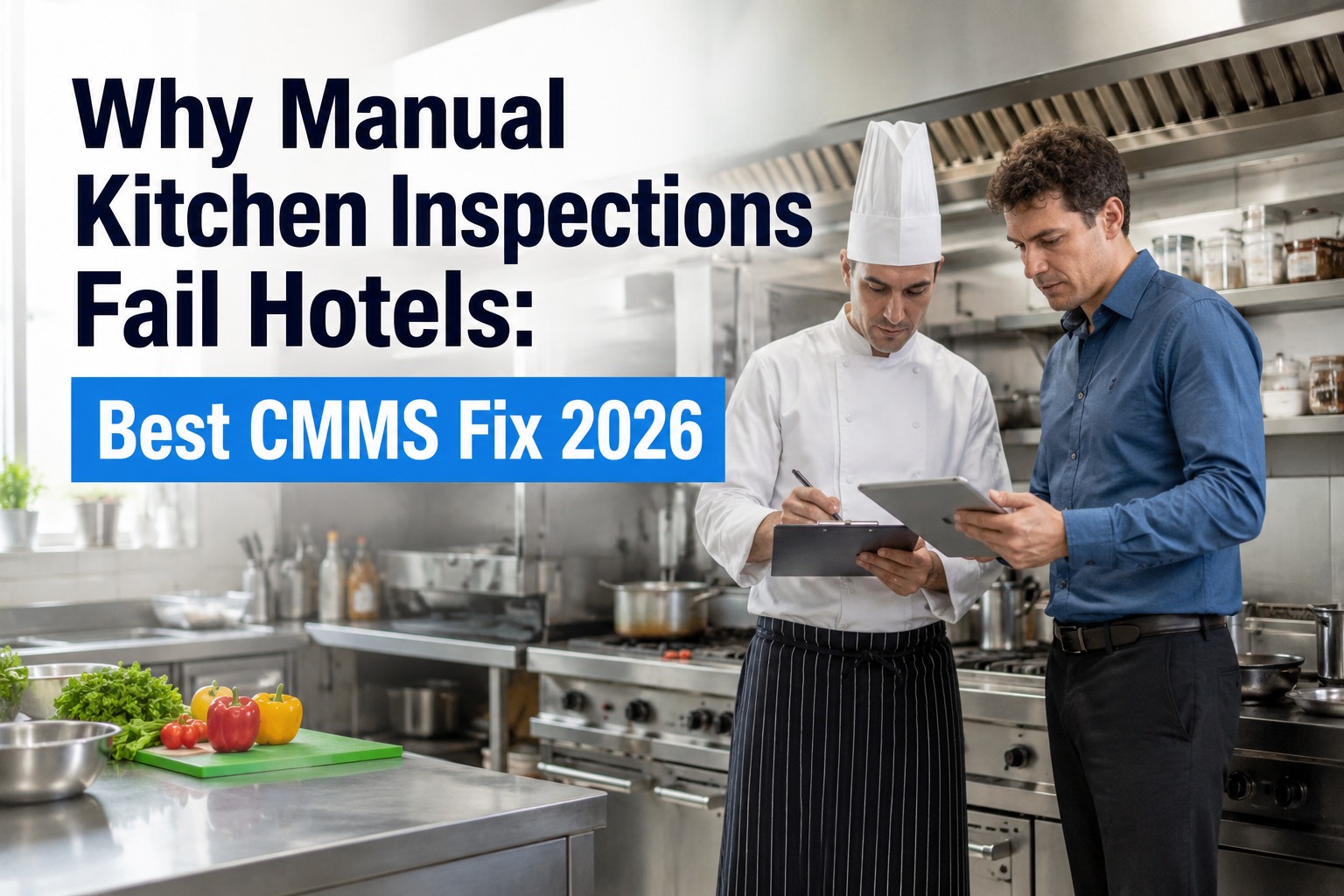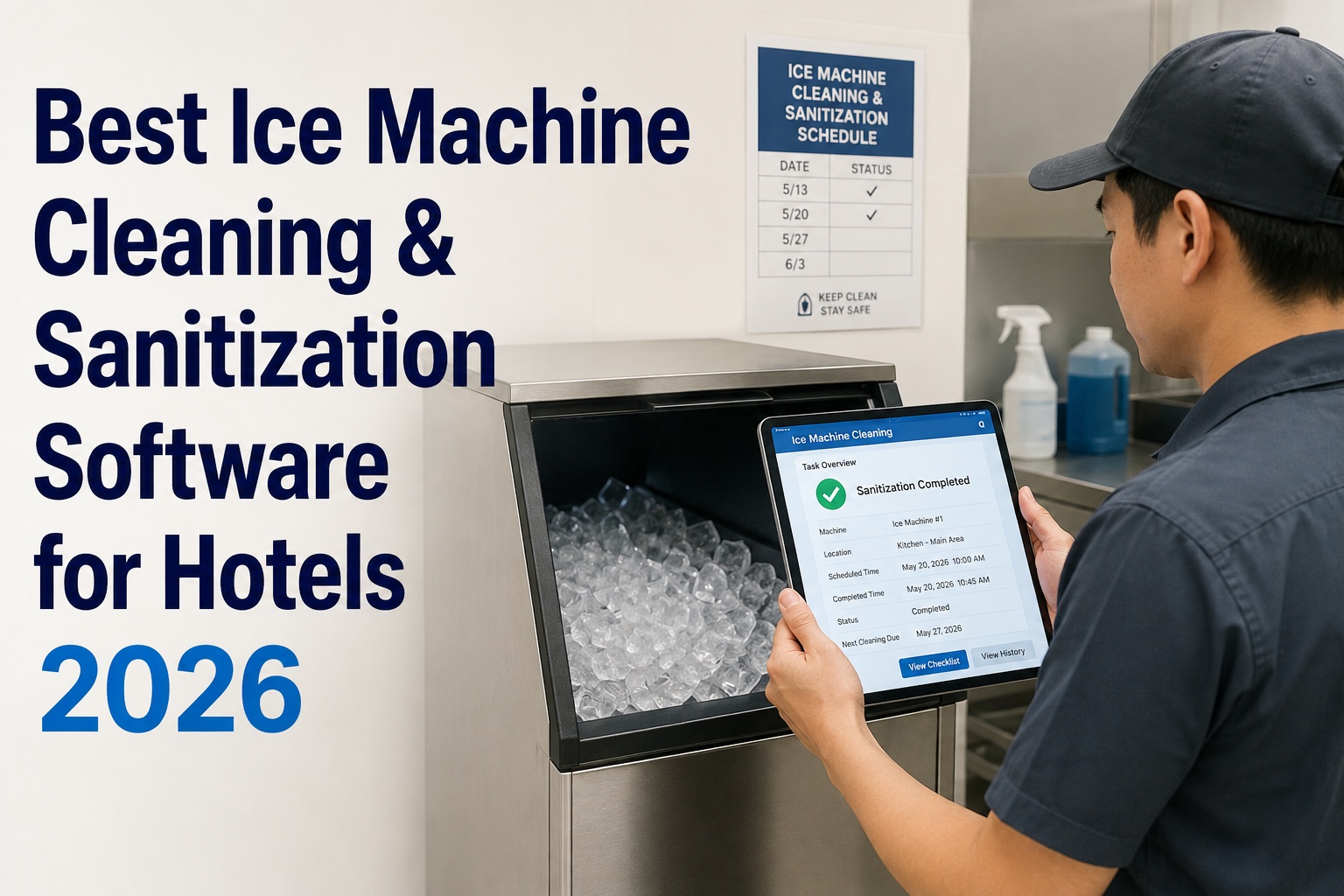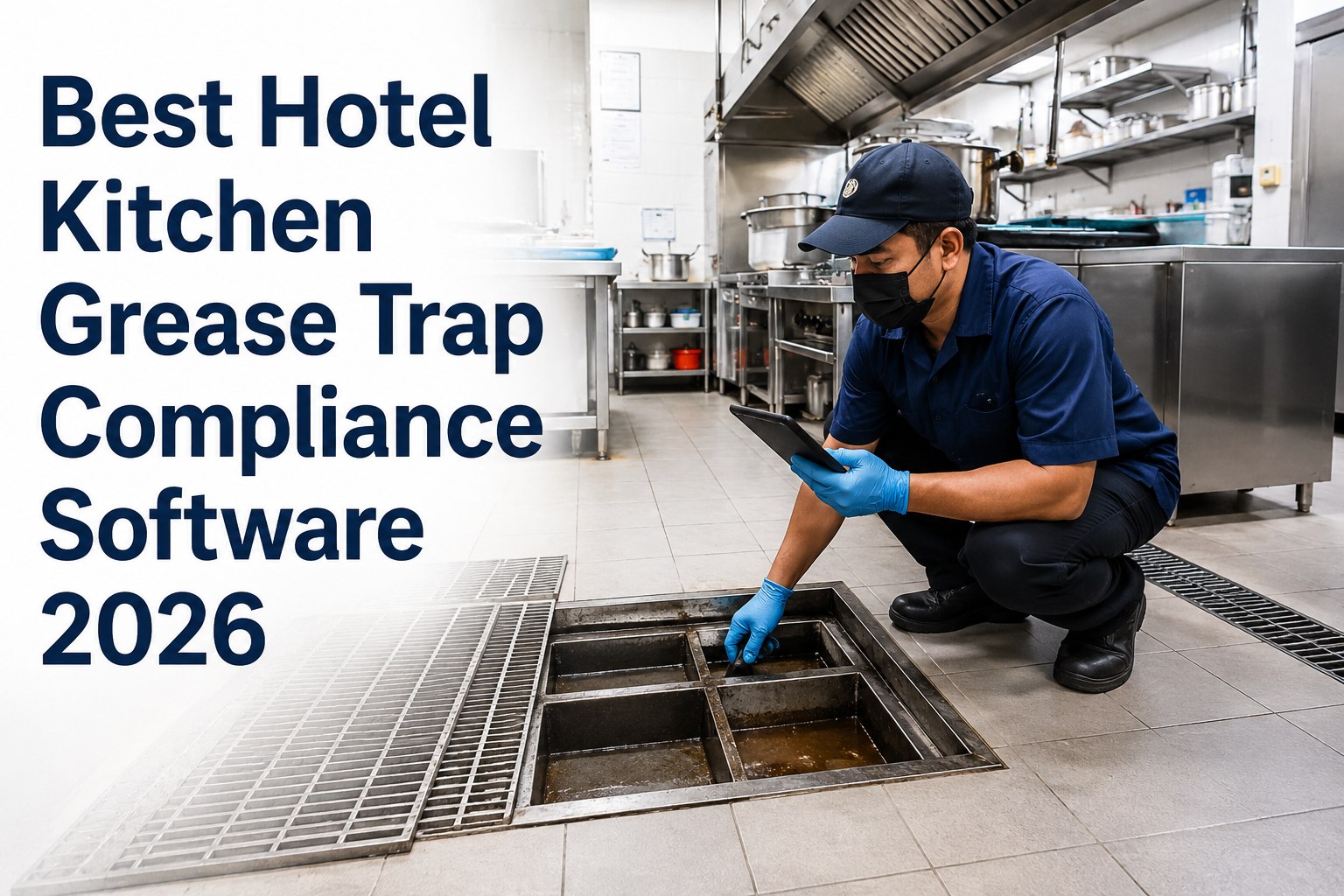
The best hotel kitchen grease trap compliance software in 2026 combines automated FOG (fats, oils, grease) maintenance scheduling, digital hood-cleaning logs, and audit-ready reporting in one CMMS — and OxMaint delivers all three for hotels, resorts, and hospitality brands. Instead of chasing paper manifests and missed pump-out dates, engineering teams get automated work orders, mobile inspection checklists, and compliance-grade reports mapped to HACCP, OSHA, FDA, NFPA 96, and local health-department codes. The result: fewer fire-code violations, zero surprise fines, and a kitchen that passes every inspection. If you manage food-and-beverage assets across one property or fifty, Start Free Trial and see your first automated grease-trap schedule in under an hour. This guide compares what top FOG management platforms must do, what compliance actually costs, and how to pick the right hotel hood cleaning CMMS for your portfolio.
One missed grease-trap pump-out can cost a hotel $2,000–$25,000 in fines — plus a kitchen shutdown.
NFPA 96 requires documented hood and duct cleaning as often as monthly for high-volume kitchens, and municipal FOG programs now demand digital manifests. OxMaint automates every schedule, checklist, and audit trail so your property never misses a date.
What does grease trap non-compliance actually cost a hotel in 2026?
A single FOG violation in a major metro now runs $1,000–$25,000 per day until corrected — and that is before the fire risk. Roughly 1 in 3 restaurant and hotel kitchen fires trace back to grease-laden exhaust systems, with average property damage exceeding $50,000 per incident. Here is how the numbers stack up for a typical 300-room full-service hotel.
FOG discharge fines
Municipal sewer authorities levy $500–$25,000 per violation when grease traps overflow or manifests go missing. Repeat offenders face permit revocation.
Kitchen fire damage
Grease-fueled hood fires average $50K+ in damage, 2–6 weeks of kitchen closure, and insurance premium hikes of 15–30% for three years.
Failed health inspections
A single critical violation can drop a property's health score below brand standard, triggering corporate audits and remediation plans costing $10K–$40K.
Emergency pump-outs
Reactive grease-trap service costs 2–3x the scheduled rate — $800–$1,500 per emergency call versus $250–$450 on a preventive plan.
A 320-room resort with 4 kitchens was spending $18,600/yr on reactive grease-trap service and absorbed a $7,500 FOG fine in Q2. After moving all 14 traps and 9 hood systems onto OxMaint preventive schedules, emergency calls dropped to zero, the next two health inspections passed with zero critical findings, and annual FOG spend fell to $11,200 — a 40% reduction plus the avoided fine.
Best FOG CMMS features for hospitality: the 2026 checklist
Not every CMMS handles kitchen fire-code compliance. The best grease trap compliance platforms for hotels share six non-negotiable capabilities — use this grid to score any vendor you evaluate.
Automated FOG scheduling
Recurring work orders keyed to each trap's capacity and local code interval (25% rule, 30/60/90-day), auto-assigned to vendors or in-house techs.
NFPA 96 hood tracking
Monthly, quarterly, or semiannual hood-and-duct cleaning schedules by cooking volume, with photo proof and contractor certificates stored per asset.
Digital manifests & audit trail
Time-stamped pump-out records, hauler details, and disposal receipts exportable in one click for health departments and brand QA audits.
Mobile technician app
Techs complete checklists, snap photos, and log grease levels from the kitchen floor — offline-capable, no paper logs to lose or forge.
IoT level monitoring
Grease-level sensors feed real-time data into the CMMS, triggering work orders at 25% capacity instead of on a fixed calendar guess.
Multi-property dashboards
Regional managers see compliance status across every property, kitchen, and trap — red/amber/green at a glance, drill-down in one click.
Top hotel grease trap platforms compared: spreadsheets vs. legacy CMMS vs. OxMaint
Most hotels still run FOG compliance on wall calendars and binders. Here is how the three common approaches stack up on the criteria that decide audit outcomes.
| Capability | Spreadsheets & Paper | Legacy CMMS | OxMaint |
|---|---|---|---|
| Automatic FOG work orders | Manual — dates get missed | Basic calendar only | Yes — code-based intervals + IoT triggers |
| NFPA 96 hood schedules | Sticky notes / memory | Generic PM module | Yes — volume-tiered, certificate storage |
| Audit-ready reports (HACCP, health dept) | Hours of binder assembly | Custom report writer needed | One-click export, time-stamped trail |
| Mobile checklists with photos | No | Clunky or paid add-on | Native iOS/Android, offline mode |
| Multi-property visibility | None | Per-site licenses | Portfolio dashboard included |
| Setup time | — | 3–6 months + consultants | Days, with free onboarding |
| Typical annual cost (single hotel) | "Free" but fines average $5K+ | $8K–$20K + implementation | Fraction of legacy — see demo |
Hotel kitchen fire code CMMS schedule: what to service and when
NFPA 96 ties hood-cleaning frequency to cooking volume, and most municipal FOG ordinances apply the "25% rule" — pump when grease and solids fill a quarter of trap capacity. A kitchen fire code CMMS in 2026 should auto-generate this calendar for you.
High-volume hood systems + trap inspection
24-hour operations, wok, charbroil, and fryer-heavy kitchens: full hood/duct cleaning per NFPA 96; measure trap grease depth and log readings.
Standard-volume hoods + grease trap pump-out
Most hotel main kitchens: professional hood cleaning with certificate; full trap pump-out with hauler manifest filed to the asset record.
Low-volume outlets + interceptor service
Banquet and seasonal kitchens: hood cleaning; large exterior interceptors serviced and inspected for baffle integrity and corrosion.
Full compliance audit + fire suppression check
Compile the year's manifests, verify suppression-system tags, review vendor certificates, and export the complete audit package for brand QA and insurers.
How OxMaint runs hotel FOG management software end-to-end
OxMaint is an AI-powered CMMS + EAM built for hospitality engineering teams. Four capabilities do the heavy lifting for grease trap and hood compliance — each with a measurable outcome.
Preventive maintenance engine
Auto-generates FOG and hood work orders by code interval or sensor reading. Hotels cut missed cleanings by 90%+ and eliminate emergency pump-out premiums entirely.
Mobile inspections & checklists
Technicians complete NFPA 96 and HACCP checklists on their phones with photo proof. Paper logs disappear; audit prep drops from days to minutes.
Asset & vendor tracking
Every trap, hood, and interceptor gets a lifecycle record with hauler certificates attached. Extend asset life 20–30% and hold vendors accountable with documented SLAs.
Compliance analytics
Dashboards show compliance rate, cost per asset, and overdue risk across the portfolio. GMs and owners get audit-ready reports for OSHA, FDA, and brand standards on demand.
"We manage 11 properties on OxMaint. Our last brand QA audit took 20 minutes — we exported the full year's grease trap and hood records while the auditor watched. Two years ago that same audit took my team three days."
Director of Engineering, 11-property resort group 5/5
See your entire FOG compliance picture in one dashboard
Book a 30-minute demo and we will map your property's grease traps, hoods, and inspection calendar into OxMaint live — with your actual intervals and vendors.
Hotel grease trap compliance software: FAQs
How often must a hotel grease trap be cleaned?
Most jurisdictions apply the 25% rule — pump the trap when grease and solids reach a quarter of capacity — which works out to every 30–90 days for a busy hotel kitchen. A CMMS like OxMaint tracks actual levels and auto-schedules pump-outs so you never guess.
What does NFPA 96 require for hotel kitchen hoods?
NFPA 96 mandates professional exhaust-system cleaning on a volume-based cycle: monthly for 24-hour or solid-fuel cooking, quarterly for high-volume kitchens, and semiannually for moderate volume. Documented proof — certificates and date-stamped records — is required at inspection.
Can a CMMS really replace paper FOG manifests?
Yes — health departments and sewer authorities accept digital records when they are time-stamped and tamper-evident. OxMaint stores every manifest, hauler certificate, and photo against the asset, and exports the complete audit trail in one click. Book a Demo to see a sample audit export.
What is the best grease trap software for multi-property hotel groups?
The best FOG management software for hotel portfolios combines per-asset scheduling, mobile checklists, and a cross-property compliance dashboard. OxMaint delivers all three with portfolio pricing, so regional engineering leaders see every trap and hood status without logging into separate systems.
How fast can a hotel switch from spreadsheets to a FOG CMMS?
With OxMaint, most single properties go live in under a week: import assets from a spreadsheet, set code-based intervals, and assign vendors. Multi-property rollouts typically run 2–4 weeks with free onboarding support — Start Free Trial and import your first kitchen today.
Pass every inspection. Pay zero FOG fines.
Join hotels and resorts worldwide running grease trap, hood, and kitchen fire-code compliance on OxMaint — automated schedules, mobile checklists, and audit-ready reports from day one.
Free 14-day trial · No credit card · Cancel anytime