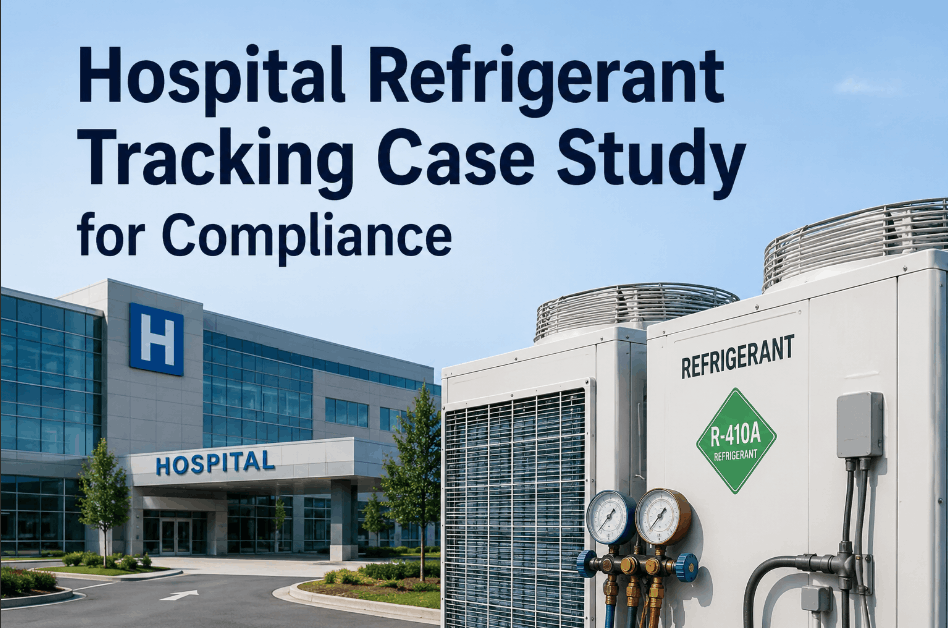
Multi-site retail operations face a unique paradox in facility management: the need for standardized compliance across hundreds of locations while maintaining the operational agility to address local market conditions. For one national retail chain operating over 200 stores nationwide, this challenge reached critical mass in refrigerant management—a domain where EPA regulations demand granular tracking, immediate reporting, and absolute accuracy, yet traditional paper-based systems created visibility gaps that exposed the organization to significant penalty risk. The transformation from fragmented compliance efforts to a unified digital strategy not only eliminated regulatory exposure but delivered unexpected operational dividends, reducing refrigerant costs by 22% while achieving the elusive goal of 100% EPA compliance. This case study examines how systematic implementation of digital refrigerant tracking technology resolved the complexity of distributed HVAC asset management and established a replicable framework for retail chains facing similar regulatory and operational pressures.
From Compliance Chaos to 100% EPA Adherence
How a 200+ Store Retail Chain Transformed Refrigerant Management
The Challenge: Distributed Complexity Meets Regulatory Rigor
Prior to digital transformation, the retail chain's refrigerant management operated as a federation of local practices, with each store maintaining independent records through paper logs, spreadsheets, and disparate software tools. This fragmentation created critical vulnerabilities: delayed leak detection allowed minor seepage to escalate into major losses, inconsistent documentation practices left gaps in EPA Section 608 required records, and the absence of centralized visibility prevented corporate oversight from identifying systemic issues or best practices. Sign up to discover how centralized tracking eliminates these compliance gaps. The financial exposure was substantial—EPA penalties for refrigerant violations can reach $37,500 per day per violation, and with over 200 locations, the multiplier effect of non-compliance created existential business risk. Moreover, the operational costs of refrigerant loss, emergency service calls, and inefficient procurement practices eroded profitability at a time when retail margins faced unprecedented pressure.
Fragmented Documentation
Paper logs and local spreadsheets created audit trails that were incomplete, illegible, or lost during staff turnover
Delayed Leak Detection
Without real-time monitoring, leaks persisted for weeks, resulting in full charge losses and environmental release
Inconsistent Practices
Variable technician training and procedures across regions led to quality disparities in recovery and charging
Procurement Inefficiency
Lack of consumption visibility prevented volume purchasing and resulted in premium pricing for emergency orders
The Solution: OxMaint's Centralized Refrigerant Intelligence
The deployment strategy prioritized rapid standardization without operational disruption, implementing OxMaint's refrigerant tracking module across all 200+ locations within a 90-day window. The platform's architecture addressed the specific pain points of retail distributed assets: mobile-enabled technicians could access equipment histories and log transactions from any location, barcode scanning eliminated manual data entry errors, and automated workflows ensured EPA-required documentation generated instantly with every service event. Book a demo to see how this technology scales across your portfolio. Critical to success was the platform's ability to function in connectivity-challenged environments—rural store locations with intermittent internet could capture data offline and synchronize when connectivity restored, ensuring no service event went unrecorded.
Implementation Strategy: Phased Rollout for Risk Mitigation
Rather than attempting a "big bang" deployment that could overwhelm support resources, the implementation followed a deliberate phased approach. Phase One established the technology foundation and trained regional champions at 20 pilot stores representing diverse climate zones and equipment vintages. Sign up to access implementation methodologies proven across hundreds of deployments. These champions became internal advocates and trainers for subsequent phases. Phase Two expanded to 100 locations, refining integration with existing work order systems and establishing procurement workflows that leveraged aggregated demand for preferential pricing. Phase Three completed the rollout to all remaining stores, with the earlier phases providing troubleshooting experience that ensured smooth adoption. Throughout implementation, dedicated OxMaint support provided configuration assistance, data migration services, and ongoing training to ensure user proficiency.
Foundation Phase
Days 1-30
- 20 pilot stores selected
- Regional champion training
- Baseline compliance assessment
Expansion Phase
Days 31-60
- 100 additional stores
- Procurement integration
- Workflow optimization
Completion Phase
Days 61-90
- Remaining 80+ stores
- Full compliance verification
- Advanced reporting activation
Operational Transformation: Beyond Compliance Checkboxes
The 22% refrigerant cost reduction emerged from multiple operational improvements enabled by centralized visibility. Leak detection accelerated dramatically—automated alerts triggered immediate response when charge levels dropped unexpectedly, preventing the complete system failures that previously required emergency service calls and total recharges. Book a demo to explore how predictive analytics reduce your refrigerant spend. Equipment-level tracking revealed that 15% of the chain's HVAC units accounted for 60% of refrigerant consumption, enabling targeted capital replacement programs that addressed root causes rather than symptoms. Procurement centralization leveraged consumption data to negotiate bulk purchasing agreements, while inventory optimization reduced the working capital tied up in refrigerant stockpiles at individual stores.
Replicate These Results Across Your Portfolio
Whether you manage 20 locations or 2,000, the principles of centralized refrigerant intelligence apply. OxMaint provides the technology and expertise to achieve compliance and cost reduction simultaneously.
Compliance Architecture: Building EPA-Ready Documentation
Achieving 100% EPA compliance required more than data collection—it demanded systematic organization of information into audit-ready formats that demonstrated regulatory adherence without interpretation or assembly. The platform's compliance engine automatically categorized transactions by EPA Section 608 requirements: technician certification verification, recovery equipment documentation, leak repair timeframes, and retrofit/retirement records for high-global warming potential refrigerants. Sign up to ensure your documentation withstands regulatory scrutiny. When EPA inspectors visited select locations, store managers generated comprehensive compliance reports on demand, complete with digital signatures, timestamped entries, and equipment-specific histories that satisfied examination without disrupting operations or requiring corporate legal involvement.
Technician Certification
Automated tracking of EPA Section 608 credentials with expiration alerts
Leak Repair
30-day repair tracking with automatic escalation for commercial comfort cooling
Recovery Documentation
Digital chain-of-custody from equipment to reclamation or destruction
Reporting Automation
Quarterly and annual reports generated with single-click execution
Scalability Insights: Lessons for Multi-Site Operations
The success of this deployment offers transferable insights for any organization managing distributed HVAC assets. First, standardization must precede optimization—establishing consistent data capture across all locations creates the foundation for analytics that drive cost reduction. Second, mobile-first design is non-negotiable for field service operations; technicians will not adopt systems that require return trips to desktop terminals or complex navigation during service calls. Book a demo to experience the mobile interface designed for technician efficiency. Third, change management requires local champions who understand both the technology and the operational realities of their regions. Finally, compliance and cost reduction are complementary rather than competing objectives—the same visibility that prevents EPA violations identifies inefficiencies that erode profitability.
Standardize First
Consistent data capture enables meaningful comparison and optimization across locations
Mobile-First Design
Field adoption requires intuitive interfaces that work reliably in connectivity-challenged environments
Local Champions
Regional advocates accelerate adoption and provide culturally appropriate training
Dual Value Proposition
Compliance visibility simultaneously reveals operational inefficiencies for cost reduction
Technology Integration: The Connected Ecosystem
The refrigerant tracking module did not operate in isolation but integrated with broader facility management systems to create operational synergy. Connection to the chain's work order management system ensured that refrigerant events automatically generated service tickets with appropriate priority levels. Sign up to explore integration capabilities with your existing technology stack. Integration with procurement systems enabled automated reordering when store inventories reached minimum thresholds, while financial system connections attributed refrigerant costs to specific locations and departments for accurate P&L reporting. This ecosystem approach eliminated the data silos that previously required manual reconciliation and provided corporate stakeholders with unified dashboards spanning operational, compliance, and financial metrics.
Your Compliance Success Story Starts Here
Join the retail chains, property management firms, and industrial operators that have eliminated refrigerant compliance risk while reducing operational costs.
Frequently Asked Questions
How long does implementation typically take for a multi-site retail operation?
Implementation timelines vary by portfolio size and complexity, but most retail chains achieve full deployment within 60-90 days using a phased approach. OxMaint provides dedicated implementation support including data migration, system configuration, and user training to ensure rapid time-to-value without operational disruption.
Can the system function in stores with unreliable internet connectivity?
Yes, OxMaint's mobile application is designed for offline operation, allowing technicians to complete service documentation regardless of connectivity status. Data synchronizes automatically when connections restore, ensuring no information loss while supporting rural and remote locations.
What specific EPA Section 608 requirements does the platform address?
The platform automates compliance with technician certification tracking, leak repair documentation (including 30/30 and 30/120 day rules), recovery and recycling records, retrofit and retirement documentation for high-GWP refrigerants, and mandatory reporting for systems with charge sizes exceeding threshold limits.
How does centralized tracking reduce refrigerant costs beyond leak prevention?
Beyond preventing losses, centralized visibility enables bulk procurement negotiations, optimizes inventory levels across the network to reduce working capital, identifies high-consumption equipment for targeted replacement, and eliminates emergency purchasing premiums through predictive maintenance scheduling.
Is the platform scalable for portfolios larger than 200 locations?
Absolutely. OxMaint's architecture supports enterprise-scale deployments with thousands of locations, utilizing hierarchical organizational structures that allow regional autonomy while maintaining corporate oversight. Performance remains consistent regardless of portfolio size, with automated workflows handling high transaction volumes.
What training is required for field technicians to adopt the system?
Most technicians achieve proficiency with basic functions within 30 minutes of hands-on training, given the intuitive mobile interface designed specifically for field service workflows. OxMaint provides video tutorials, quick-reference guides, and in-app help resources, while regional champion programs create internal expertise for ongoing support.