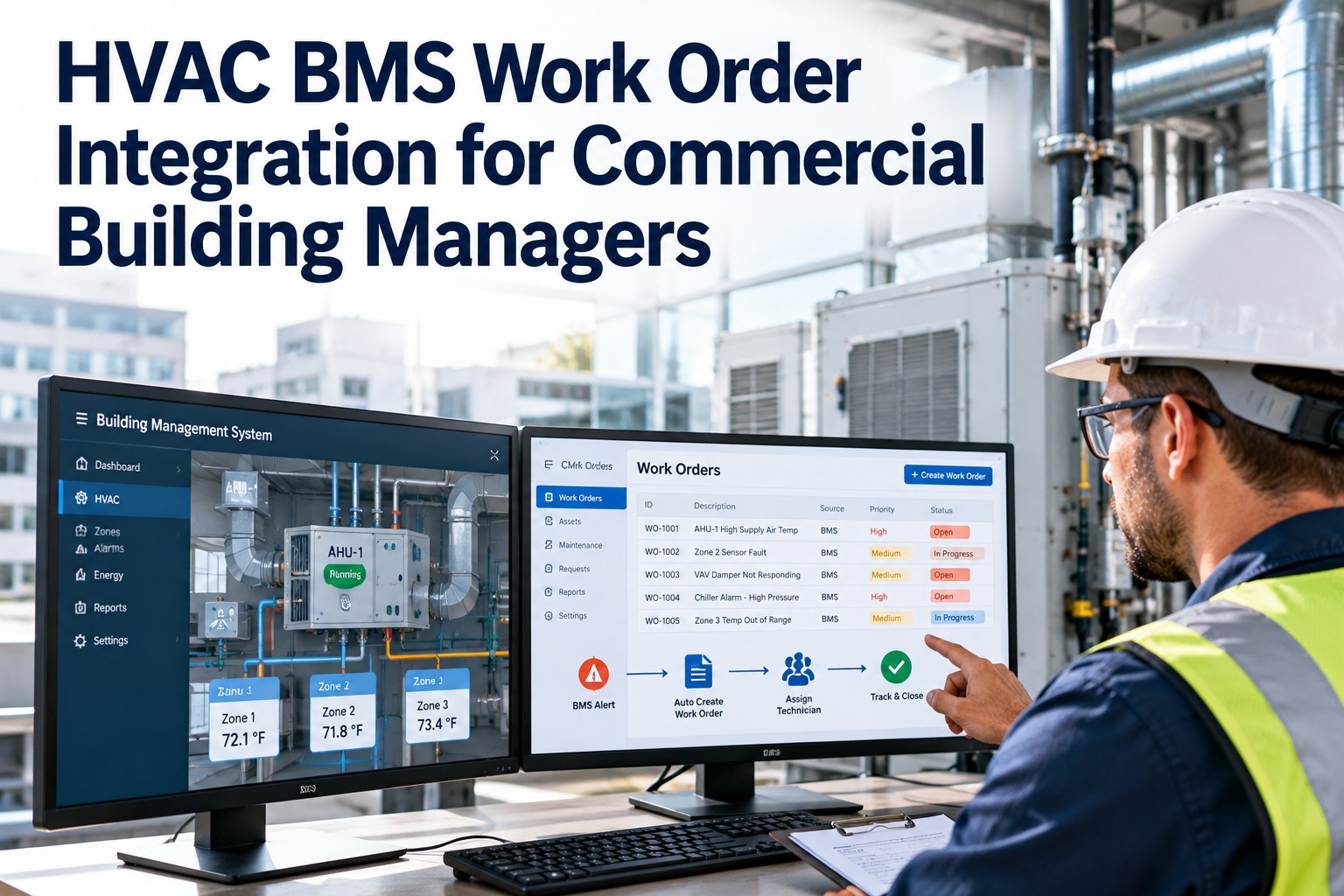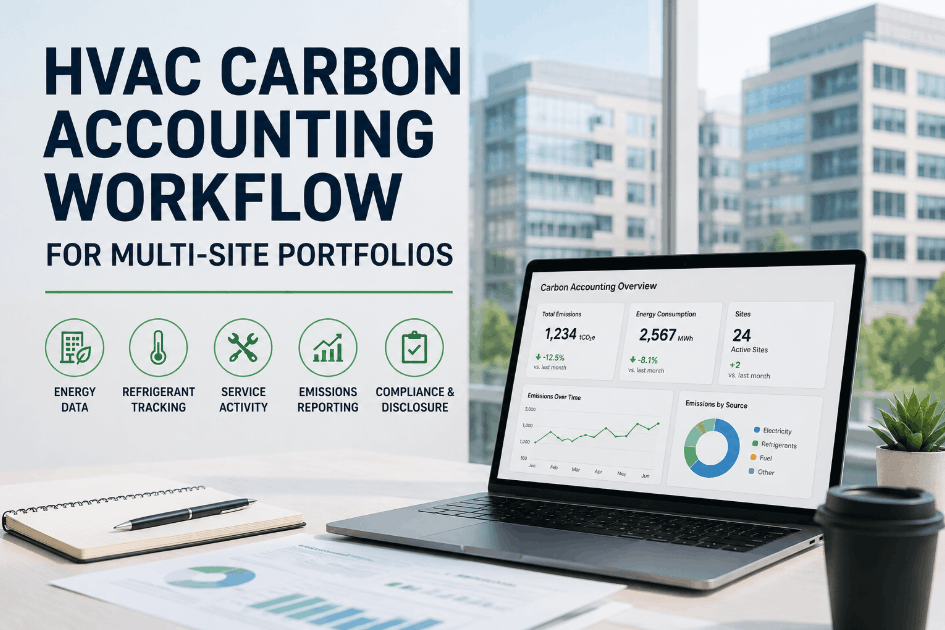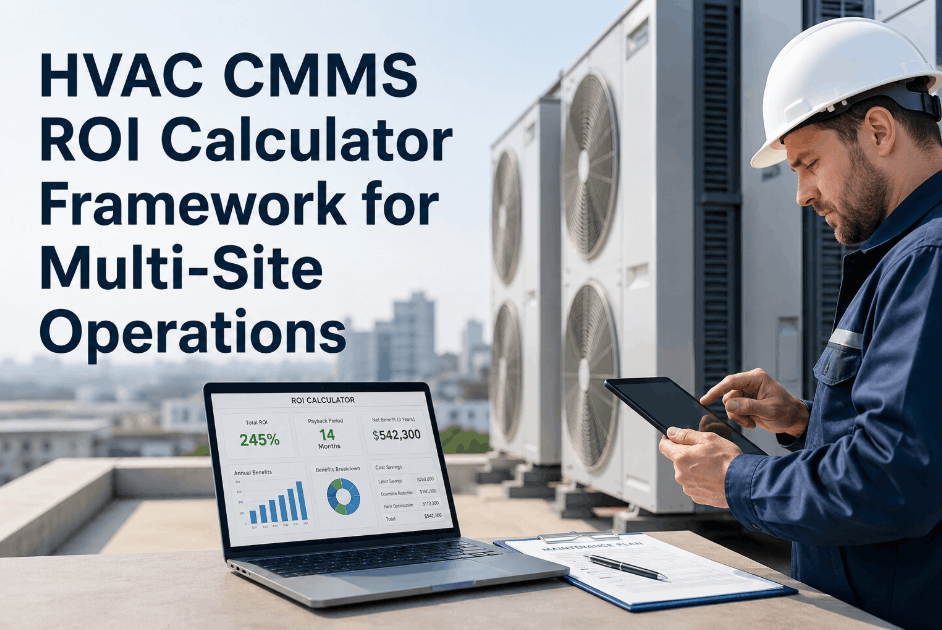
Multi-site retail chains face a maintenance challenge most single-facility operators never encounter: 40, 80, or 200 locations each running HVAC systems on inconsistent service schedules, with different contractors, different documentation formats, and no shared visibility across the portfolio. When one store's AHU fails during peak trading hours, the facilities team finds out through a customer complaint — not a maintenance system. Sign Up Free on OxMaint to see how work order standardization across retail locations replaces reactive chaos with consistent, documented, scalable maintenance delivery. Book a Demo with a multi-site retail facilities specialist.
Retail HVAC Standardization Across Multi-Site Chains
How a 78-location retail chain standardized HVAC maintenance routines, eliminated service delivery inconsistency, and reduced portfolio-wide response delays by 73% using OxMaint's centralized work order management.
The Challenge: 78 Locations, 78 Different Maintenance Approaches
A specialty retail chain operating 78 stores across four regions had no standardized approach to HVAC maintenance. Each store managed its own vendor relationships, service schedules, and paper-based work logs. Regional facilities managers had no visibility into which stores were behind on PM cycles, which assets had open faults, or which vendors were responding within contracted SLAs. The result was predictable: inconsistent comfort conditions across the estate, recurring failures at stores where PMs were skipped, and a head office with no data to drive strategic decisions.
Regional managers had no real-time view into open work orders, overdue PMs, or asset fault history across their store portfolio. Problems surfaced through phone calls, not dashboards.
Stores used 14 different service contractors with varying response time commitments and documentation standards. SLA compliance was unverifiable — no consistent record format existed across vendors.
Preventive maintenance ran on paper-based reminders at store level. High-turnover store management meant PM cycles were routinely missed without escalation — assets degrading silently until failure.
Emergency service calls accounted for 71% of total HVAC maintenance spend but were impossible to correlate with PM compliance gaps. Head office could not identify which stores drove the highest reactive costs.
Before vs. After: OxMaint Multi-Site Deployment
The Solution: Centralized Maintenance Standards Across Every Location
OxMaint was deployed as the single maintenance management platform across all 78 stores, replacing store-level paper logs, spreadsheet trackers, and contractor email threads. Implementation standardized asset records, PM schedules, work order formats, and vendor SLA tracking across the entire portfolio — giving regional managers and head office real-time visibility into every open task and every overdue PM across the chain. Sign Up Free to see the multi-site dashboard configuration.
OxMaint's asset import process built a consistent, searchable asset register across the entire chain — covering RTUs, split systems, AHUs, and exhaust systems at every location. Each asset carries equipment ID, installation date, service history, OEM documentation, and warranty status — visible from any store or from regional and head office views.
OxMaint's PM template library was configured with standardized seasonal maintenance routines — filter changes, coil cleaning, refrigerant checks, belt inspections — deployed uniformly across all sites. Regional managers receive automated alerts when any store's PM compliance drops below threshold. Overdue PMs auto-escalate to the regional level without requiring store team action.
External service contractors were given OxMaint portal access — receiving work orders digitally, updating job status in real time, and closing tasks with completion notes and parts documentation. SLA compliance is tracked automatically per contractor per region, giving procurement teams data to manage vendor performance and contract renewals.
OxMaint's reporting layer aggregates work order data across all 78 stores — surfacing high-frequency failure assets, stores with the highest reactive spend, PM compliance rates by region, and contractor response time distributions. Head office can identify which locations need capital investment and which are being undersupported by contracted vendors — replacing anecdote with data.
Standardize Maintenance Across Your Entire Retail Portfolio
OxMaint deploys across multi-site retail chains in days, not months. Sign Up Free to explore the platform or Book a Demo with a multi-site retail specialist.
Measured Results — 12-Month Summary
Results tracked across 78 retail locations, covering all HVAC assets chain-wide. Baseline: 12 months prior to OxMaint deployment.
| Metric | Baseline | Post-OxMaint | Improvement |
|---|---|---|---|
| Portfolio PM compliance rate | 34% | 91% | +57 pts |
| Avg. fault-to-response time | 6–11 hours | Under 3 hours | -73% |
| Emergency service calls / month | 94 | 39 | -59% |
| Reactive vs. planned maintenance ratio | 71% reactive | 27% reactive | -44 pts |
| Contractor SLA compliance tracking | Not available | 100% tracked, per vendor | Full visibility |
| Cross-site asset visibility | None | Real-time, all 78 sites | Full portfolio view |
| Annual maintenance cost avoided | Baseline | $412,000 | 2.3x ROI / 12 months |
Key Business Impact
Response time reduction from hours to under 3 hours across all stores eliminated the extended comfort failures that drove customer complaints and, in peak trading periods, walk-outs.
Shifting from 71% to 27% reactive maintenance translated directly to lower emergency call-out rates, fewer parts premiums, and better contractor cost control across the chain.
For the first time, procurement had contractor SLA compliance data per vendor per region — enabling contract renegotiations backed by performance evidence rather than anecdote.
Automated PM escalation, digital work order routing, and portfolio dashboards reduced the time regional managers spent chasing store-level maintenance status by an estimated 62%.
Expert Review
The core problem in multi-site retail maintenance is not that any single store's team is incompetent — it is that without a central system, every location develops its own approach, and no single approach scales. When I have seen retail chains attempt to standardize maintenance through policy documents and email reminders, the PM compliance rate typically hovers below 40% regardless of how clearly the standards are written. What actually changes compliance is removing the manual step: when the PM schedule is in the system, the work order is generated automatically, the escalation fires automatically, and the regional manager sees a real-time dashboard rather than waiting for a monthly report. OxMaint accomplishes this without requiring a specialist IT deployment at each store — the platform is configured centrally and accessed by store teams, contractors, and regional managers through the same interface. The contractor SLA tracking benefit tends to be undervalued initially but becomes significant quickly. When vendors know their response times are being measured and compared, performance improves. The portfolio-level spend analysis is equally important: most retail facilities teams are surprised to discover that 15–20% of their locations generate 50–60% of their reactive maintenance costs, and that those locations are almost always the ones with the worst PM compliance. That correlation makes the investment case for standardization self-evident.
See OxMaint Across Your Retail Portfolio — Live
From 10 locations to 500+, OxMaint scales to your chain. Most retail deployments are live within one week. Book a Demo or Sign Up Free to explore the multi-site dashboard.
Frequently Asked Questions
Your Retail Chain Deserves Consistent Maintenance Across Every Location.
Stop managing HVAC maintenance through email threads and phone calls. OxMaint gives your entire chain — stores, regional managers, head office, and contractors — a single platform for standardized, documented, trackable maintenance delivery.