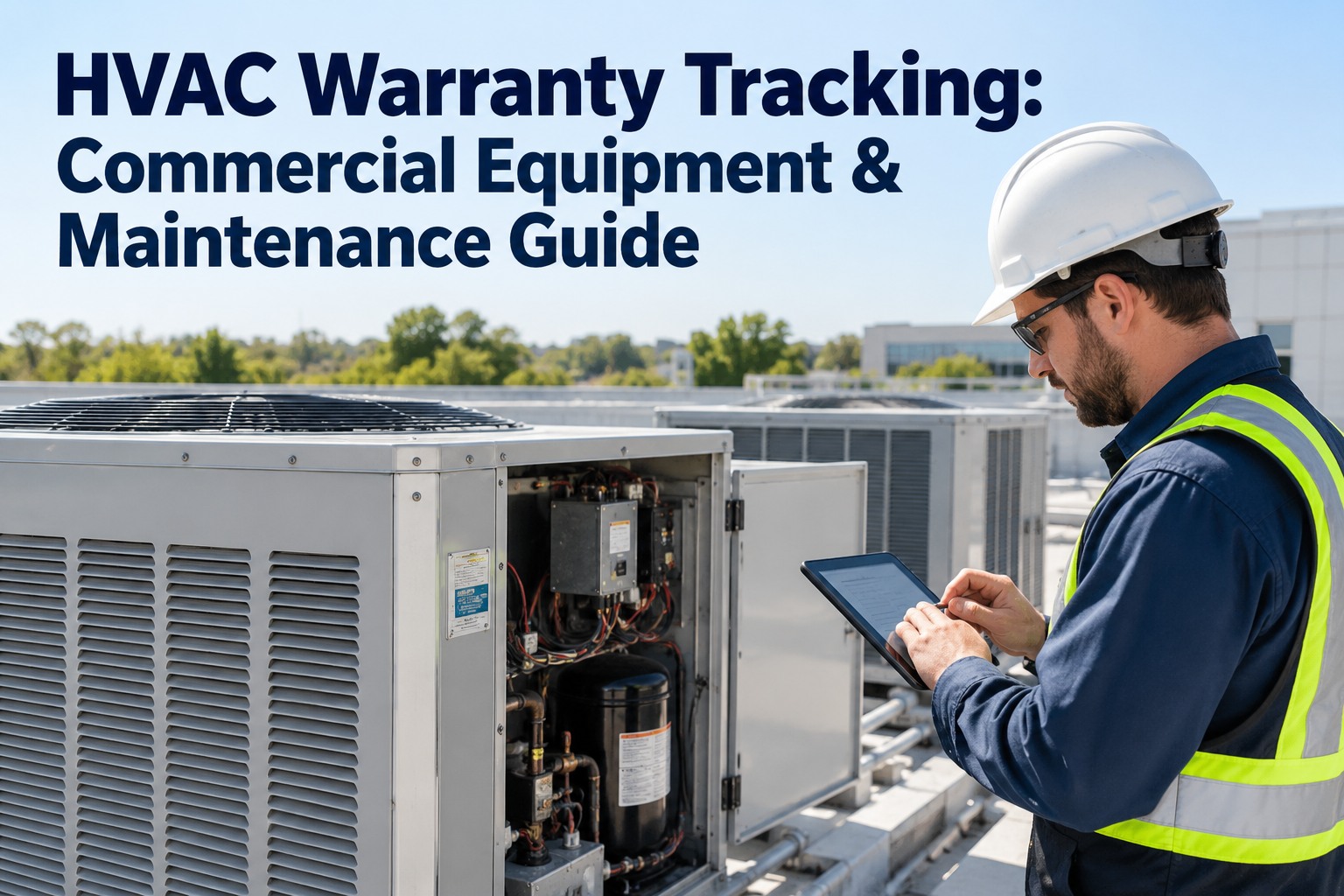
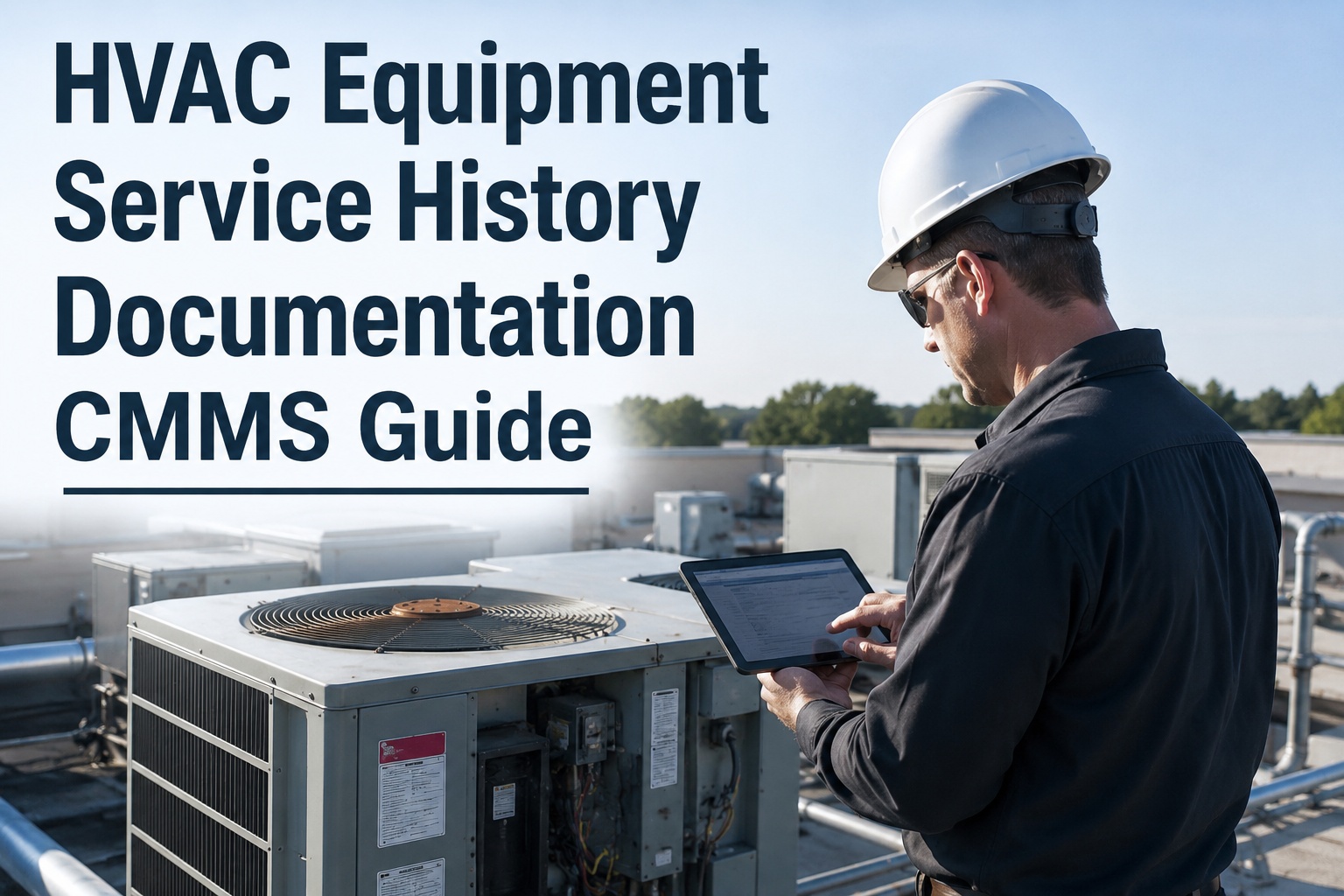
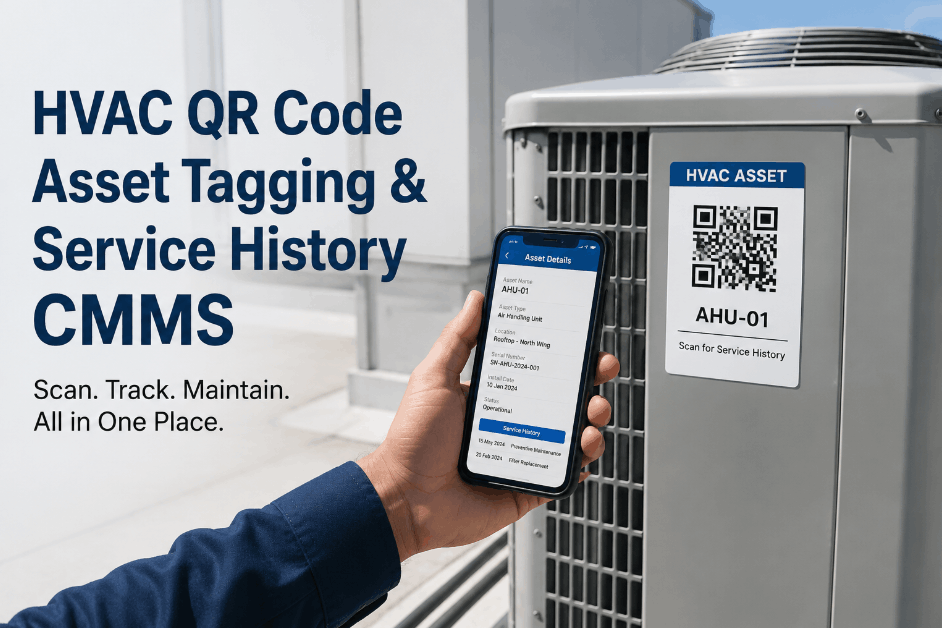
Managing HVAC asset warranties and service history is one of the most overlooked gaps in facility operations. Without a centralized system, warranty expirations go unnoticed, vendor repair records get lost, and replacement decisions are made on guesswork rather than data. Sign Up Free to start tracking every HVAC asset's full lifecycle inside OxMaint CMMS — from installation date to end-of-life replacement. Teams that centralize service records in OxMaint reduce duplicate repair spend by catching under-warranty assets before paying out-of-pocket. Book a Demo to see how OxMaint structures HVAC documentation, warranty alerts, and vendor history in one asset record.
Centralize HVAC Warranty and Service Records in OxMaint
Track warranty expiry, vendor repairs, service documents, and asset replacement decisions — all linked to each HVAC unit.
Why HVAC Warranty Tracking Fails Without a CMMS
Most facility teams track HVAC warranties in spreadsheets, email folders, or not at all. When a compressor fails at month 28 of a 36-month warranty, the team that cannot produce the original installation date and vendor contract pays out of pocket. OxMaint's asset lifecycle management gives every HVAC unit a permanent digital record — linked to its warranty terms, vendor contacts, service reports, and replacement cost benchmarks. Sign Up Free to build that record for every unit in your facility today.
Warranty Expiry Alerts
OxMaint automatically flags HVAC assets approaching warranty expiration — giving procurement and maintenance teams lead time to schedule inspections and file claims before coverage lapses.
Vendor Repair Log
Every vendor visit, part replaced, and labor invoice is logged against the asset record. Repeat failures and warranty claim disputes become instantly traceable with a full service timeline.
Document Attachment
OxMaint's Smart Document Management links installation manuals, warranty certificates, commissioning reports, and compliance documents directly to each HVAC asset — retrievable in seconds from any device.
Cumulative Repair Cost Tracking
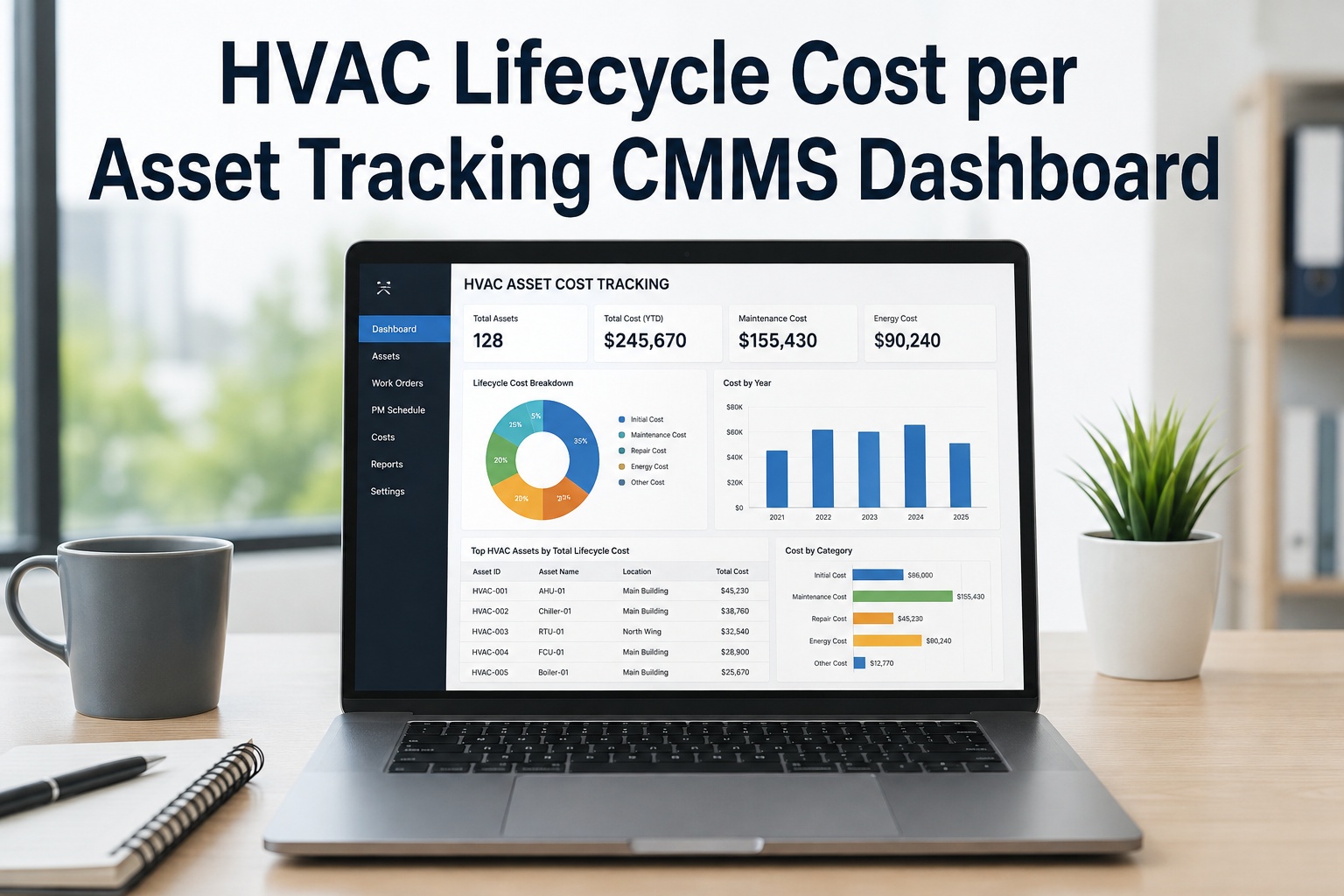
OxMaint aggregates all repair spend per asset over time. When cumulative cost approaches the replacement threshold, the platform surfaces a data-backed capital replacement recommendation.
Service Interval History
PM completion history, filter change logs, refrigerant top-up records, and coil cleaning dates are all tied to the asset — ensuring no service gap goes undetected across multi-site portfolios.
Replacement Decision Support
OxMaint compares remaining warranty coverage, cumulative maintenance spend, and nameplate age to generate a clear repair-vs-replace signal — removing guesswork from capital planning conversations.
What an HVAC Asset Record Should Contain
A complete asset record is the foundation of every downstream decision — from warranty claims to capital budgets. OxMaint structures each HVAC record with the fields that actually matter to maintenance, operations, and finance teams.
HVAC Service History by Asset Type: Tracking Priorities
Different HVAC asset classes carry different warranty structures and failure patterns. OxMaint's asset management module supports custom record templates — so each asset type captures the fields most relevant to its service profile. Book a Demo to see how OxMaint configures HVAC asset templates for your specific portfolio.
Repair vs. Replace: Using Service History to Make the Right Call
The repair-vs-replace decision is only defensible when it is backed by data. Service history volume, age, and cumulative cost are the three inputs that separate a good capital decision from a reactive one.
Pull Cumulative Repair Spend
OxMaint aggregates all work order costs linked to the asset — giving an accurate lifetime repair total without manual spreadsheet reconciliation.
Check Remaining Warranty Coverage
Warranty expiry dates in OxMaint are visible before any repair is dispatched — preventing avoidable out-of-pocket spend on in-warranty assets.
Review Failure Frequency Trend
OxMaint's analytics surface assets with accelerating work order frequency — the clearest leading indicator that a unit is entering its end-of-life failure curve.
Generate Capital Justification Report
OxMaint produces board-ready asset lifecycle reports — combining age, cost history, PM compliance, and replacement benchmark data to support finance approval. Sign Up Free to generate your first report.
HVAC Warranty & Service Tracking: With vs. Without OxMaint
The difference between a planned replacement and an emergency breakdown is almost always a data gap. Book a Demo to see OxMaint's asset lifecycle management features for HVAC teams.
- Warranty certificates stored in filing cabinets or email threads — impossible to retrieve at the moment of failure
- No visibility into cumulative repair spend per unit — replacement decisions made by intuition
- Vendor invoices disconnected from asset records — no pattern recognition on repeat failures
- Warranty expirations missed — out-of-pocket repairs paid on units still under coverage
- Capital requests lack documented history — finance teams delay or deny replacement budgets
- Full asset record with install date, warranty terms, vendor contacts, and all attached documents in one place
- Automated warranty expiry alerts triggered before coverage lapses — time to inspect and file claims
- Every vendor repair logged with parts, labor cost, and technician notes linked to the asset
- Cumulative cost dashboard flags units crossing the 25–30% replacement threshold automatically
- Lifecycle reports built from real asset data — ready for finance, compliance, and capital planning discussions
Stop Losing HVAC Warranty Coverage and Service Data
OxMaint gives every HVAC asset a permanent digital record — warranty terms, vendor history, repair costs, and replacement signals in one platform.
Frequently Asked Questions: HVAC Asset Warranty and Service History Tracking
How does OxMaint track HVAC warranty expiration dates?
Each asset record stores warranty start date, coverage type, and expiry date. OxMaint sends automated alerts as expiration approaches, giving teams lead time to schedule inspections or file claims before coverage ends.
Can vendor repair invoices be attached to the HVAC asset record?
Yes. OxMaint's Smart Document Management links invoices, service reports, and certificates directly to each asset. Any team member can retrieve full vendor history from any device in seconds.
When should an HVAC asset be replaced based on service history?
Replace when annual repair spend exceeds 25–30% of replacement cost, or when a single repair exceeds 50% of asset value on a unit past 15 years. OxMaint surfaces this threshold automatically from cumulative work order data.
What documents should be stored in an HVAC asset record?
Installation manuals, warranty certificates, commissioning reports, refrigerant logs, compliance inspection results, and vendor contracts. OxMaint supports unlimited document attachments per asset record.
Does OxMaint support HVAC asset tracking across multiple facilities?
Yes. OxMaint's enterprise asset management module tracks HVAC assets across unlimited sites — with location-level filtering, cross-site cost benchmarking, and centralized warranty visibility for portfolio-wide oversight.
How does service history data improve HVAC capital planning?
OxMaint compiles age, cumulative repair cost, PM compliance, and failure frequency into lifecycle reports. These reports give finance teams the documented justification needed to approve replacement capital before a crisis occurs.
Every HVAC Asset Deserves a Complete Service Record
OxMaint captures warranty terms, vendor repairs, document history, and replacement signals — so your team always has the data to act before equipment fails.