When outdoor air is cool and dry enough, a water-cooled plant can make chilled water without running its chillers at all. That is the promise of a water-side economizer: cooling tower water passes through a heat exchanger and does the chiller's job. In practice, many plants lose much of that benefit quietly. A fouled heat exchanger, a stuck valve or a drifting sensor keeps the chiller running when it should be off, and nobody notices because the building stays cool. This guide explains how the system works, where free cooling disappears, and how maintenance protects it. OxMaint AI CMMS keeps every plant component on schedule and every fault tracked to a fix.
HVAC Water-Side Economizer and Plant Optimization
When free cooling quietly stops working, the building stays comfortable and the chiller keeps running.
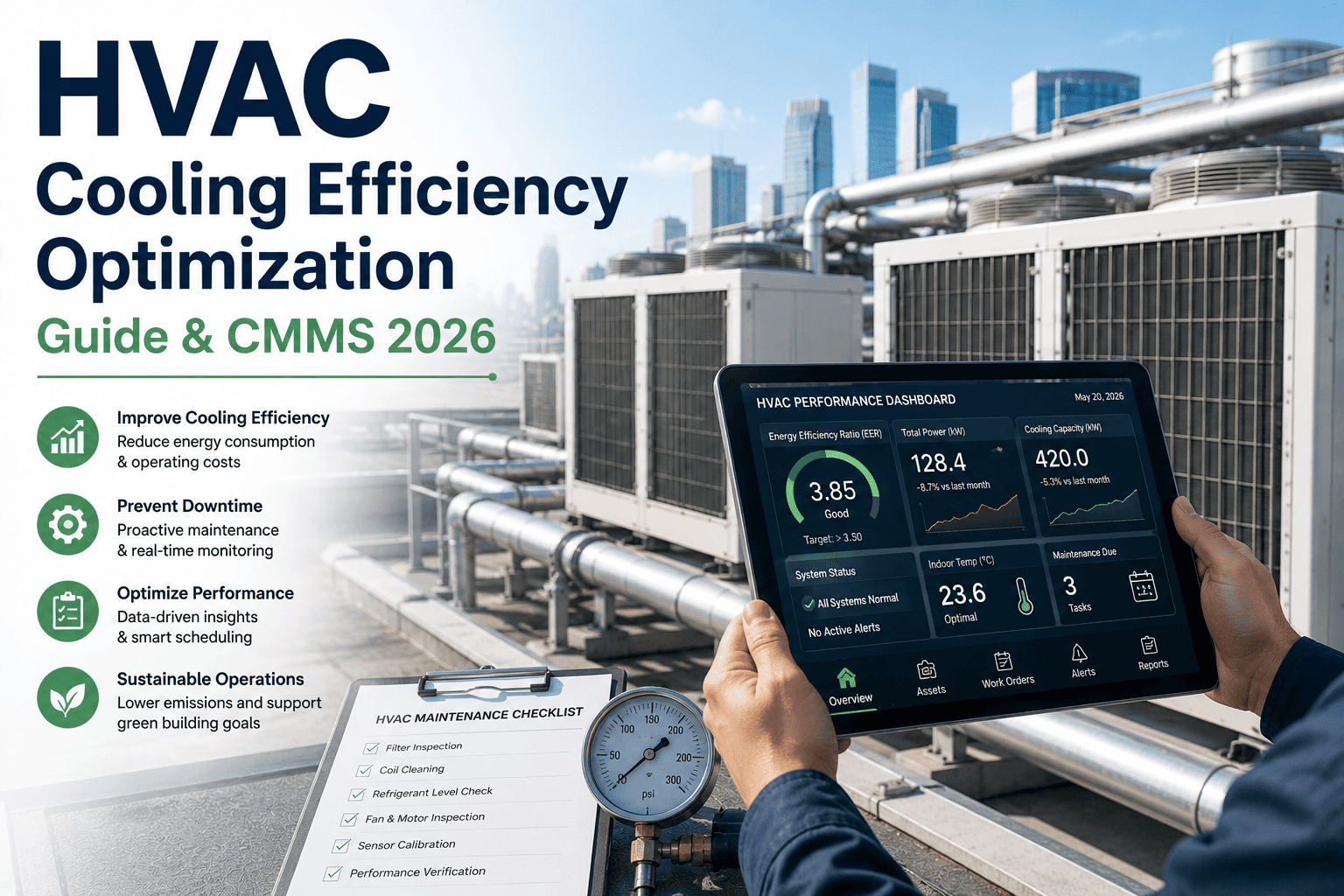
OxMaint AI CMMS connects plant inspections, detected issues, work orders and preventive or predictive maintenance in one platform, so the economizer works when the weather allows.
The result: better asset visibility across chillers, towers, pumps and heat exchangers.
How Free Cooling Works
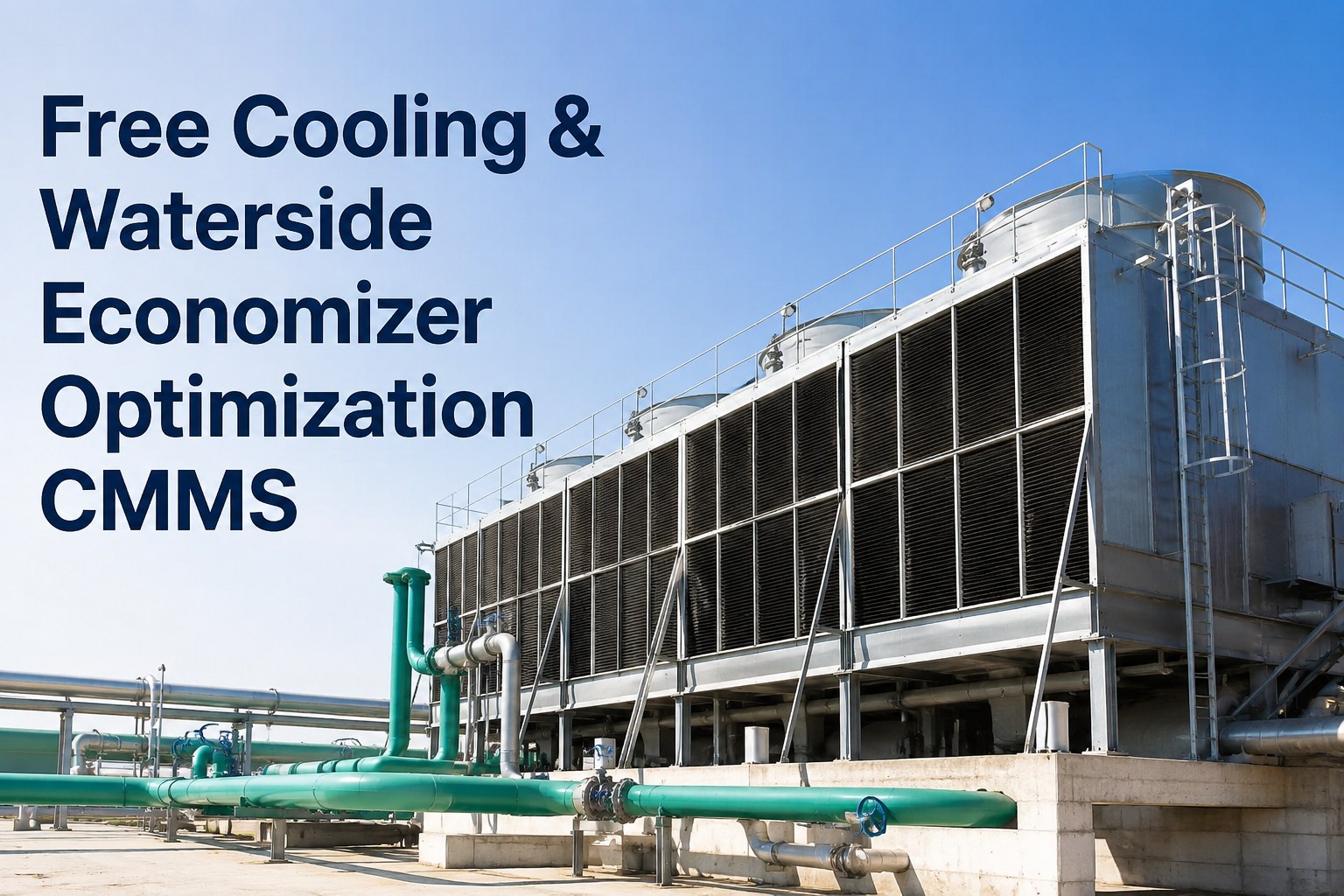
The chiller's condenser water loop already rejects heat in a cooling tower. In economizer mode, that cool tower water chills the building's water through a heat exchanger, and the chiller is bypassed. Start free and track every part of this loop.
When Does the Economizer Work? Follow the Wet-Bulb
Water-side economizers respond to wet-bulb temperature, not just air temperature. The exact switchover points depend on your design and chilled water setpoint. Book a demo to see how plant data fits into OxMaint AI.
Integrated
Can pre-cool water before it reaches the chiller, so the economizer helps even when it cannot do the whole job. ENERGY STAR calls it the better option.
Non-integrated
Runs in place of the chiller only when conditions allow. It is either on or off, with no simultaneous chiller help.
The Chiller Is Cooling. Is It Supposed to Be?
A plant that never reaches economizer mode looks healthy from the comfort side. OxMaint AI keeps plant assets, checks and repair history in one place, so missed free cooling shows up as a work order.
Five Places Free Cooling Disappears
Approach Temperature: The Early Warning
Approach is how close the heat exchanger brings the chilled water to the tower water temperature. As fouling builds, approach rises. Record a baseline, then act when it climbs. Start free and log it with every inspection.
Pre-Season Plant Checklist
| Component | What to check | When |
|---|---|---|
| Heat exchanger | Approach vs baseline, leaks, cleaning needs | Before economizer season |
| Valves & actuators | Full stroke, position feedback, leakage | Before season, then routine |
| Sensors | Wet-bulb, supply and return temperatures against a reference | Annually |
| Controls | Switchover setpoints, overrides, sequence tests | Before season |
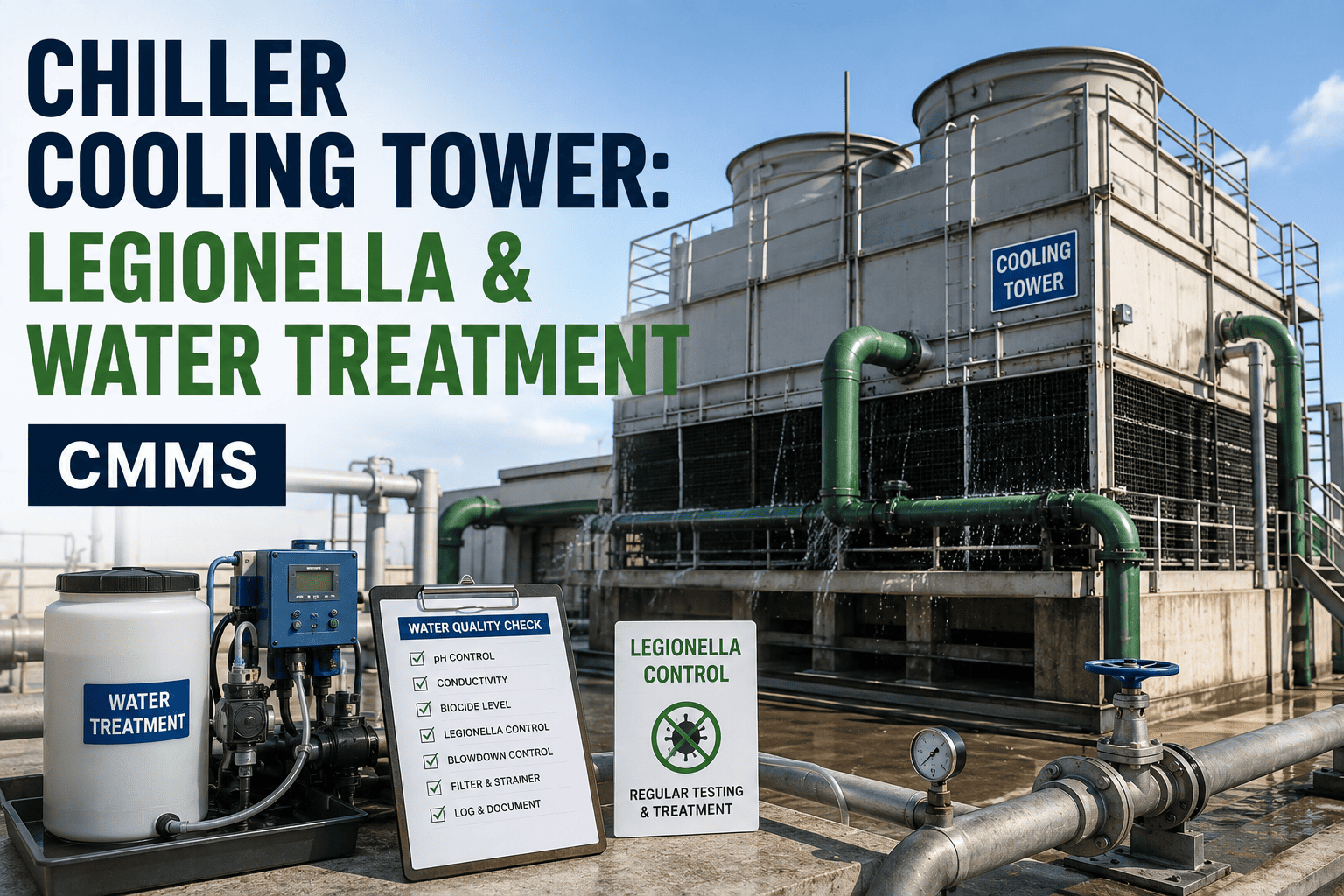
| Cooling tower | Fill, fans, basin, water treatment, cold-weather readiness | Seasonal and routine |
| Pumps | Vibration, seals, runtime | Routine PM |
How OxMaint AI Supports Plant Optimization
Chillers, towers, pumps, valves and heat exchangers with history and QR lookup.
Seasonal and recurring routines scheduled so none are missed.
Digital checklists with readings and photos; failed items create work.
Findings assigned and tracked with labor and parts recorded.
AI reviews sensor, runtime and history data and raises proactive work orders.
Review trends and repeat issues across your plant.
Frequently Asked Questions
Make Sure Free Cooling Is Actually Free.
Schedule the plant checks, record approach and sensor readings, and track every fault to a fix before the economizer season starts.