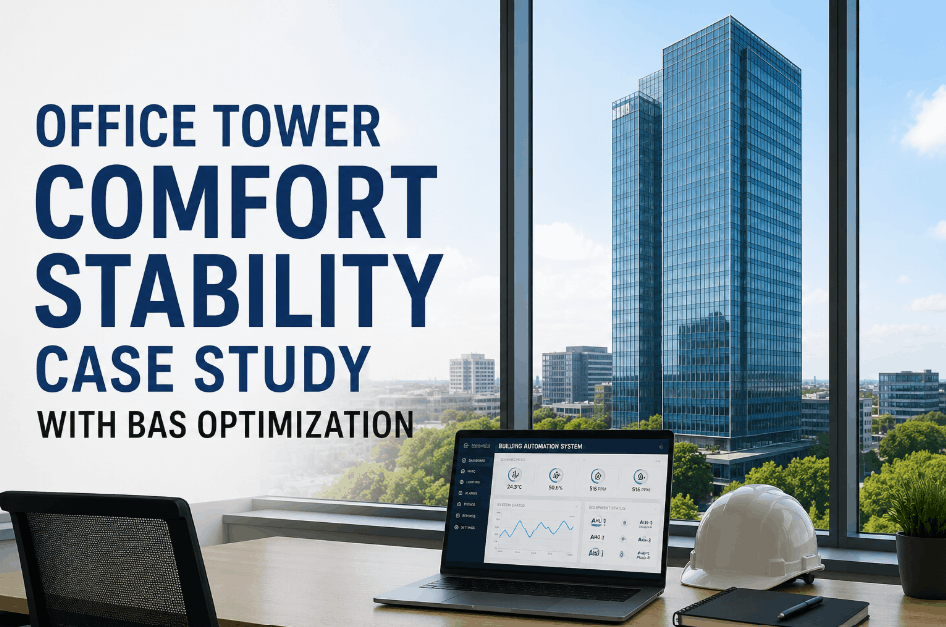
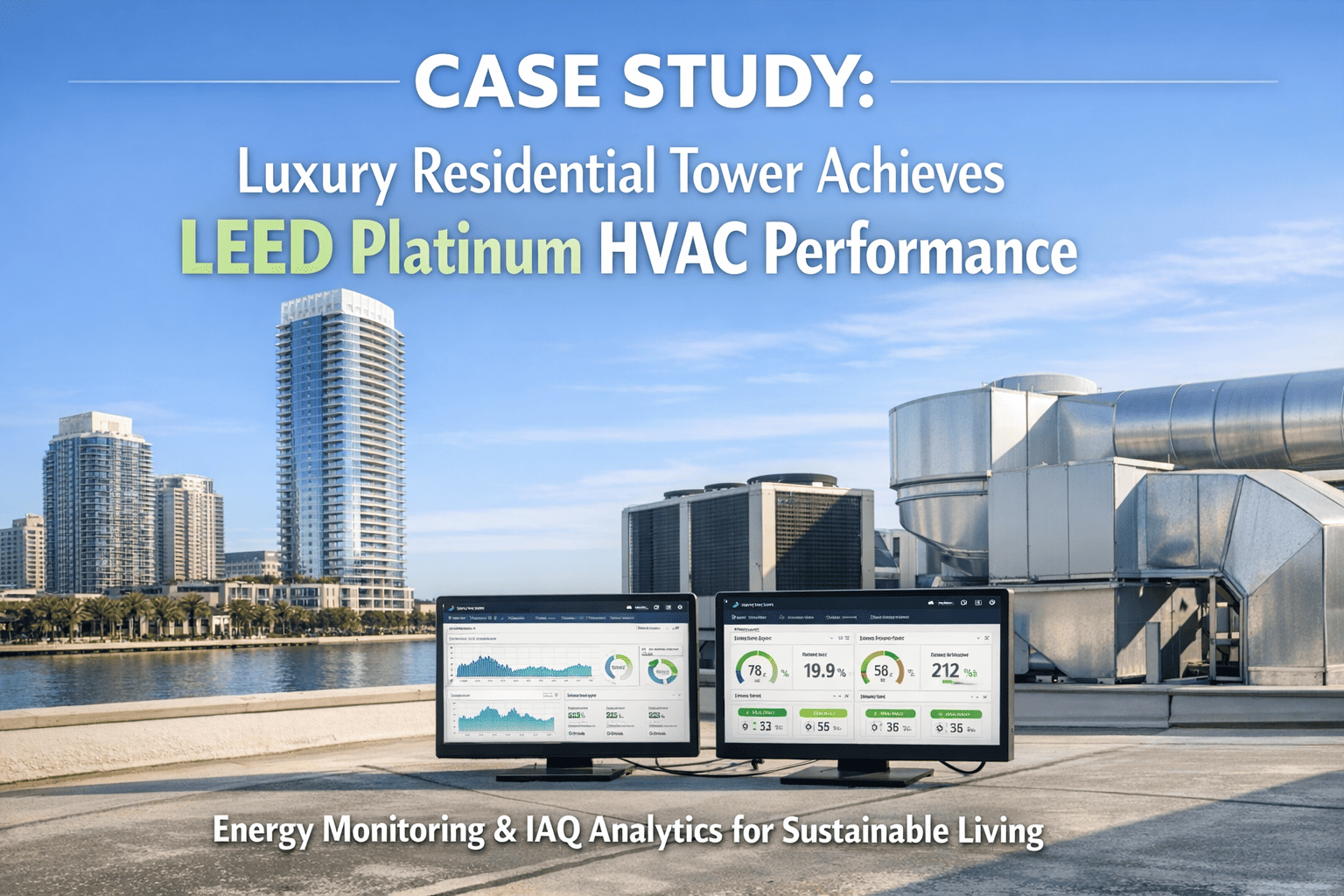
Office tower comfort complaints rarely trace back to one broken unit — they trace back to a building automation system drifting quietly out of tune while complaint tickets and control data live in two different systems. Hot-and-cold calls pile up, the same floor reopens the same complaint every season, and building engineers chase symptoms because nobody can see which zone's setpoint or damper position actually drifted. A single 32-story downtown office tower ran into exactly this pattern: tenant comfort complaints kept climbing even as engineers worked through every ticket, repeat callback floors went unflagged, and property management couldn't tell whether BAS performance was improving or just generating more reactive work. If your office tower is managing comfort complaints without BAS optimization or zone-level drift tracking, Sign Up Free to see how Oxmaint connects work orders to control data for commercial office buildings — or Book a Demo with a building engineering specialist.
BAS Optimization · Zone-Level Drift Tracking · Repeat-Complaint Escalation
Stop Logging Comfort Complaints in the Dark and Start Tying Every Ticket to Real Zone Data
Zone-level sensor data, drift-weighted preventive maintenance, repeat-complaint escalation, and consolidated comfort dashboards — Oxmaint helps building teams turn reactive comfort calls into a system they can actually fix.
Building Profile
The Operation: A Downtown Office Tower Chasing Comfort Complaints With No Link to Control Data
Building Overview
IndustryCommercial real estate — single Class A downtown office tower
Scope32 floors, 640,000 sq ft, 210 tracked HVAC zones and BAS control points
Team5 building engineers, 2 BAS operators, 1 property manager
Prior SystemBAS trend data and tenant comfort tickets tracked in separate systems with no shared zone reference
Oxmaint FeaturesPLC & Sensor Integration · Work Order Management · Preventive Maintenance · Analytics & Reporting Dashboards · Asset Management · Team Management
Baseline Comfort Issues
210/mo
Average monthly comfort complaint tickets logged across the tower
34%
Of complaint tickets traced back to the same floor or zone within 60 days
9 days
Average time before a repeat comfort complaint zone was flagged for root-cause review
Root Cause Analysis
Why Comfort Complaints Kept Climbing Even as Engineers Closed Every Ticket
A review of comfort tickets, BAS trend logs, and engineering callout records revealed four compounding gaps in how complaints were tracked and escalated. None of the issues traced to a lack of skilled engineers — the failure was in connecting complaints to control data. Sign Up Free to bring zone-level comfort tracking to your building — or Book a Demo to see BAS optimization on a live system.
36%
Comfort Complaints Logged With No Link to BAS Zone or Setpoint Data
Tickets captured tenant name and floor but not the underlying zone control point, so engineers couldn't see whether a complaint matched an actual setpoint or damper drift.
28%
Preventive Maintenance Stayed Reactive Instead of Tracking Drift Patterns
PM ran on a fixed calendar regardless of how a zone's actual control behavior was trending, so drifting dampers and valves weren't caught until a tenant complained.
24%
Repeat Comfort Complaints on the Same Floor Went Unescalated
Each new ticket on a chronically uncomfortable floor was treated as a fresh, unrelated request, letting the same root cause recur for an entire season before anyone connected the pattern.
12%
No Reporting Connected Complaint Volume to BAS Control Performance
Property management reviewed complaint counts and BAS trend reports separately, with no shared dashboard tying tenant experience back to actual control behavior.
The Solution
How Oxmaint Linked Comfort Complaints to Zone-Level BAS Performance
The building deployed Oxmaint to connect every comfort ticket to live zone data, weight PM schedules by actual drift, and flag repeat-complaint zones automatically. Sign Up Free to see zone-linked work orders on your own building — or Book a Demo to walk through repeat-complaint escalation live.
01
Sensor and PLC Integration Linked BAS Zone Data to Every Work Order
Oxmaint's PLC and sensor integration pulled live zone temperature, setpoint, and damper position data into the same asset record used for comfort complaint tickets, so every ticket now carries its actual control context.
02
Preventive Maintenance Schedules Now Respond to Zone Drift Trends
Instead of a fixed calendar, PM tasks for dampers, valves, and VAV boxes are weighted by how far a zone has drifted from setpoint, catching mechanical issues before they generate a tenant call.
03
Repeat-Complaint Zones Are Automatically Flagged for Root-Cause Review
When a floor or zone generates more than a defined number of comfort tickets within a window, Oxmaint escalates it for engineering review instead of routine ticket closure.
04
Consolidated Dashboards Connect Complaint Volume to Control Performance
Property management now sees comfort ticket volume next to BAS zone performance on one dashboard, showing whether engineering work is actually improving tenant experience.
Results at 90 Days
Complaint Volume, Escalation Speed, and Callout Reduction Three Months After Deployment
47%
Reduction in monthly comfort complaint volume across the tower
3 days
Average time to flag a repeat comfort zone — down from 9 days
100%
Of comfort tickets now linked to zone-level BAS data
62%
Of flagged repeat zones resolved at the mechanical root cause instead of symptom patching
21%
Reduction in reactive after-hours engineering callouts
2.4×
ROI on Oxmaint platform cost within 90 days from reduced callouts and faster resolution
| Metric |
Before Oxmaint |
90 Days After |
Change |
| Monthly comfort complaint volume |
210 average tickets |
~111 average tickets |
-47% |
| Time to flag a repeat comfort zone |
9 days average |
3 days average |
-67% |
| Tickets linked to zone-level BAS data |
0% linked |
100% linked |
+100% |
| Repeat zones resolved at root cause |
Untracked baseline |
62% of flagged zones |
+62% |
| After-hours engineering callouts |
Baseline monthly rate |
21% reduction measured |
-21% |
| Platform ROI |
Not measured |
2.4× within 90 days |
2.4× |
Key Business Impact
What BAS Optimization Means for Office Tower Comfort Stability
Tenant comfort complaints are almost never about one broken piece of equipment — they're about a zone drifting out of tune for weeks before anyone notices the pattern. When complaint tickets and BAS data live in separate systems, engineers end up reacting to symptoms one call at a time instead of fixing the zone. Linking work orders directly to control point history is what lets a small engineering team catch drift before it becomes a season of repeat callbacks. Oxmaint gives building teams that connection without replacing the BAS itself.
Priya Anand, Commercial Office Building Engineering & Tenant Comfort Specialist
12 years building operations engineering · Former chief engineer, Class A downtown office tower · Specialist in BAS performance, comfort complaint root-cause analysis, and zone-level reporting for commercial office properties
Zone-Linked Tickets · Drift-Weighted PM · Fewer Repeat Calls
Give Your Building Engineers Comfort Data They Can Actually Act On
Zone-level sensor data, drift-weighted preventive maintenance, automated repeat-complaint escalation, and consolidated comfort dashboards — Oxmaint helps building teams fix the cause instead of chasing the call.
FAQs
Frequently Asked Questions
How does Oxmaint connect tenant comfort complaints to BAS performance data?
Through PLC and sensor integration that ties zone temperature, setpoint, and damper data to the same work order record as the complaint ticket.
Can Oxmaint flag office floors with repeat comfort complaints automatically?
Yes. When a zone exceeds a defined number of tickets within a window, it's automatically escalated for root-cause review.
Does Oxmaint adjust preventive maintenance schedules based on zone drift?
Yes. PM tasks are weighted by how far a zone's actual control behavior has drifted, not just a fixed calendar.
How does Oxmaint report on tenant comfort across an office tower?
Consolidated dashboards show complaint volume next to BAS zone performance for the whole building in one view.
How long does BAS optimization setup take with Oxmaint?
Most building teams connect zone data and configure escalation rules within the first one to two weeks.
Every Zone, One Comfort Standard
Bring BAS Optimization and Zone-Level Drift Tracking to Your Office Tower
Oxmaint brings zone-linked work orders, drift-weighted PM, repeat-complaint escalation, and consolidated comfort dashboards to commercial office building teams — without replacing your BAS.