Two technicians, same task, two different ways of doing it. One follows the latest procedure, the other works from a laminated sheet that was replaced two revisions ago, and a third relies on what an experienced colleague once showed them. When procedures live in binders, shared drives and people's heads, quality varies by who is on shift. OxMaint AI puts the right SOP inside the work order, so the procedure arrives with the job, on the technician's phone, in its current version.
Manufacturing Maintenance SOP Management for Technicians
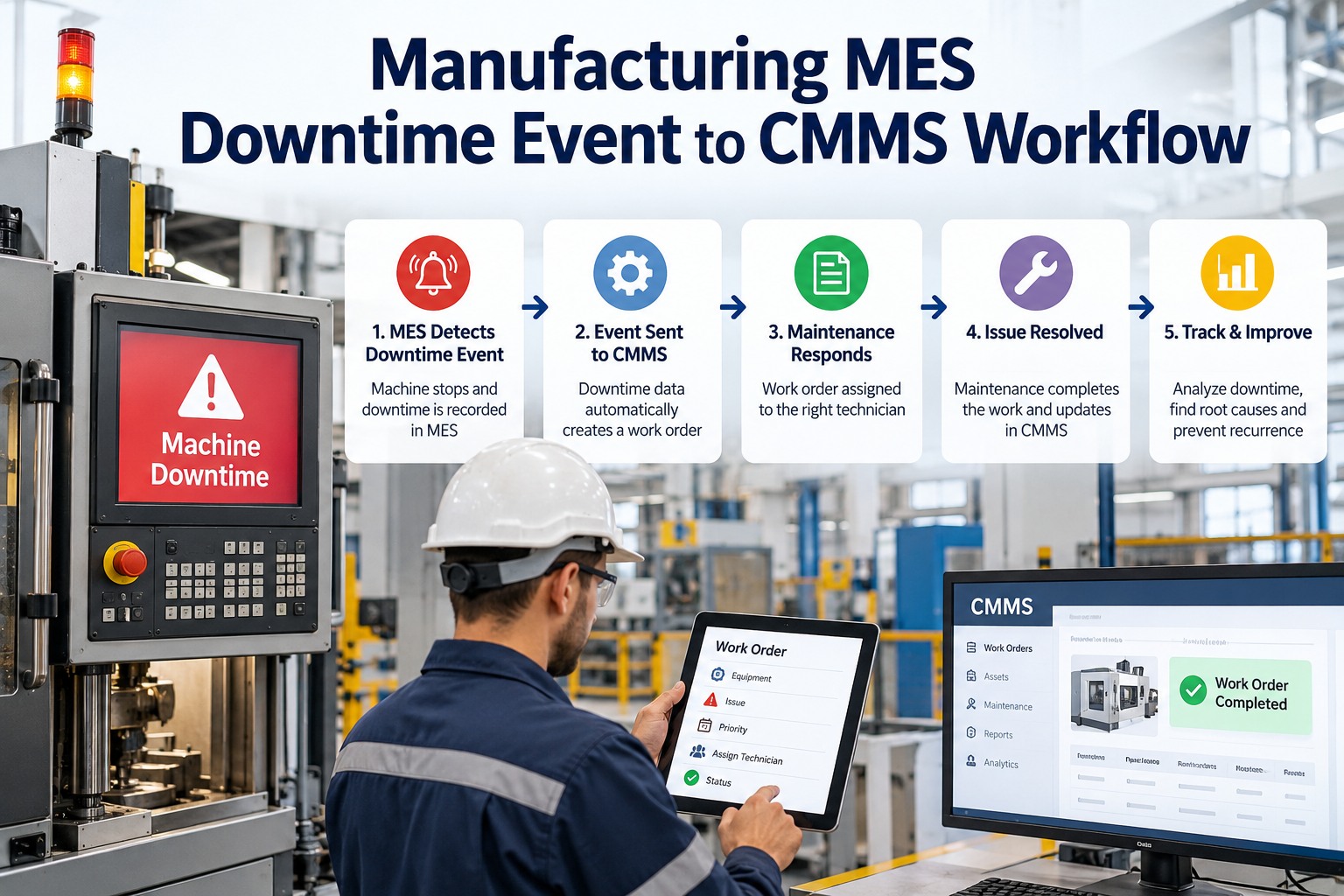
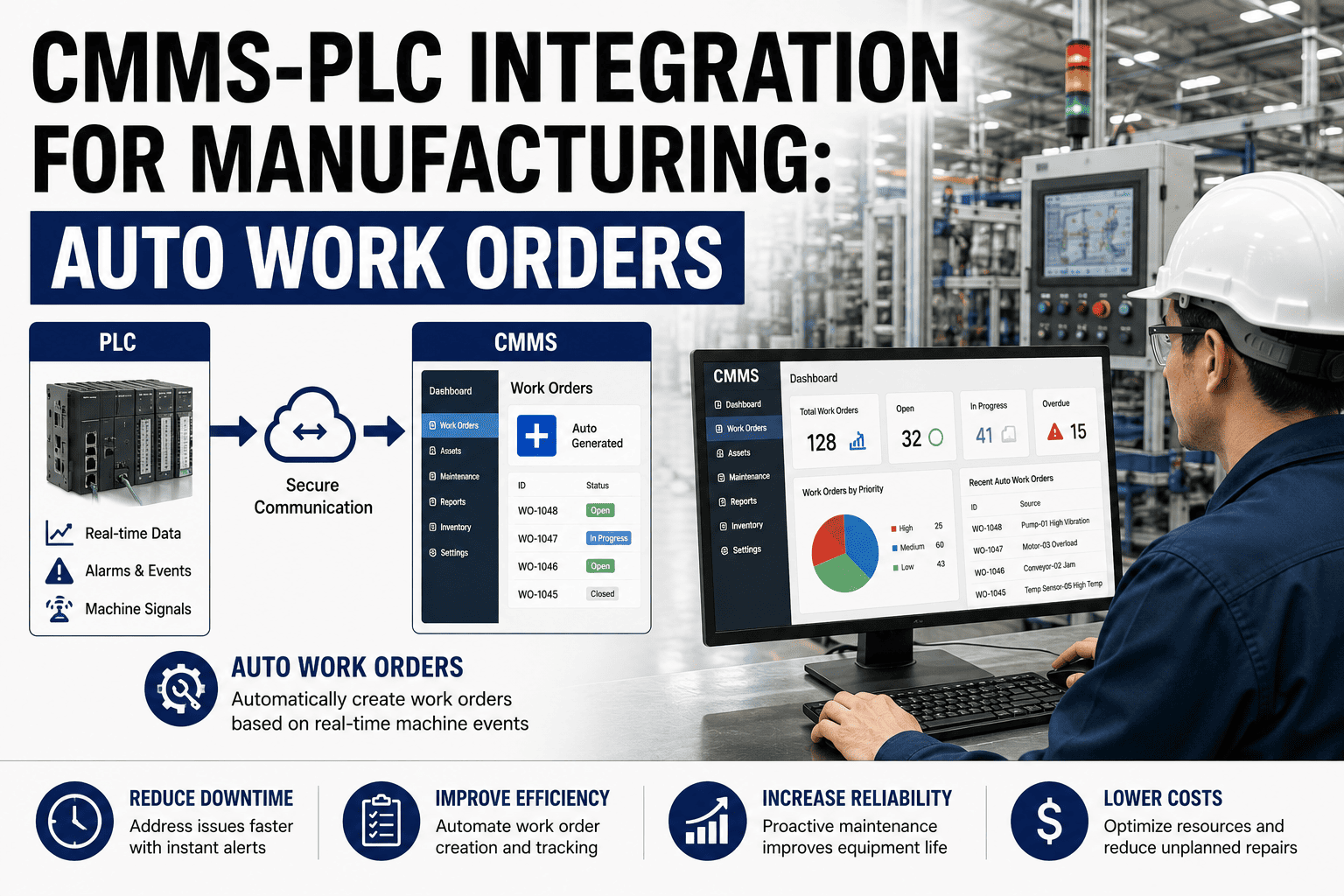
Write the procedure once, attach it to the asset, and put it in front of the technician at the moment of the job. OxMaint AI connects the full workflow in one platform: requests and inspections raise issues, issues become work orders with the SOP attached, and completed work feeds preventive and predictive maintenance.
Consistent execution and better visibility of how every job is done.
What Goes Wrong Without SOP Control
Most plants have procedures. The problem is that nobody can be sure which version is in use, or that it was followed. Start free and bring your SOPs into one place.
- Paper copies in different revisions
- Steps lost in long, text-heavy documents
- Know-how kept by a few senior technicians
- No proof the task was done to procedure
- Findings never flow back to the SOP
- One current version, linked to the asset
- Step-by-step mobile checklists with photos
- Standard work available to every shift
- Completion recorded on the work order
- Feedback loops back into revisions
Anatomy of a Procedure Technicians Actually Use
Short, visual and specific beats long and thorough. A good SOP answers five questions before the technician picks up a tool. Book a demo to see a checklist-style SOP.
The SOP Lifecycle: A Loop, Not a Document
A procedure that never changes is usually a procedure nobody is reading. Treat it as a cycle. Start free and run the loop.
The Best Method Shouldn't Retire With the Person Who Knows It.
When the experienced technician's way of doing the job is written down, attached to the asset and available to everyone, the next shift starts from the best-known method, not from scratch.
Which SOPs to Write First
Don't document everything at once. Start where inconsistency costs the most. Book a demo to plan your first set.
Link SOPs to a Skills Matrix
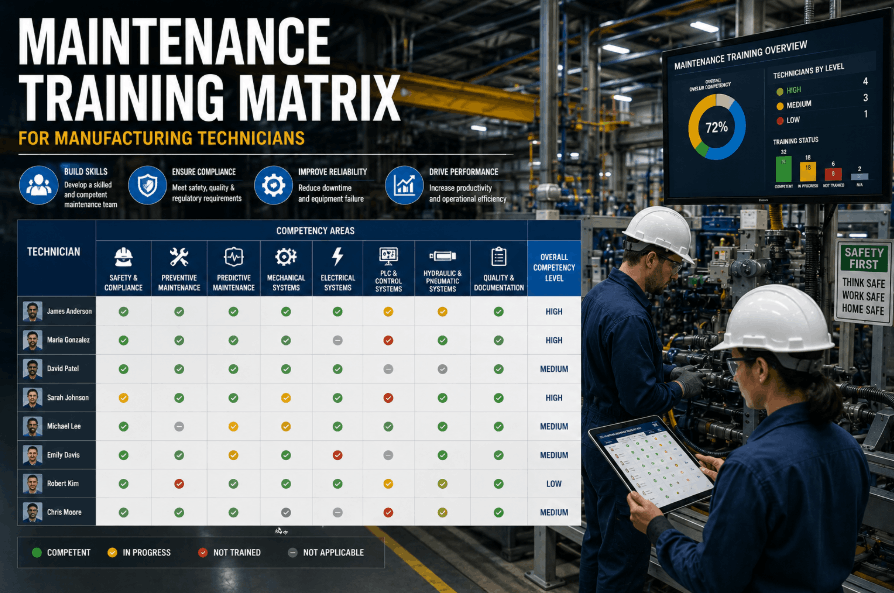
A procedure is only as good as the person following it. A simple matrix shows who is trained on which task, so jobs go to qualified people and training gaps are visible. Start free and assign by skill.
| Technician | Lockout | Gearbox service | Alignment | PLC basics |
|---|---|---|---|---|
| Technician A | Trains others | Independent | Independent | Learning |
| Technician B | Independent | Learning | Not trained | Independent |
| Technician C | Learning | Not trained | Learning | Not trained |
Illustrative example. Levels and tasks are set by your own training program.
Rollout in Four Steps
Frequently Asked Questions
Make Good Work the Default.
When the right procedure arrives with every job and every result is recorded, quality stops depending on who is on shift. Bring your SOPs, skills and work orders into one platform.