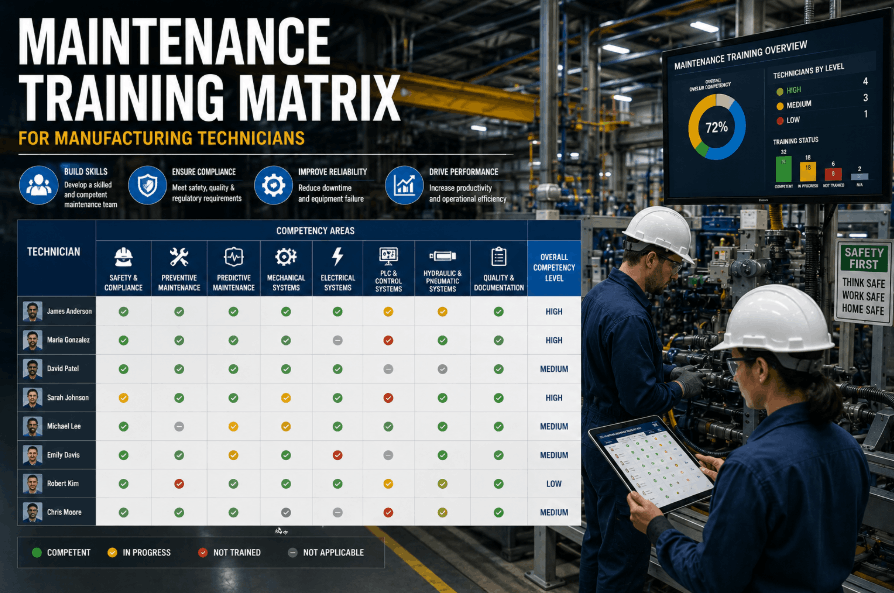
In manufacturing plants, maintenance performance depends as much on technician skill readiness as it does on equipment condition. When a CNC machine fails at 2 AM or a conveyor drive trips during peak production, the repair speed and quality are determined entirely by whether the right technician has the right skills — documented, practiced, and verified. A maintenance training matrix gives plant managers and reliability teams clear visibility into who can do what, where skill gaps exist, and which training investments will reduce downtime fastest. Sign Up Free to connect your technician skills data with work order history inside OxMaint's CMMS and identify the training gaps costing your plant the most. Without a structured training matrix, facilities operate with invisible risk — cross-trained coverage that exists only on paper, technicians assigned to jobs beyond their competency level, and recurring failures caused by incorrect repair procedures. Book a Demo to see how OxMaint links technician skill profiles to asset criticality so you can prioritize training where it delivers maximum reliability. Plants that formalize technician competency tracking see 25–40% faster mean-time-to-repair and significantly fewer repeat failures on complex equipment. A maintenance training matrix is not an HR exercise — it is a reliability tool. Sign Up Free to start building your plant's skills inventory today.
Technician Skill Readiness Platform
Know Exactly Who Can Fix What — Before Equipment Fails
OxMaint connects your maintenance training matrix to real work orders, asset criticality rankings, and PM schedules — so you close skill gaps before they become downtime incidents.
Why Manufacturing Plants Need a Maintenance Training Matrix
The Hidden Skill Gaps Driving Longer Downtime and Repeat Failures
No Visibility Into Skill Coverage
A
Most plants have no structured record of which technicians are qualified on which equipment types. When an asset fails, supervisors rely on memory or tribal knowledge to assign the right person — often incorrectly. A training matrix eliminates guesswork with documented, verified skill levels for every technician.
Single-Point Skill Dependency
B
Critical repair knowledge lives inside one technician's head. When that person is absent, on leave, or exits the company, the plant loses its ability to service key assets effectively. Training matrices reveal these single-source risks so management can act before the bottleneck causes a production crisis.
Inconsistent Repair Quality
C
Without documented competency levels, different technicians follow different repair procedures on the same asset type. Quality varies, causing recurring failures and extended MTTR. Standardizing skills through a training matrix ensures consistent, procedure-driven repair execution across all shifts and teams.
Unaligned Training Investments
D
Training budgets get spent on generic certifications that don't address the plant's actual failure patterns. A maintenance training matrix, linked to asset failure history, directs training spend to the skill gaps with the highest downtime impact — delivering measurable ROI instead of checkbox compliance.
No Succession Planning for Maintenance
E
As experienced technicians retire, plants lose decades of equipment knowledge with no structured transition. A training matrix combined with documented repair procedures creates a knowledge transfer system — preserving institutional expertise and enabling faster onboarding of incoming technicians.
Slow Emergency Response Assignments
F
During unplanned failures, supervisors waste 20–40 minutes identifying who has the skills to respond. A live training matrix with mobile access lets any supervisor immediately find the nearest qualified technician, cutting emergency response time and reducing total downtime duration on every incident.
25–40%
faster mean-time-to-repair when technicians are pre-qualified on specific asset types
60%
of plants report skill gaps as a top-3 contributor to maintenance delays and recurring failures
3×
higher training ROI when programs are linked to actual asset failure history and downtime data
How to Build a Maintenance Training Matrix: Six-Step Framework
Structured Approach to Documenting, Verifying, and Closing Technician Skill Gaps
1
Inventory Critical Assets and Required Skill Domains
List all equipment in your plant by criticality tier. For each asset category — electrical systems, hydraulics, pneumatics, robotics, CNC, conveyor — define the skill domains required for safe and effective maintenance. This becomes the column structure of your training matrix.
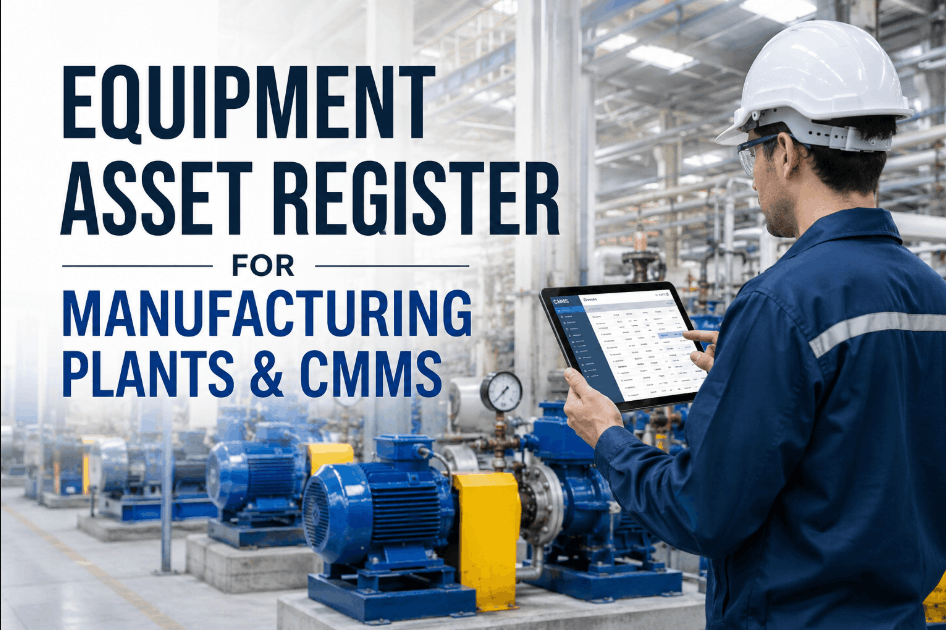
Book a Demo to see how OxMaint auto-generates asset skill requirements from your existing equipment registry.
2
Define Four-Level Competency Scale
Assign each skill a 4-level rating: Level 1 (Awareness), Level 2 (Assisted), Level 3 (Independent), Level 4 (Can Train Others). This granular scale reveals whether a technician can perform a task solo or needs supervision — a critical distinction during emergency response and shift coverage planning.
3
Assess Current Technician Skill Levels
Conduct structured assessments — practical demonstrations, written tests, and supervisor evaluations — for each technician against defined skill domains. Avoid self-assessment only; verified competency levels tied to observed performance deliver more accurate gap identification and prevent assignment mismatches.
4
Map Coverage Gaps to Asset Criticality
Cross-reference skill gaps against asset criticality rankings. A skill gap on a non-critical asset is a low-priority training opportunity. A skill gap on your highest-OEE-impact equipment is an urgent downtime risk. Prioritize cross-training investments based on production exposure, not generic training calendars.
5
Build and Execute Targeted Training Plans
Create individual development plans for each technician addressing the highest-priority gaps. Training methods include OEM courses, internal mentoring, job shadowing, and procedure-based practice. Track completion, update skill ratings, and verify competency before closing each training milestone.
Sign Up Free to manage training records inside OxMaint alongside work order and PM data.
6
Review, Update, and Connect to CMMS Data
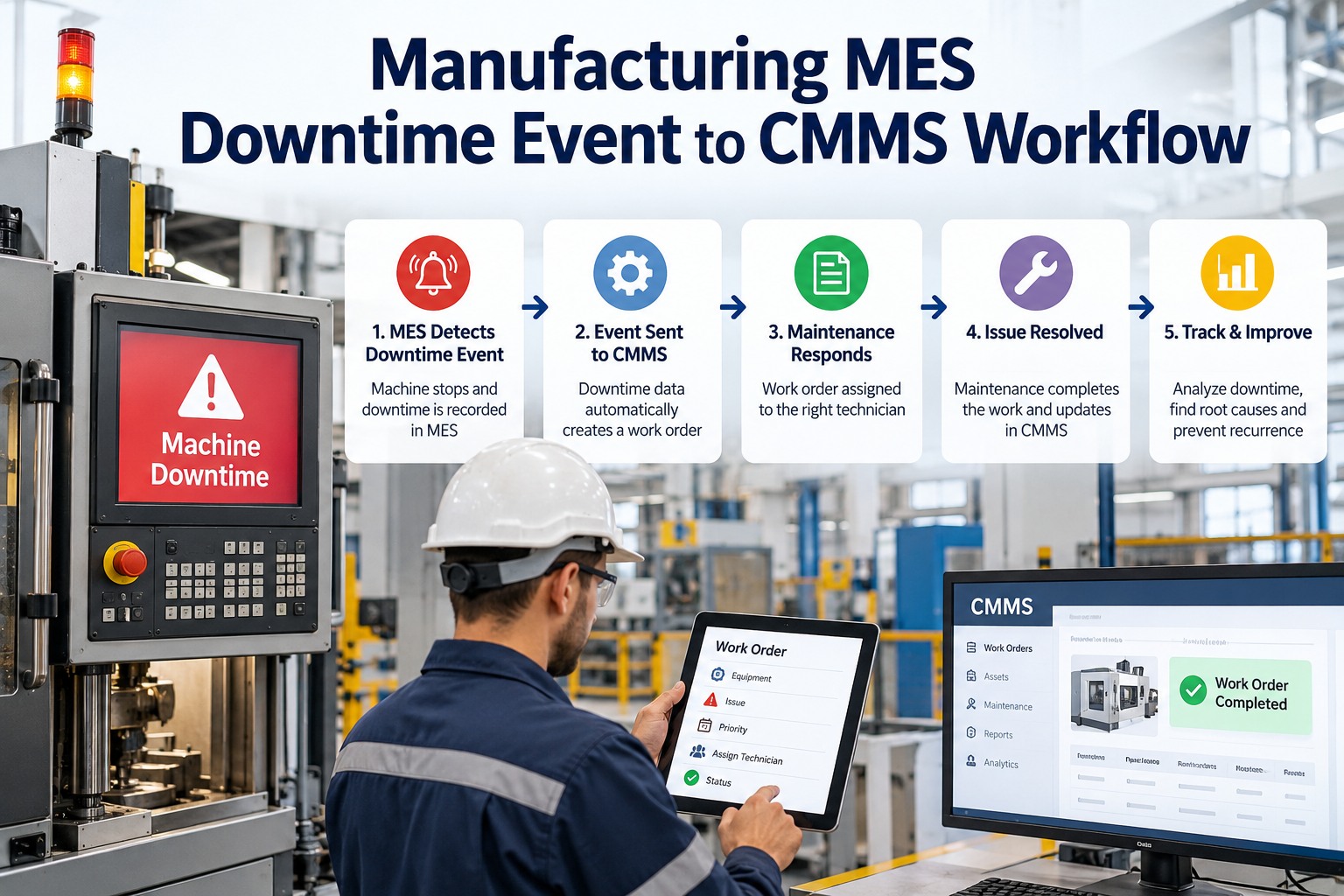
Refresh skill assessments every 6–12 months and whenever new equipment is introduced. Link training matrix data to your CMMS so work order assignments automatically consider technician skill level — preventing under-qualified assignments and ensuring the right person responds to every failure event, every time.
Maintenance Training Matrix: Key Components and Best Practices
What a Production-Ready Training Matrix Must Include
- All technicians listed by name and shift
- Skill domains mapped to equipment categories
- 4-level competency rating per skill per technician
- Last assessment date recorded for each entry
- Minimum 2 qualified technicians per critical asset
- 24/7 shift coverage mapped for each equipment tier
- On-call escalation paths documented per asset
- Contractor backup identified for specialist skills
- Training completion linked to certification records
- Expiry dates tracked for time-limited qualifications
- OEM training certificates stored and accessible
- Safety qualification status current for all technicians
- Skill data linked to work order assignment rules
- Training gaps flagged in maintenance scheduling
- MTTR tracked by technician skill level for analysis
- Training ROI measured via downtime reduction data
Calculating the ROI of a Maintenance Training Matrix
Why Technician Skill Investment Delivers Measurable Production Returns
Reduced MTTR Per Incident
Average repair time reduction (hours) × downtime cost per hour × number of incidents annually
Example: 2 hrs saved per incident × $3,000/hr × 24 incidents/year = $144,000 annual savings
Fewer Repeat Failures
Recurring failure incidents eliminated × average downtime cost per incident
Example: 8 repeat failures eliminated × $12,000 per incident = $96,000 recovered annually
Eliminated Contractor Premium Costs
Specialist contractor call-outs avoided × average contractor premium cost per callout
Example: 12 callouts avoided × $2,500 premium = $30,000 annual contractor cost reduction
Training Investment vs. Downtime Savings
Annual training program cost ÷ total downtime savings = payback period in months
Example: $20,000 training investment ÷ $270,000 savings = less than 1-month payback
CMMS-Integrated Skills Management
Connect Your Training Matrix to Real Maintenance Data
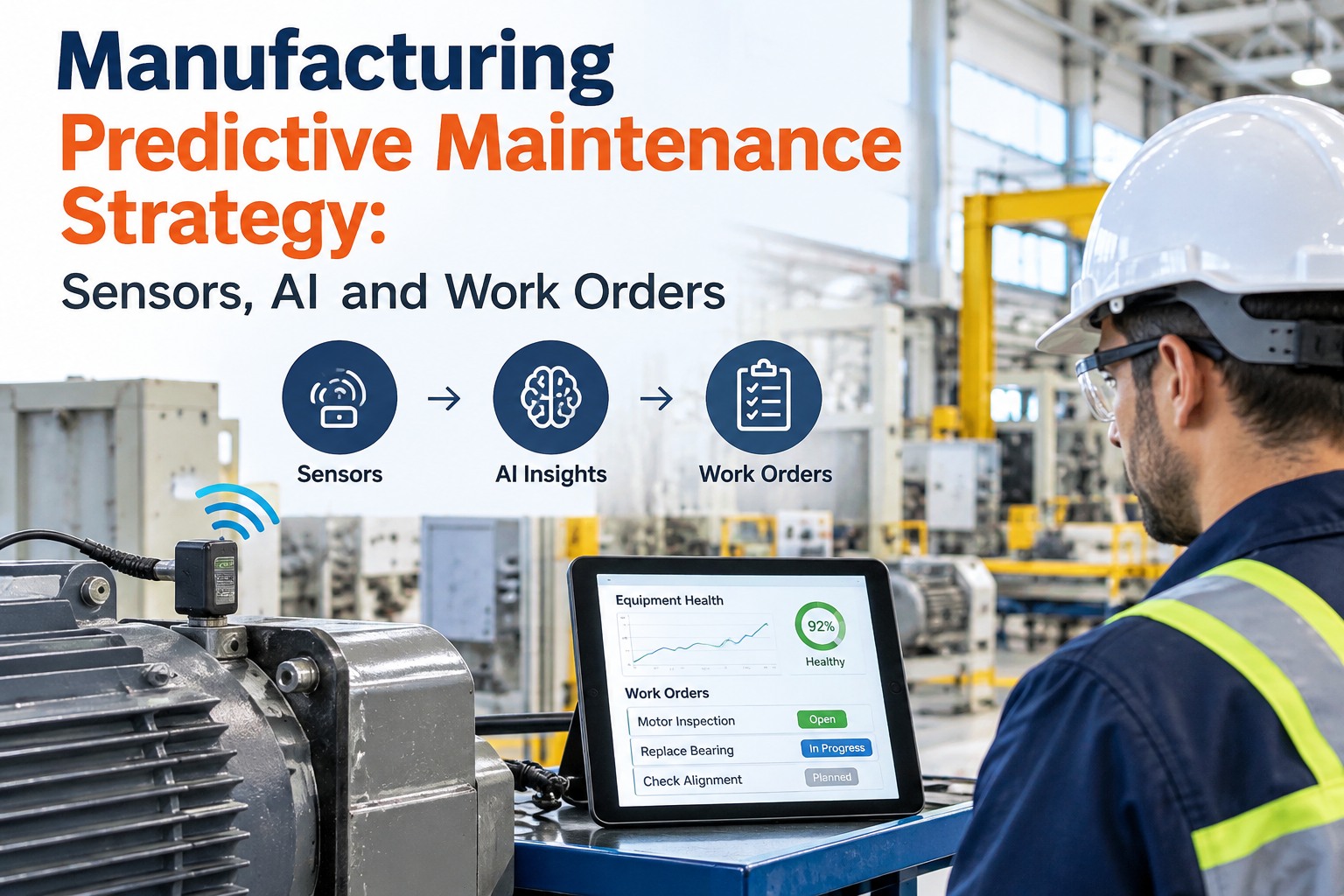
OxMaint links technician skill profiles to asset history, PM schedules, and work order assignments — giving you a live, actionable training matrix that improves with every repair event.
Frequently Asked Questions: Maintenance Training Matrix
What is a maintenance training matrix for manufacturing technicians?
A maintenance training matrix is a structured document mapping each technician's verified competency level across every equipment skill domain in your facility. It provides instant visibility into who can service which assets, where coverage gaps exist, and which training investments will most reduce downtime.
How often should a maintenance training matrix be updated?
Update skill ratings every 6–12 months and immediately after new equipment installation or major process changes. Skills that go unverified for more than 12 months should be reassessed before assignment to critical repairs.
How does a training matrix reduce equipment downtime?
By ensuring qualified technicians are pre-identified for every critical asset, plants eliminate response delays caused by skill uncertainty. Pre-qualified technicians complete repairs 25–40% faster and produce fewer rework incidents due to correct procedure execution.
Can OxMaint manage training matrix data alongside maintenance work orders?
Yes. OxMaint connects technician skill profiles to your asset registry, PM schedule, and work order system — so assignments are matched to verified competency and training gaps are flagged before they cause downtime. Sign Up Free to explore these features.
What's the minimum number of qualified technicians needed per critical asset?
Industry best practice requires at least 2 independently qualified technicians per critical asset category — one per shift where possible. Single-source skill coverage creates unacceptable downtime risk during absences, vacations, or employee turnover.
How do I prioritize which skills to develop first?
Cross-reference your skill gap analysis with asset criticality and downtime history. Skills gaps on high-criticality, frequently-failing assets deserve immediate attention. Book a Demo to see how OxMaint surfaces these priority gaps automatically.
Maintenance Workforce Readiness
Build the Skills Your Plant Needs Before the Next Failure.
OxMaint gives your maintenance team the tools to track competencies, assign qualified technicians, and reduce unplanned downtime through structured skills management.


.png)
