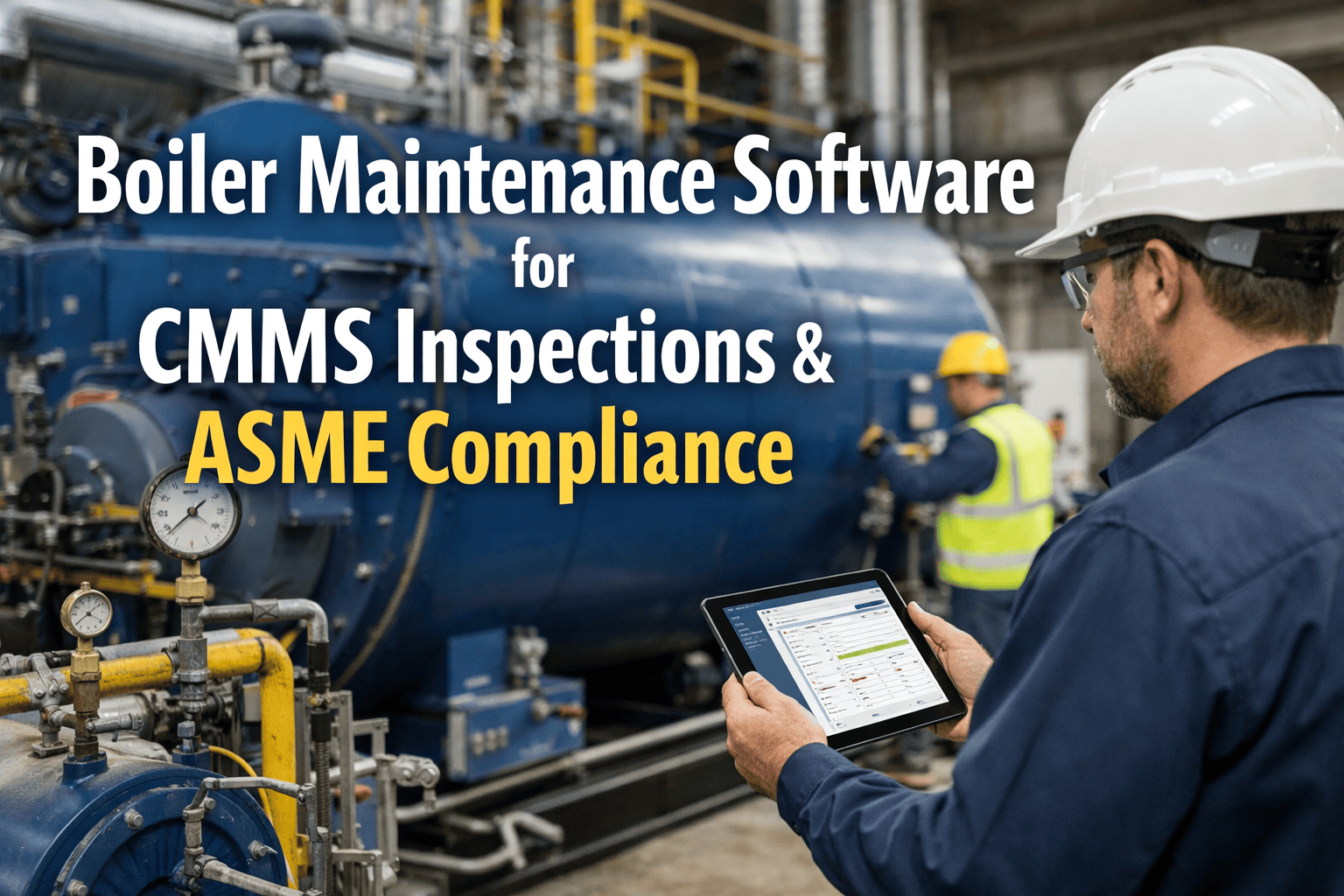
Boiler tube failures rarely start with a dramatic crack — they start months earlier as a small drift in pH, dissolved oxygen, or silica that nobody flagged because the water chemistry log sat in a binder, checked twice a shift, and reviewed properly maybe once a week. By the time scaling or corrosion shows up on a tube inspection, the damage has already been accumulating for a long time. Digitizing that inspection workflow with AI-based trend analysis inside OxMaint turns scattered readings into one continuous picture of boiler water health.
Water Treatment Reliability
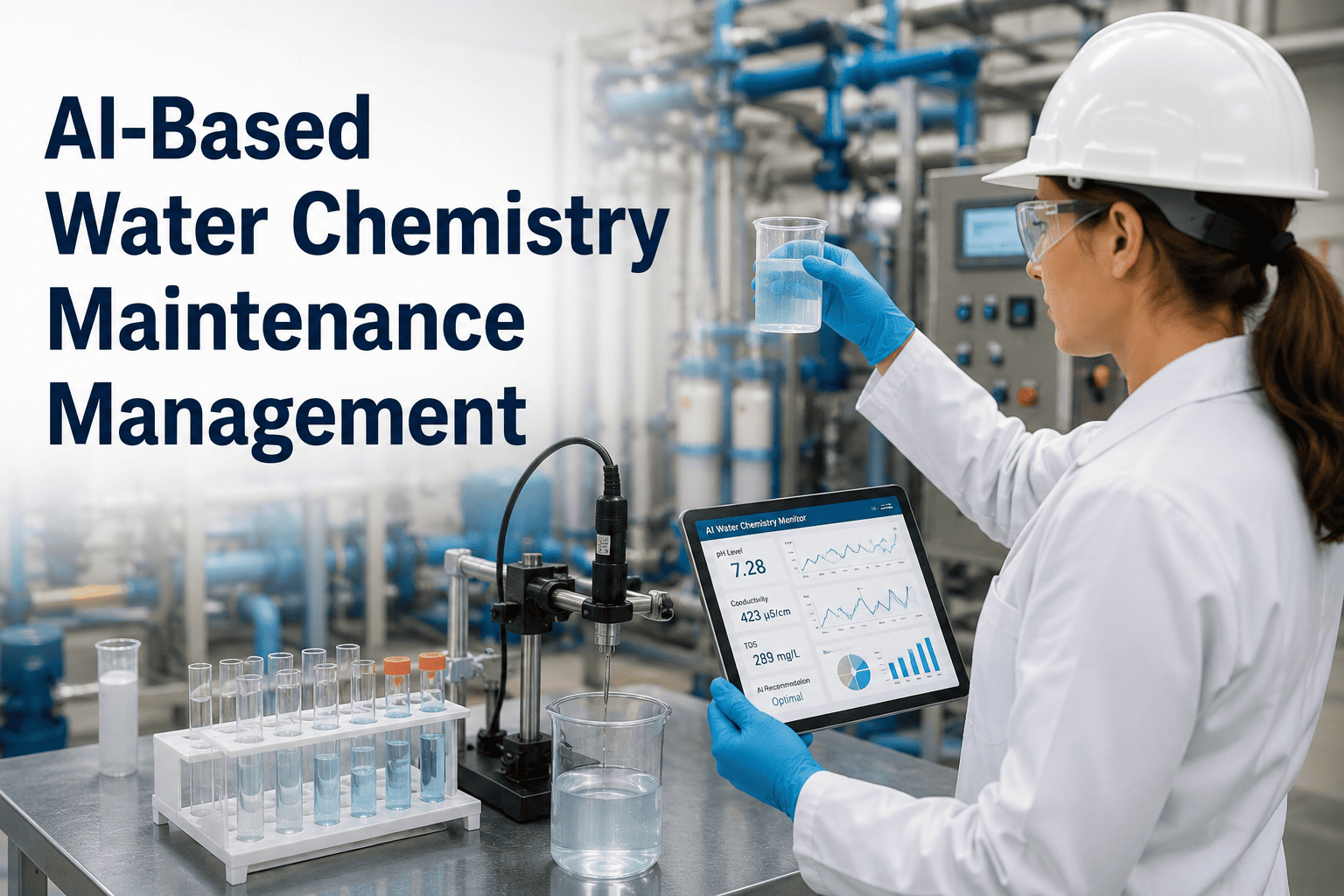
AI-Based Water Chemistry Maintenance Management
pH swings, dissolved oxygen spikes, and silica creep each leave a distinct fingerprint in the data. AI-powered trend monitoring catches the fingerprint weeks before it becomes a tube failure during a forced outage.
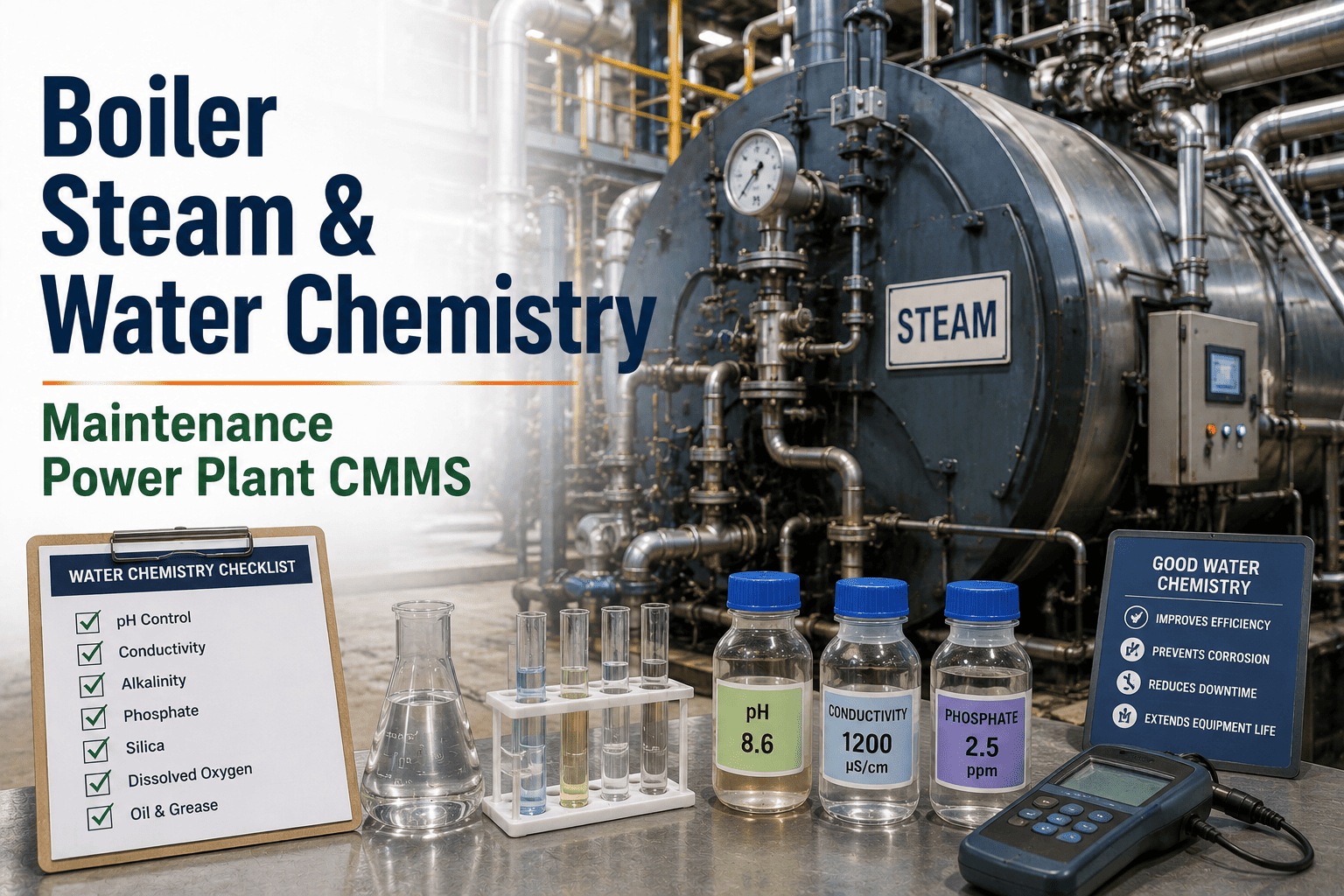
Five parameters that decide tube life
pH Level
Out-of-range pH accelerates corrosion on internal tube surfaces over sustained operation.
Dissolved Oxygen
Elevated oxygen levels drive pitting corrosion, especially in feedwater and economizer sections.
Silica Concentration
Silica carryover deposits on turbine blades and reduces heat transfer efficiency in boiler tubes.
Conductivity
Rising conductivity signals contamination or chemical dosing imbalance needing immediate review.
Hardness
Calcium and magnesium hardness drive scale formation that insulates tubes from heat transfer.
From paper log to digital inspection, step by step
1
Operator records readings on a mobile inspection form instead of a paper log sheet
2
Each reading is checked against the unit's own baseline range in real time
3
Out-of-range readings trigger an immediate alert to the water treatment supervisor
4
Repeated drift across shifts auto-generates a work order with the suspected cause
5
Full trend history is available for audits, compliance reviews, and OEM warranty claims
Digitize your boiler water chemistry inspections
Bring last quarter's water treatment logs and we'll show the drift pattern hiding inside them.
What undetected drift costs versus what monitoring saves
$500K+
Typical cost of an unplanned boiler tube failure repair
3-5 yrs
Tube life reduction from sustained chemistry excursions
40%+
Reduction in chemistry-related tube failures with monitoring
Where water chemistry monitoring applies across a plant
Boiler feedwater
Primary line of defense against tube corrosion and oxygen pitting before it starts.
Cooling tower basins
Scaling and biological growth tracked alongside chemical dosing to protect heat exchangers.
Condensate return
Contamination here often signals an upstream leak that paper logs catch too late.
Demineralizer output
Resin exhaustion flagged early, preventing poor-quality makeup water from entering the boiler.
Common questions plant chemists ask before switching
Q
Will this slow down the operator's rounds? No — the mobile form is built around the existing checklist sequence
Q
Who sees the alerts first? Configurable routing sends alerts to the water treatment supervisor on shift
Q
Can offline readings be entered later? Yes, with a timestamp flag noting delayed entry for audit accuracy
Frequently asked questions
Do operators still need to take manual water samples with this system?
Yes, manual grab samples and online analyzer readings are both still required for accuracy, but the digital workflow replaces the paper log they're recorded on. Operators enter readings through a mobile form that immediately checks the value against the unit's expected range. This catches an out-of-range reading the moment it's recorded instead of during a weekly log review. See the inspection flow inside
OxMaint.
Can this integrate with our existing online water chemistry analyzers?
Yes — OxMaint connects to standard online analyzers for pH, conductivity, and dissolved oxygen through common plant data protocols, pulling continuous readings alongside manual sample entries. This combination gives both the high-frequency online data and the lab-verified manual checks on one timeline. Most plants keep their existing analyzer hardware and only add the data connection.
Discuss your analyzer setup with the team.
How is a baseline range established for each parameter?
Baseline ranges start from OEM-recommended limits for the specific boiler design and operating pressure, then get refined using the unit's own historical readings over the first few months. This makes the alert threshold specific to how that boiler actually behaves rather than a generic industry number. Plants with strict regulatory limits can also lock those values as hard ceilings regardless of the learned baseline. Explore baseline setup inside
OxMaint.
Is this data usable for compliance audits and OEM warranty documentation?
Yes — every reading, alert, and corrective action is timestamped and stored, creating an auditable trail that's typically easier to produce than searching through paper logs during a compliance review. OEM warranty claims related to tube failures often require documented water chemistry history, and this gives plants a ready export rather than a scramble. Reports can be filtered by date range, unit, and parameter.
Walk through reporting on a call.
How quickly can a plant go live with digital water chemistry tracking?
Most plants are recording digital readings within one to two weeks of setup, since the inspection forms are configured around existing checklist items rather than built from scratch. Online analyzer integration, where applicable, typically takes a few additional weeks depending on plant network access. Full baseline accuracy builds over the following one to two months of operating data. Get started with
OxMaint today.
Replace the paper log before the next tube failure
Move boiler water chemistry from a binder to a continuous, audit-ready trend line.