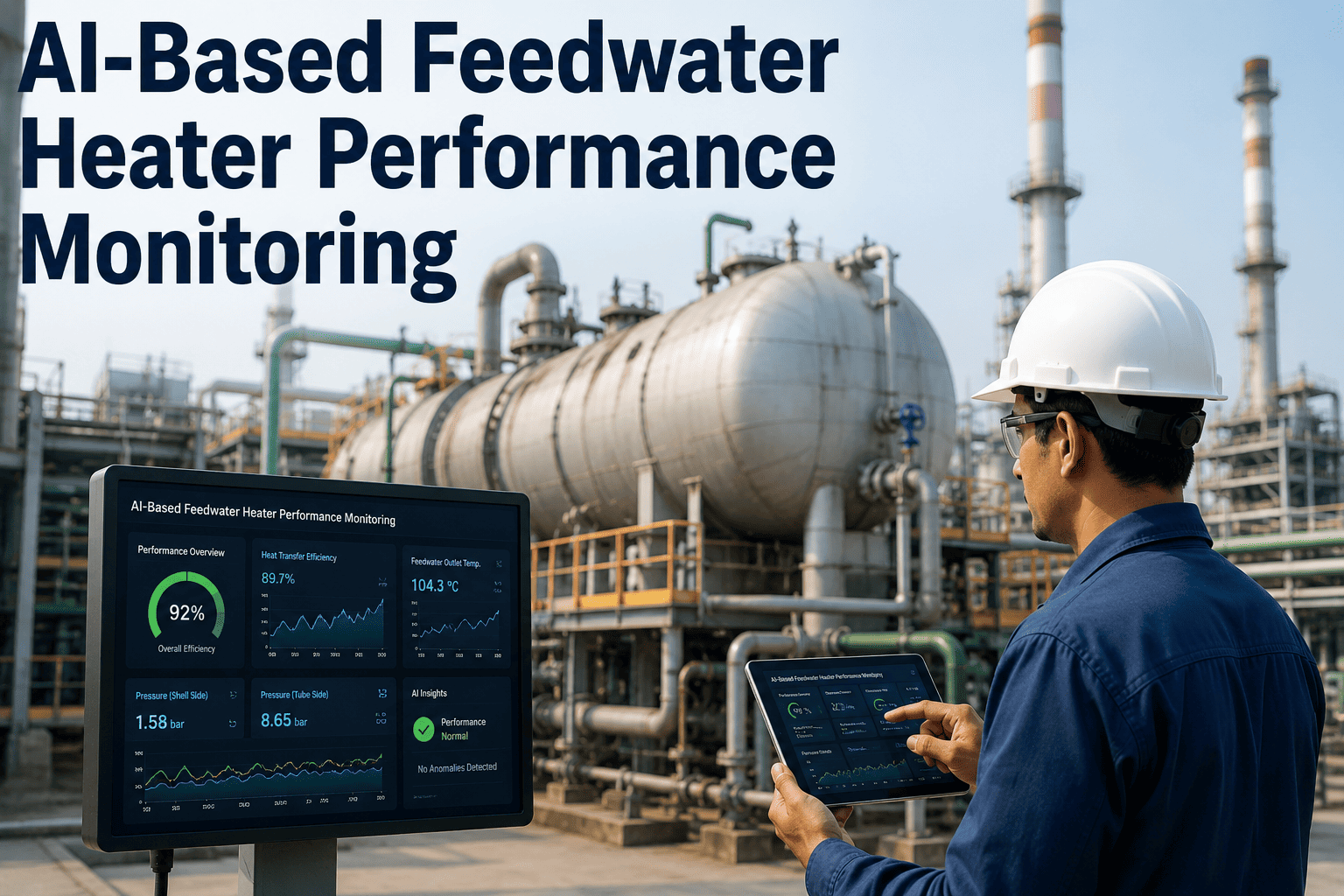
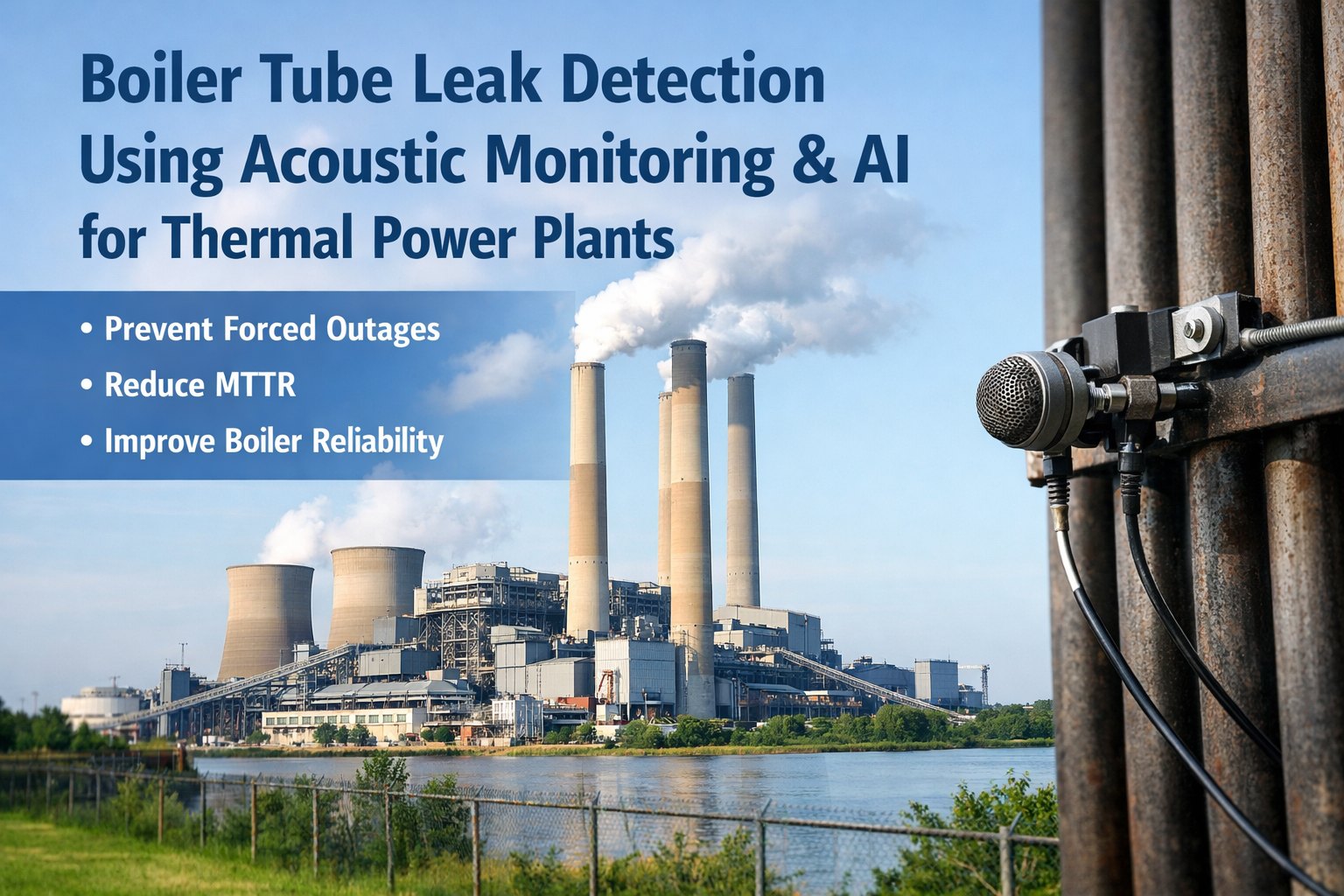
Heat Exchanger Runtime and Performance-Based Maintenance
By shreen on February 21, 2026
Heat exchangers are the silent workhorses of every industrial facility—transferring thermal energy across process streams around the clock. Yet most maintenance teams still service them on fixed calendar schedules that ignore actual fouling rates, thermal degradation, and runtime hours. The result is either premature shutdowns that waste production time or delayed interventions that cause catastrophic tube failures. Performance-based maintenance flips that equation by using real-time thermal data and runtime analytics to trigger service only when the exchanger actually needs it. Sign up for Oxmaint to start tracking heat exchanger performance metrics and automate condition-based work orders across your entire thermal asset fleet.
37%
Of heat exchanger failures trace back to fouling that calendar-based PM schedules missed entirely
$180K
Average cost of a single unplanned shell-and-tube exchanger shutdown in process industries
2.4x
Longer mean time between failures when switching from time-based to performance-based maintenance
Fixed-interval maintenance assumes every heat exchanger degrades at the same rate regardless of fluid type, flow velocity, ambient conditions, or process load. That assumption costs plants millions in unnecessary downtime and missed failures every year. A shell-and-tube exchanger running clean cooling water fouls at a completely different rate than one processing crude oil distillates—yet both get the same 6-month PM schedule. Performance-based maintenance replaces guesswork with measured thermal efficiency decline, giving your team the data to intervene at exactly the right moment. Create your free Oxmaint account and begin logging exchanger performance baselines within minutes.
Calendar-Based PM
— Fixed 90- or 180-day service intervals regardless of condition
— Over-maintenance on lightly loaded exchangers wastes labor hours
— Under-maintenance on heavy-duty units leads to tube failures
— No correlation between maintenance timing and actual fouling rate
— Cleaning schedules based on vendor manuals, not operating reality
Performance-Based Maintenance
+ Service triggered by measured thermal efficiency decline
+ Runtime hours and duty cycles drive maintenance prioritization
+ Fouling factor trending predicts optimal cleaning windows
+ CMMS auto-generates work orders when KPIs breach thresholds
+ Each exchanger gets a maintenance cadence matched to its actual load
Core Performance Metrics That Drive Maintenance Decisions
Performance-based maintenance depends on tracking the right parameters continuously. These are the metrics that separate proactive heat exchanger management from reactive firefighting. When configured inside a CMMS platform like Oxmaint, each metric can trigger automated alerts and work orders the moment values drift outside acceptable bands. Book a demo to see live threshold-based alerting configured for your specific exchanger types and process conditions.
Performance Engine
Overall Heat Transfer Coefficient (U-value)
The primary indicator of exchanger health. A declining U-value signals fouling buildup, scaling, or tube degradation. Track percentage drop from clean baseline to trigger cleaning work orders automatically.
Fouling Resistance (Rf)
Calculated from temperature differentials and flow rates, fouling resistance quantifies deposit thickness on tube surfaces. When Rf exceeds design allowance, the exchanger needs cleaning—not before, not after.
Approach Temperature Deviation
The gap between actual outlet temperature and theoretical design outlet narrows as performance degrades. A widening approach temperature is an early warning of internal obstruction or bypass flow.
Pressure Drop Across Tube Bundle
Rising differential pressure indicates internal blockage from fouling, corrosion products, or debris accumulation. CMMS trending of delta-P over runtime hours reveals degradation patterns invisible to spot checks.
Cumulative Runtime Hours
Runtime tracking correlates operating hours with thermal performance decline, enabling predictive scheduling. Exchangers in intermittent service need different maintenance cadences than continuous-duty units.
Vibration and Acoustic Signature
Flow-induced vibration accelerates tube fatigue and baffle wear. Continuous vibration monitoring detects tube bundle loosening, impingement damage, and flow maldistribution weeks before leaks develop.
Track Every Heat Exchanger KPI From One Dashboard
Oxmaint centralizes U-value trends, fouling resistance, runtime hours, and pressure drop data for every exchanger in your plant. Set custom thresholds and let the system generate maintenance work orders automatically when performance degrades.
Performance-Based Maintenance Workflows by Exchanger Type
Different heat exchanger configurations present different failure modes and fouling behaviors. A one-size-fits-all maintenance plan ignores these critical differences. Here is how performance-based maintenance adapts to each major exchanger type found in industrial facilities.
SHT
Shell-and-Tube Exchangers
Monitor U-value decline rate against runtime hours. Trigger chemical cleaning when fouling resistance reaches 70% of design allowance. Schedule tube inspection with eddy current testing after every 8,000 operating hours or when approach temperature deviation exceeds 15% of baseline.
Key Triggers:U-value drop >20%Delta-P rise >30%
PLT
Plate Heat Exchangers
Plate exchangers foul faster due to narrow channel gaps but are easier to clean. Track pressure drop trending—a 25% increase from baseline signals gasket compression loss or channel blockage. Performance-based intervals typically run 40–60% shorter than shell-and-tube units in the same service.
External fin fouling from dust, pollen, and environmental debris reduces airside heat transfer. Monitor outlet air temperature differential and fan motor amperage. Rising amperage with declining thermal performance indicates fin blockage requiring wash-down. Sign up for Oxmaint to automate air-cooled exchanger wash schedules based on measured thermal efficiency.
Common in low-flow applications with high-viscosity fluids. Performance degradation shows up primarily in outlet temperature deviation and increasing pumping pressure. Runtime-based maintenance correlates operating hours with fluid properties to predict optimal disassembly and cleaning windows.
Self-cleaning design reduces fouling frequency, but when fouling does occur it concentrates at the spiral center. Pressure drop monitoring is critical—spiral units show exponential delta-P increases once fouling reaches a tipping point. Intervene early based on trending data, not fixed schedules.
How CMMS Automates Heat Exchanger Performance Tracking
Manual logbooks and spreadsheet-based tracking cannot keep up with the data volume that performance-based maintenance requires. A CMMS platform like Oxmaint collects, trends, and acts on exchanger data automatically—closing the loop between condition monitoring and maintenance execution without requiring engineers to manually review charts every day.
Automated Threshold Alerts
Set custom performance thresholds for each exchanger. When U-value, pressure drop, or approach temperature breaches limits, the CMMS instantly notifies the assigned technician and creates a prioritized work order.
Runtime Hour Metering
Track cumulative operating hours per exchanger with automatic rollover logging. Correlate runtime data with performance decline to build predictive fouling models unique to each unit and service condition.
Digital Maintenance History
Every cleaning, inspection, tube repair, and gasket replacement is logged with timestamps, technician notes, and before/after performance readings. Build a complete lifecycle record that informs future maintenance decisions.
Spare Parts Integration
Link gasket kits, tube bundles, and cleaning chemicals to each exchanger asset. When a performance-triggered work order fires, Oxmaint automatically checks inventory and flags reorder needs before the job starts.
Oxmaint Platform Features for Heat Exchanger Management
Managing thermal assets requires more than a spreadsheet. Oxmaint provides purpose-built tools that connect performance data to maintenance execution—so your team spends less time chasing paper trails and more time keeping exchangers running at peak efficiency.
Asset Performance Dashboards
Real-time thermal KPI visualization for every exchanger in your fleet. View U-value trends, fouling resistance curves, and pressure drop history on a single screen—filterable by area, criticality, or service type.
Live TrendingCustom Thresholds
Condition-Based Work Order Engine
Define performance rules that automatically generate, assign, and prioritize work orders. When an exchanger's U-value drops below your threshold, the right technician gets notified with the right procedure and parts list.
Auto-AssignmentSOP Attachments
Mobile Inspection Workflows
Technicians complete performance checklists on mobile devices directly at the exchanger. Photo attachments, digital signatures, and real-time data entry eliminate paperwork and ensure every inspection is logged accurately in the CMMS.
Offline CapablePhoto Documentation
We switched from 90-day fixed PM cycles to performance-triggered cleaning on 42 shell-and-tube exchangers. In the first year, we reduced cleaning events by 35% while simultaneously eliminating two unplanned failures that would have cost us over $400K in lost production.
— Reliability Engineer, Petrochemical Refinery
Start Managing Heat Exchangers by Performance, Not by Calendar
Oxmaint gives your maintenance team the tools to track thermal performance, automate condition-based work orders, and extend exchanger service life—all from a single platform accessible on desktop and mobile.
What is performance-based maintenance for heat exchangers?
Performance-based maintenance uses real-time thermal efficiency data, pressure drop trending, and cumulative runtime hours to determine when a heat exchanger needs service—rather than following fixed calendar intervals. This approach ensures maintenance happens when the exchanger actually needs it, reducing both unnecessary shutdowns and unexpected failures.
How does a CMMS track heat exchanger performance automatically?
A CMMS like Oxmaint receives temperature, pressure, and flow data from sensors or manual readings and calculates key metrics like U-value, fouling resistance, and approach temperature deviation. When any metric breaches a user-defined threshold, the system automatically generates a work order with the correct procedure and parts list. Sign up free to configure performance-based alerts for your heat exchanger fleet today.
Which heat exchanger types benefit most from performance-based maintenance?
Shell-and-tube exchangers in fouling-prone services see the greatest benefit because their cleaning intervals vary dramatically based on fluid properties and operating conditions. Plate exchangers also benefit significantly due to their sensitivity to channel blockage. Any exchanger where fouling rate varies with process conditions is a strong candidate for performance-based scheduling.
What sensors are needed to enable performance-based heat exchanger maintenance?
At minimum, you need temperature sensors on all four nozzles (hot-in, hot-out, cold-in, cold-out) and pressure transmitters on shell-side and tube-side inlets and outlets. Flow measurement on at least one stream enables U-value calculation. Vibration sensors are recommended for exchangers in high-flow or two-phase service. Book a demo to discuss sensor integration with the Oxmaint platform for your specific exchanger configuration.
How quickly can we transition from calendar-based to performance-based maintenance?
Most plants establish clean baselines and begin performance tracking within 30–60 days of CMMS deployment. The first performance-triggered work orders typically fire within 90 days as the system learns each exchanger's degradation profile. Full transition across all exchangers in a facility usually takes 6–9 months including staff training and procedure updates.