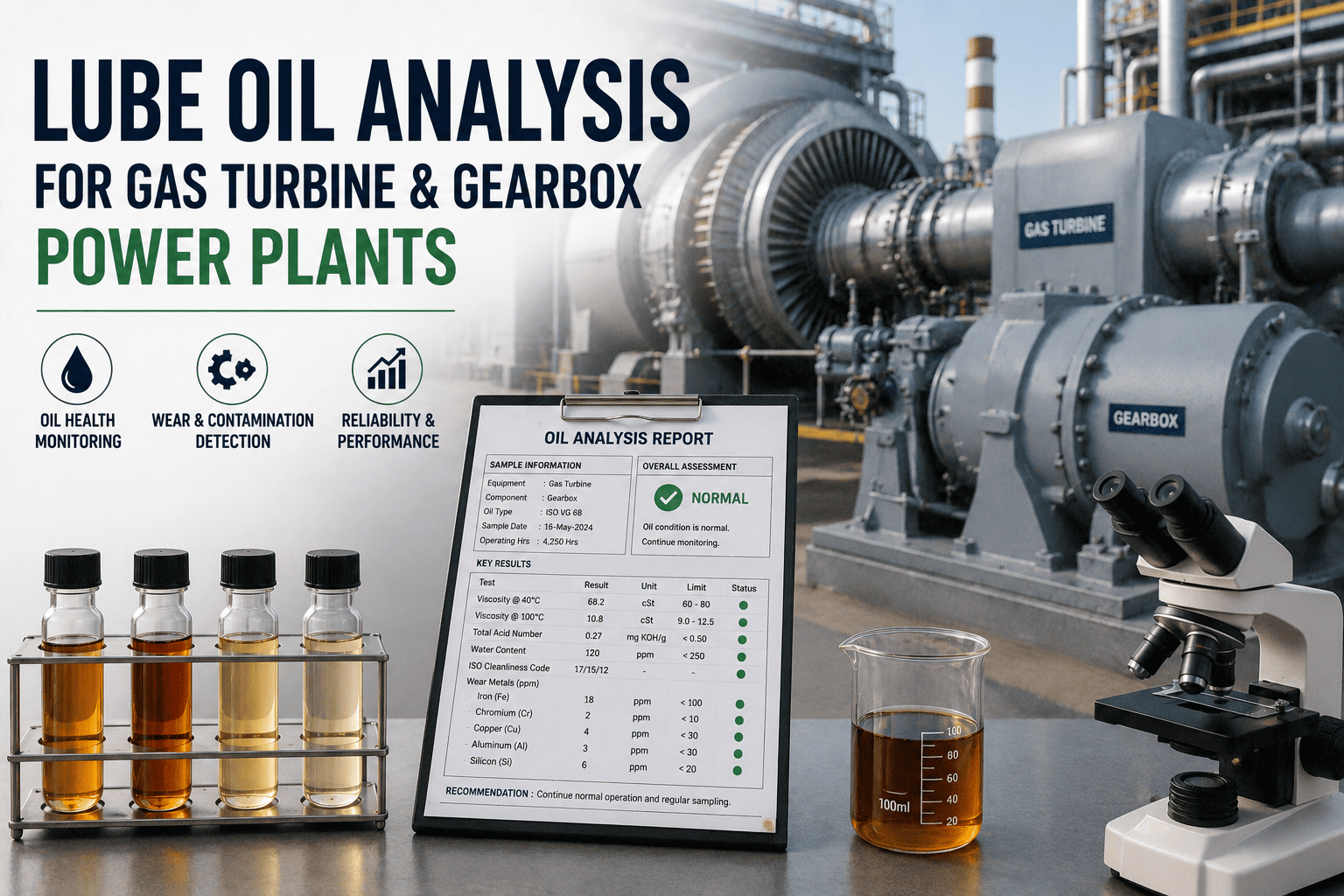
Wind turbine gearbox oil analysis programs represent the most cost-effective predictive maintenance strategy available to renewable energy operators for preventing catastrophic gearbox failures that can cost $250,000 to $500,000 per replacement event and result in months of lost generation revenue. Under manufacturer warranty requirements and industry best practices established by ASTM D4378 and ISO 4406 cleanliness standards, wind and solar tracking system gearboxes require quarterly oil sampling with laboratory analysis for particle contamination, viscosity degradation, additive depletion, and wear metal accumulation that indicate impending component failure long before vibration analysis or temperature monitoring detect problems. A single missed oil sample or misinterpreted ferrography result can allow bearing surface distress to progress undetected until catastrophic failure occurs, destroying the entire gearbox assembly and potentially damaging connected generator and drivetrain components. This wind solar gearbox oil sampling quarterly checklist covers sample point preparation, bottle labeling protocols, particle count interpretation, ferrography wear debris analysis, remaining useful life estimation, and CMMS-linked trend tracking strategies that renewable energy maintenance teams use to maximize gearbox service life and eliminate unplanned turbine downtime. Sign Up Free to digitize your wind solar gearbox oil sampling program and automate quarterly sampling schedules with laboratory result tracking across every turbine in your renewable energy fleet with Oxmaint.
One Missed Oil Sample Can Allow $500K Gearbox Failure to Progress Undetected Until Catastrophic Breakdown Occurs
Oxmaint schedules quarterly gearbox oil sampling across your entire wind and solar fleet, tracks laboratory results with automatic trend analysis, flags abnormal wear patterns requiring investigation, and links oil condition data to gearbox maintenance history for complete asset health visibility.
Wind Turbine Gearbox Lubrication Systems and Oil Analysis Fundamentals
Modern wind turbine gearboxes operate under extreme loading conditions with torque multiplication ratios ranging from 50:1 to 100:1, converting low-speed rotor shaft rotation at 10-20 RPM into high-speed generator shaft speeds exceeding 1,500 RPM. This severe duty cycle combined with continuous load reversals from wind gusts, temperature cycling from ambient weather variations, and contamination ingress from outdoor environmental exposure creates demanding lubrication requirements that only specialized synthetic gear oils can meet. Gearbox oil serves multiple critical functions including load-bearing film strength to prevent metal-to-metal contact between gear teeth and bearing surfaces, heat dissipation to control operating temperatures, contamination suspension to keep wear particles in circulation rather than settling on surfaces, and corrosion protection for internal components during idle periods when turbines are not generating.
Quarterly oil sampling programs provide the earliest possible indication of developing gearbox problems by detecting microscopic wear particles, contamination ingress, and oil degradation long before these conditions cause measurable changes in vibration signatures, operating temperatures, or audible noise that trigger reactive maintenance responses. Laboratory oil analysis typically includes particle counting to ISO 4406 cleanliness codes, spectrometric analysis for wear metal concentrations, viscosity testing at operating temperature, acid number measurement for oxidation degradation, and analytical ferrography for wear particle morphology examination. Book a Demo to see how Oxmaint integrates laboratory oil analysis results directly into your wind turbine maintenance records with automatic trend charting and predictive alerts when oil condition parameters exceed action limits established for your specific gearbox models.
Oil Sample Point Selection and Collection Procedure
Proper oil sample collection technique is essential for obtaining representative samples that accurately reflect gearbox internal condition. Wind turbine gearboxes typically have dedicated sample ports installed at locations where circulating oil passes through after picking up wear debris from bearing surfaces and gear mesh contact zones. Sample ports should be located downstream of filters but upstream of any cooling or settling zones where particles might separate from the oil stream. Before opening sample ports, technicians must thoroughly clean external surfaces to prevent contamination from dirt, grease, or old oil residue entering the sample bottle. Most wind turbine manufacturers recommend flushing sample lines by drawing and discarding 100-200 ml of oil before collecting the actual sample to ensure the sample represents circulating oil rather than stagnant oil sitting in sample port piping.
Oil Analysis Test Parameters and Interpretation Guidelines
Comprehensive gearbox oil analysis packages evaluate multiple parameters that together provide a complete picture of oil condition and gearbox internal health. Particle counting measures the concentration and size distribution of contamination particles using laser optical sensors, with results reported as ISO 4406 cleanliness codes in the format X/Y/Z representing particle counts per milliliter at 4µm, 6µm, and 14µm size thresholds. Cleanliness codes that increase over time indicate contamination ingress from seal leaks, breather failures, or internal wear generation requiring investigation. Wear metal analysis uses inductively coupled plasma spectrometry to measure concentrations of iron, copper, aluminum, chromium, and other metals in parts per million, with increasing trends indicating progressive wear of specific gearbox components based on metallurgy signatures.
| Test Parameter | Normal Range | Caution Threshold | Critical Limit | Primary Failure Mode Indicated |
|---|---|---|---|---|
| ISO 4406 Cleanliness Code | 17/15/12 or cleaner | 18/16/13 | 19/17/14 or higher | Contamination ingress, seal failure, breather saturation |
| Iron (Fe) Wear Metal | 0-25 ppm | 25-50 ppm | >50 ppm | Gear tooth wear, bearing raceway distress |
| Copper (Cu) Wear Metal | 0-10 ppm | 10-20 ppm | >20 ppm | Bronze cage wear, bushing degradation |
| Viscosity @ 40°C | ±10% of new oil | ±10-15% of new oil | >±15% of new oil | Oxidation degradation, contamination, shear breakdown |
| Acid Number (TAN) | 0-2.0 mg KOH/g | 2.0-3.5 mg KOH/g | >3.5 mg KOH/g | Oxidation, thermal degradation, additive depletion |
| Water Content | 0-200 ppm | 200-500 ppm | >500 ppm | Seal ingress, condensation, breather failure |
| Large Particle Index (>10µm) | <100 particles/ml | 100-500 particles/ml | >500 particles/ml | Active wear generation, abnormal debris production |
From Lab Results to Work Orders — Oxmaint Automatically Flags Abnormal Oil Trends and Creates Investigation Tasks
Oxmaint imports laboratory oil analysis results via API integration, compares test parameters against turbine-specific action limits, generates trend charts showing oil condition progression over time, and automatically creates maintenance work orders when oil quality thresholds are exceeded requiring corrective action.
Ferrography and Wear Debris Morphology Analysis
Analytical ferrography provides detailed microscopic examination of wear particles extracted from oil samples to determine particle morphology, size distribution, composition, and surface characteristics that identify specific wear mechanisms occurring inside gearboxes. Laboratory technicians deposit wear particles on glass slides using magnetic separation techniques, then examine particles under high-magnification optical microscopy to classify wear types including normal rubbing wear producing small smooth particles, cutting wear generating large metallic chips with sharp edges, fatigue wear creating plate-like spalls from bearing surfaces, and severe sliding wear producing large irregular particles indicating abnormal contact conditions. The combination of particle type, concentration, and trend over multiple sampling intervals provides tribology engineers with precise diagnostic information about which gearbox components are degrading and how much remaining service life exists before component failure occurs.
Remaining Useful Life Estimation and Replacement Planning
Oil analysis trend data combined with ferrography findings enables tribology engineers to estimate remaining useful life for wind turbine gearboxes with reasonable accuracy when sufficient historical data exists. RUL estimation typically involves statistical modeling of wear metal accumulation rates, particle count progression curves, and viscosity degradation trends to project when critical thresholds will be reached that require gearbox removal from service. Conservative RUL estimates provide wind farm operators with advance notice measured in months or years to order replacement gearboxes, schedule crane availability, and coordinate turbine downtime with generation revenue forecasts and power purchase agreement commitments. Proactive gearbox replacement during planned maintenance windows reduces total replacement costs by 40-60% compared to emergency replacements requiring expedited parts procurement, premium crane rates, and lost generation during extended outages waiting for component delivery. Sign Up Free to implement oil analysis trend tracking in Oxmaint with predictive remaining useful life calculations that integrate with your long-term turbine maintenance planning and capital budget forecasting.
Quarterly Gearbox Oil Sampling Checklist
The most valuable aspect of quarterly oil sampling programs for wind turbine gearboxes is not the detection of catastrophic failures, which are relatively rare and usually preceded by obvious symptoms like temperature increases or noise changes. The real value is identifying slow-developing wear patterns 18 to 36 months before they become critical, giving operators time to plan gearbox replacements during scheduled maintenance windows rather than emergency outages. I have analyzed oil data from thousands of wind turbine gearboxes over my career, and the pattern is consistent: gearboxes with quarterly oil sampling programs maintained since commissioning have average service lives 30-40% longer than identical gearboxes that rely only on condition monitoring or annual inspections. The key is not just collecting samples, but having qualified tribology professionals interpret results in context of specific gearbox designs and operating conditions rather than relying on generic alarm limits that miss subtle trends indicating developing problems.
My research team has conducted failure analysis on over 200 failed wind turbine gearboxes from multiple manufacturers and generation technologies over the past decade. In approximately 75% of catastrophic gearbox failures we examined, post-mortem oil analysis from samples collected immediately after failure showed clear evidence that the failure mode had been developing for 12-24 months based on progressive wear metal accumulation and particle morphology patterns. This means that quarterly oil sampling programs conducted properly would have detected the developing failure well in advance, providing operators with time to plan proactive replacement rather than experiencing emergency failures. The challenge is not the technology of oil analysis, which is mature and highly reliable, but rather the organizational discipline to maintain consistent quarterly sampling across large turbine fleets and the technical expertise to correctly interpret laboratory results and initiate appropriate maintenance actions before failures occur.
CMMS Integration for Oil Analysis Program Management
Modern wind farm operators integrate gearbox oil sampling programs into computerized maintenance management systems to automate quarterly sampling schedules, track laboratory result trends over multiple years, and trigger corrective maintenance work orders when oil condition parameters exceed acceptable limits. CMMS platforms can interface directly with oil analysis laboratories via API connections to automatically import test results into turbine maintenance records within hours of laboratory completion, eliminating manual data entry delays and transcription errors. Automated trend analysis algorithms compare each new oil sample against historical baseline data for the specific turbine to flag anomalies requiring engineering review, while predictive analytics can forecast when oil condition will reach critical thresholds requiring oil change intervals or gearbox replacement planning. Integration with turbine SCADA systems enables correlation of oil condition trends with operating parameters like temperature profiles and load cycles to identify operational factors contributing to accelerated wear or contamination.
Frequently Asked Questions — Gearbox Oil Sampling
Every Turbine. Every Quarter. Every Test Parameter — Tracked, Trended, and Optimized for Maximum Service Life
Oxmaint transforms wind turbine gearbox oil analysis from a manual tracking burden into an automated predictive maintenance program that prevents catastrophic failures, maximizes component service life, and enables proactive replacement planning that minimizes downtime and optimizes generation revenue across your entire renewable energy portfolio.